Letter recognition Extra Challenge English for Beginners Worksheets for Ages 4-5
7 filtered results
-
From - To
Enhance early literacy skills with our “Letter Recognition Extra Challenge” worksheets, designed specifically for beginners ages 4-5. Tailored for Kids Academy's high standards, these engaging, printable resources provide fun, advanced exercises to boost letter identification and phonetic awareness. Each worksheet captivates young minds with vibrant illustrations and interactive activities, ensuring an entertaining learning journey. Perfect for English as a second language (ESL) learners, our materials support foundational language development, fostering a love for reading from an early age. Download now to give your child a powerful start on their educational adventure! Diagnosing problems can keep motivate personal engage.
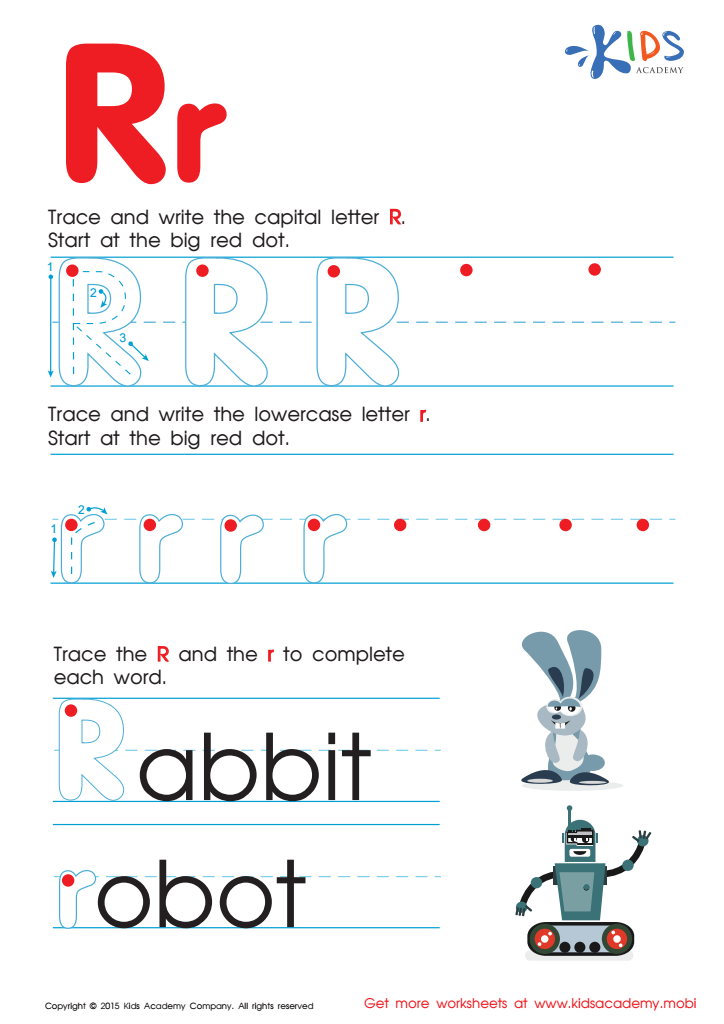
Letter R Tracing Page
 Assign to My Students
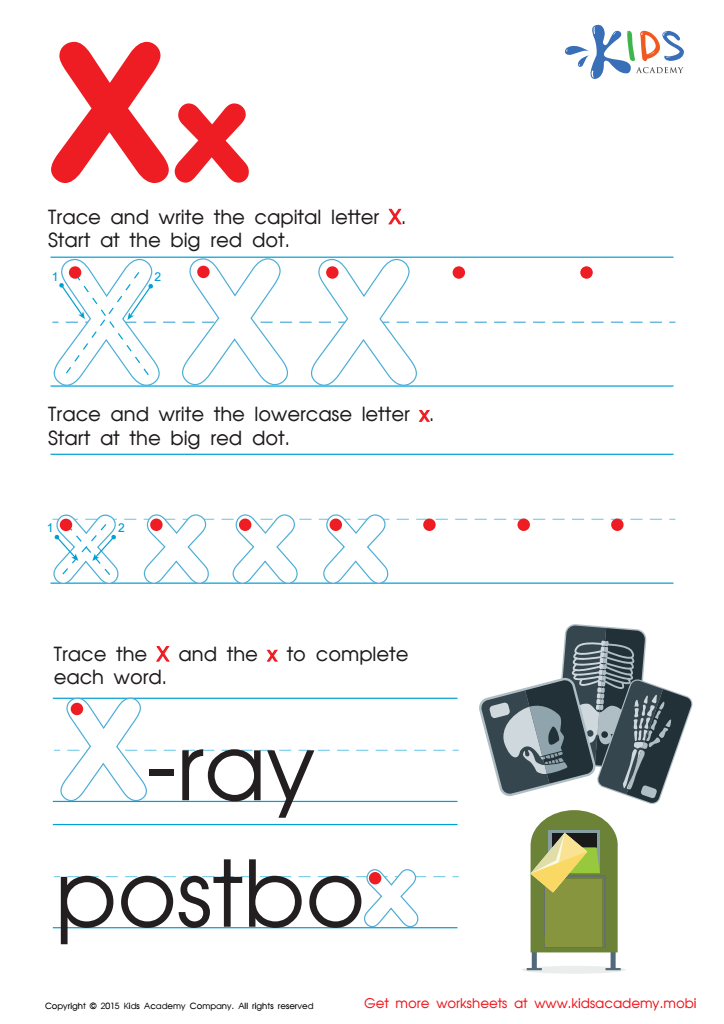
Letter X Tracing Page
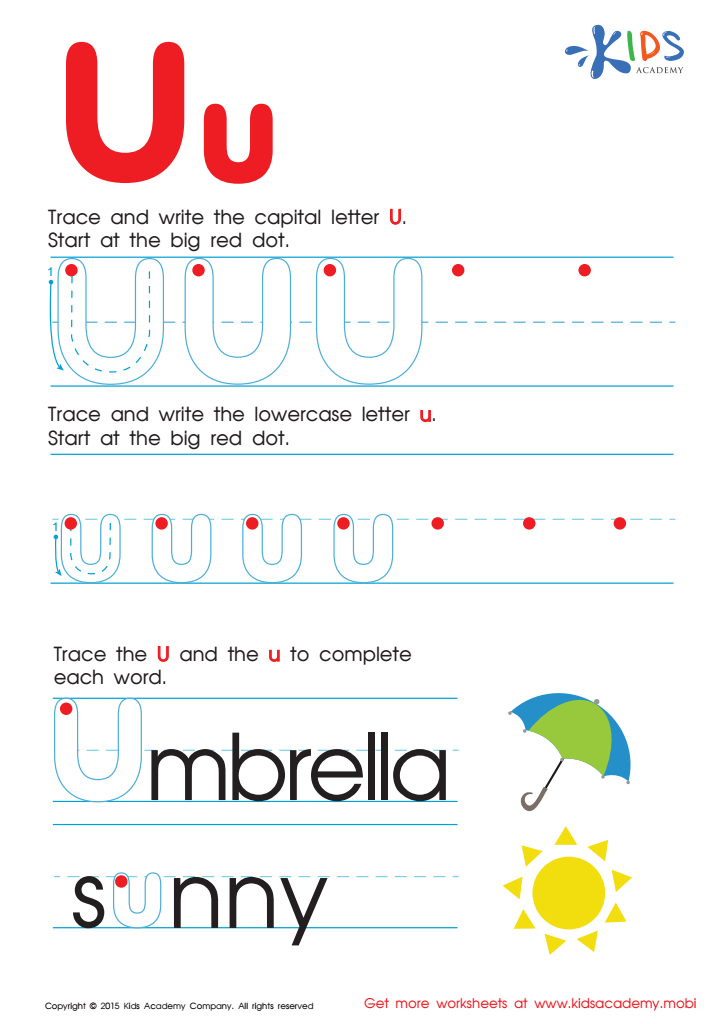
Letter U Tracing Page
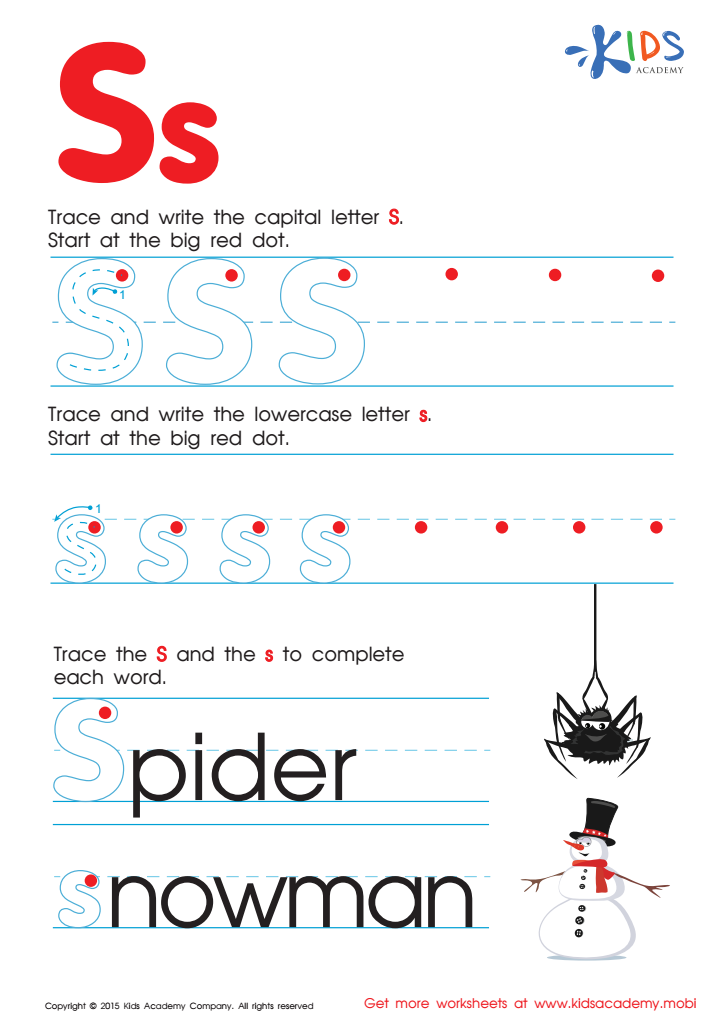
Letter S Tracing Page
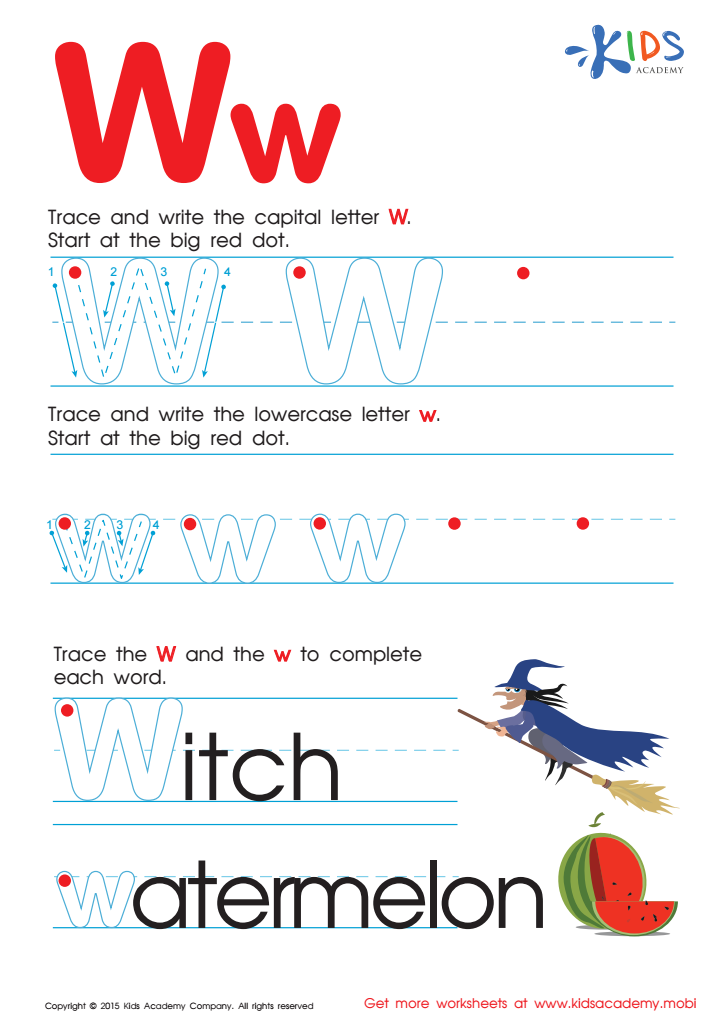
Letter W Tracing Page
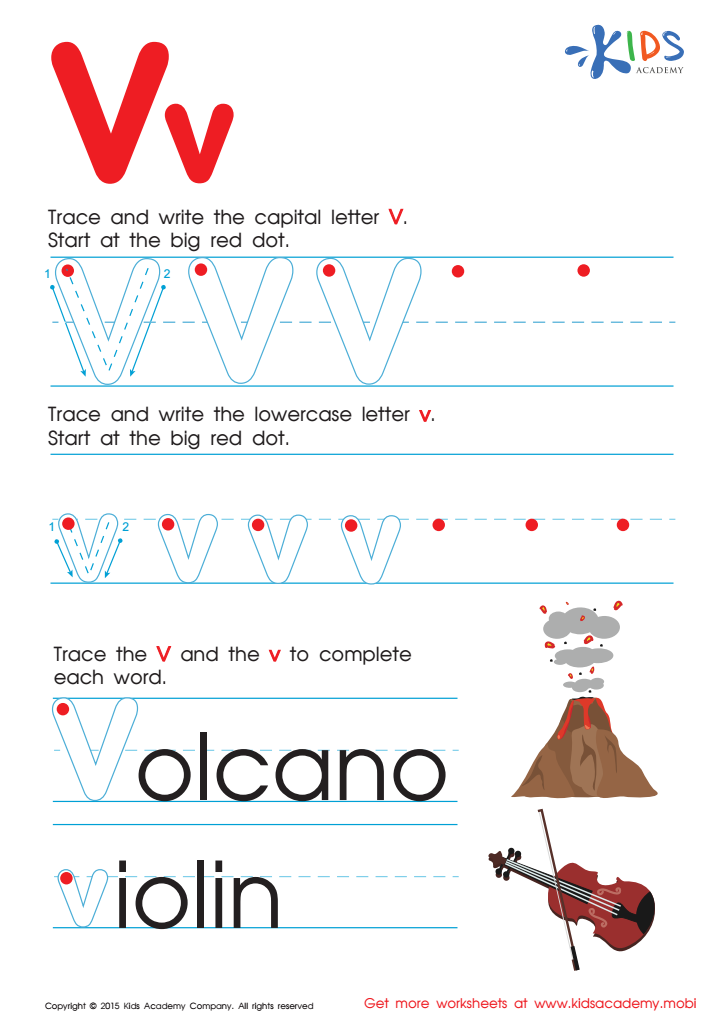
Letter V Tracing Page
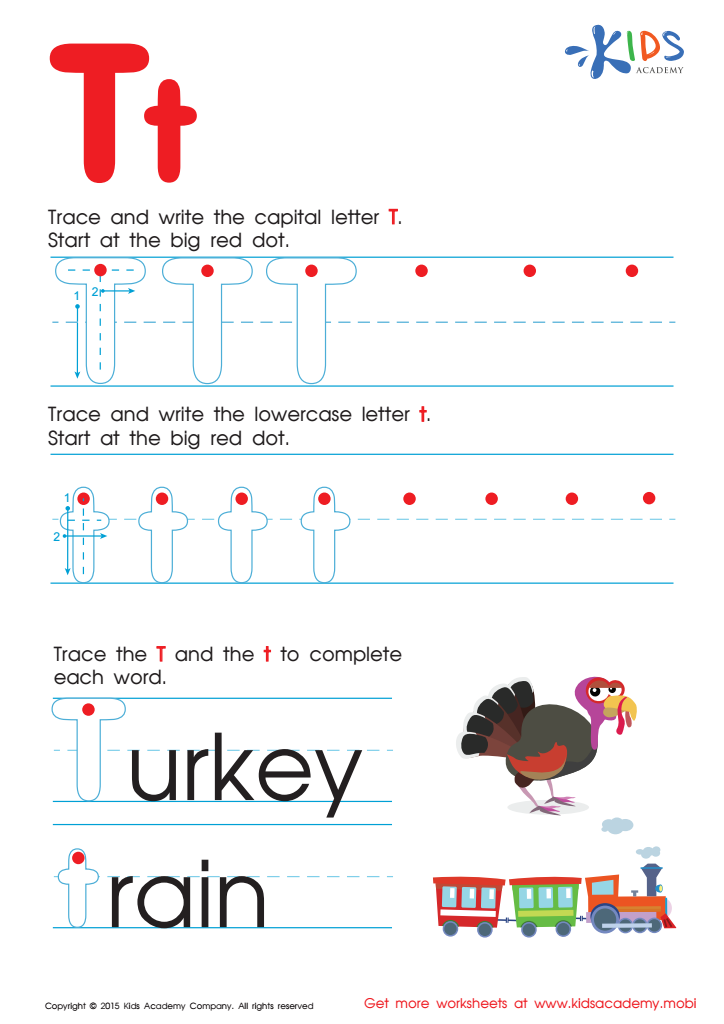
Letter T Tracing Page





Letter recognition is fundamental for young learners, and incorporating an extra challenge for English beginners aged 4-5 can make a crucial difference. At this developmental stage, children's brains are incredibly receptive to acquiring new skills, particularly language. Enhanced letter recognition activities go beyond the basic identification of letters; they encourage cognitive growth, improve memory, and foster critical thinking.
For parents and teachers, investing effort into these activities ensures that children build a strong literacy foundation. Early proficiency in recognizing letters boosts confidence and curiosity in reading and writing. By introducing an extra challenge, children are not just learning to identify letters but are also developing phonemic awareness—understanding that letters correspond to specific sounds. This connection is essential for mastering spelling and eventually reading fluency.
Moreover, engaging and varied activities keep children's attention, making learning enjoyable and effective. Such practices also promote fine motor skills through writing exercises and coordination. Teachers can observe and address individual learning needs, ensuring no child falls behind.
Ultimately, prioritizing letter recognition challenges not only accelerates academic success but also cultivates a lifelong love for learning. Therefore, it is crucial for educators and parents to provide stimulating and meaningful literacy experiences.








