Color recognition Extra Challenge Worksheets for Ages 4-5
7 filtered results
-
From - To
Boost your child's color recognition skills with our fun extra challenge worksheets tailored especially for ages 4-5! These engaging activities move beyond basic color identification, incorporating advanced tasks like color matching, pattern sequencing, and color-themed puzzles. Perfect for preschoolers ready to progress, each worksheet aims to reinforce learning through play and hands-on experience, enhancing cognitive development and fine motor skills. With vibrant designs and interactive elements, these worksheets will captivate young learners and make color recognition a delightful adventure. Give your child the early educational jump-start they deserve with our expertly designed extra challenge worksheets!
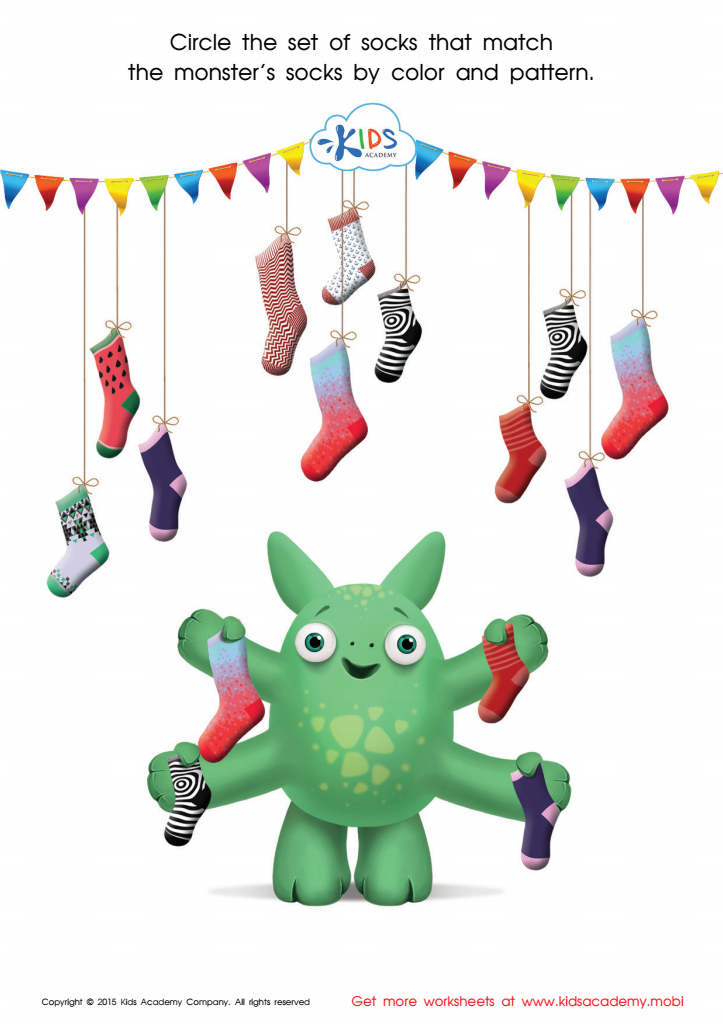
Sort the Monster's Socks Worksheet
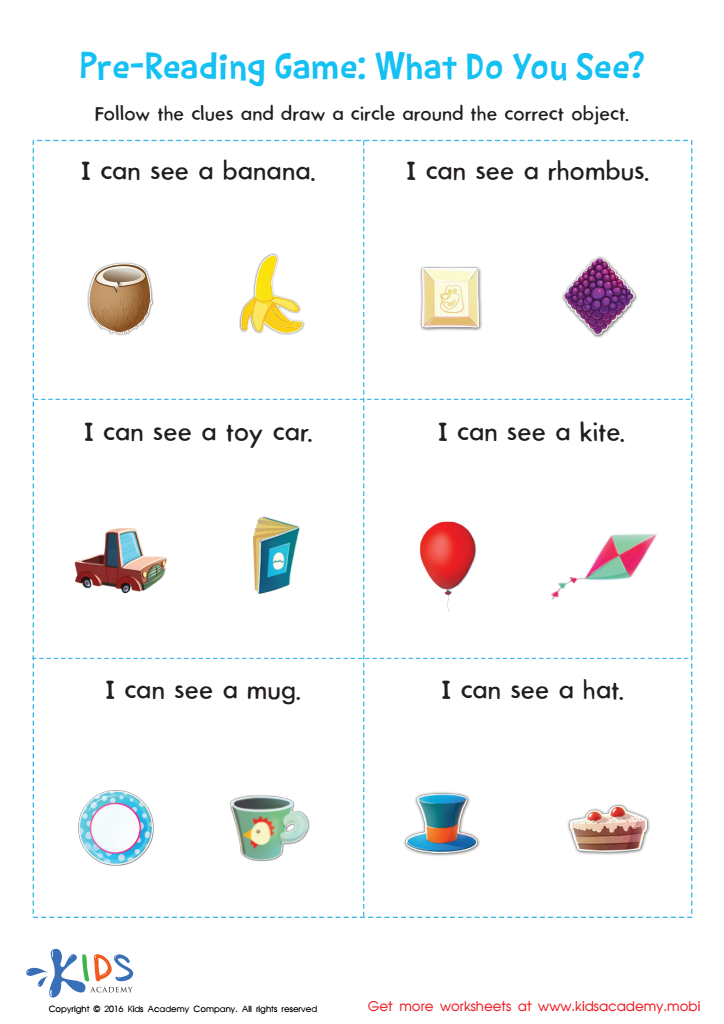
Pre–reading Worksheet: What Do You See?
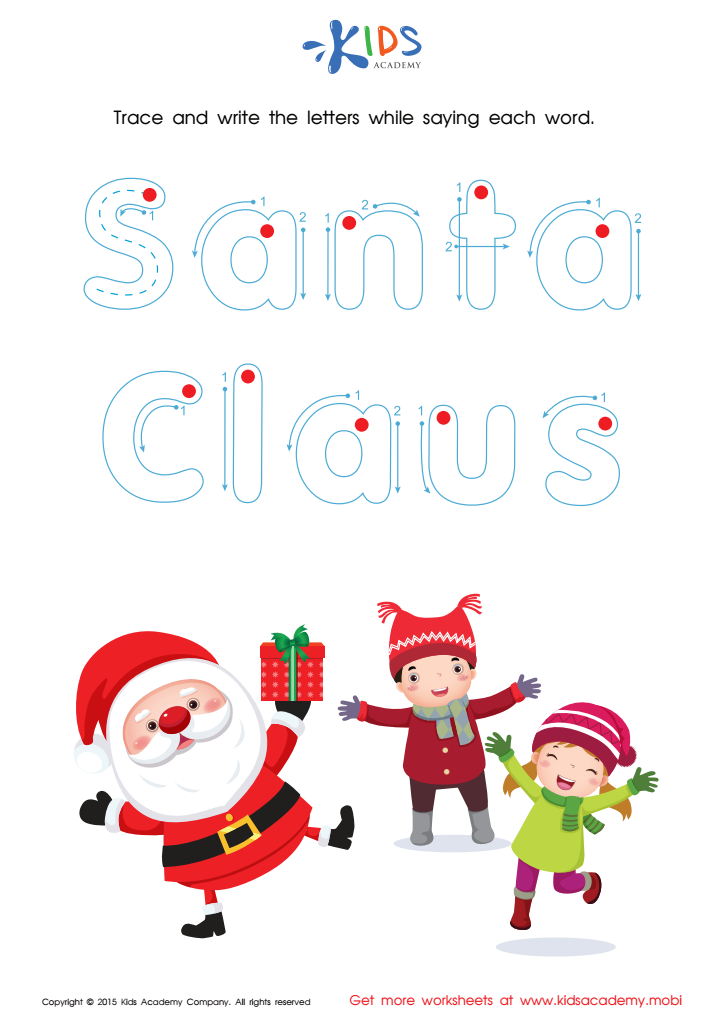
Santa Claus Tracing Winter Words Worksheet
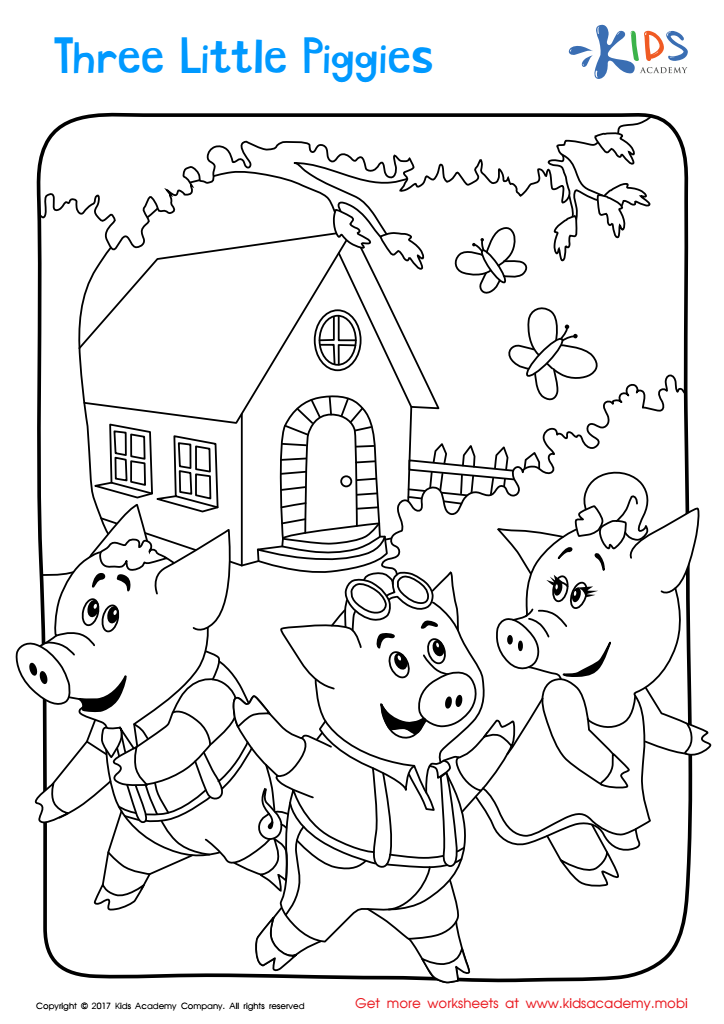
Three Little Piggies Printable Coloring Page
 Assign to My Students
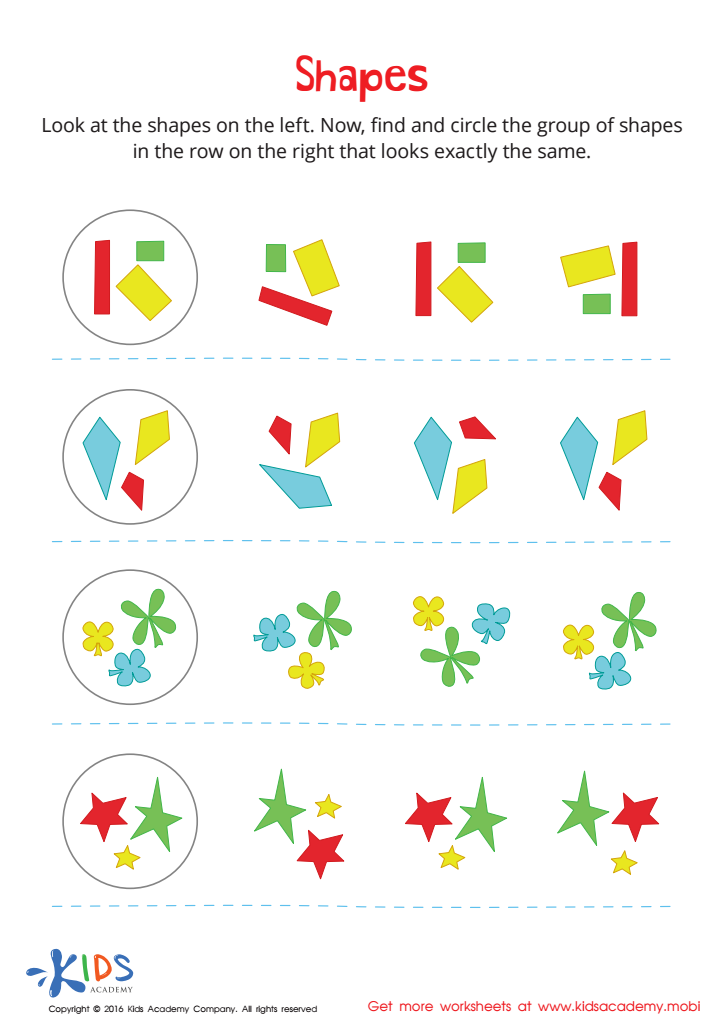
Shapes Worksheet
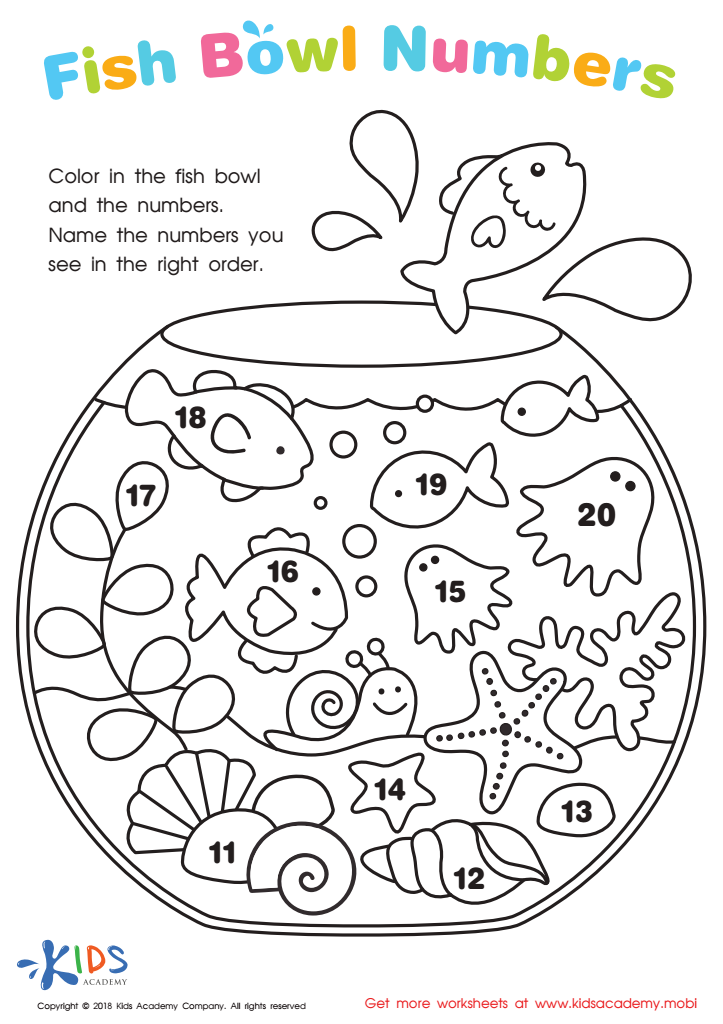
Fish Bowl Numbers Worksheet
Assign to My Students
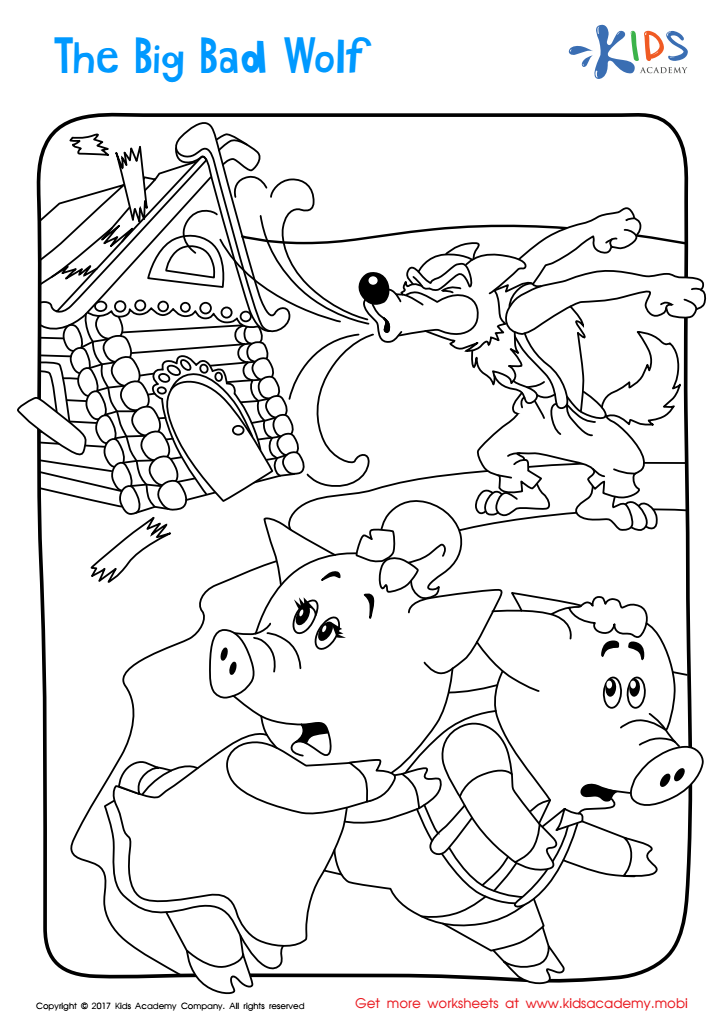
Big Bad Wolf Printable Coloring Page
Assign to My Students








Color recognition is a fundamental skill that plays a crucial role in early childhood development. For children aged 4-5, engaging in "Color Recognition Extra Challenge" activities can offer significant cognitive, educational, and emotional benefits.
Firstly, learning colors enhances cognitive development by improving memory, attention, and critical thinking. When children differentiate and categorize colors, they engage their brains in a way that sharpens mental processes and builds a foundation for more complex learning tasks in the future.
Secondly, color recognition is directly tied to language development. As children learn the names of colors, they expand their vocabulary and enhance their communication skills. Discussing colors and their variations can lead to rich conversations that help children articulate their thoughts more clearly.
Educationally, color knowledge is foundational for subjects like math and science. Understanding color patterns and sequences can aid in problem-solving and logical reasoning. For example, recognizing patterns is a precursor to sequencing skills necessary for math.
Moreover, color activities contribute to the development of fine motor skills. Games that involve sorting colored objects or coloring within lines help strengthen hand-eye coordination and dexterity.
Emotionally, successfully identifying and naming colors boosts children’s confidence and self-esteem. It’s a tangible skill that they can master, fostering a sense of accomplishment.
Hence, parents and teachers should place importance on color recognition challenges to provide a well-rounded developmental boost in the early, formative years.








