Logical thinking Extra Challenge Worksheets for Ages 4-5
8 filtered results
-
From - To
Discover our engaging "Logical Thinking Extra Challenge Worksheets for Ages 4-5," designed to foster critical thinking skills in young learners. These thoughtfully crafted worksheets provide fun and stimulating activities that encourage children to recognize patterns, solve problems, and make connections. Ideal for parents and educators, our extra challenges make logical thinking accessible and enjoyable, blending educational value with play. Each worksheet is tailored to complement developmental milestones, ensuring kids grasp key concepts while having fun. Explore our collection today to support your child's cognitive growth and ignite their curiosity through interactive learning experiences! Perfect for at-home practice or classroom use.
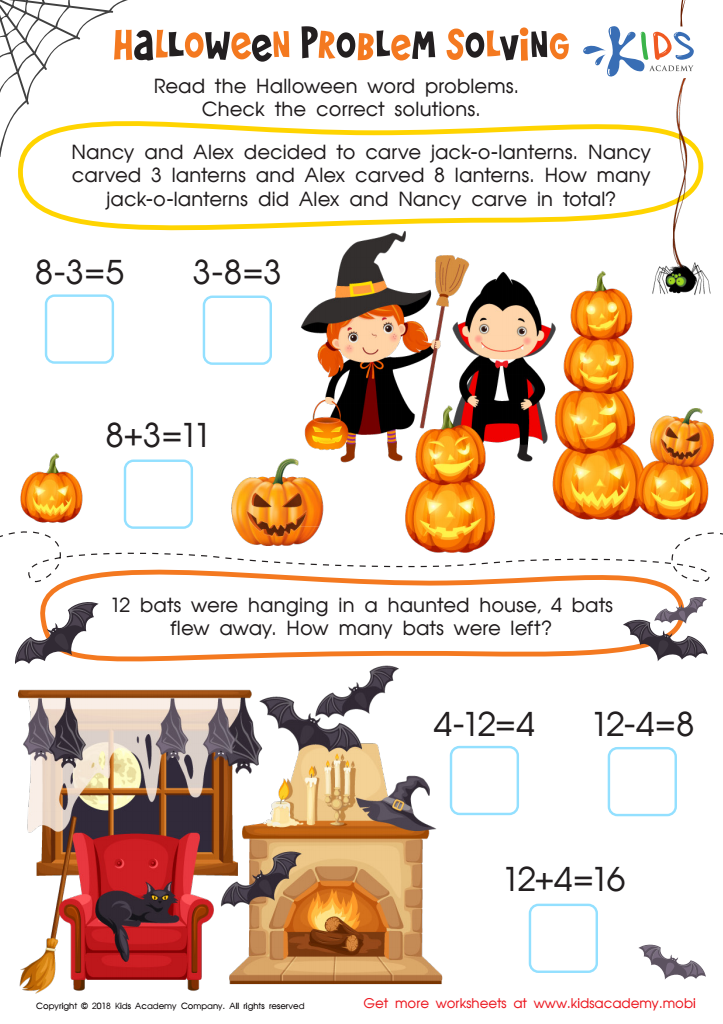
Halloween Problem Solving Worksheet
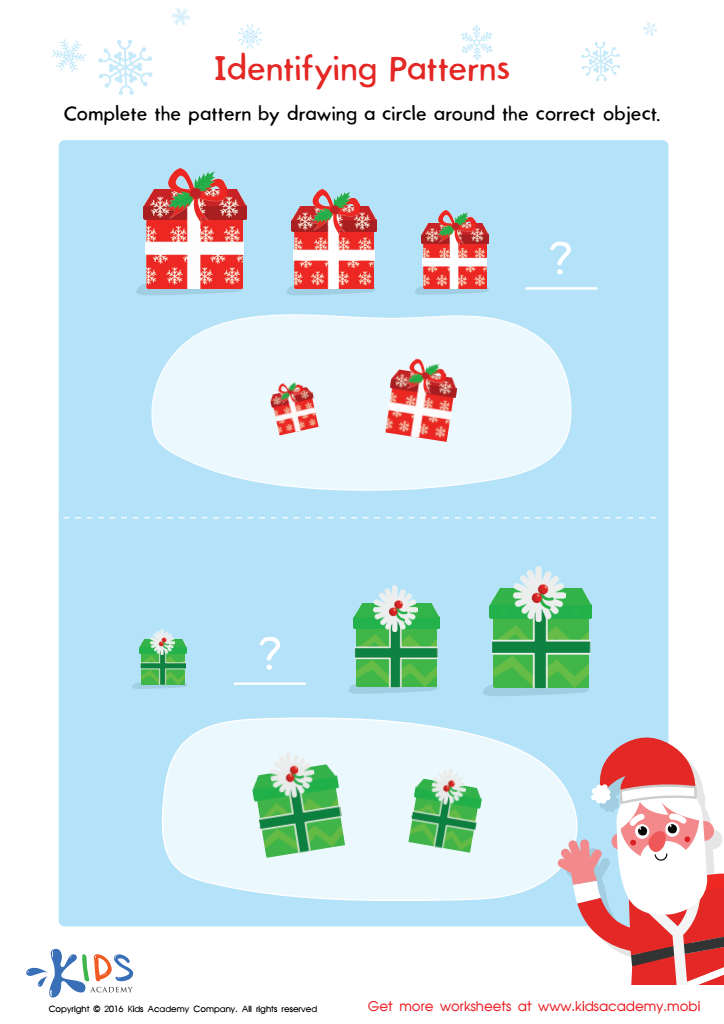
Identifying Patterns Worksheet
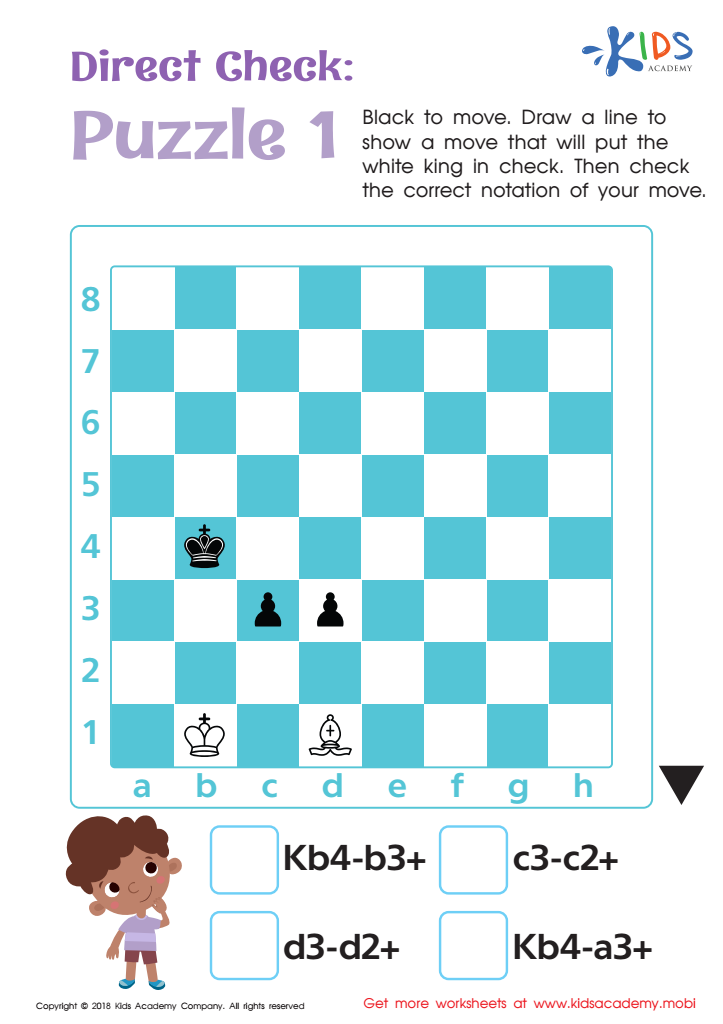
Direct Check: Puzzle 1 Worksheet
Magic Numbers Worksheet
 Assign to My Students
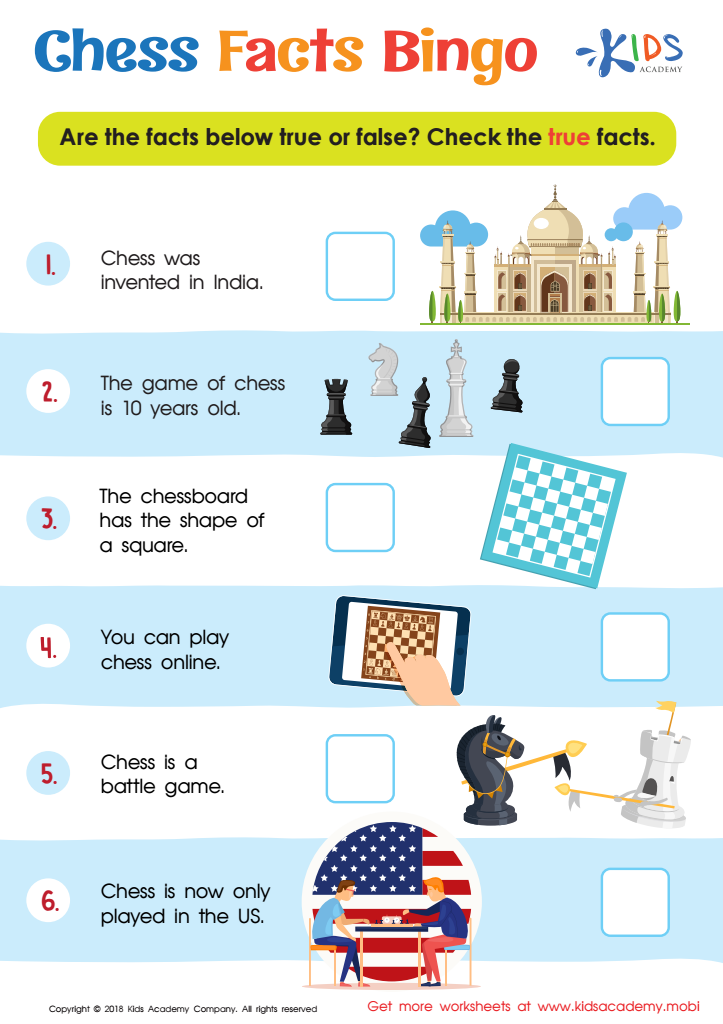
Chess Facts Bingo Worksheet
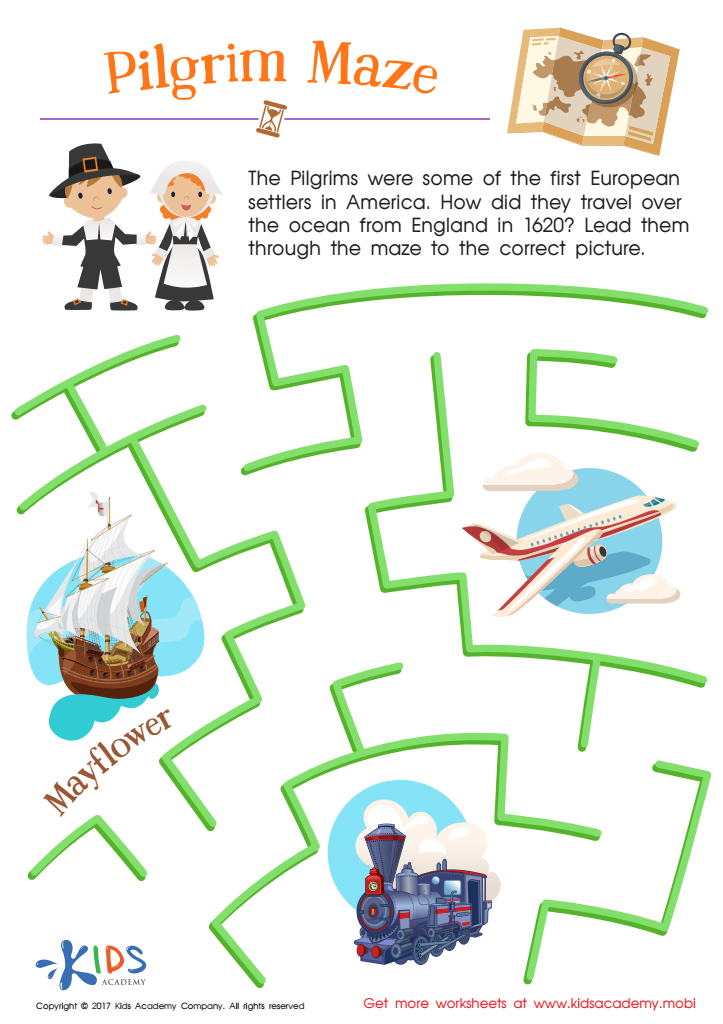
Pilgrim Maze Worksheet
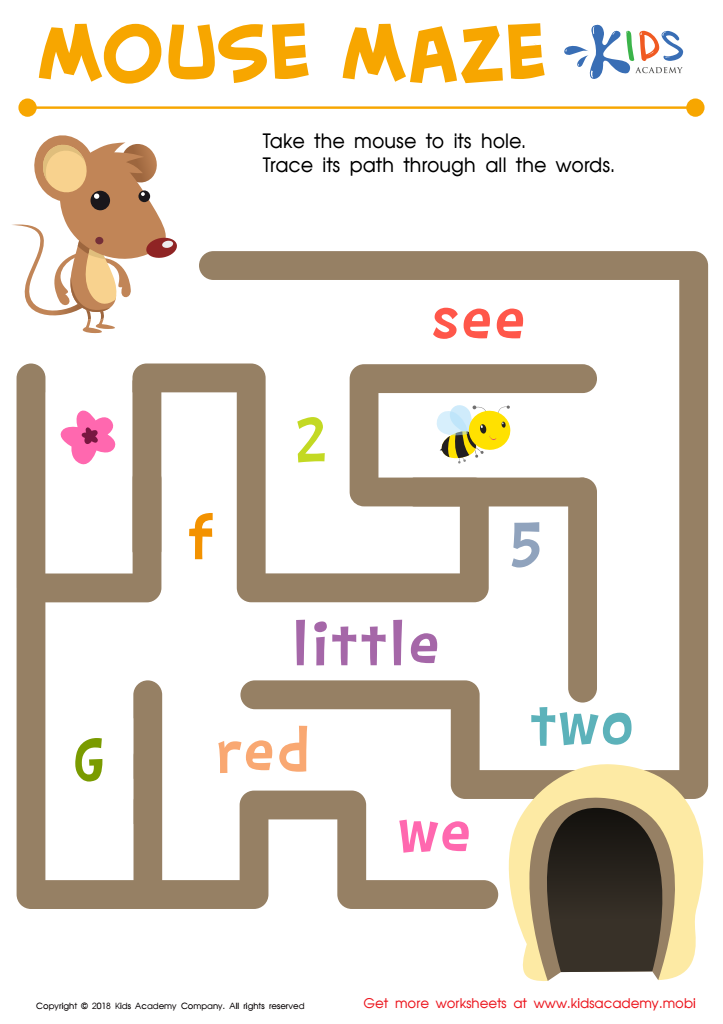
Find Words Mouse Maze Worksheet
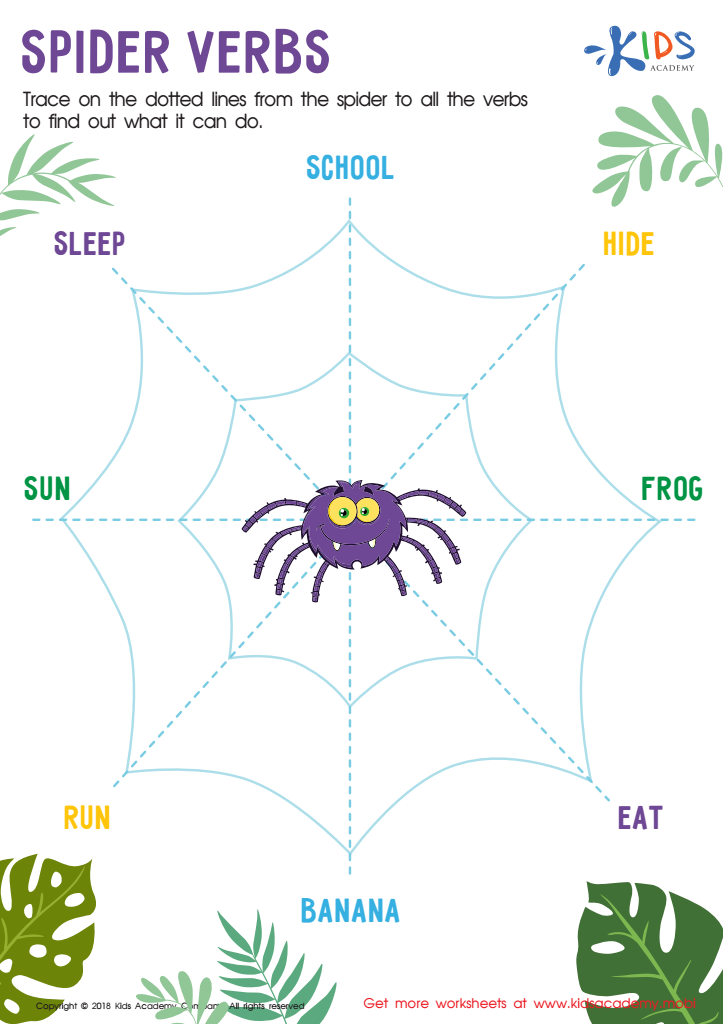
Spider Verbs Worksheet







Logical thinking is a critical skill for young children, serving as the foundation for problem-solving and decision-making throughout their lives. For parents and teachers, nurturing logical thinking in ages 4-5 through extra challenges is essential for several reasons.
Firstly, engaging children in logical thinking activities fosters cognitive development. Using puzzles, sorting games, or open-ended questions encourages kids to identify patterns, make connections, and draw conclusions, all of which enhance their cognitive abilities.
Secondly, logical thinking promotes math readiness. Children who practice reasoning skills are often better prepared for concepts like counting, patterns, and basic operations, ensuring a strong foundation for future math learning.
Moreover, fostering emotional and social skills is critical. As children tackle logical puzzles or collaborate on challenges, they learn to communicate, negotiate, and think critically about their ideas. This teamwork builds confidence and creativity.
Lastly, investing in logical thinking extra challenges cultivates a lifelong love for learning. When children experience the satisfaction of solving problems or completing challenging tasks, they develop resilience and curiosity about the world around them.
Ultimately, supporting logical thinking during this formative stage equips children with essential skills that will benefit them academically and personally in the years to come.








