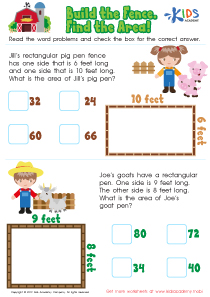
Pattern recognition Extra Challenge Matching Worksheets for Ages 4-5
3 filtered results
-
From - To
Discover our "Pattern Recognition Extra Challenge Matching Worksheets" designed specifically for children aged 4-5! These engaging worksheets are perfect for young learners ready to enhance their cognitive skills through fun activities. They encourage children to identify, match, and extend patterns, promoting critical thinking and concentration. Each worksheet comes with colorful illustrations to keep kids motivated and excited about learning. Whether in the classroom or at home, these worksheets provide an excellent opportunity for practice and skill development. Help your little ones become expert pattern finders and nurture their love for learning with our interactive resources! Perfect for early math foundations!
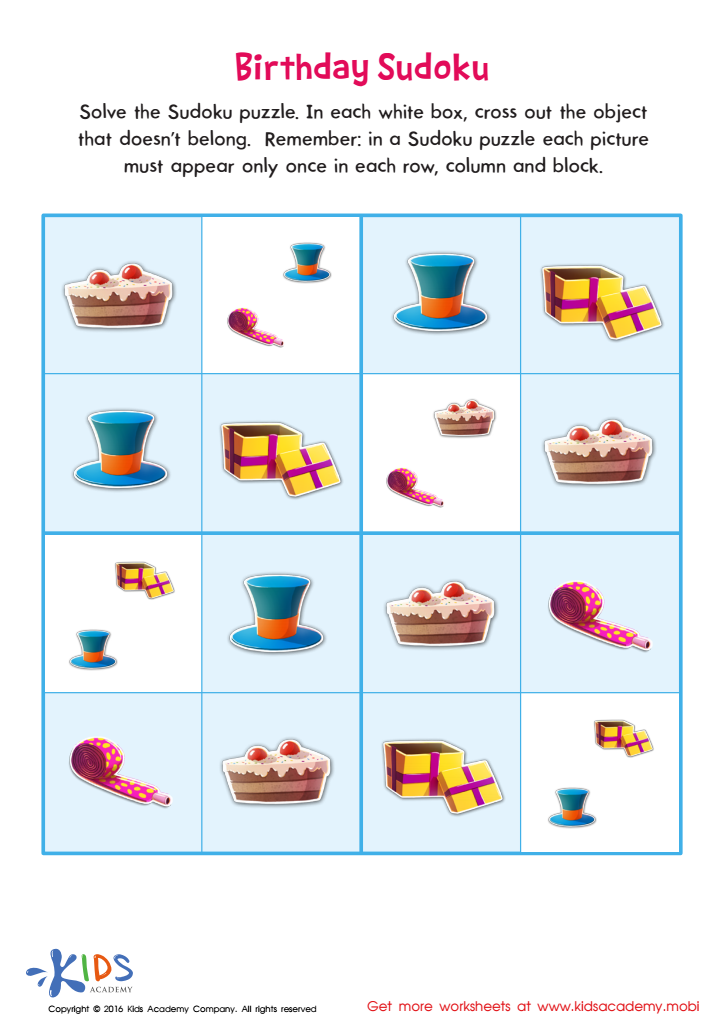
Birthday Sudoku Sorting Worksheet
 Assign to My Students
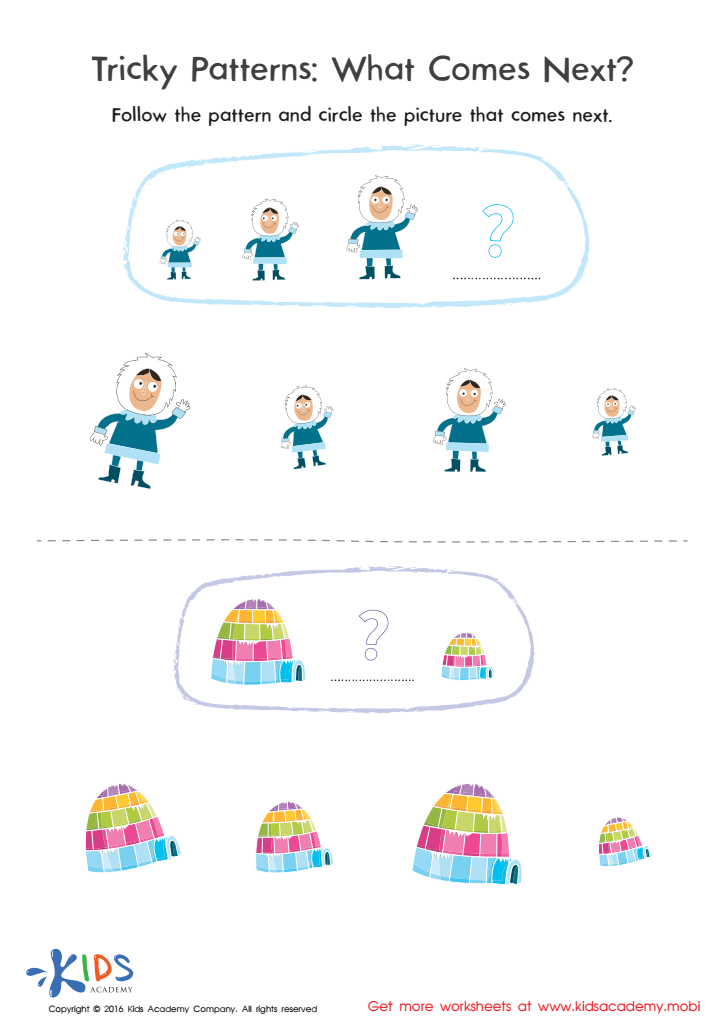
Tricky Patterns Size Worksheet
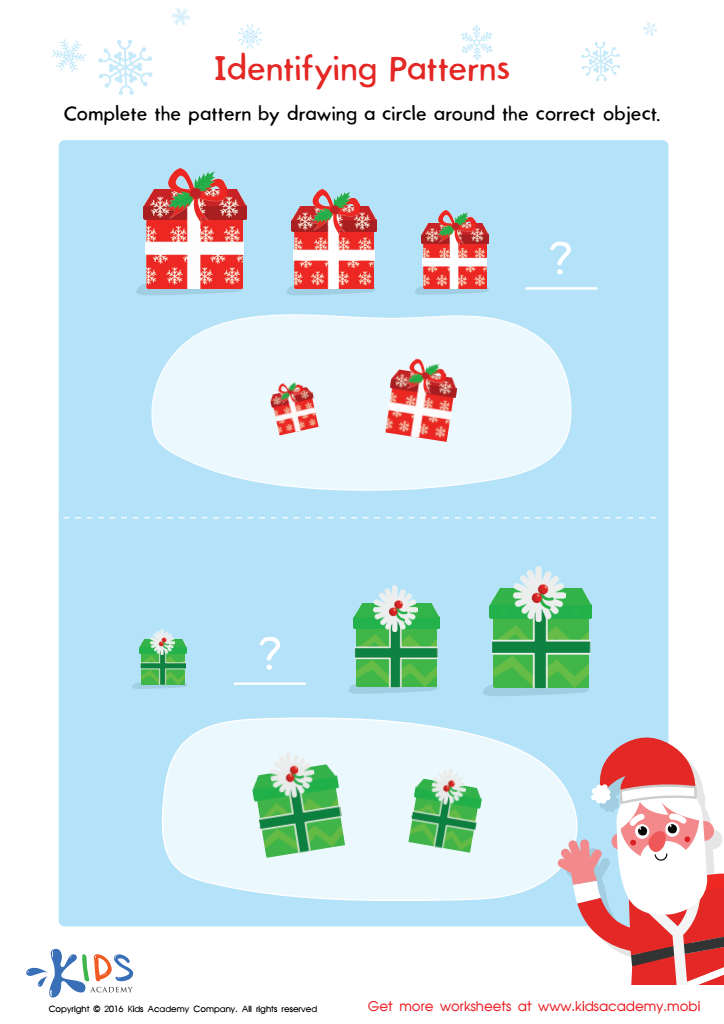
Identifying Patterns Worksheet







Pattern recognition is a fundamental cognitive skill that serves as a building block for many areas of learning, especially for children aged 4-5. Engaging children in activities like the “Pattern Recognition Extra Challenge Matching” helps to stimulate critical thinking, problem-solving abilities, and overall cognitive development. By recognizing patterns, children learn to identify sequences, make predictions, and categorize information, which are essential skills in math, science, and literacy.
For parents and teachers, supporting pattern recognition not only enhances academic skills but also promotes social-emotional development. As children work together to match patterns, they practice communication, teamwork, and patience. Such interactions foster a sense of belonging and enhance their ability to collaborate with peers.
Moreover, these activities serve as a springboard for creativity and exploration. When children understand patterns, they can express themselves more freely in art, music, and storytelling, enhancing their creative abilities.
Ultimately, investing time in pattern recognition activities provides a solid foundation that empowers children to become independent learners. This early preparation aids in school readiness and sets the stage for lifelong learning, making it crucial for parents and educators to prioritize these exercises in early childhood education.