Handwriting practice Extra Challenge Letter Recognition Worksheets for Ages 4-6
5 filtered results
-
From - To
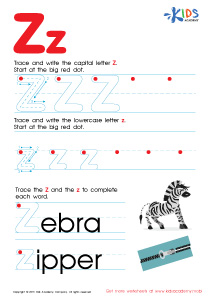
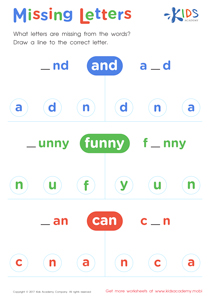
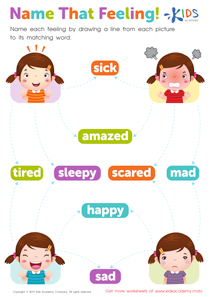
Enhance your child's writing skills with our "Handwriting Practice Extra Challenge Letter Recognition Worksheets for Ages 4-6"! Specifically designed for young learners, these engaging worksheets focus on reinforcing letter recognition, improving fine motor skills, and mastering handwriting. Each sheet presents fun and interactive tasks that keep kids motivated while practicing different letters in various styles. Ideal for early learners who are ready to take their writing abilities to the next level, our worksheets provide both educational value and an extra challenge. Perfect for parents and teachers looking for effective resources to support children’s early literacy journey.
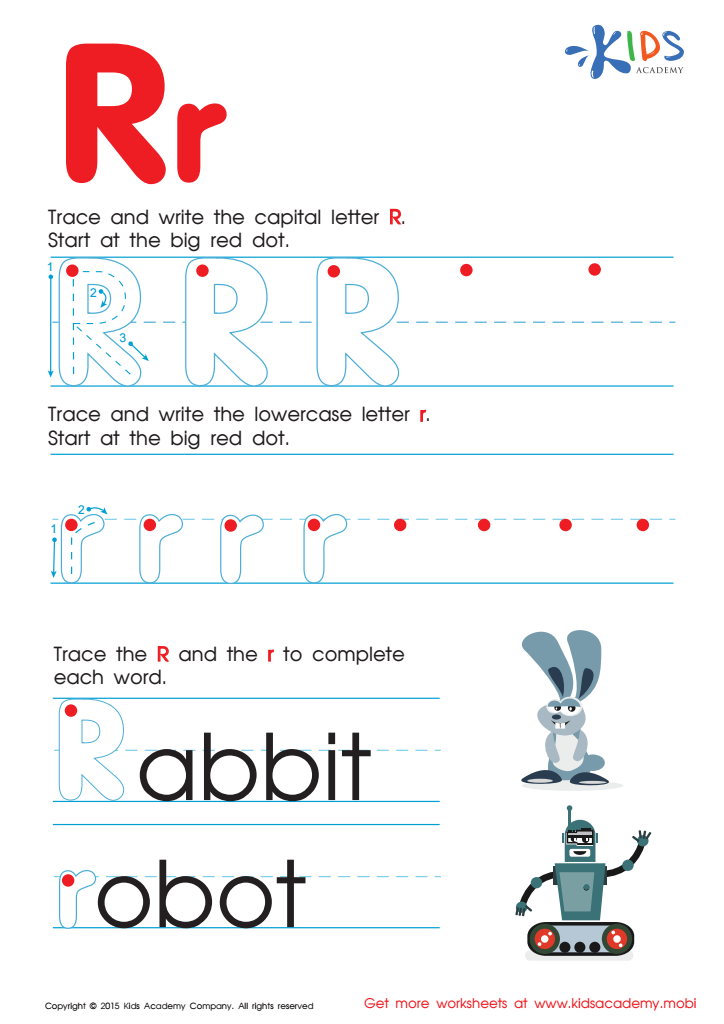
Letter R Tracing Page
 Assign to My Students
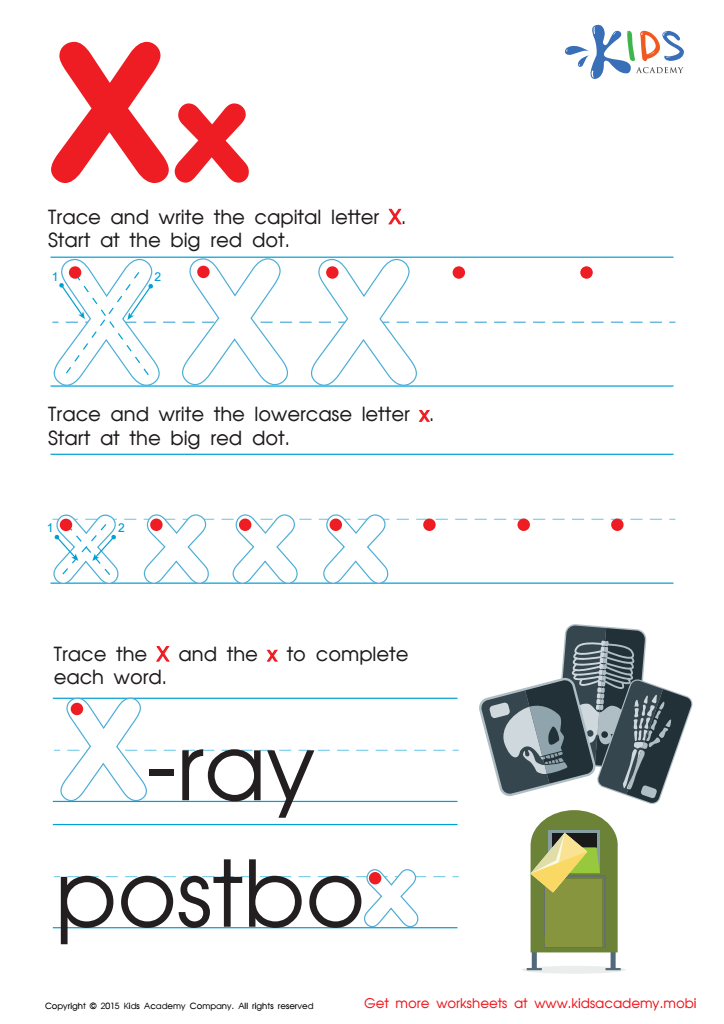
Letter X Tracing Page
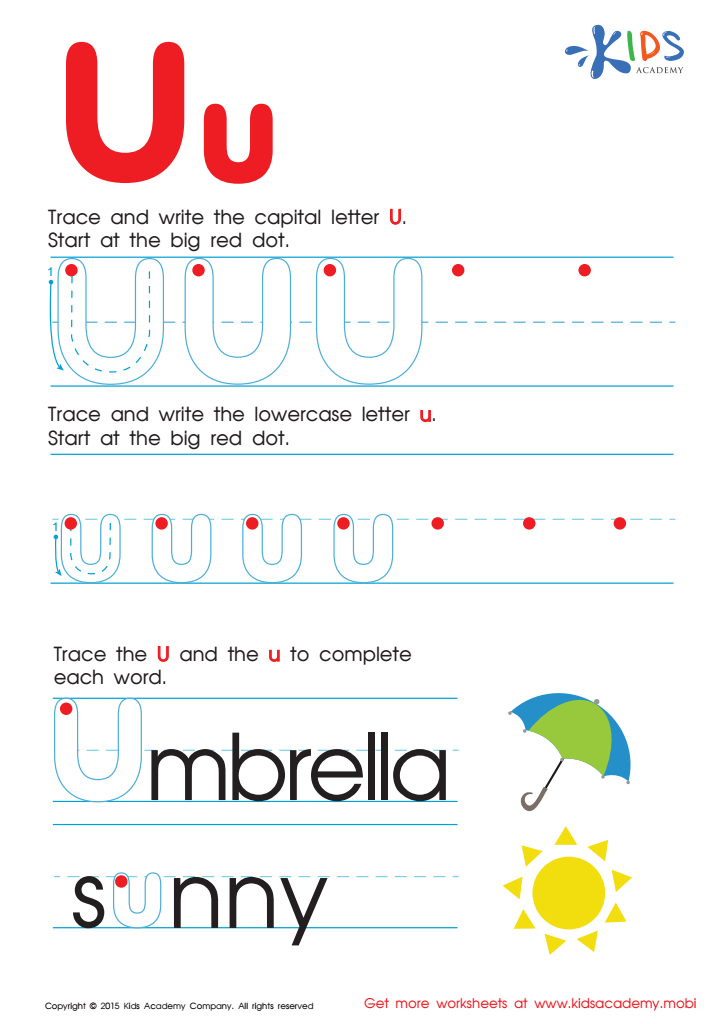
Letter U Tracing Page
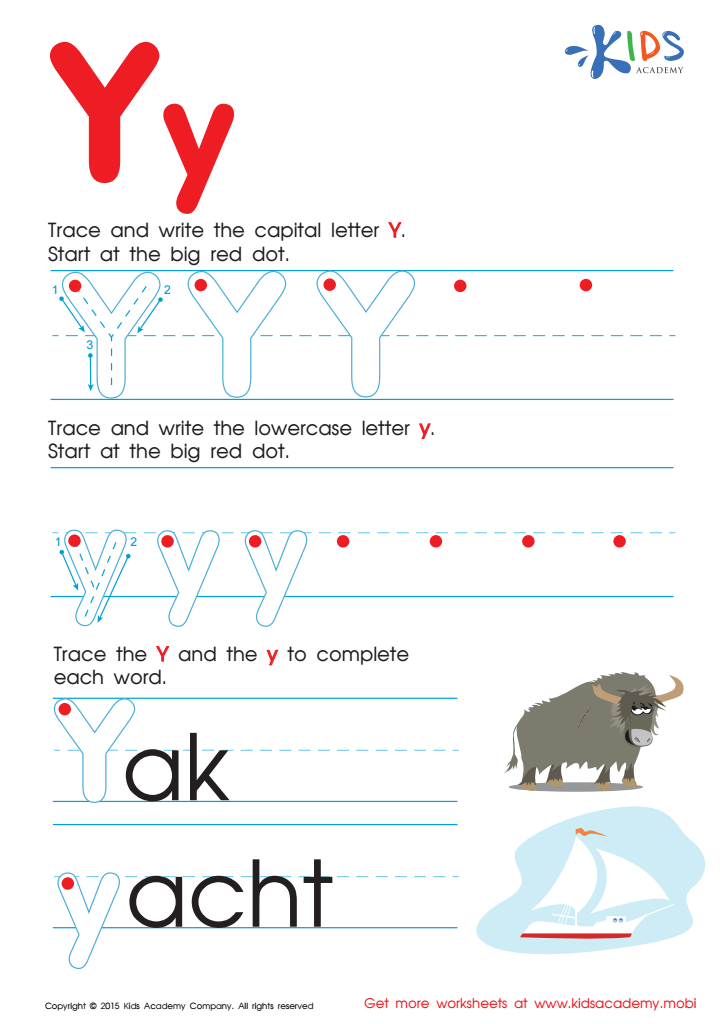
Letter Y Tracing Page
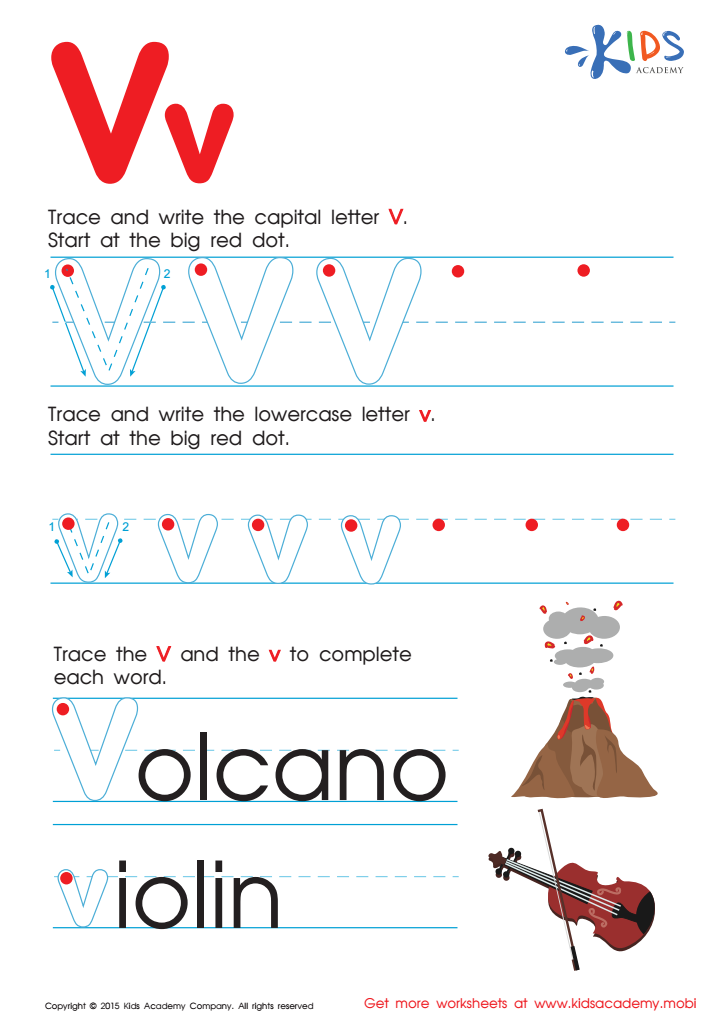
Letter V Tracing Page








Handwriting practice and extra challenge letter recognition are pivotal for young children aged 4-6 because these early years are foundational for literacy development. Handwriting practice helps refine fine motor skills, enabling children to express themselves more effectively and legibly as they grow. By practicing handwriting, children also learn the correct formation of each letter, which is crucial for their writing fluency.
Extra challenge letter recognition activities bolster their familiarity with the alphabet, enhancing reading capabilities. Recognizing letters quickly and accurately is a critical precursor to decoding words, which is the basis of reading proficiency. This recognition helps them connect letters with corresponding sounds, a process instrumental in developing phonemic awareness.
Engaging in these practices reinforces neural pathways involved in both cognitive and motor skills. It fosters sustained focus and concentration, essential for academic success across subjects. Additionally, early proficiency in handwriting and letter recognition builds a child's confidence, making learning more enjoyable and less frustrating.
Furthermore, in a world increasingly reliant on digital communication, the foundational skills derived from handwriting practice are linked with better memory retention and overall brain development. Thus, parents and teachers should prioritize these activities to equip children with critical skills necessary for their future learning adventures.