Letter recognition Extra Challenge English for Beginners Worksheets for Ages 4-6
7 filtered results
-
From - To
Introducing our "Letter Recognition Extra Challenge" English worksheets designed for beginners aged 4-6. These engaging printables are perfect for young learners who need an extra boost in identifying and understanding letters. Developed by Kids Academy, these worksheets feature fun and interactive exercises that help reinforce letter recognition, fine motor skills, and foundational literacy. Ideal for ESL students, each activity offers a playful approach to learning with vibrant visuals and captivating tasks. Make early literacy exciting and effective—explore our "Letter Recognition Extra Challenge" worksheets today to give your child the head start they deserve!
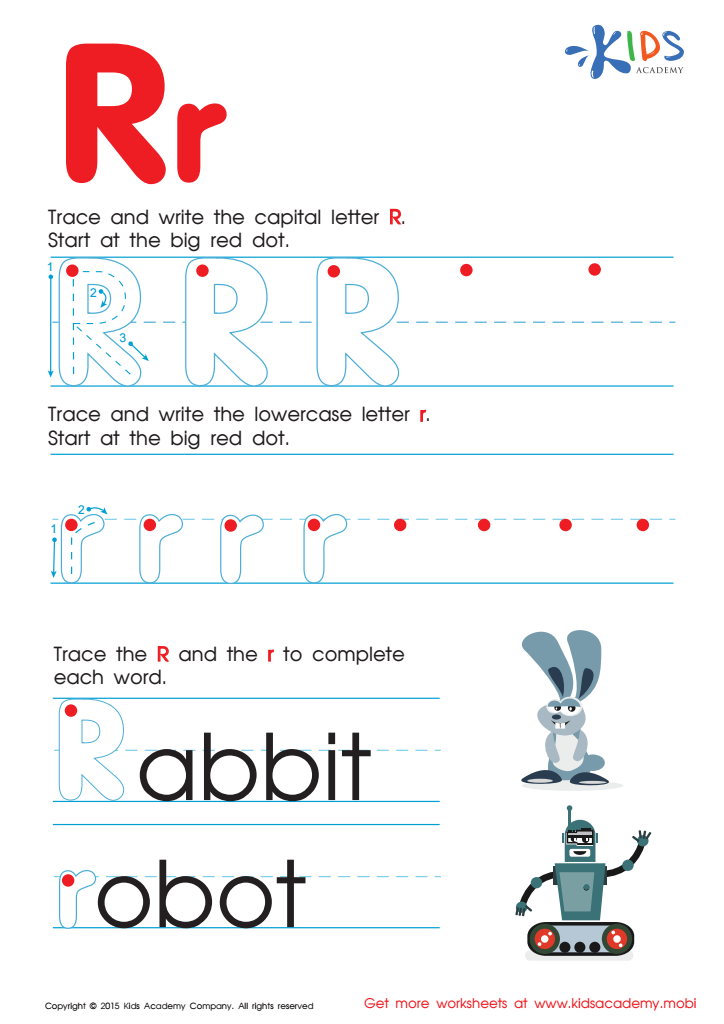
Letter R Tracing Page
 Assign to My Students
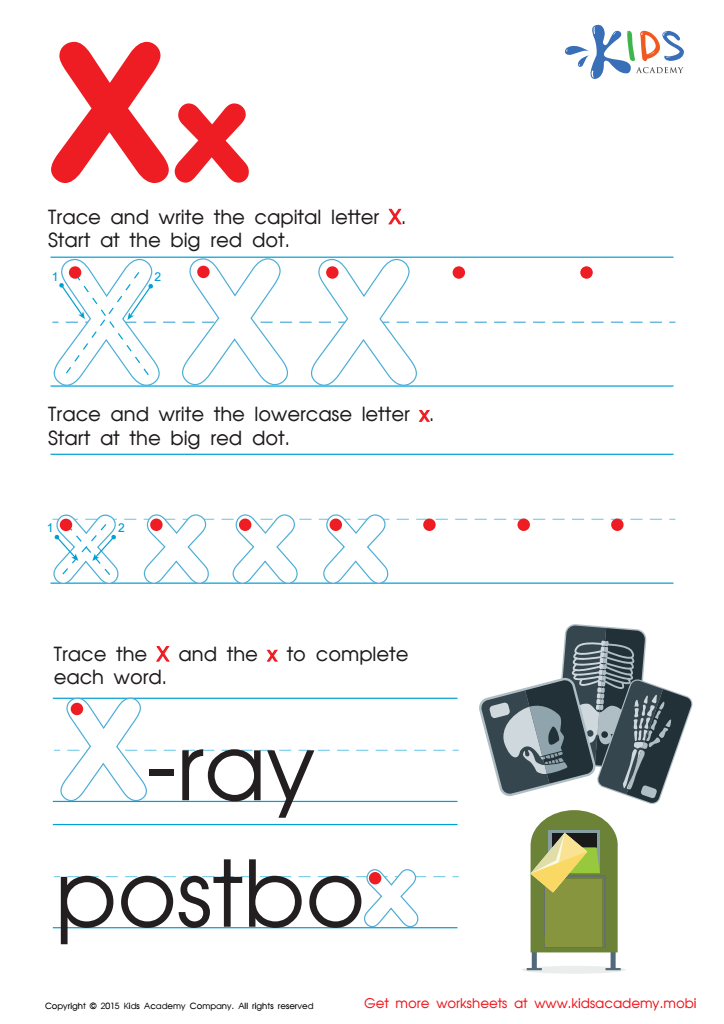
Letter X Tracing Page
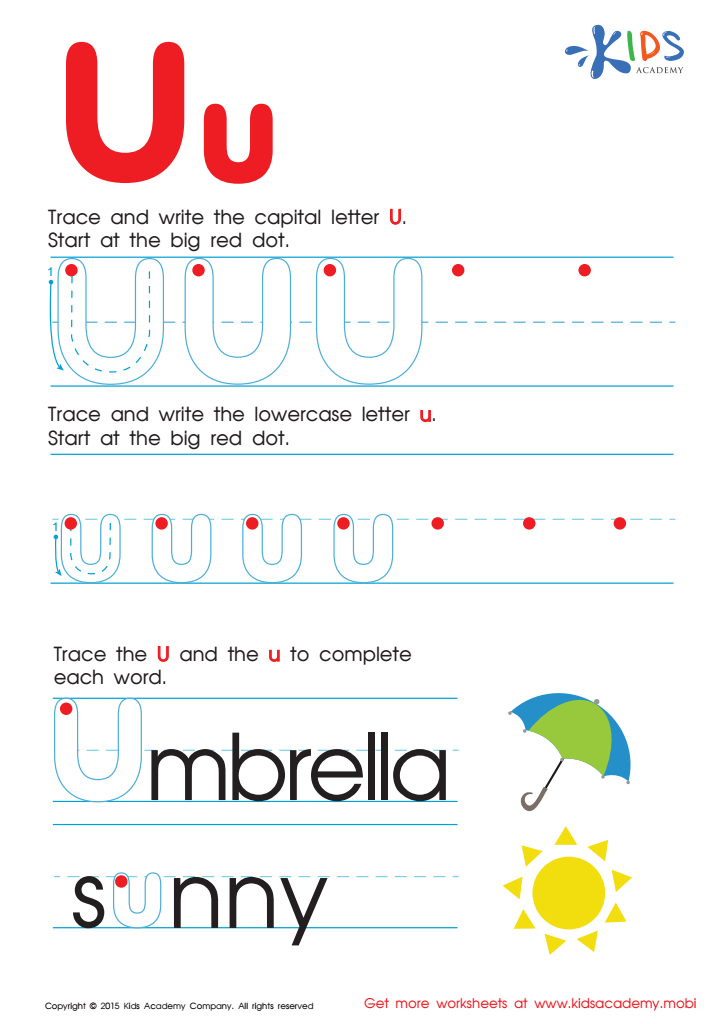
Letter U Tracing Page
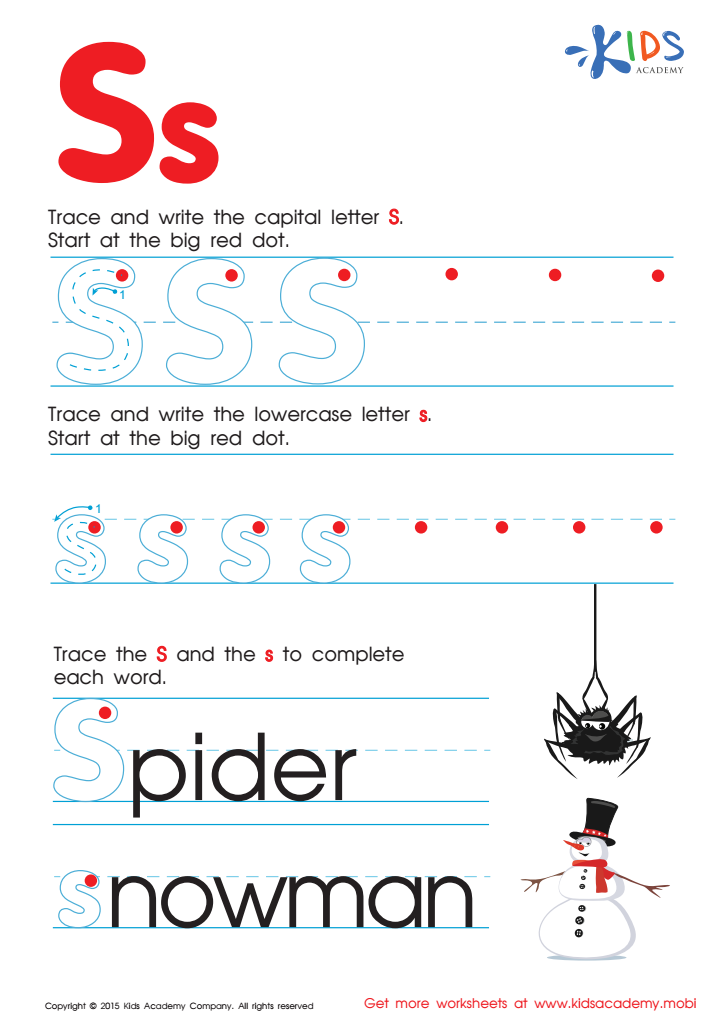
Letter S Tracing Page
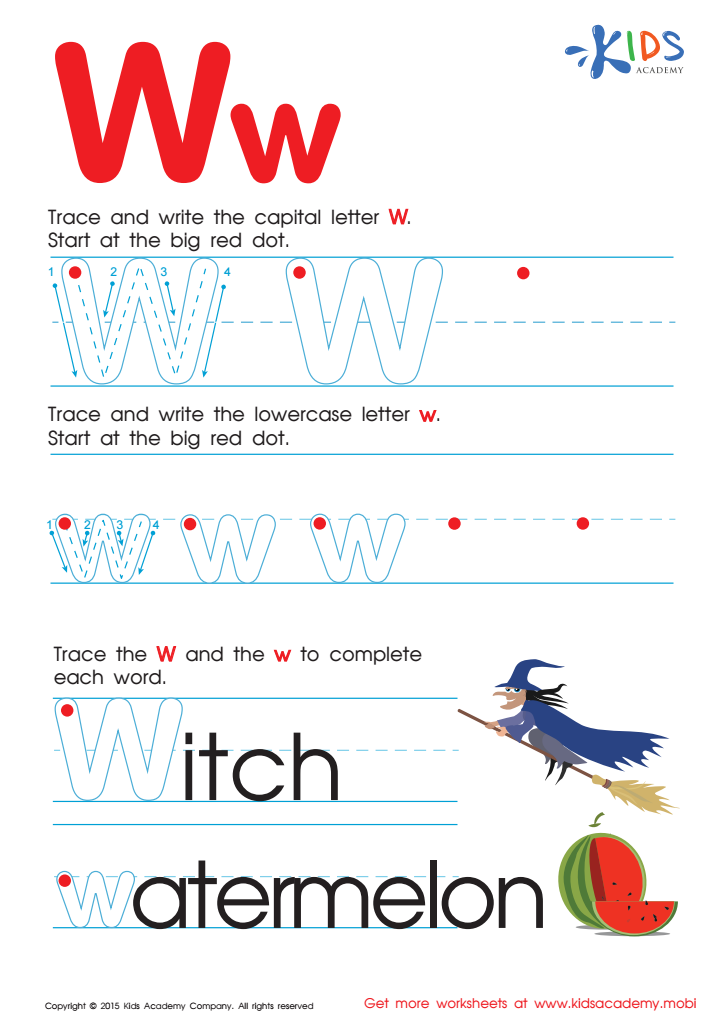
Letter W Tracing Page
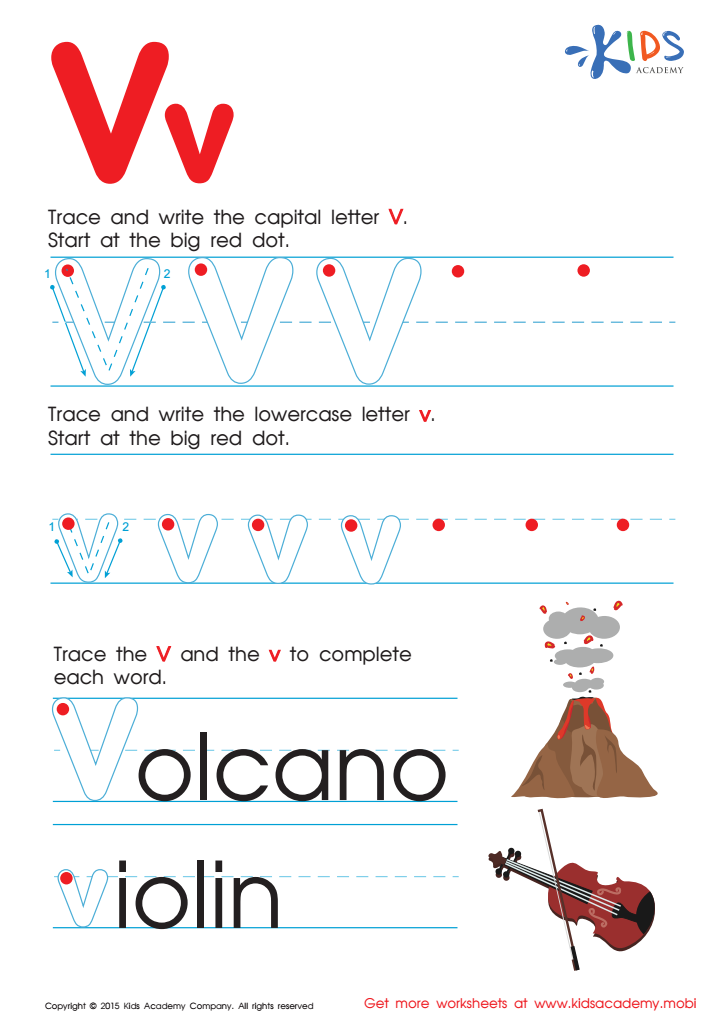
Letter V Tracing Page
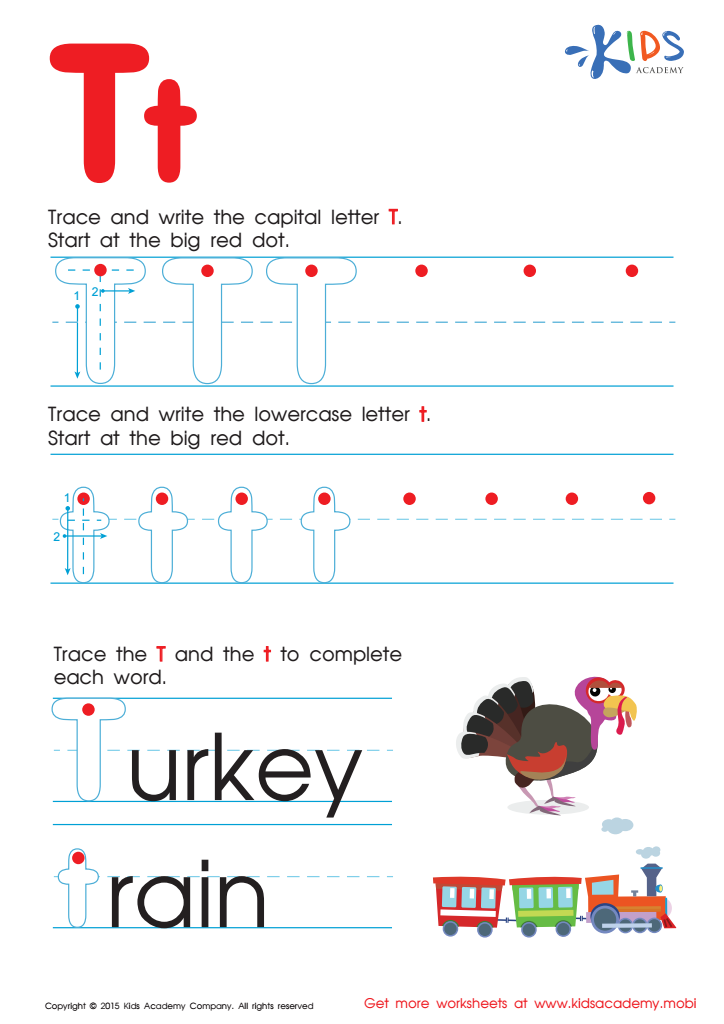
Letter T Tracing Page





Letter recognition is a foundational skill that serves as the cornerstone for literacy development. Introducing an extra challenge in Letter Recognition English for beginners aged 4-6 offers a host of benefits that go beyond the basic identification of letters.
Firstly, early exposure to advanced letter recognition exercises can stimulate cognitive development. Children who can recognize and differentiate between letters with greater accuracy are better prepared to decode words and sentences, paving the way for smoother and more confident reading abilities. This in turn fosters a love for reading, as it becomes less frustrating and more enjoyable.
Secondly, it aids in developing precise motor skills. Many letter recognition activities require tracing, matching, or writing, which enhances hand-eye coordination and fine motor skills. Combining these exercises with playful elements can make learning engaging, capturing the children's natural curiosity and keeping them motivated.
Thirdly, early mastery of letter recognition can boost self-esteem. Children who see themselves progressing are likely to experience a sense of accomplishment that encourages further learning and exploration. This positive reinforcement can enhance general academic performance and social interactions.
Lastly, as foundational skills solidify at this crucial developmental stage, children will be more equipped to tackle more complex linguistic challenges, such as reading comprehension and vocabulary development, in later grades.
Engaging young learners in these extra challenges sets them up for long-term educational success, creating confident, skilled, and enthusiastic readers.








