Basic Math Skills Extra Challenge Worksheets for Ages 4-6 - Page 2
27 filtered results
-
From - To
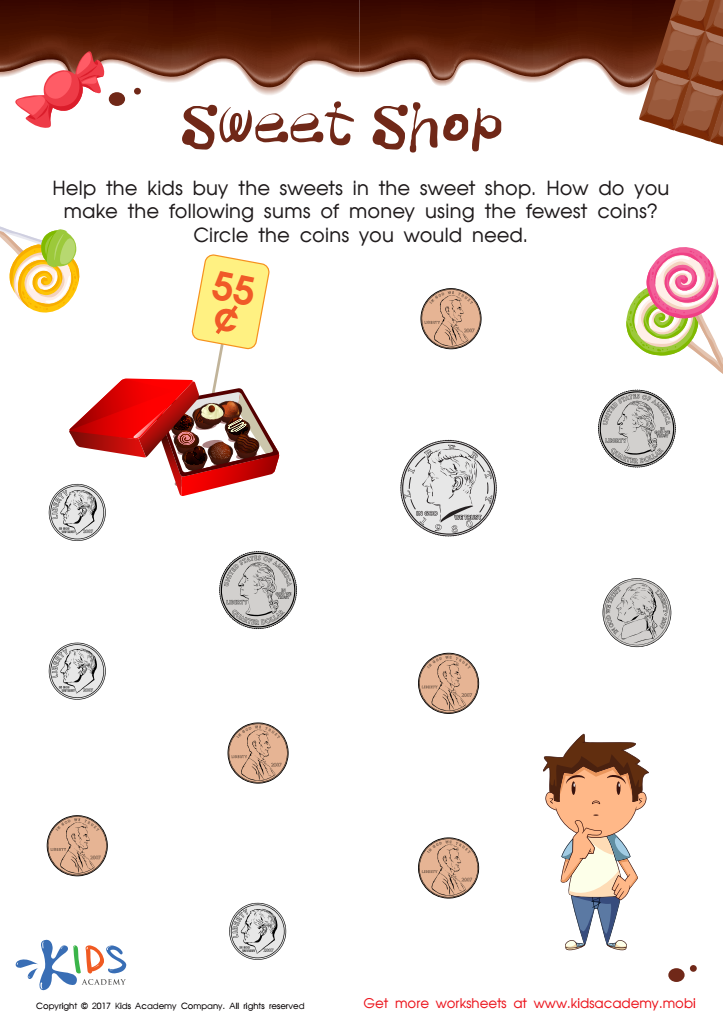
Sweet Shop – Counting Coins Worksheet
 Assign to My Students
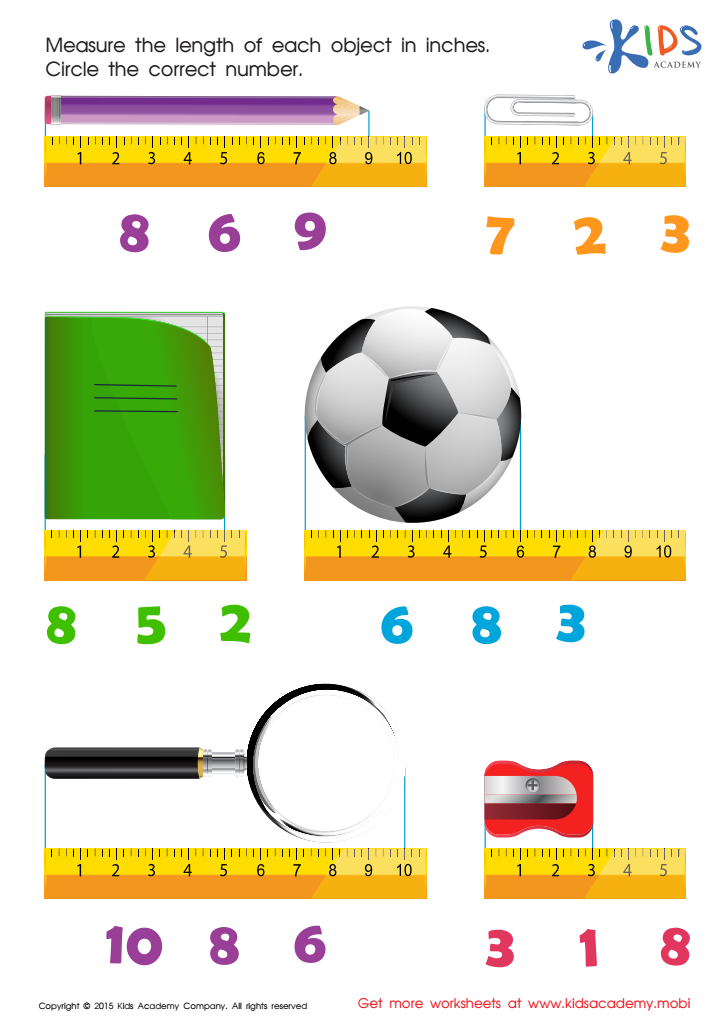
Learning measuring objects in inches Worksheet
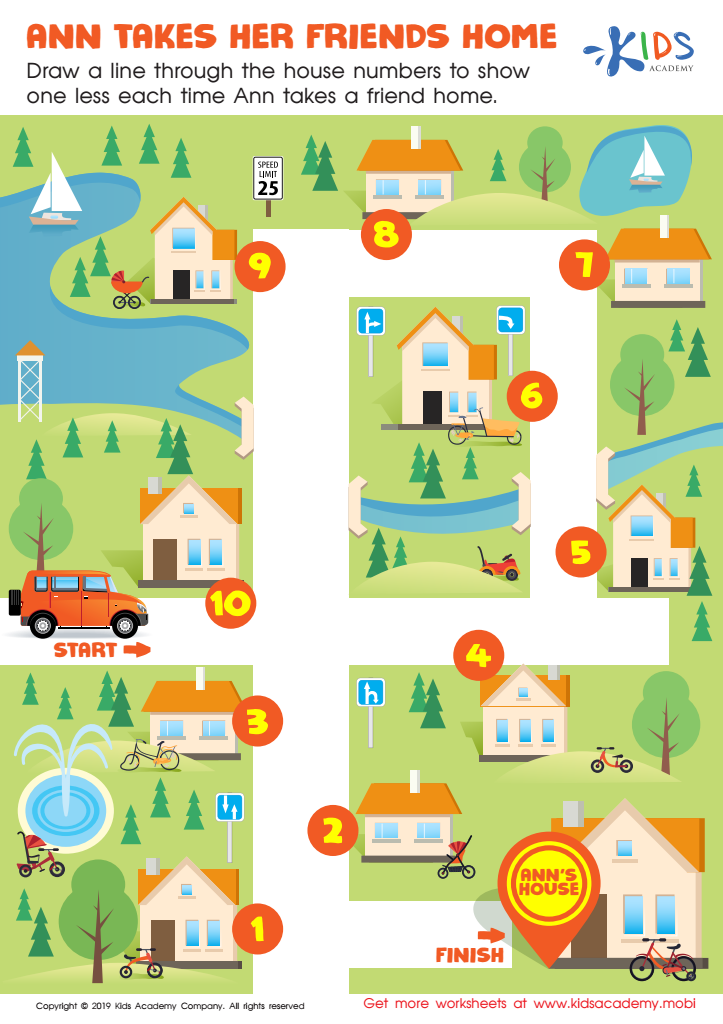
Ann Takes her Friends Home Worksheet


.jpg)





Parents and teachers should place a strong emphasis on enhancing basic math skills for children aged 4-6 because these early years are crucial for cognitive development and foundational learning. Engaging young children in math challenges strengthens their number sense, an essential building block for more advanced mathematical concepts. During this critical developmental window, children who engage in fun and stimulating math activities are more likely to develop a positive attitude towards math, seeing it not as a tedious chore, but rather as an enjoyable and rewarding activity.
Early math skills are closely associated with later academic success, not just in mathematics but across various subjects. Strong number sense and early problem-solving abilities pave the way for logical thinking and analytical skills, fostering intellectual growth. Moreover, these skills support everyday tasks, like counting, making comparisons, and recognizing patterns, which are vital for effective day-to-day functioning.
Math challenges tailored specifically for this age group, such as counting games, simple addition, and pattern recognition, also enhance fine motor skills, focus, and concentration. They provide an opportunity for children to use manipulatives, engage in hands-on activities, and interact socially with peers or adults through collaborative problem-solving. Ultimately, these enriching experiences set the foundation for lifelong learning and curiosity, equipping children with the confidence and skills to tackle increasingly complex tasks as they grow.








