Observational skills Extra Challenge Worksheets for Ages 4-6
3 filtered results
-
From - To
Our "Observational Skills Extra Challenge Worksheets for Ages 4-6" are designed to sharpen young minds through engaging and fun activities. These worksheets encourage children to notice details, enhancing their attention to small nuances in their environment. Challenges range from finding differences between images to tracing and matching exercises – all aimed to improve focus and cognitive skills. Each worksheet is crafted to suit the developmental stage of 4-6-year-olds, making learning intriguing and effective. Whether for home use or in the classroom, these observational worksheets provide an extra layer of challenge to stimulate children's growth and curiosity.
Explore and download today!
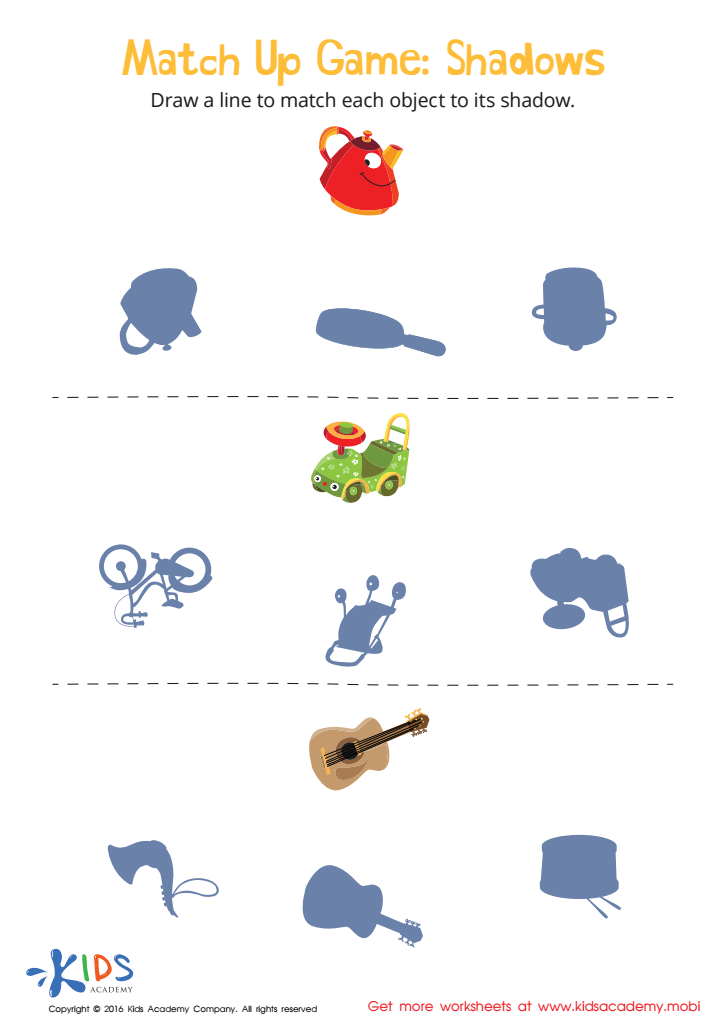
 Assign to My Students
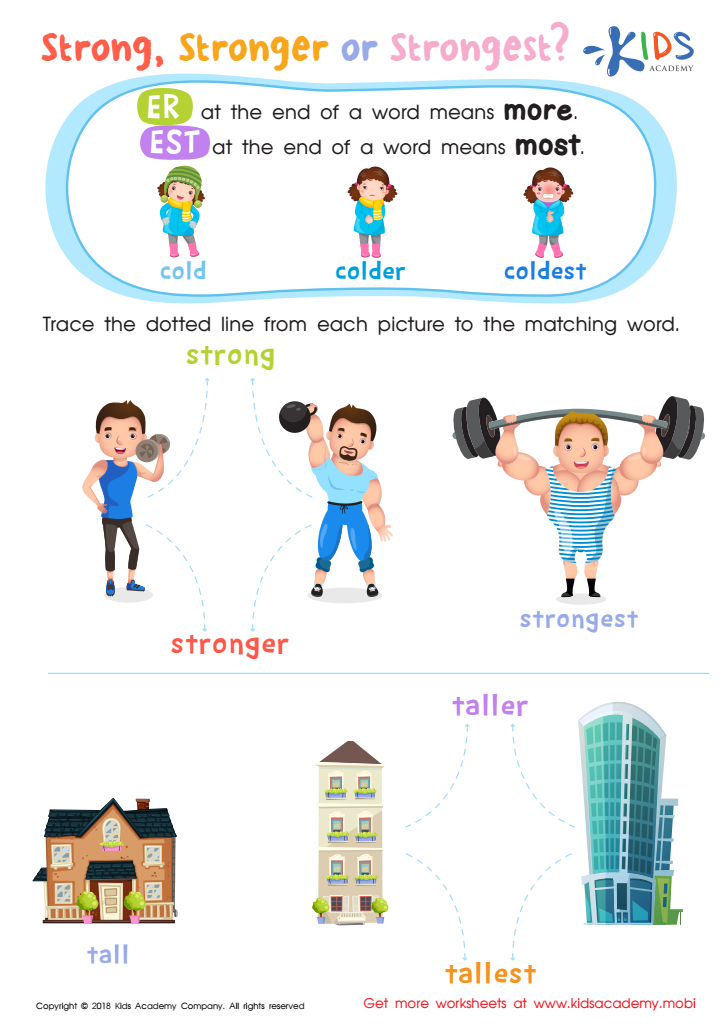
Strong or Stronger? Worksheet
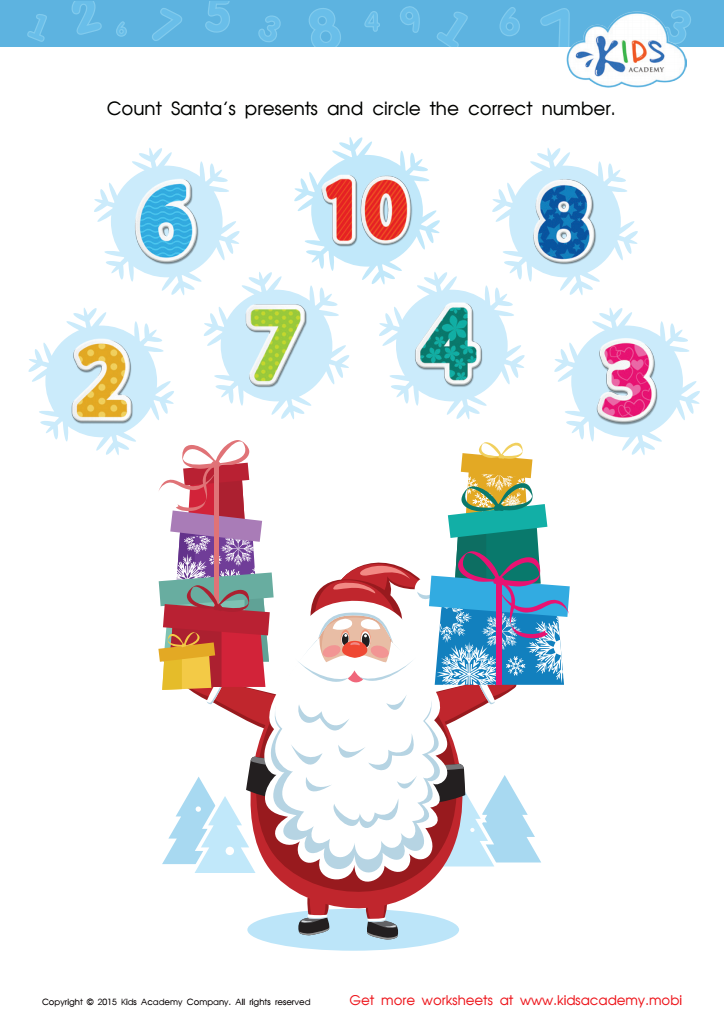
Count Santa's Presents Worksheet








Observational skills are crucial for the development of young children, serving as the foundation for learning and understanding the world around them. For children aged 4-6, enhancing these skills through extra challenges is particularly beneficial. Observational skills encompass the ability to notice and discern details, patterns, and subtle differences in their environment, which are crucial stepping stones to cognitive development.
Parents and teachers should care about providing extra challenges in observational skills because this practice strengthens children's abilities to concentrate and focus. This, in turn, can improve their performance in academic tasks, such as reading and solving math problems. A well-honed observation skillset also boosts memory retention and critical thinking, as children learn to integrate and recall detailed information.
In a classroom setting, improved observational skills can aid social development, helping children to better understand non-verbal cues and emotions in others by noticing facial expressions and body language. This fosters empathy and effective communication. At home, parents can engage their children in fun observational games that make learning enjoyable while simultaneously building these essential skills.
Overall, emphasizing observational challenges in early childhood sets a strong foundation for lifelong learning and problem-solving abilities, making it a critical area of focus for parents and teachers alike.








