Understanding patterns Extra Challenge Worksheets for Ages 4-6
4 filtered results
-
From - To
Unlock advanced cognitive skills with our “Understanding Patterns Extra Challenge Worksheets” designed for ages 4-6! These colorful and engaging worksheets help young learners recognize, build, and extend patterns, promoting critical thinking and problem-solving skills. Perfect for kids ready to go beyond basics, each sheet is tailored to challenge and stimulate developing minds. Using a variety of fun themes and illustrations, children will enjoy spotting differences, sequencing objects, and predicting what comes next. Give your young ones a rewarding head start in math and logical reasoning with these essential educational tools. Ideal for home or classroom use!
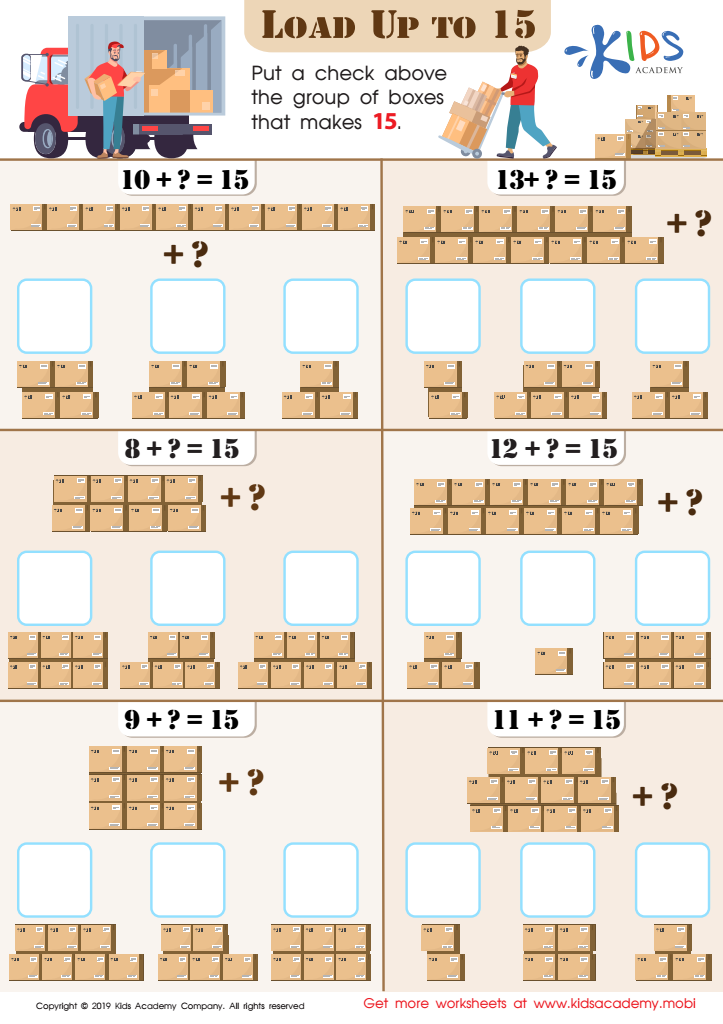
Load up to 15 Worksheet
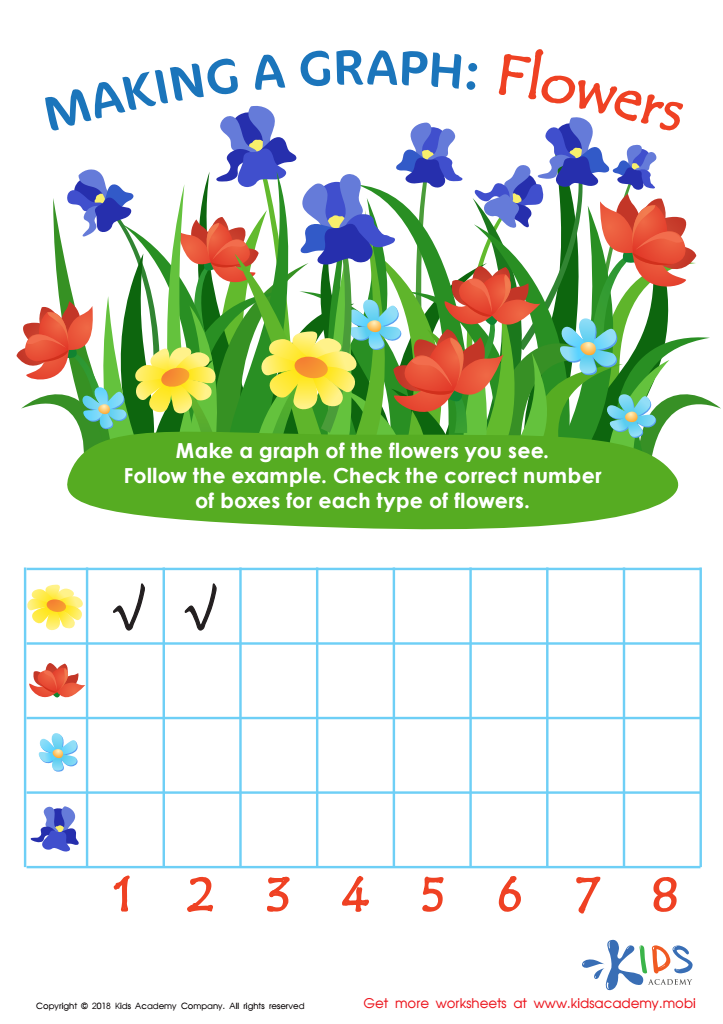
Making a Graph: Flowers Worksheet
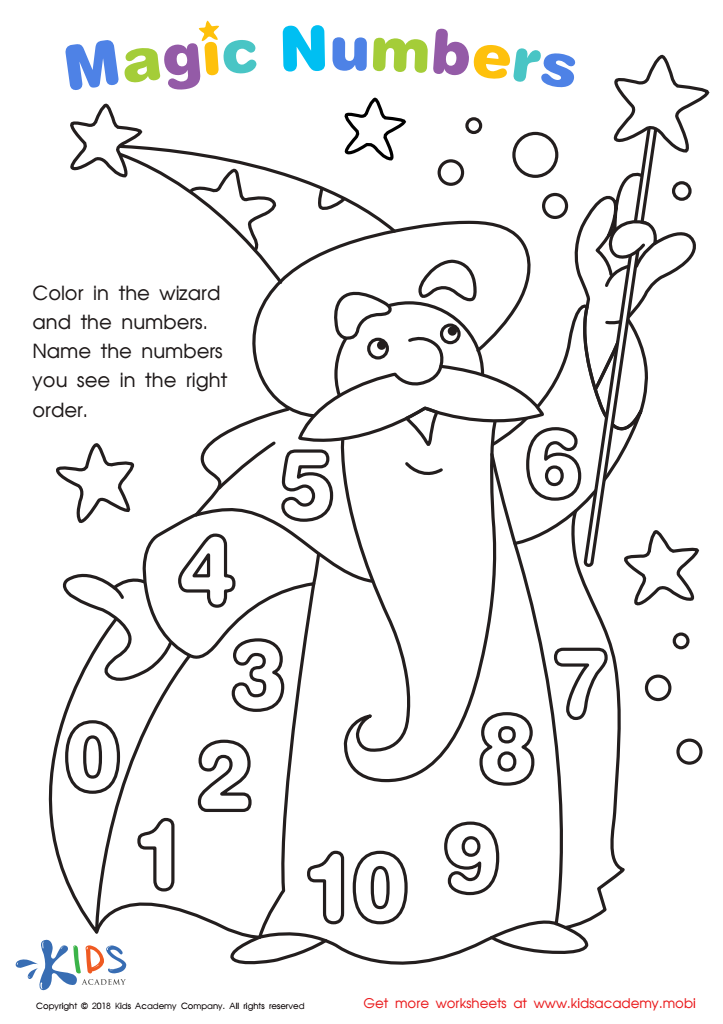
Magic Numbers Worksheet
 Assign to My Students
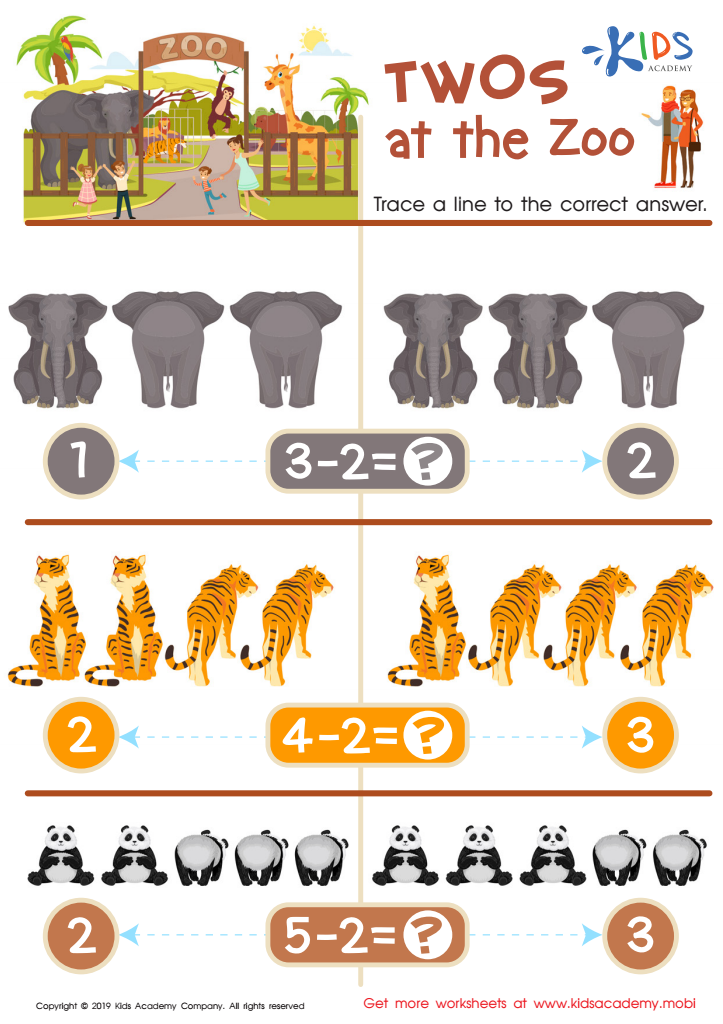
Twos at the Zoo Worksheet







Understanding patterns plays a fundamental role in early childhood development, especially for children aged 4-6. For parents and teachers, emphasizing this skill can have numerous benefits that extend beyond simple pattern recognition.
Patterns help children develop critical thinking skills. By recognizing and predicting patterns, young learners start to grasp logical sequences and relationships, which are foundational for math and science later on. This cognitive skill also enhances problem-solving abilities, allowing children to work through complex issues methodically.
Social-emotional learning is another area improved by pattern recognition. When children identify and create patterns, they build confidence and a sense of achievement. These small successes promote a positive attitude towards learning new concepts and tackling challenges.
Furthermore, language development is intertwined with patterns. Understanding repetitive and rhythmic patterns in stories, songs, and rhymes aids in vocabulary expansion and comprehension skills. This lays a groundwork for effective communication and literacy.
Patterns also bolster memory and behavioral expectations. Recognizing daily routines (another form of pattern) enables children to predict what happens next, aiding their sense of security and organization.
In summary, emphasizing pattern recognition for ages 4-6 can create a multi-faceted early education experience, fostering cognitive, emotional, and social growth essential for future academic and life success.








