Cognitive Development Extra Challenge 2D Shapes Worksheets for Ages 4-6
4 filtered results
-
From - To
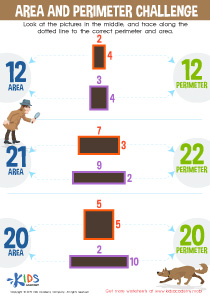
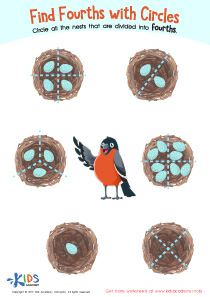
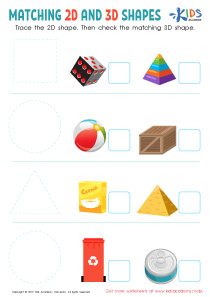
Introduce your young learners to an exciting new activity with our "Cognitive Development Extra Challenge: 2D Shapes Worksheets for Ages 4-6." These captivating worksheets are designed to strengthen children's cognitive skills by engaging them in identifying, comparing, and manipulating various 2D shapes. Perfect for enhancing their visual-spatial intelligence, problem-solving abilities, and critical thinking, these exercises provide a fun and educational experience tailored to early learners. Watch as your child's confidence and competence with shapes soar while they enjoy the vibrant and interactive challenges designed just for them. Ideal for home or classroom use!
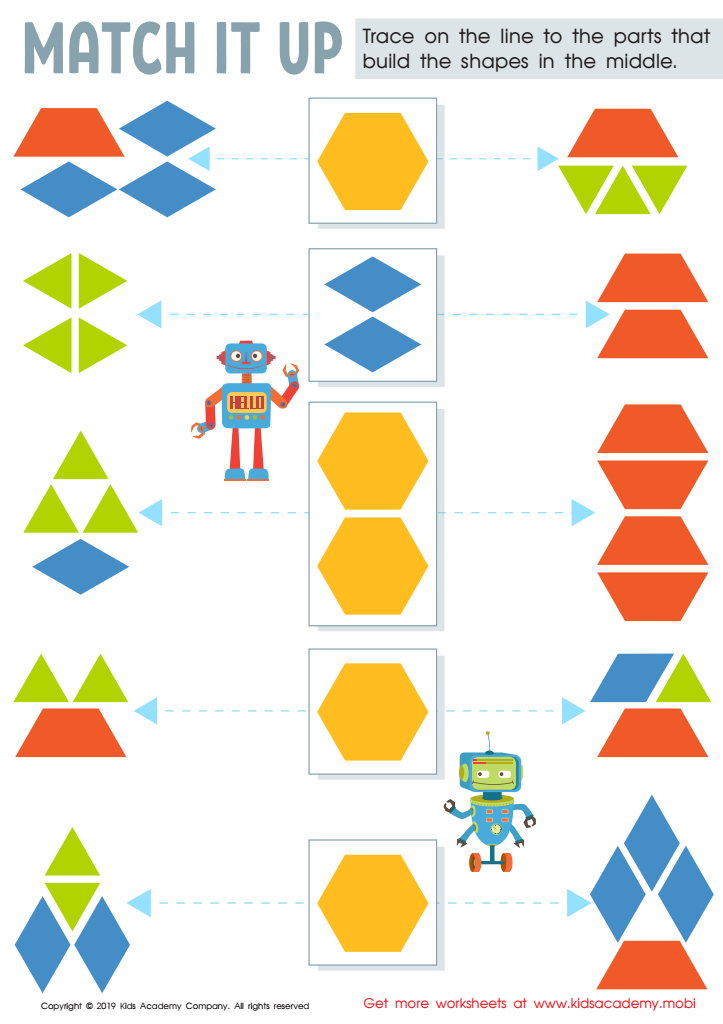
Match It up Worksheet
 Assign to My Students

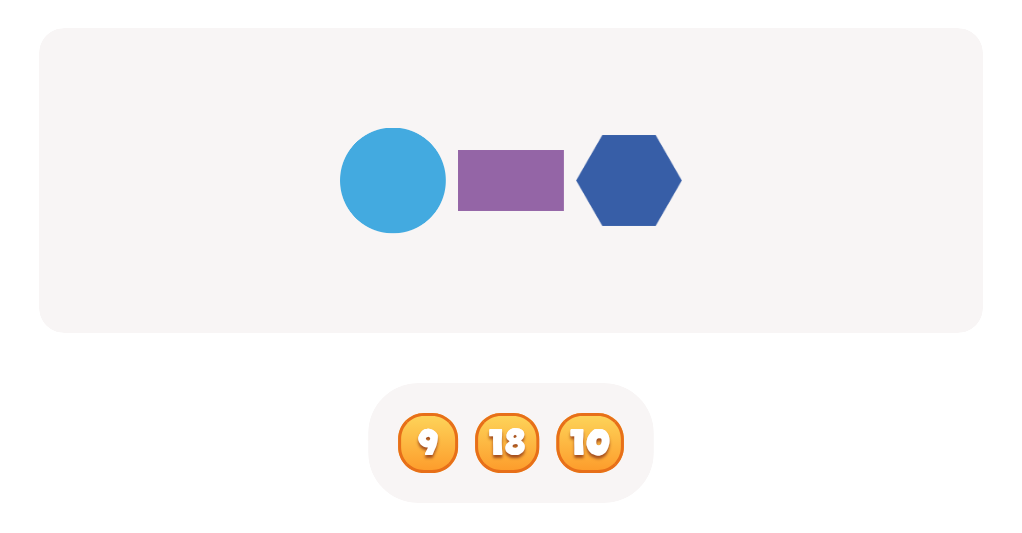
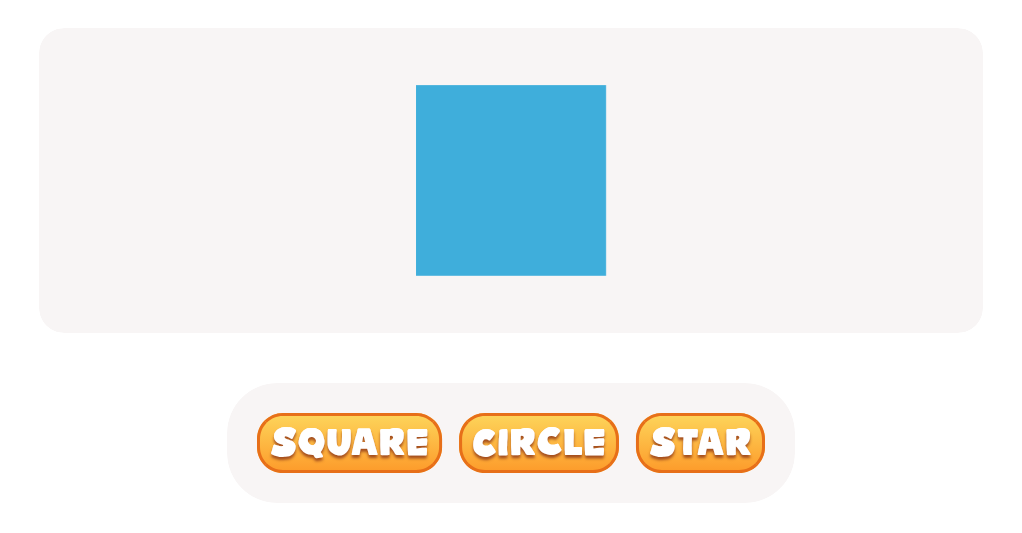
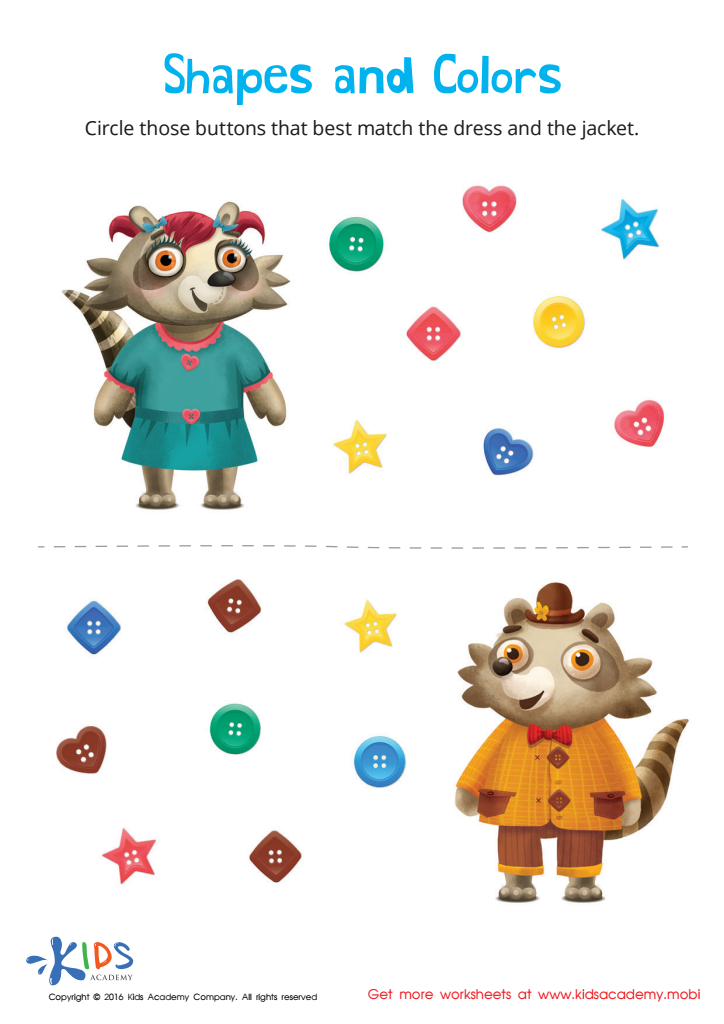
Matching: Shapes and Colors Worksheet
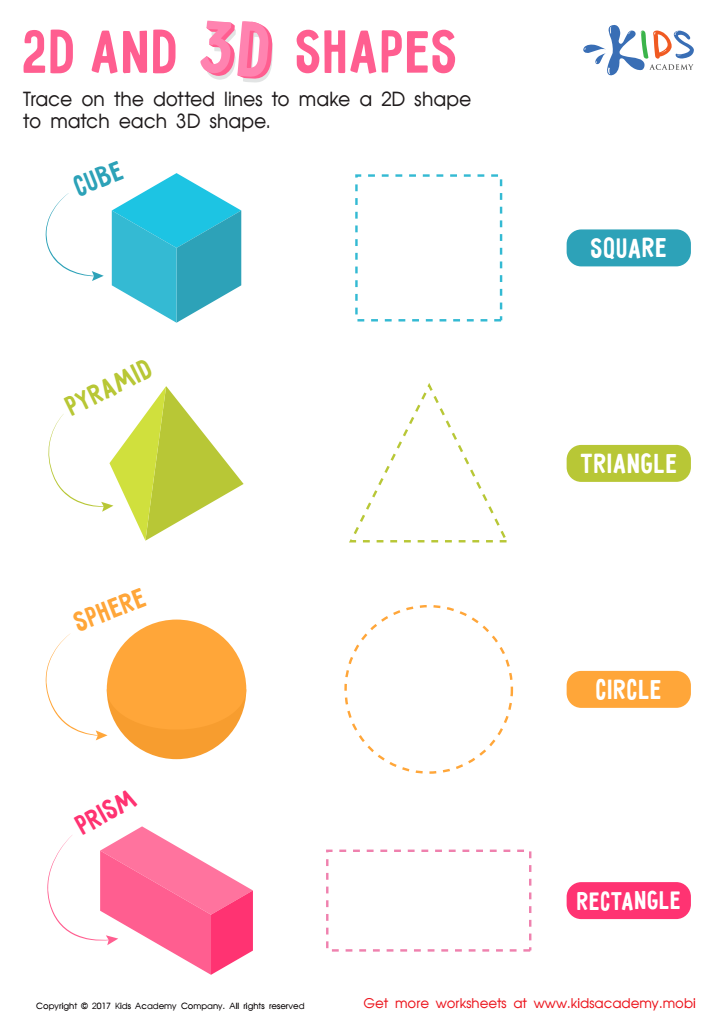
2D and 3D Shapes Worksheet
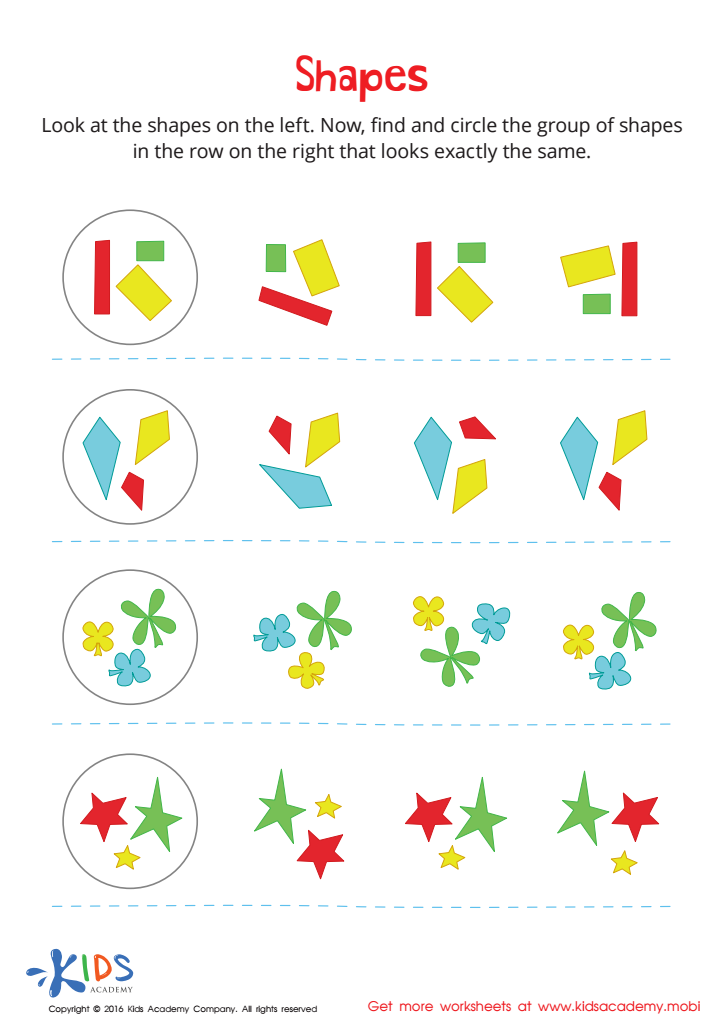
Shapes Worksheet








Parents and teachers should prioritize Cognitive Development Extra Challenge activities that involve 2D shapes for children aged 4-6 because these formative years are crucial for foundational cognitive and perceptual development. At this age, children are developing the ability to recognize and differentiate between various shapes, which is vital for several key areas:
-
Math Skills: Understanding 2D shapes is fundamental for learning geometry, patterning, and spatial understanding, which are critical components of early math education.
-
Language Skills: Discussing the properties of shapes, such as sides and angles, helps enrich vocabulary and language comprehension. This form of descriptive language is essential for effective communication skills.
-
Problem-Solving: Shape-related challenges foster critical thinking and problem-solving skills. Determining how shapes fit together, for instance in puzzles, enhances logical reasoning and cognitive flexibility.
-
Fine Motor Skills: Activities involving 2D shapes, such as cutting, tracing, or constructing with different shapes, help improve fine motor control and hand-eye coordination.
-
Creativity: 2D shapes serve as building blocks for imaginative play. Encouraging children to create pictures or patterns with shapes nurtures creativity and artistic expression.
By providing opportunities for children to engage with 2D shapes, adults support a comprehensive developmental trajectory that underpins academic success and holistic cognitive growth, thus laying a strong educational foundation.