Vocabulary expansion Extra Challenge Science Worksheets for Ages 4-6
3 filtered results
-
From - To
Explore our "Vocabulary Expansion Extra Challenge Science Worksheets" designed specifically for children ages 4-6! These engaging worksheets aim to enhance your child's vocabulary while introducing essential scientific concepts in a fun and interactive way. Each worksheet features vibrant illustrations and age-appropriate content that sparks curiosity about the world around them. By completing these challenges, young learners will improve their language skills, cognitive development, and comprehension of basic science terminology. Perfect for classrooms or home education, these worksheets provide an exciting opportunity for children to connect words with scientific ideas. Enhance your child's learning experience with our captivating science vocabulary worksheets today!
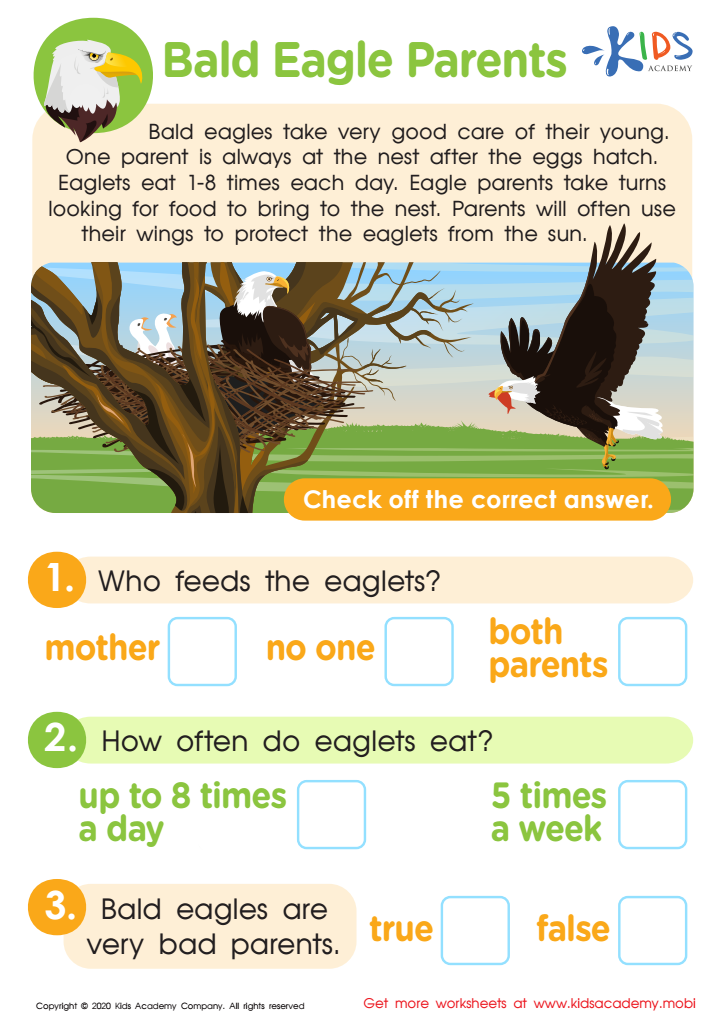
Bald Eagle Parents Worksheet
 Assign to My Students
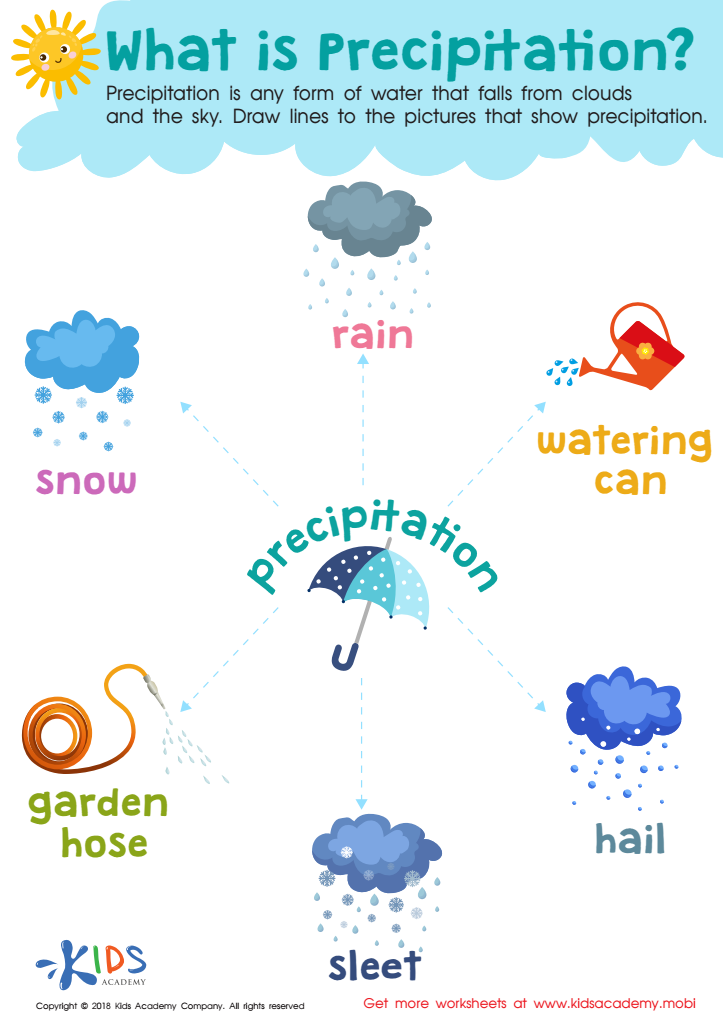
What Is Precipitation? Worksheet
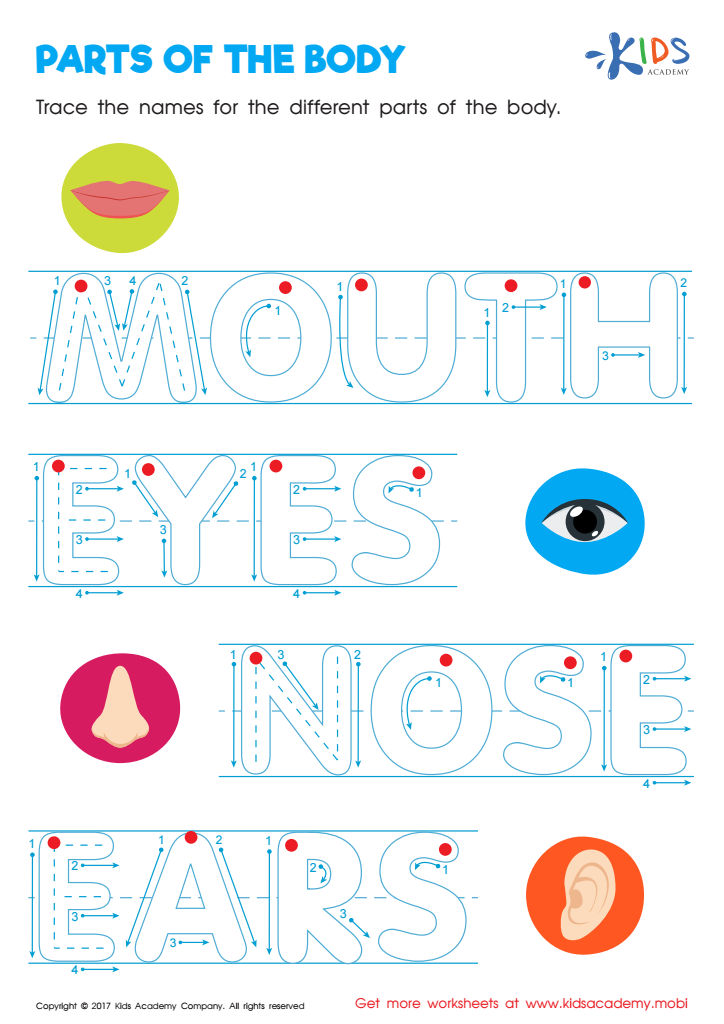





.jpg)

Vocabulary expansion is critical for children's early cognitive and linguistic development, especially in science for children ages 4-6. First, a rich vocabulary enhances comprehension skills, making it easier for young learners to understand scientific concepts and engage in discussions. This age group is naturally curious about the world around them; equipping them with relevant terminology encourages their inquisitiveness and empowers them to explore scientific ideas more deeply.
Furthermore, exposure to diverse vocabulary helps scaffold future learning. By integrating science-related vocabulary into both daily conversations and structured activities, parents and teachers provide context that allows children to make connections between words, concepts, and experiences. These connections foster critical thinking skills crucial for later academic success.
Moreover, an expanded vocabulary nurtures communication abilities. When children articulate their thoughts using an enriched vocabulary, they build confidence and become more effective collaborators. Engaging children through fun activities, stories, or games focused on vocabulary not only enriches their learning experience but also nurtures a love for science.
Finally, investing in vocabulary expansion in early childhood can lead to improved performance in school, setting a strong foundation for lifelong learning. Thus, an emphasis on vocabulary in early science education becomes essential for parents and teachers guiding young minds.