Extra Challenge Consonants Worksheets for Ages 4-7
4 filtered results
-
From - To
Discover our "Extra Challenge Consonants Worksheets for Ages 4-7," designed to boost young learners' phonics skills. Perfect for children transitioning from basic letter recognition to mastering consonants, these worksheets offer engaging activities that enhance spelling and pronunciation. Each worksheet features fun illustrations and diverse exercises, making learning exciting while encouraging cognitive development. Ideal for educators and parents seeking to reinforce classroom learning or supplement at-home education, our worksheets are tailored for little hands. Help your child develop confidence with consonants through enjoyable practice that prepares them for reading success. Explore our collection now and unlock your child's potential!
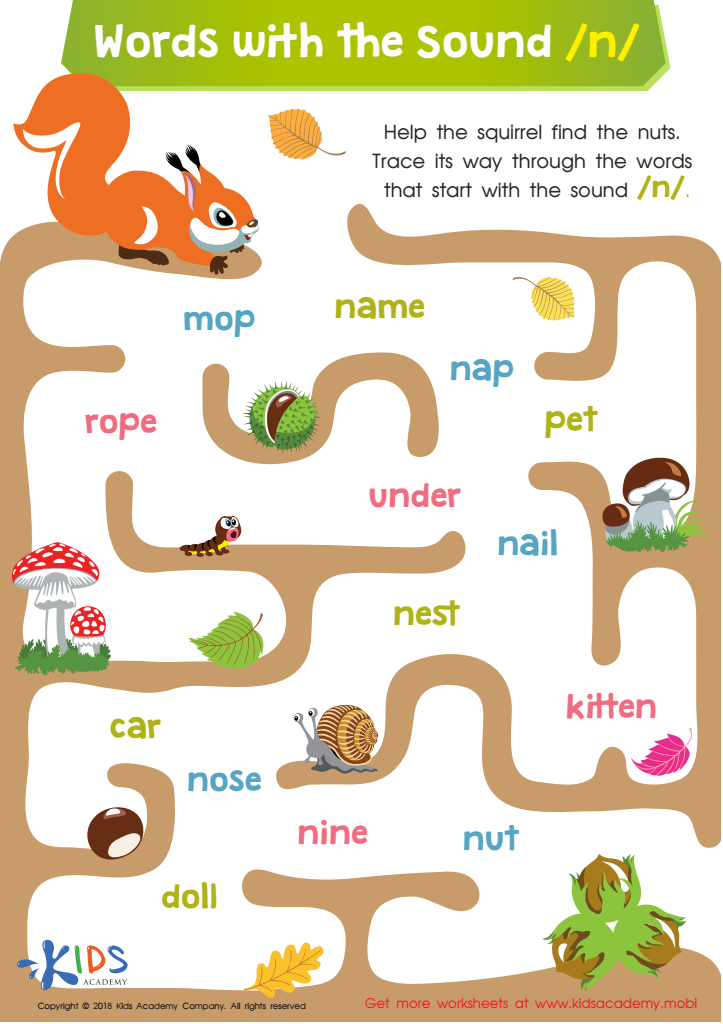
Words with Sound N Reading Worksheet
 Assign to My Students
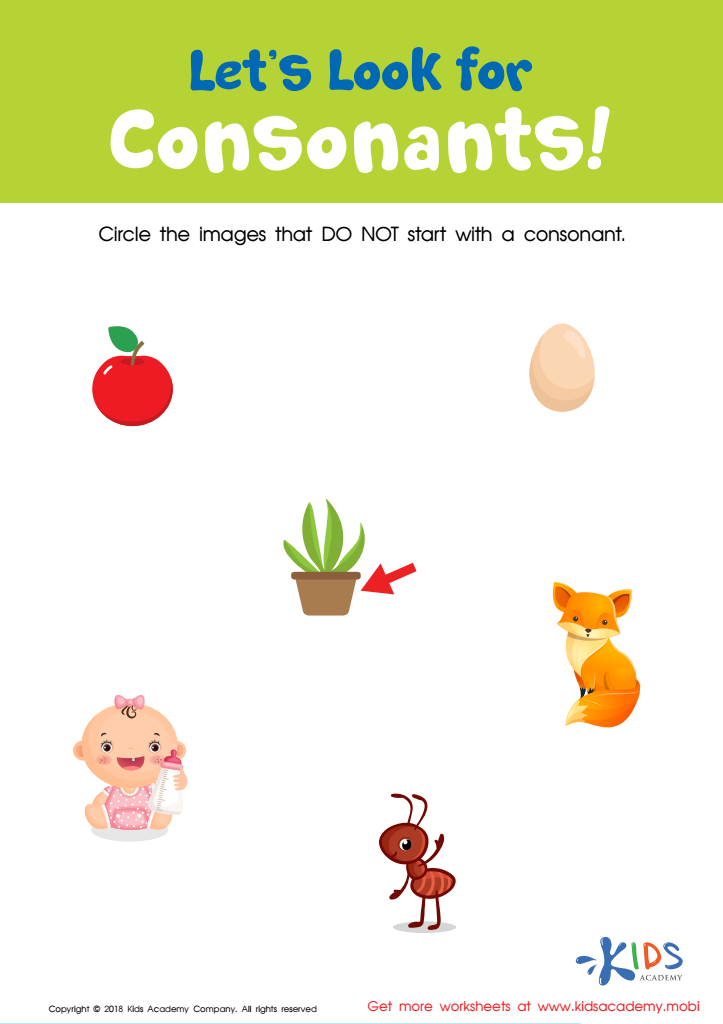
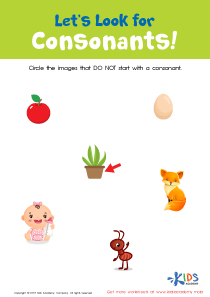
Let's Look for Consonants Worksheet
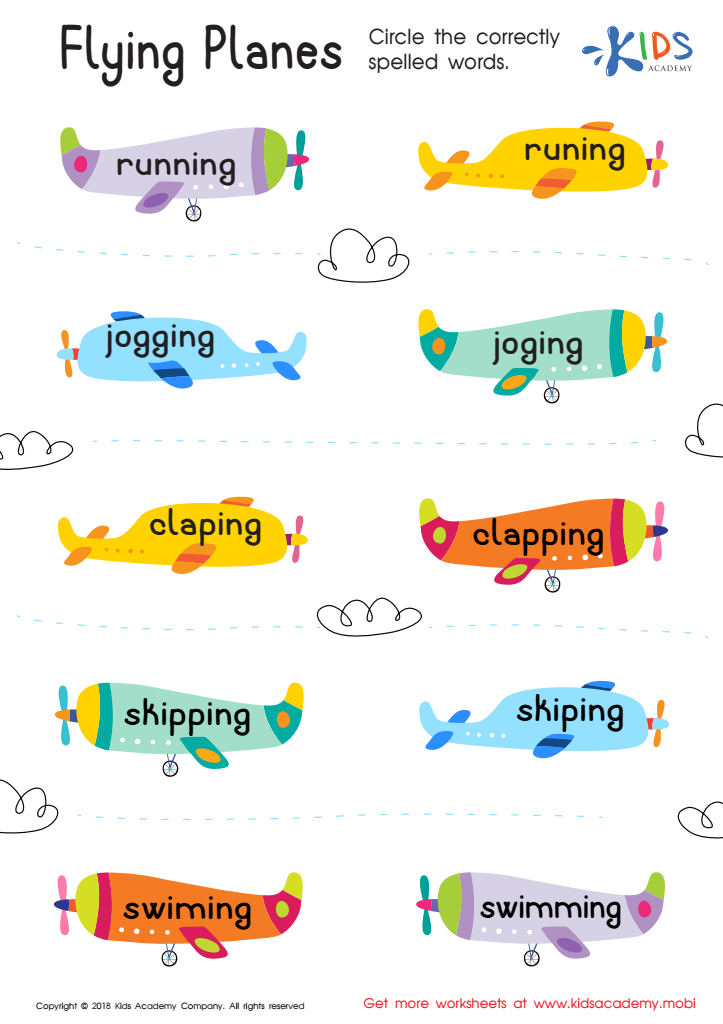
Flying Planes Worksheet
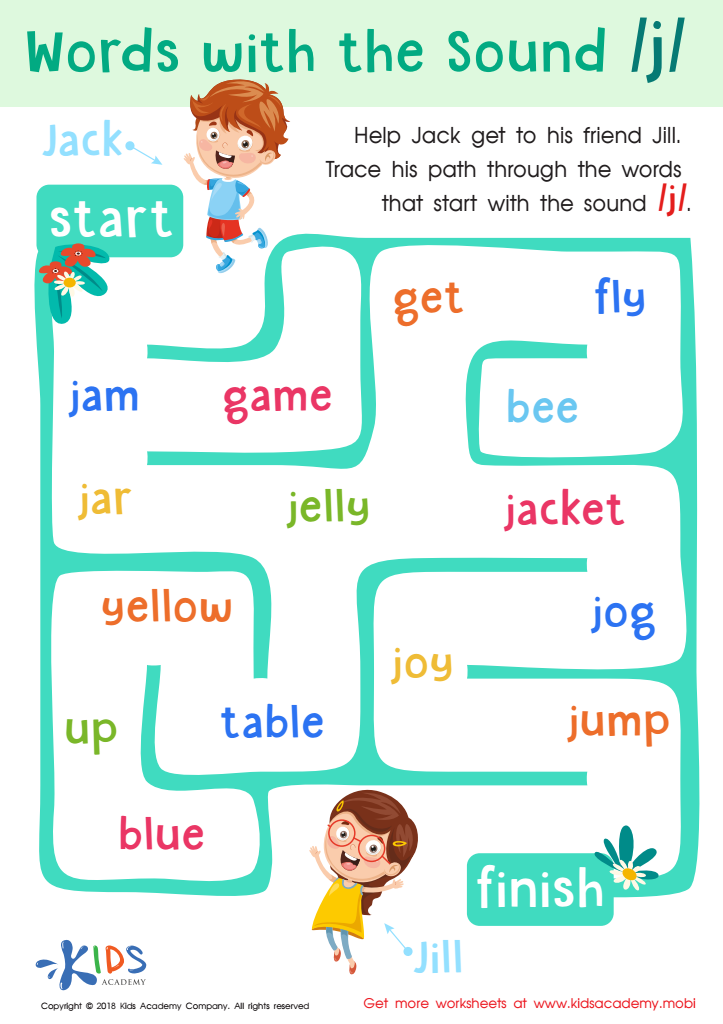
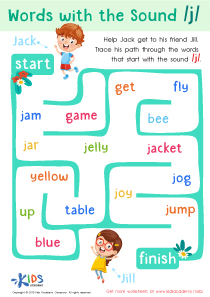
Words with sound j Reading Worksheet



Extra Challenge Consonants are crucial for children aged 4-7 as they play a vital role in developing foundational literacy skills. During this stage, children are honing their phonemic awareness, the ability to hear, identify, and manipulate sounds in words. Introducing Extra Challenge Consonants, such as blends and digraphs, enhances their understanding of complex sound structures, preparing them for more advanced reading and writing.
Parents and teachers should prioritize these consonants because early literacy experiences shape children's future learning. Mastery of Extra Challenge Consonants helps enhance vocabulary, spelling, and reading comprehension. Children can become more fluent readers, which influences their overall academic performance.
Moreover, focusing on these consonants fosters confidence and motivation. As children identify and articulate these challenging sounds, they gain a sense of accomplishment, leading to a more positive attitude toward learning. It not only equips them with essential skills but also helps develop perseverance and problem-solving abilities, vital in their educational journey.
Emphasizing Extra Challenge Consonants can bridge the gap between basic reading skills and fluent literacy, benefiting children in everyday communication and their overall cognitive development. After all, laying a strong foundation in these crucial early years sets the stage for lifelong learning.