Handwriting practice Extra Challenge Alphabet Worksheets for Ages 4-7
5 filtered results
-
From - To
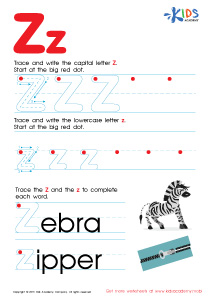
Enhance your child's handwriting skills with our Handwriting Practice Extra Challenge Alphabet Worksheets for ages 4-7. These expertly crafted worksheets provide an engaging and stimulating way for young learners to master the alphabet. Designed to boost fine motor skills and build confidence, each worksheet offers unique challenges that make learning to write letters fun and effective. Perfect for both classroom use and at-home practice, our adaptive exercises cater to individual learning needs, ensuring no child is left behind. Ignite your child's love for writing today with our innovative and interactive alphabet worksheets.
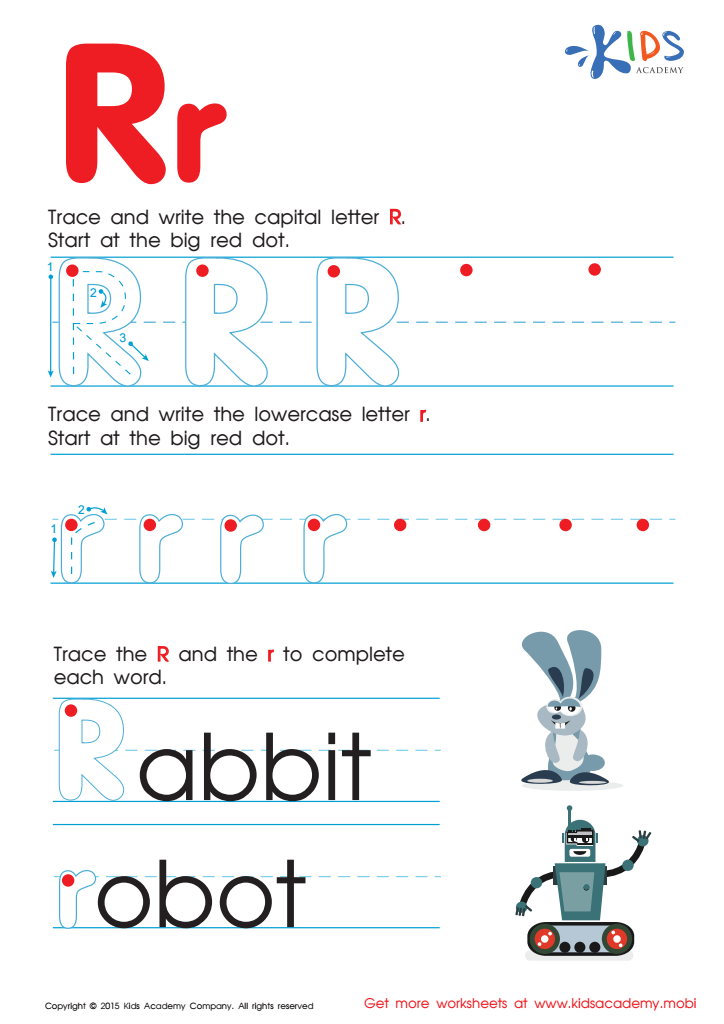
Letter R Tracing Page
 Assign to My Students
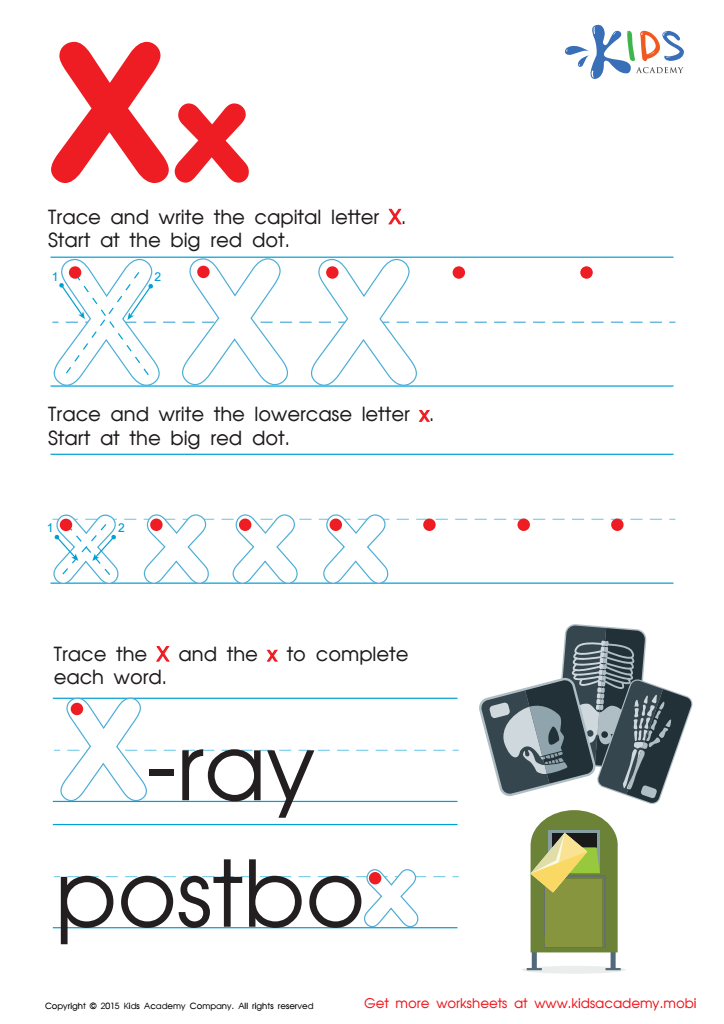
Letter X Tracing Page
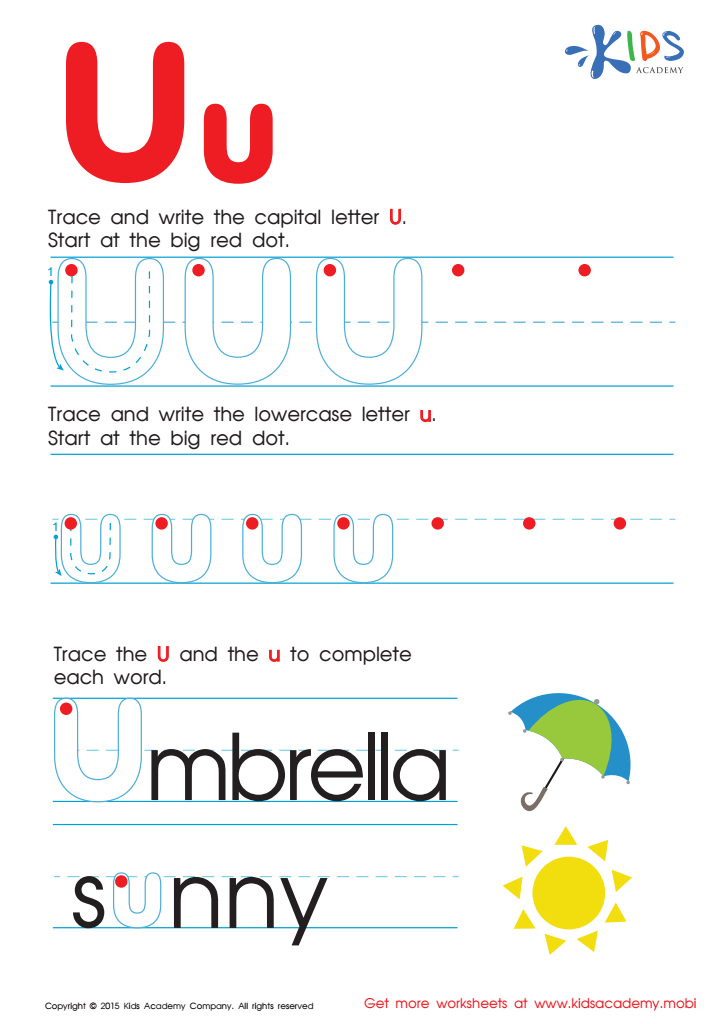
Letter U Tracing Page
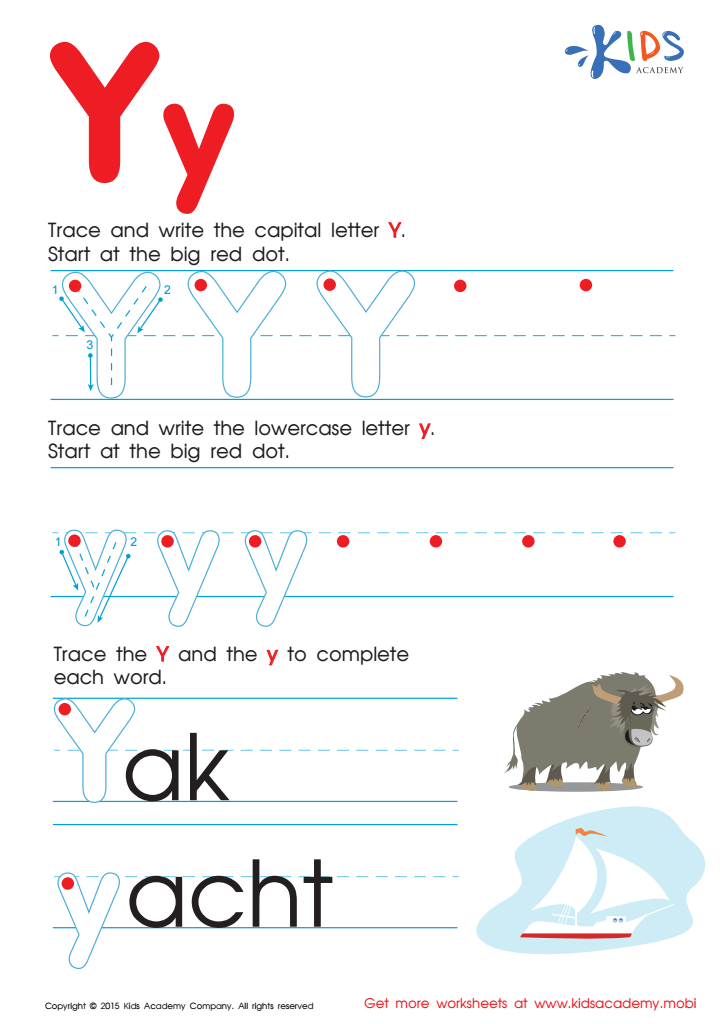
Letter Y Tracing Page
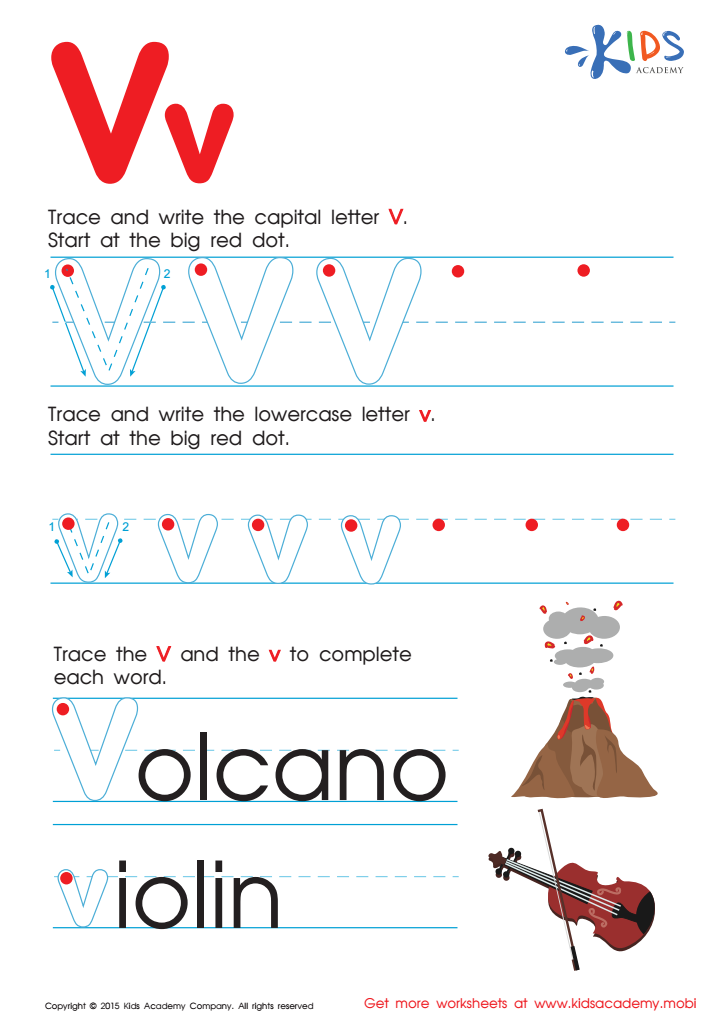
Letter V Tracing Page








Parents and teachers should prioritize handwriting practice with Extra Challenge Alphabet for children ages 4-7 because it plays a crucial role in early childhood development. Handwriting practice fosters fine motor skills, essential for daily tasks such as tying shoelaces or buttoning clothes. This age group is particularly responsive to learning these skills, and incorporating small muscle exercises sets a foundation for even more complex tasks.
Moreover, consistent handwriting practice enhances cognitive development. It facilitates the coordination between the brain and the hands, thus accelerating the cognitive processing involved in reading and writing. Studies show that writing letters by hand improves letter recognition, a key factor in early reading skills.
Handwriting practice also bolsters attention to detail and concentration. Children learn to focus on forming each letter correctly, which cultivates patience and perseverance - qualities that benefit learning across all subjects. It also encourages self-expression as kids gain confidence in their ability to convey their thoughts through writing.
Furthermore, with an Extra Challenge Alphabet component, children are motivated to progress beyond basic handwriting. This helps them tackle new challenges and exceed academic milestones effectively. Ultimately, handwriting is a foundational skill that underpins various dimensions of a child’s learning journey, making its practice invaluable for holistic development.