Fine Motor Skills Extra Challenge English for Beginners Worksheets for Ages 4-7
9 filtered results
-
From - To
Enhance your child's English learning and fine motor skills with our "Fine Motor Skills Extra Challenge English for Beginners" worksheets, designed specifically for ages 4-7. These engaging, hands-on activities combine fun with effective learning, supporting early childhood development. Each worksheet offers unique challenges that foster hand-eye coordination, dexterity, and precise movements while introducing elementary English concepts. Ideal for young ESL learners, these printables ensure a balanced approach to language acquisition and motor skill improvement. Make learning enjoyable and productive with our expertly crafted collection, perfect for both home and classroom use. Discover the benefits today!
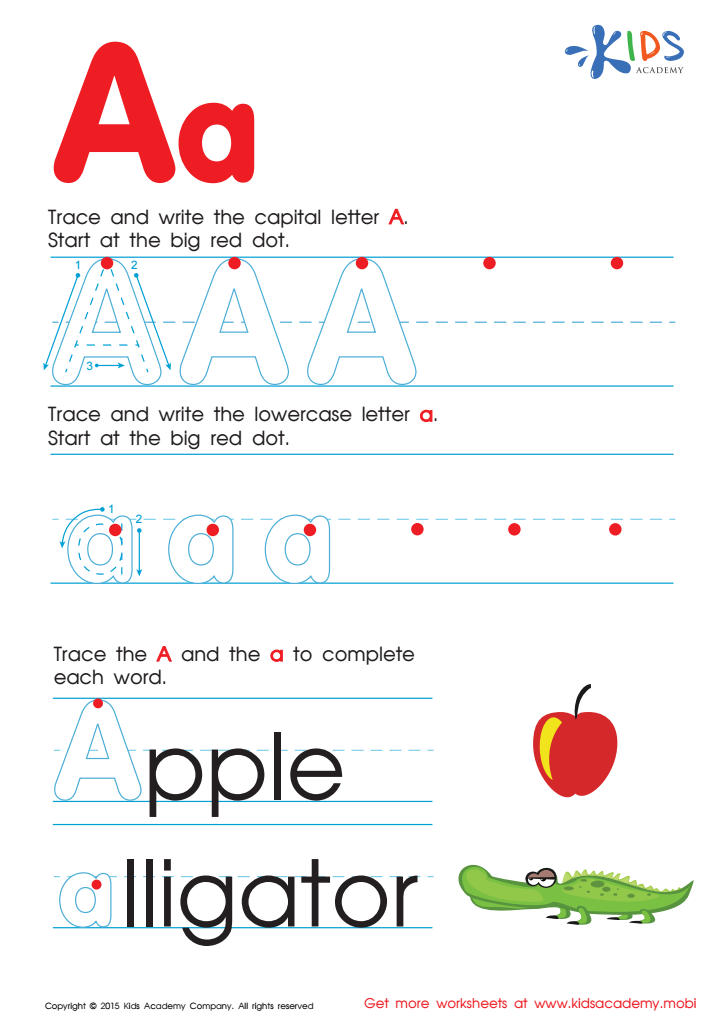
Letter A Tracing Page
 Assign to My Students
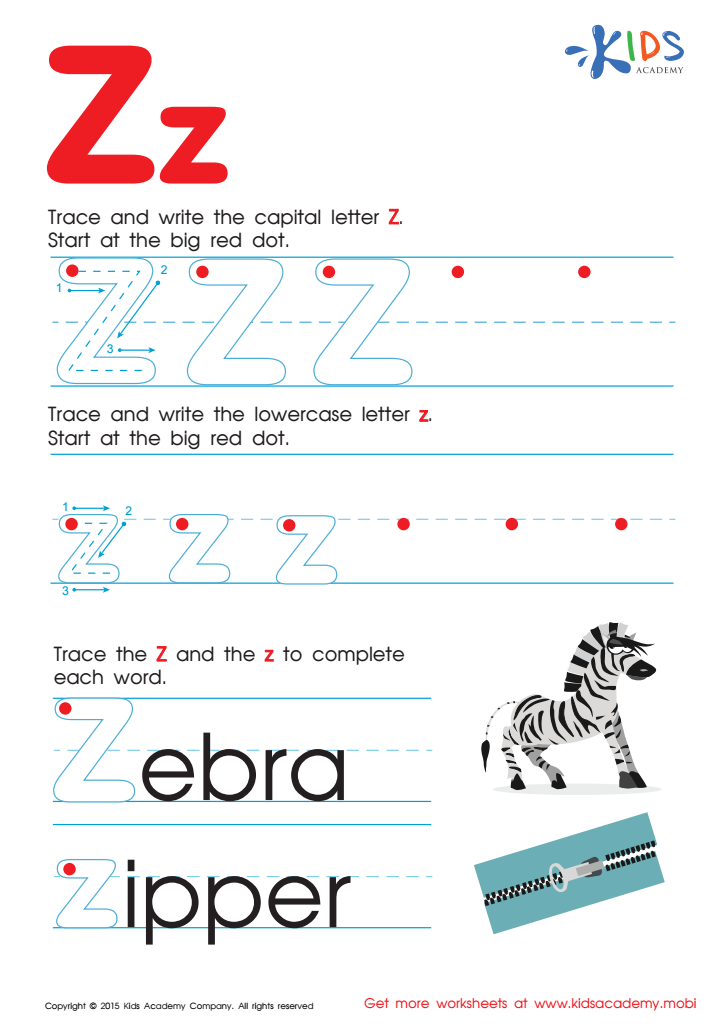
Letter Z Tracing Page
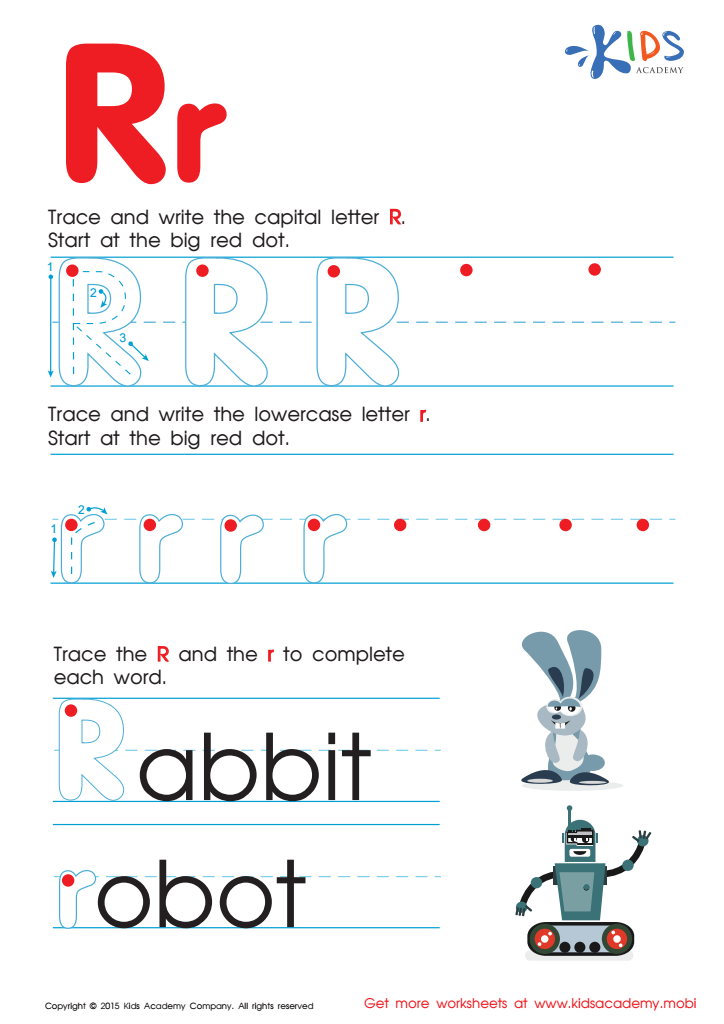
Letter R Tracing Page
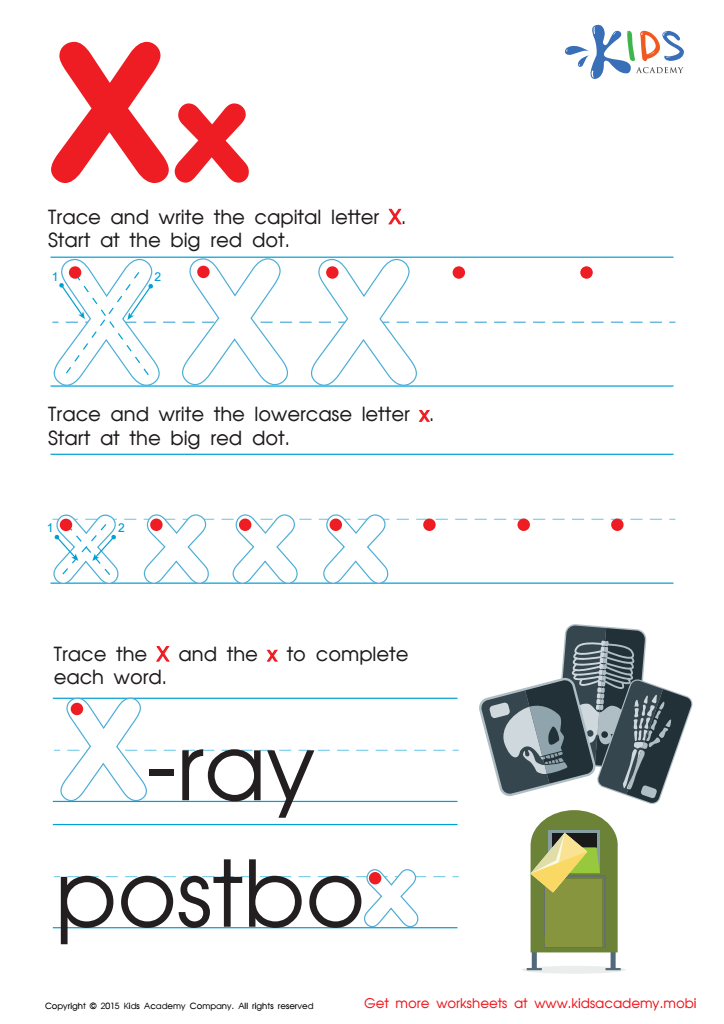
Letter X Tracing Page
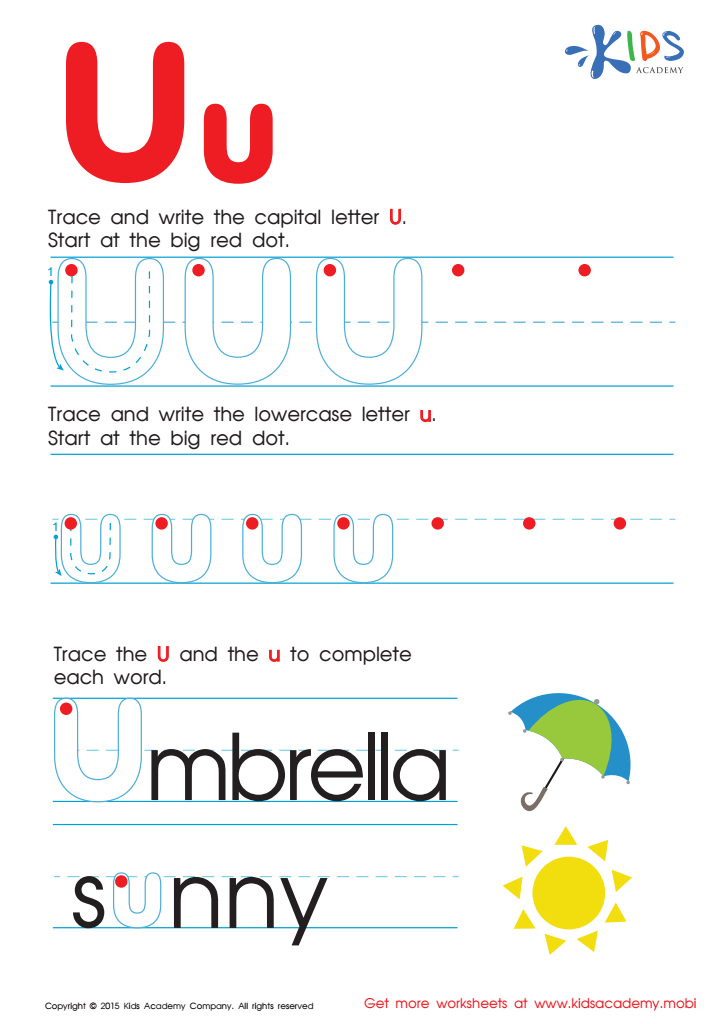
Letter U Tracing Page
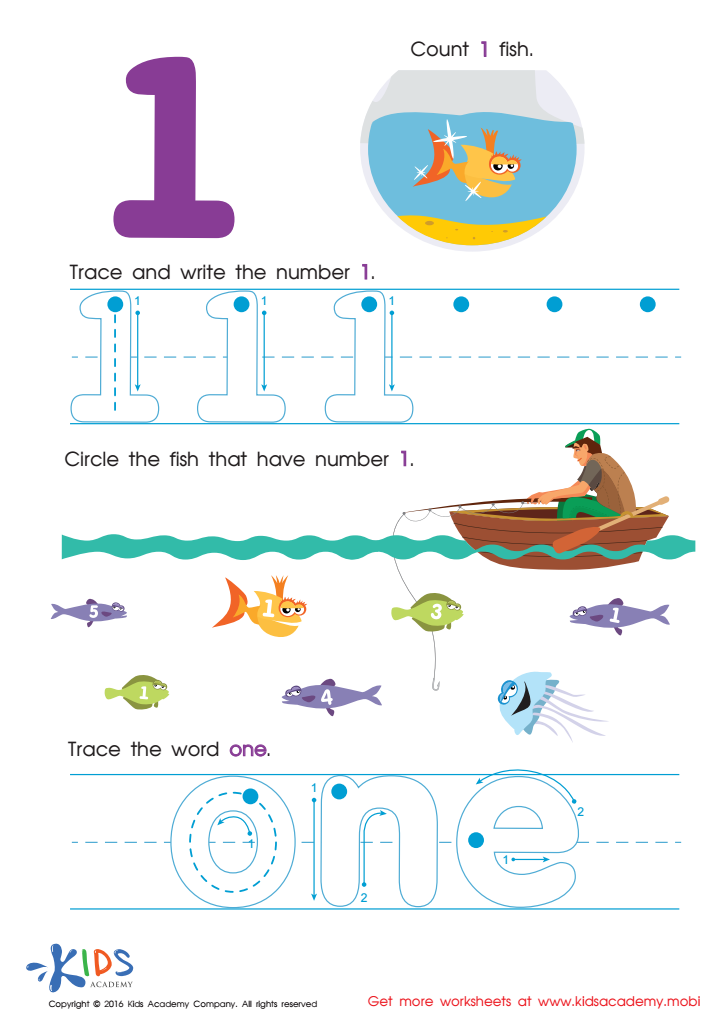
Learning to Write 1 Worksheet
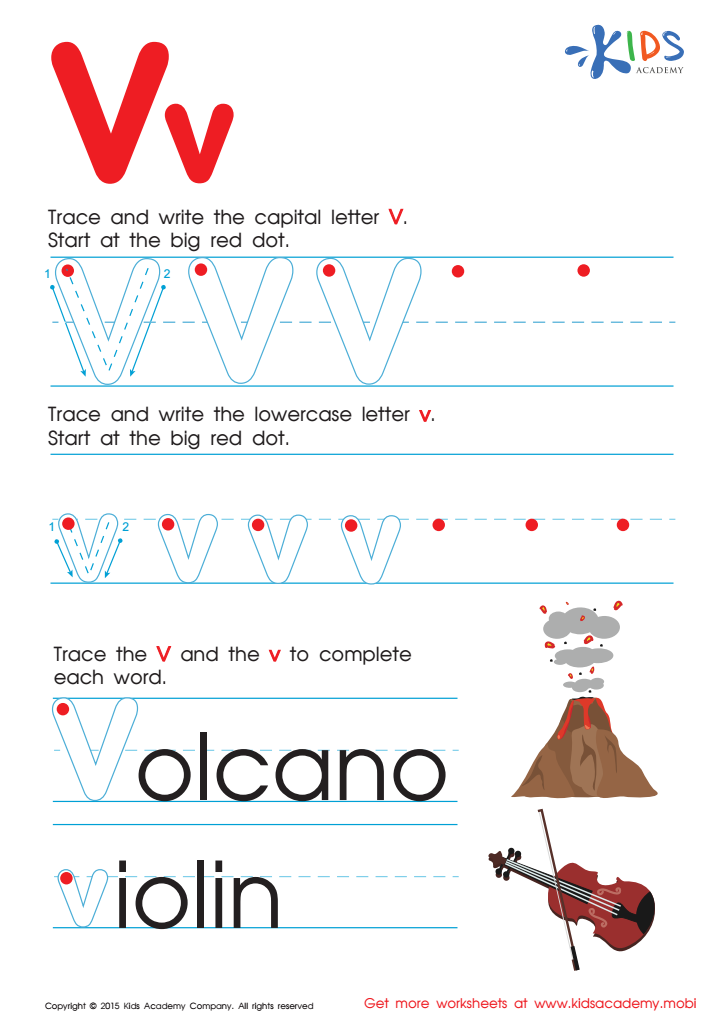
Letter V Tracing Page
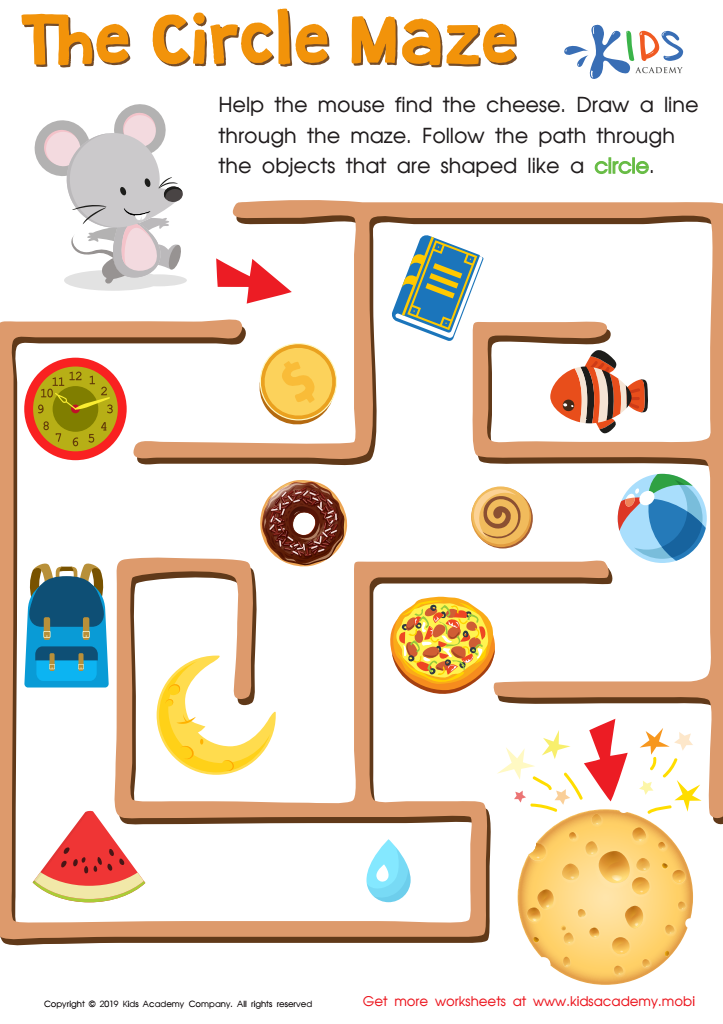
The Circle Maze Worksheet
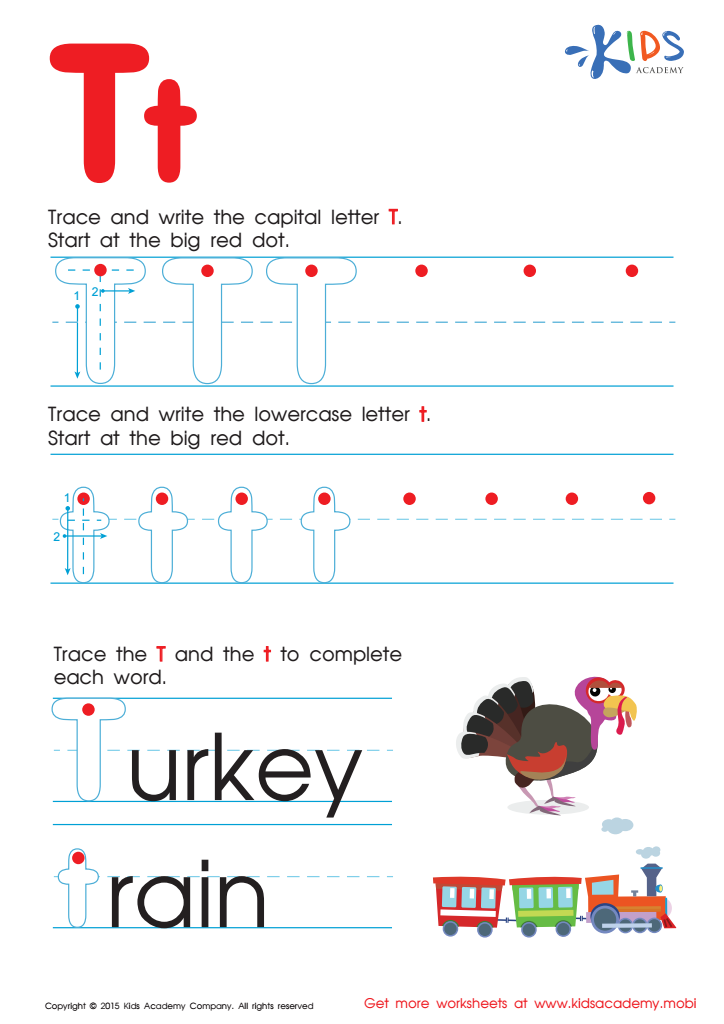
Letter T Tracing Page





Fine motor skills are essential building blocks for a child's overall development and success. For parents and teachers, emphasizing Fine Motor Skills Extra Challenge English for Beginners for ages 4-7 is crucial for several reasons. First, fine motor skills include tasks like gripping a pencil, cutting with scissors, and buttoning clothes, which are foundational for a child’s self-sufficiency and confidence. When children engage in extra fine motor skill activities while learning English, they simultaneously develop these critical physical skills.
Second, integrating fine motor skills with English learning enhances cognitive development. Manipulating objects, drawing letters, and turning pages stimulate brain areas involved in memory, attention, and problem-solving. This dual engagement fosters stronger neural connections, making language acquisition more effective and enjoyable.
Moreover, strong fine motor skills prepare children for academic tasks. Fine motor challenges often involve activities like writing letters, drawing shapes, and using educational toys, all of which encourage precise movements and hand-eye coordination. These are prerequisites for successful academic performance, especially in writing and art.
Lastly, creating a supportive environment where young learners are encouraged to practice these skills fosters perseverance and a positive attitude toward learning. Parents and teachers play a key role in providing these engaging, hands-on experiences, setting the stage for well-rounded development and lifelong learning.








