Vocabulary enhancement Extra Challenge Worksheets for Ages 4-7 - Page 2
37 filtered results
-
From - To
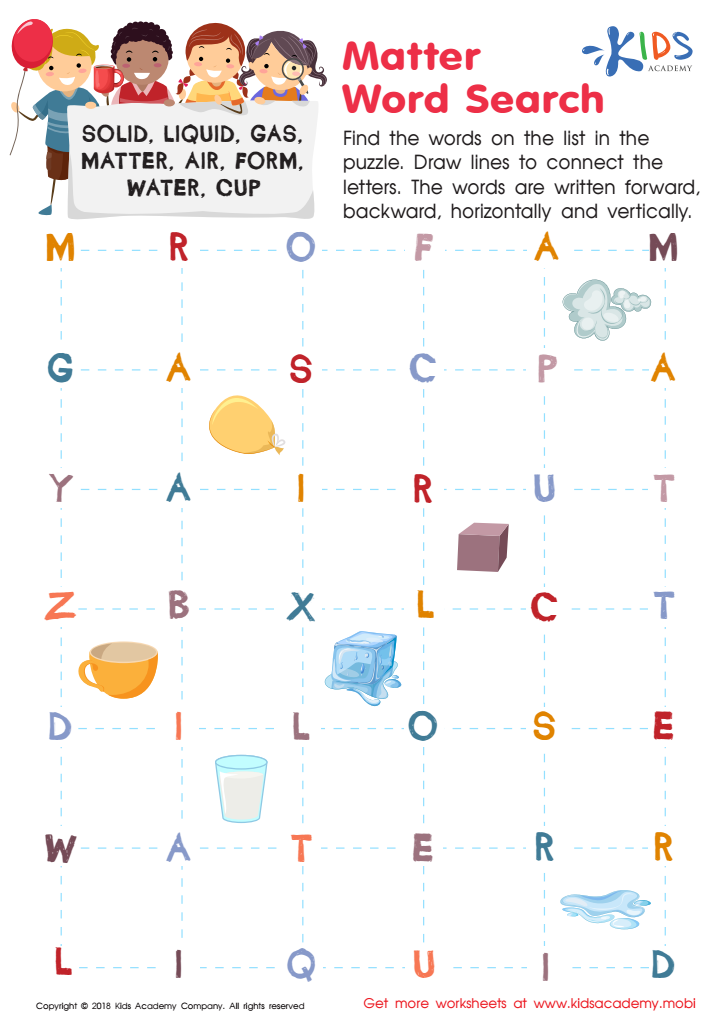
Matter Word Search Worksheet
 Assign to My Students
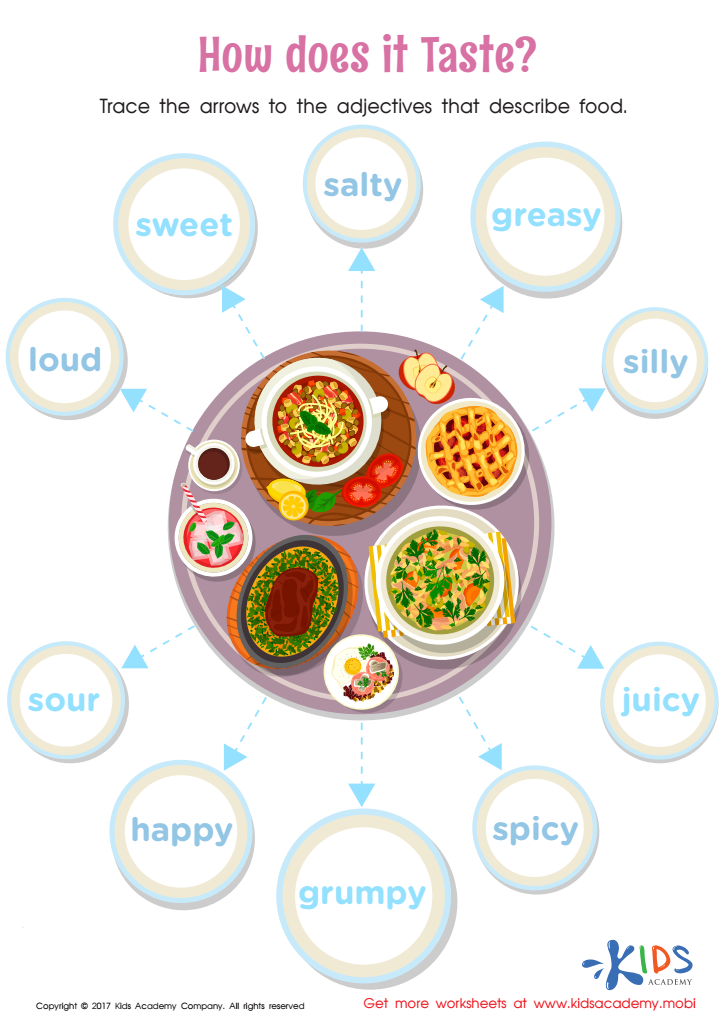
Food Adjectives Worksheet
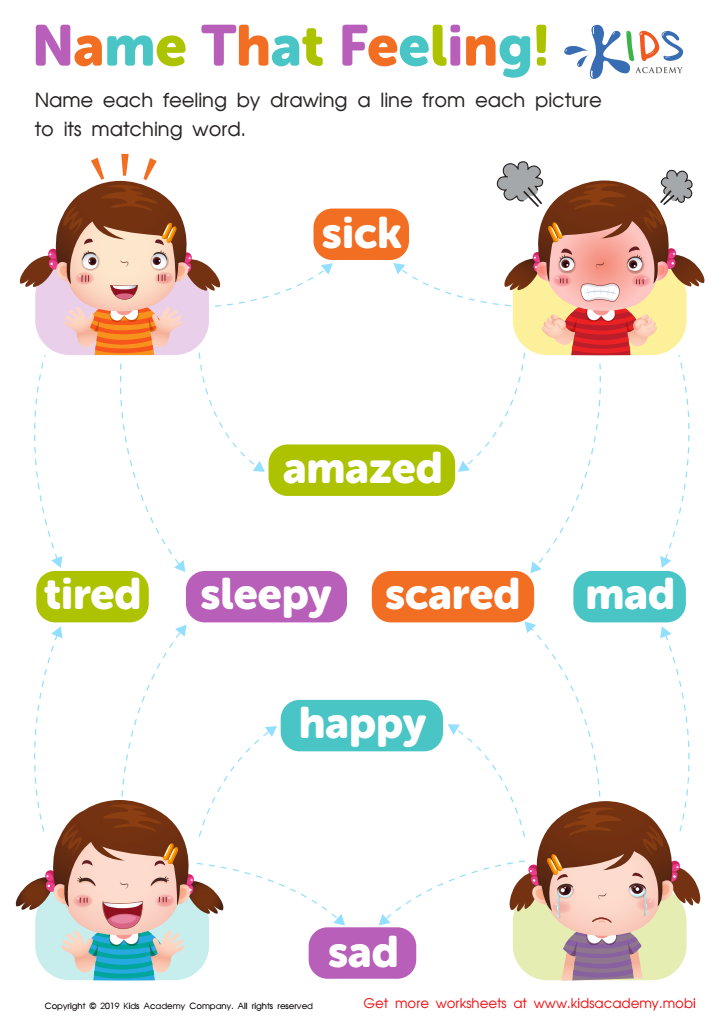
Name that Feeling Worksheet
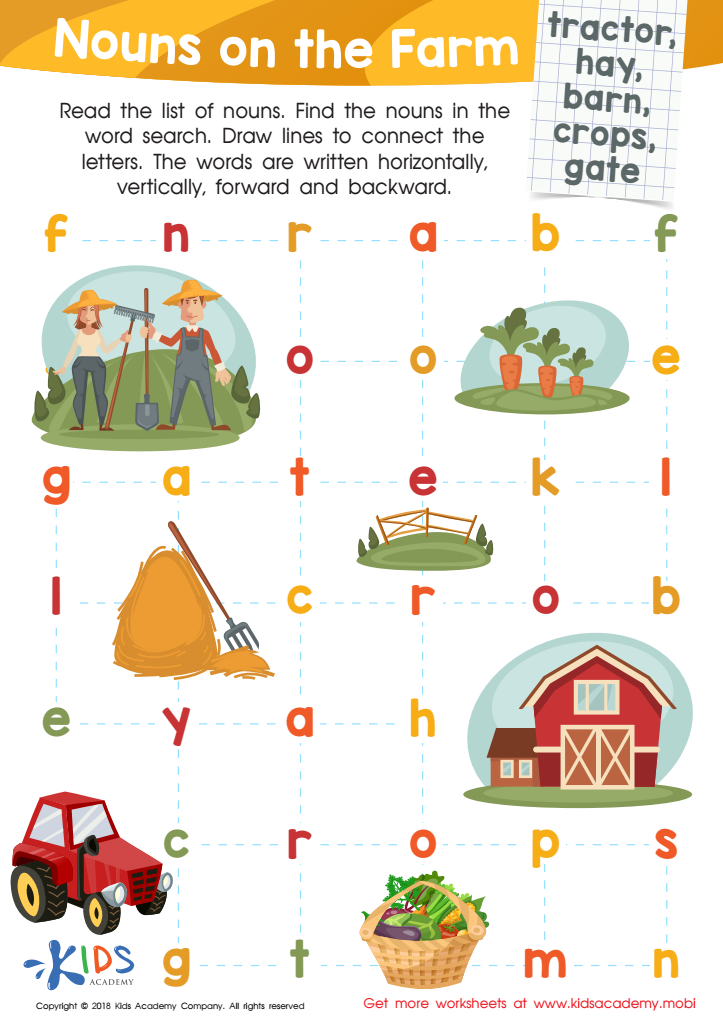
Nouns on the Farm Worksheet
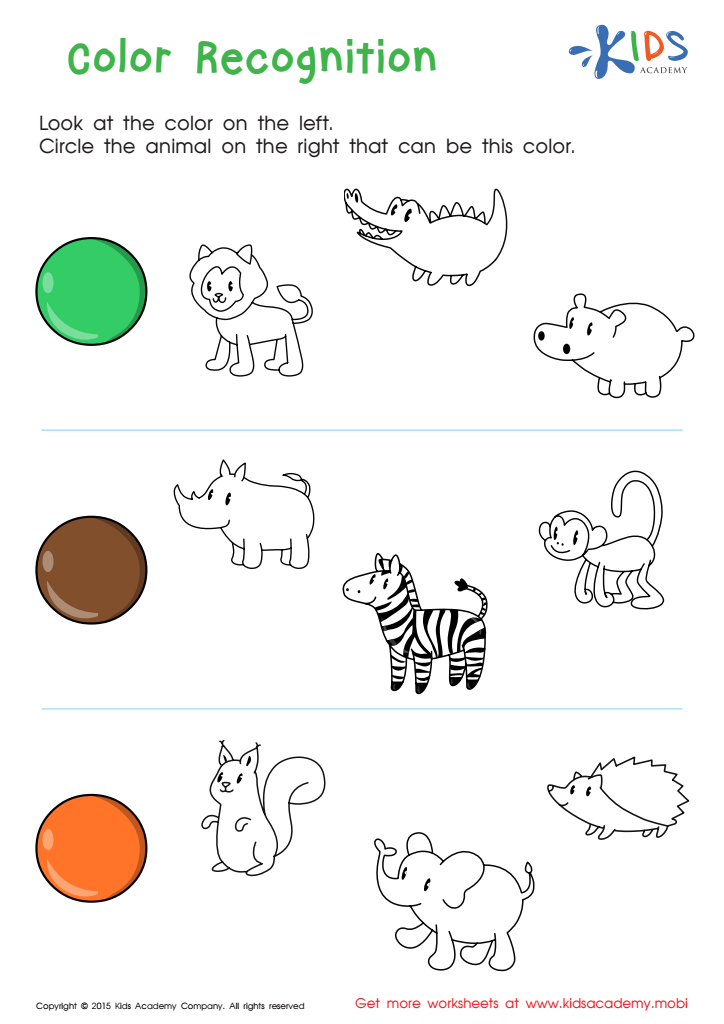
First Words: Color Recognition Worksheet
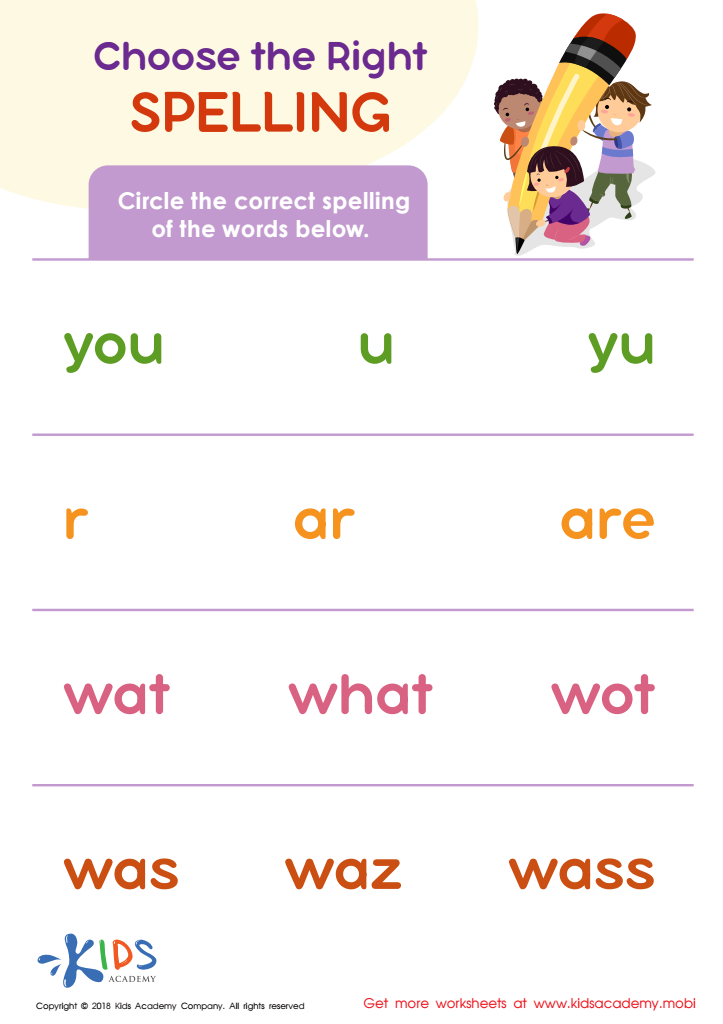
Choose the Right Spelling Worksheet
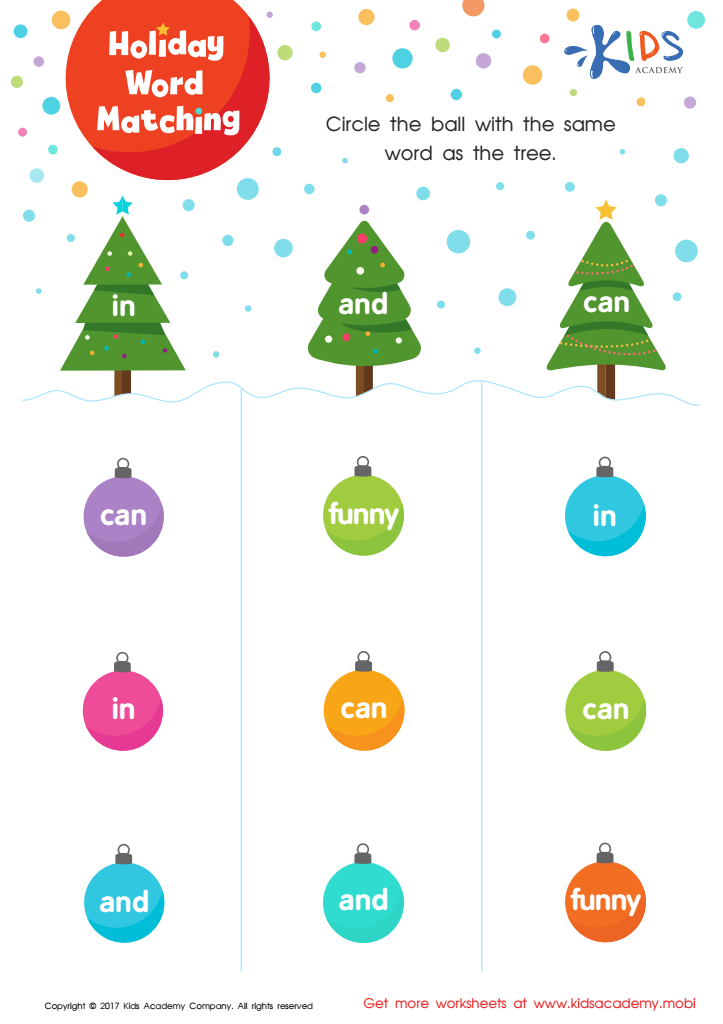
Holiday Word Matching Worksheet
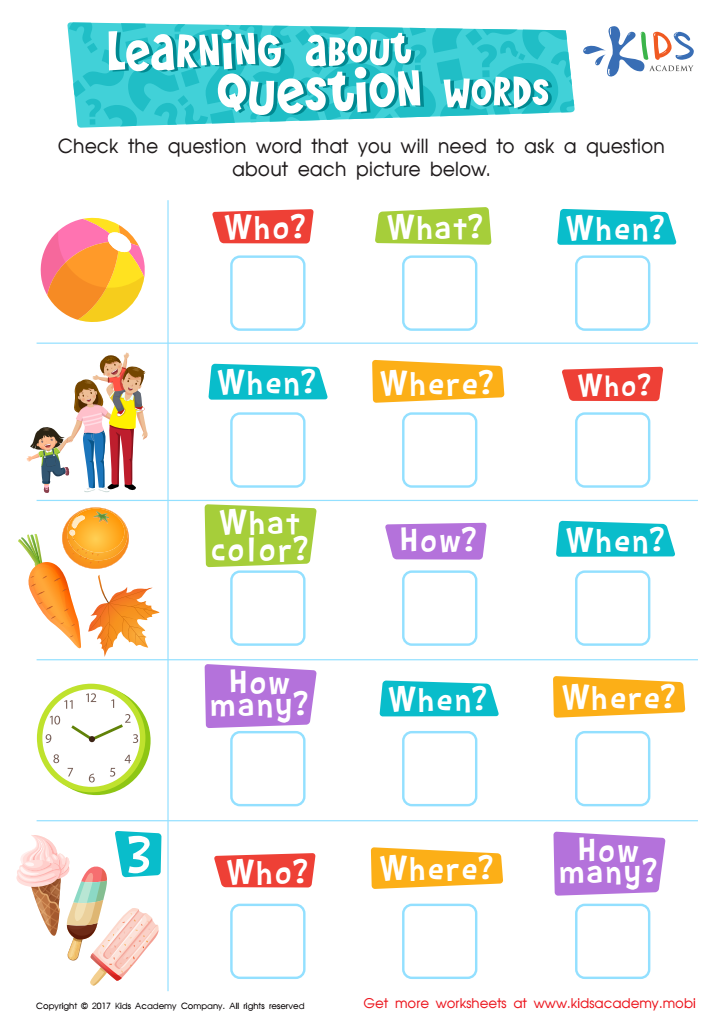
Learning about Question Words Worksheet
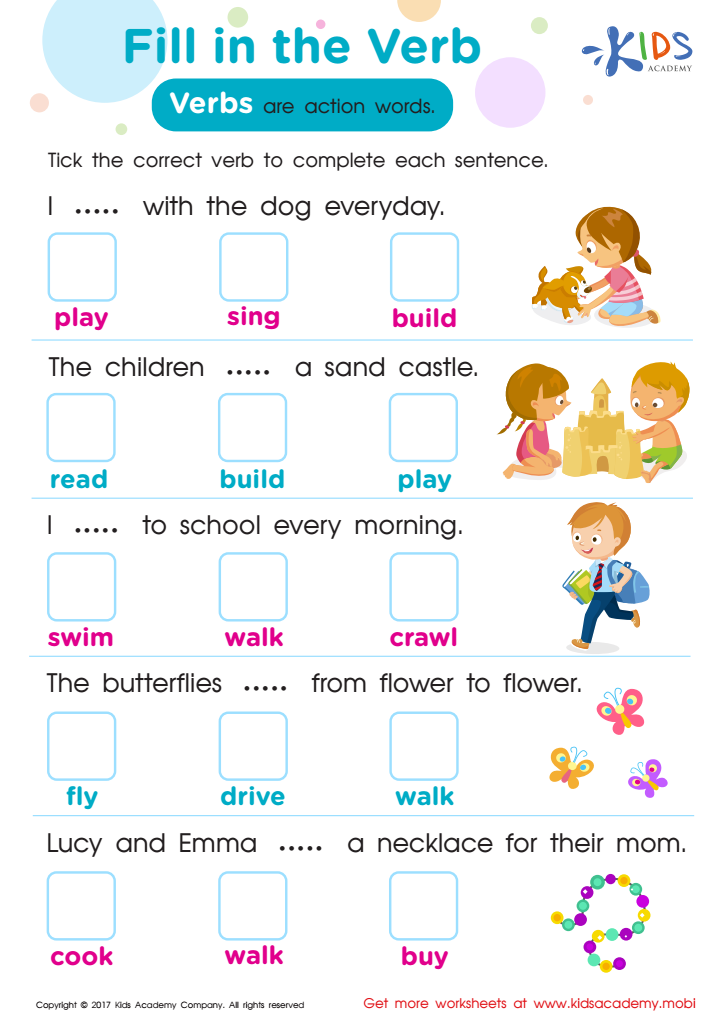
Fill in the Verb Printable
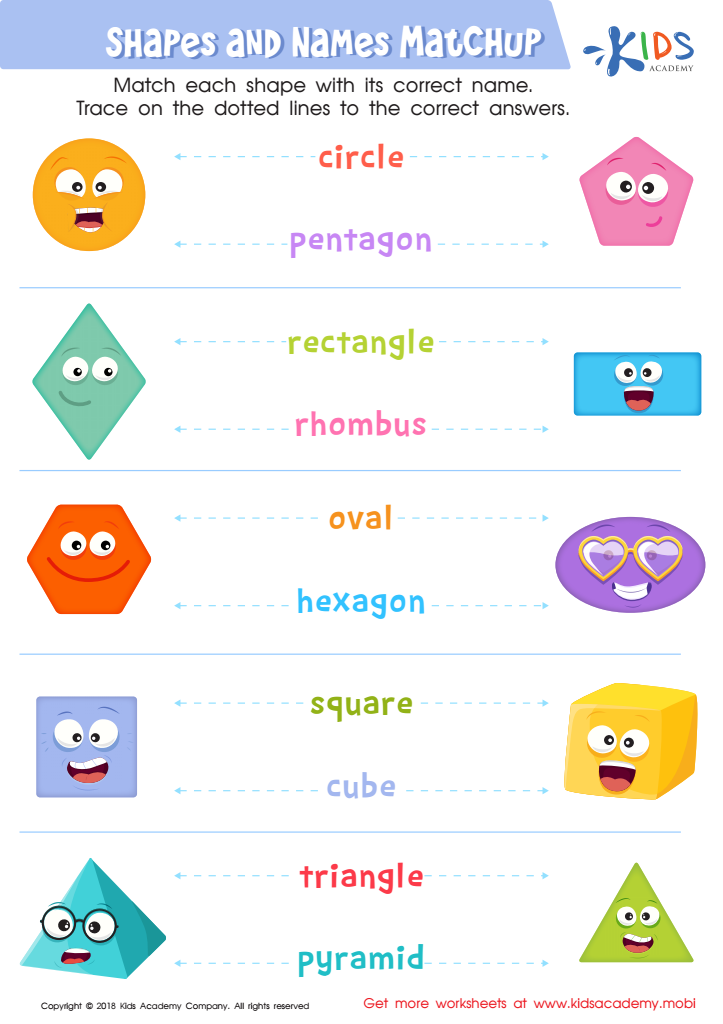
Shapes and Names Matchup Worksheet
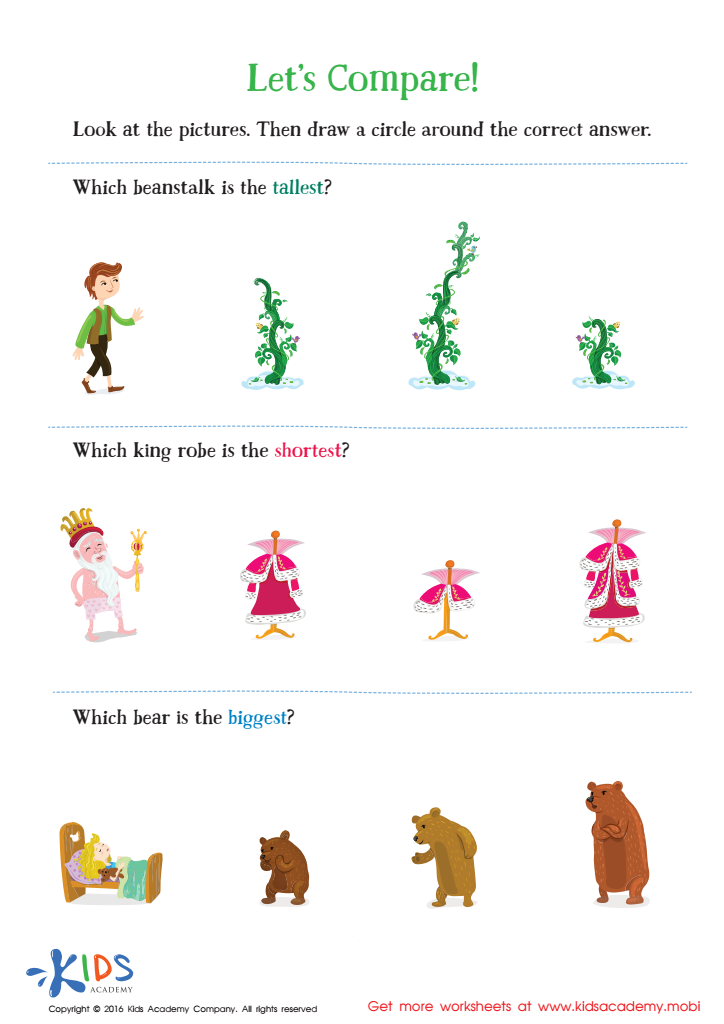
Fairy Tale Worksheet: Let's Compare
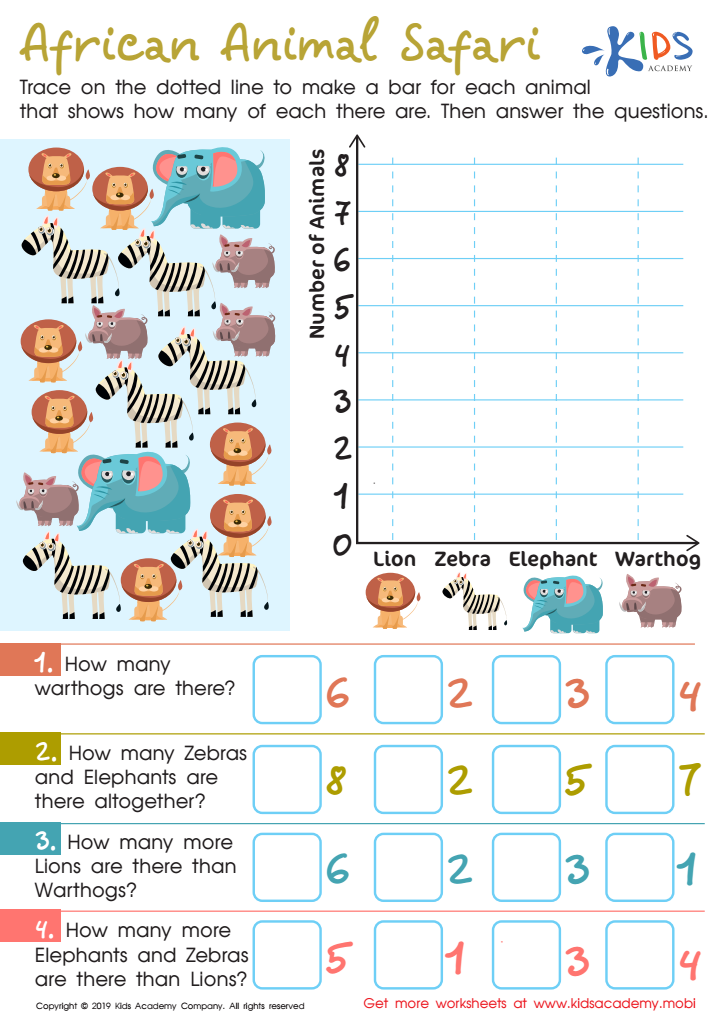
African Animal Safari Worksheet
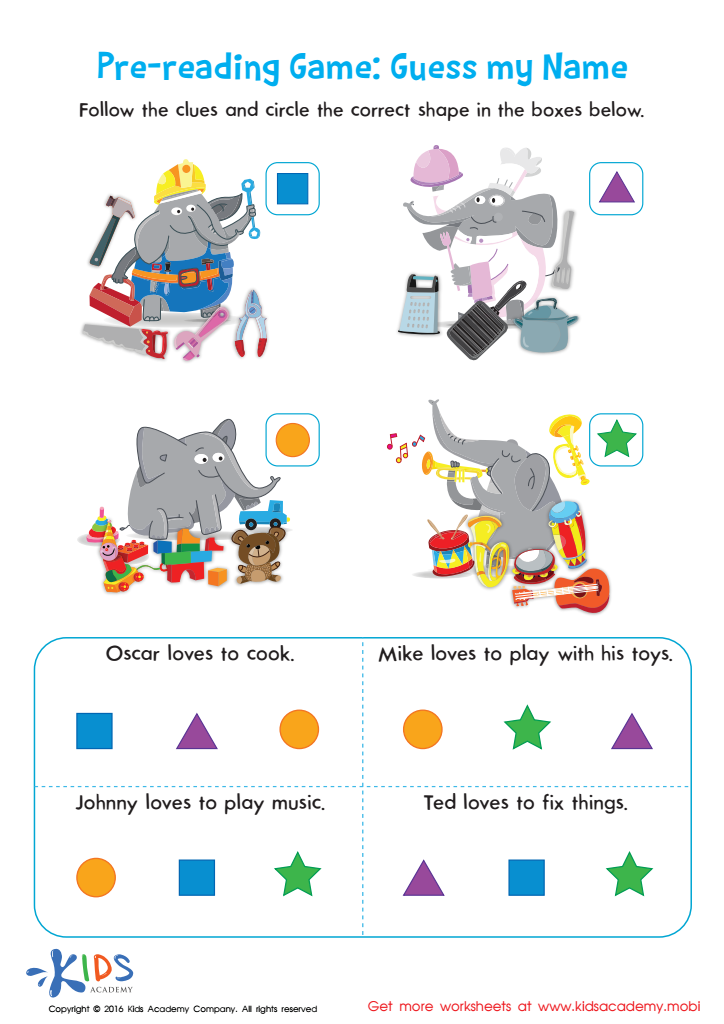
Pre Reading Worksheet Guess My Name






Vocabulary enhancement is crucial for young learners aged 4-7 as it lays the foundation for effective communication, reading comprehension, and overall academic success. By focusing on vocabulary development during these formative years, parents and teachers can significantly impact a child’s learning trajectory.
First, a rich vocabulary enables children to express themselves more clearly and confidently. This self-expression fosters positive social interactions and emotional intelligence, helping them navigate friendships and group settings. Additionally, a strong vocabulary enhances listening and communication skills, allowing children to follow instructions and engage in discussions with peers and adults effectively.
Moreover, vocabulary enhancement extends its benefits to literacy and critical thinking. A well-developed vocabulary contributes to better reading skills, enabling children to decode and comprehend texts more easily. Strong readers tend to perform better academically across subjects, as reading proficiency is linked to overall learning outcomes.
Furthermore, early exposure to diverse vocabulary can inspire curiosity and a love for learning. Activities that challenge children to expand their word knowledge can ignite creativity and promote lifelong learning habits. Thus, both parents and educators play a vital role in employing vocabulary enhancement strategies to empower children, preparing them for a successful future.








