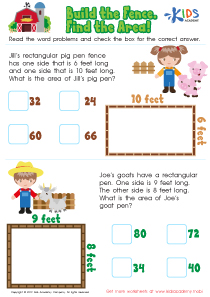
Sequencing numbers Extra Challenge Numbers Worksheets for Ages 4-7
3 filtered results
-
From - To
Enhance your child's mathematical abilities with our "Sequencing Numbers Extra Challenge Worksheets" designed for ages 4-7! These engaging resources promote early number recognition and sequencing skills through fun activities tailored to keep young learners motivated. With colorful visuals and dynamic worksheets, children will practice arranging numbers in the correct order, developing critical thinking and problem-solving skills. Ideal for homeschool or classroom settings, these extra challenge worksheets provide diverse exercises that cater to different learning styles. Help your child gain confidence in their number sequencing abilities while enjoying creative learning experiences. Explore our resource today and watch their math skills flourish!
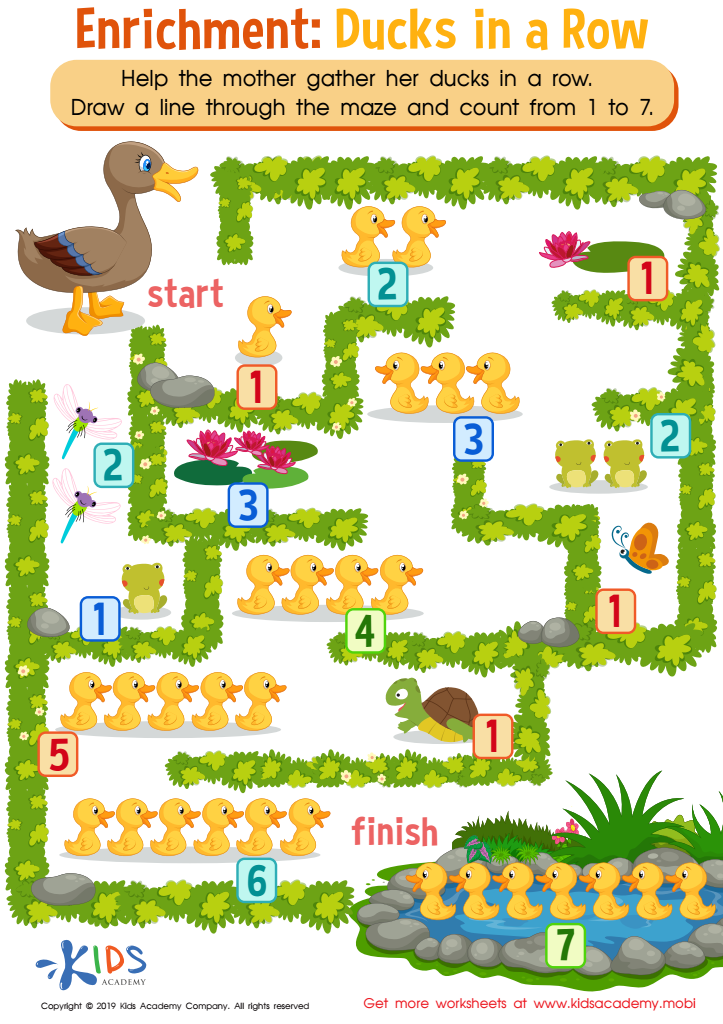
Ducks in a Row Worksheet
 Assign to My Students
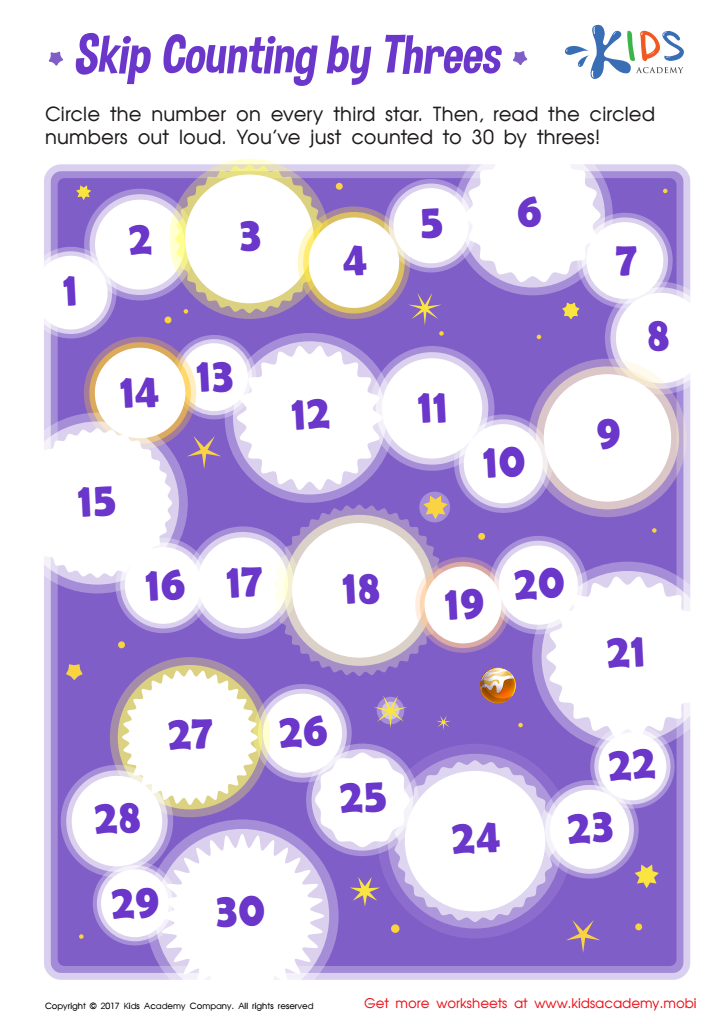
Skip Counting By Three Printable
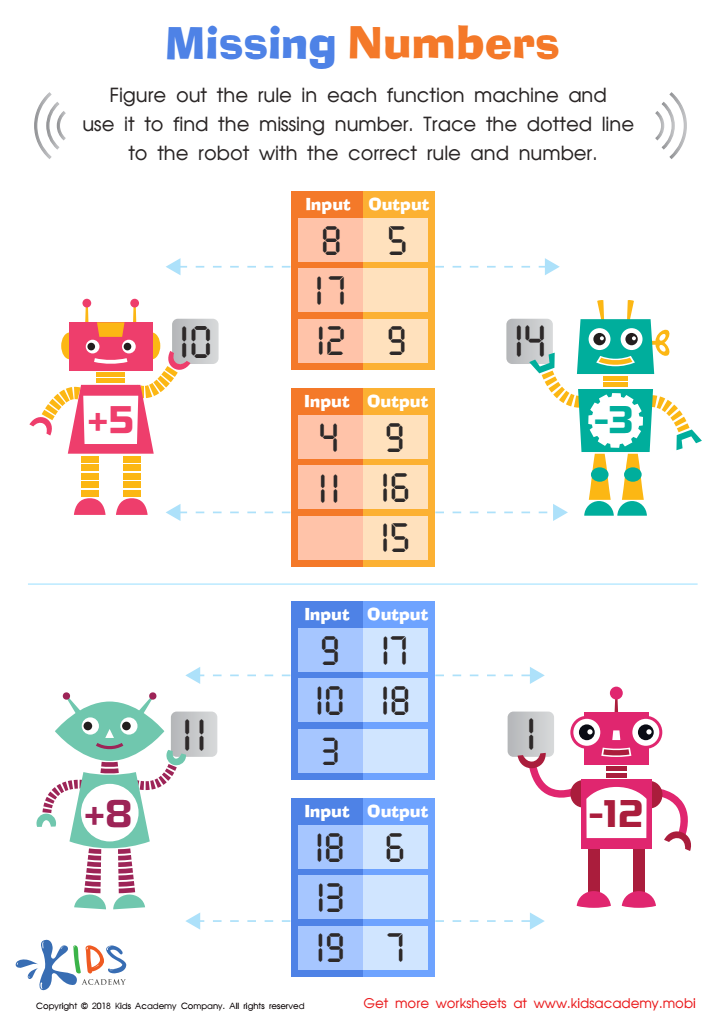
Missing Numbers Worksheet








Sequencing numbers, particularly for children ages 4-7, plays a crucial role in building foundational math skills. First and foremost, it enhances a child's understanding of number order and relationships, which is essential for future arithmetic and mathematical concepts. When children learn to sequence numbers, they develop logical thinking and problem-solving skills that can apply across various subjects, not just math.
Engaging in exercises and challenges to sequence numbers also fosters critical cognitive skills. It encourages children to recognize patterns and make connections, which is vital for developing early literacy skills as well. This level of understanding provides a stepping stone to grasping more complex concepts such as addition and subtraction later on.
Moreover, the "Extra Challenge Numbers" exercises can stimulate curiosity and engagement in young learners. They encourage play and exploration, making learning enjoyable. This excitement about numbers can help cultivate a positive attitude towards mathematics, setting the stage for success in future academic endeavors.
Ultimately, parents and teachers should care about sequencing numbers as it lays the groundwork for essential skills in numeracy and cognitive development, ensuring children gain confidence and proficiency as they mature academically. By supporting these activities, they invest in their child's long-term educational journey.