Critical Thinking Extra Challenge Math Worksheets for Ages 4-7
7 filtered results
-
From - To
Enhance your child's problem-solving abilities with our Critical Thinking Extra Challenge Math Worksheets for ages 4-7. These engaging and thought-provoking exercises are designed to stimulate young minds by blending math skills with critical thinking. Our worksheets offer puzzles, logical reasoning tasks, and multi-step problems to help children develop analytical skills, improve focus, and boost confidence. Perfect for home or classroom use, these activities are an excellent way to support early learners in mastering essential math concepts while fostering a love for learning and intellectual growth. Give your child's brain the challenge it craves with our expertly crafted worksheets.
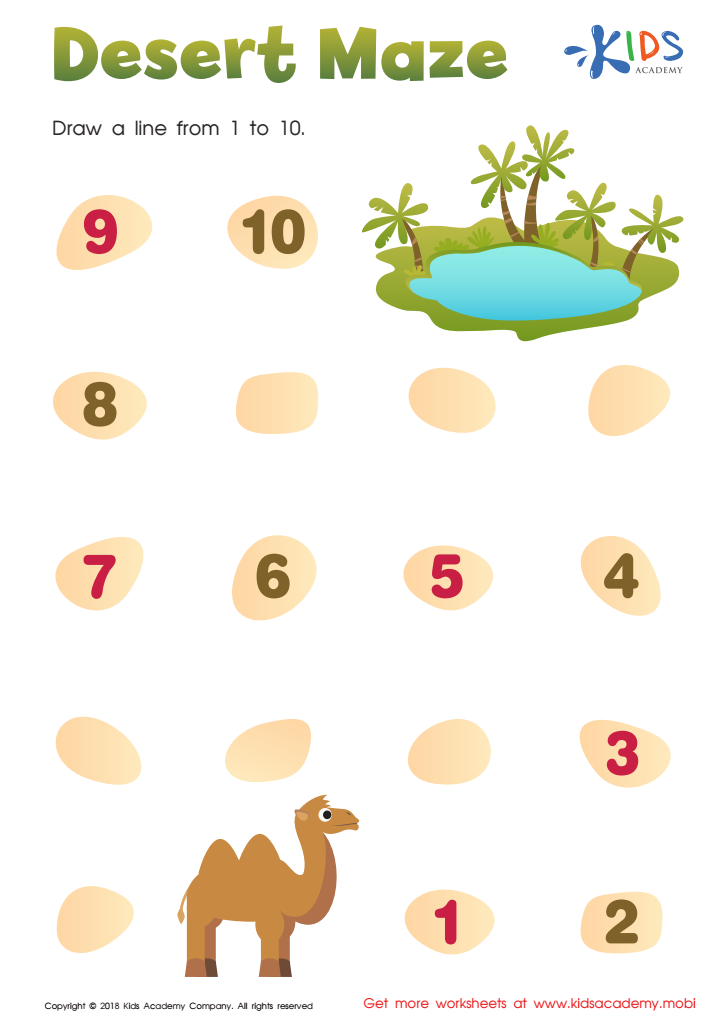
Desert Maze Worksheet
 Assign to My Students
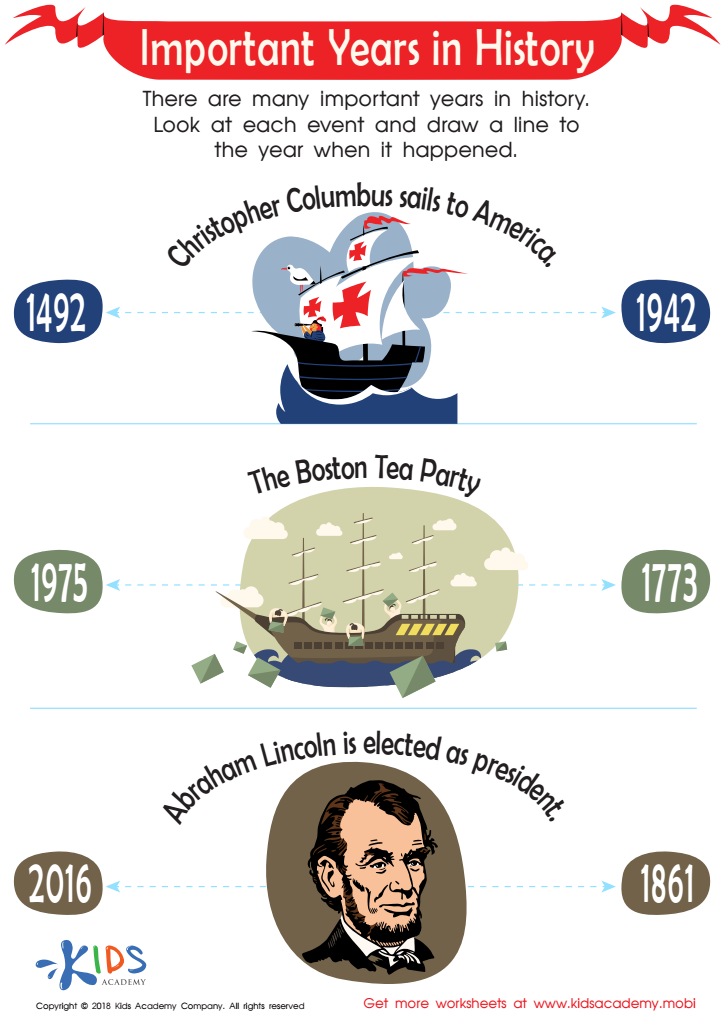
Important Years in History Worksheet
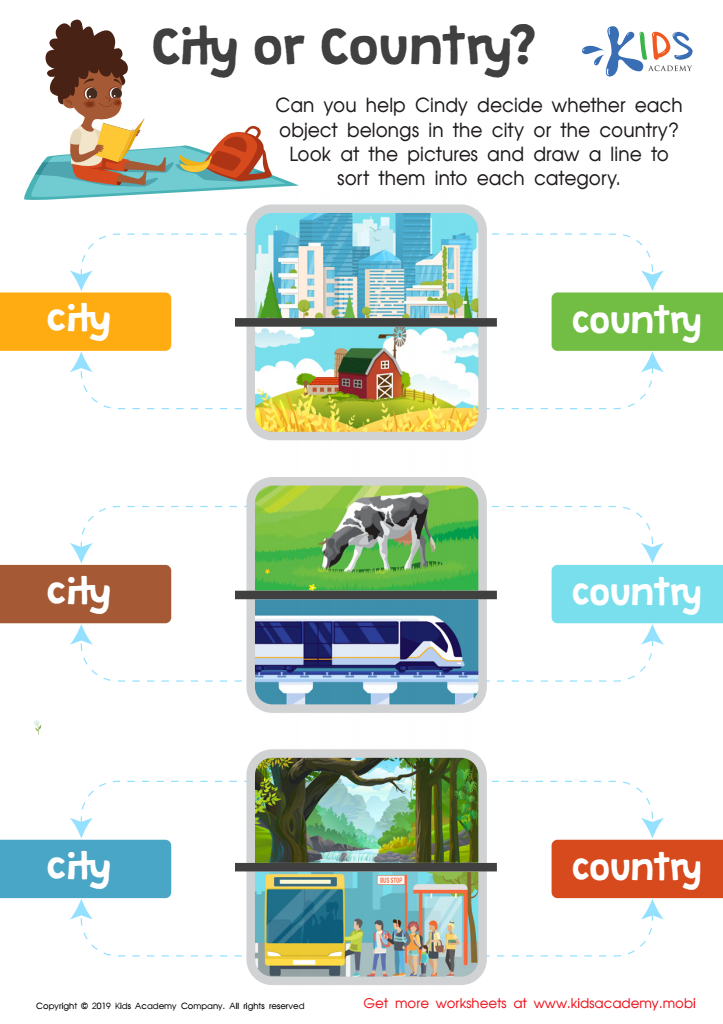
City or Country? Worksheet
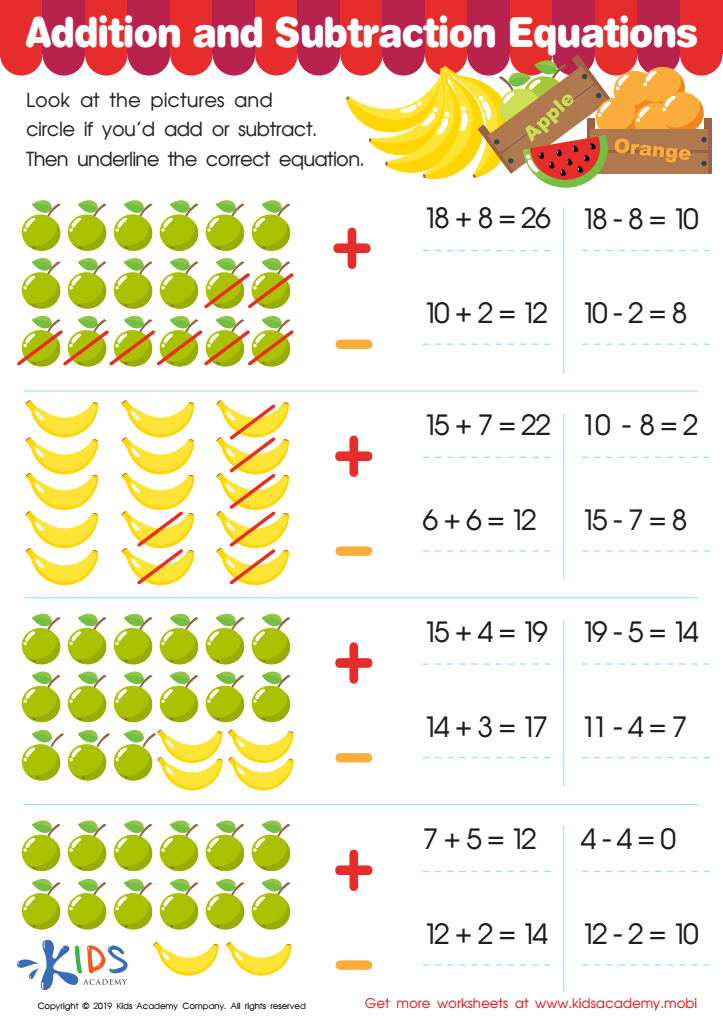
Addition and Subtraction: Equations Worksheet
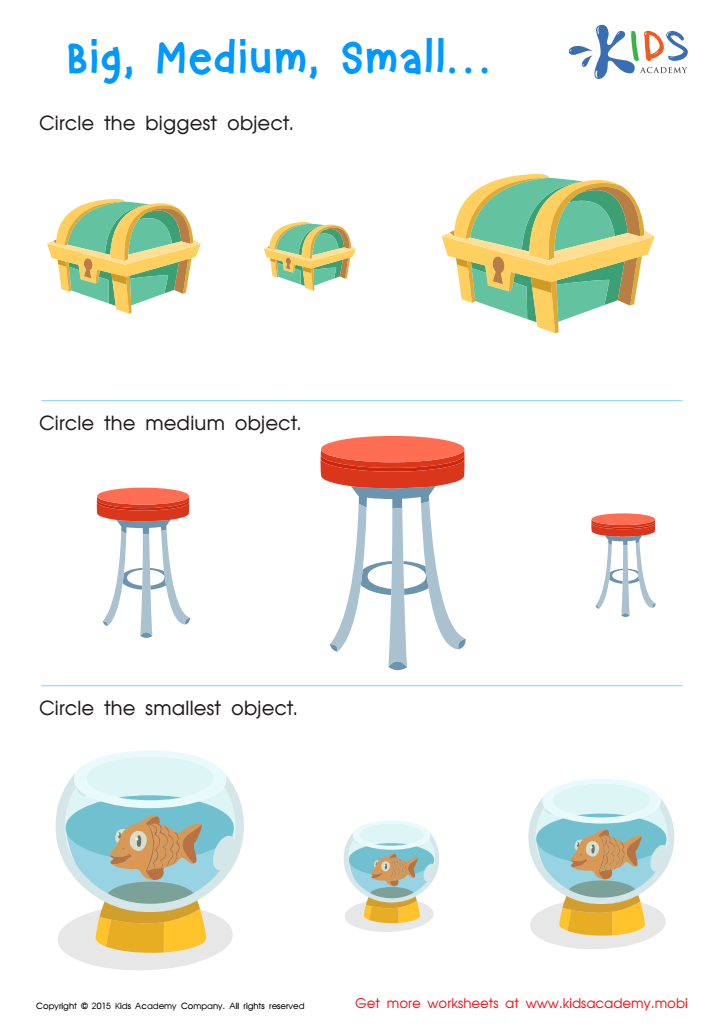
Big Medium Small Worksheet
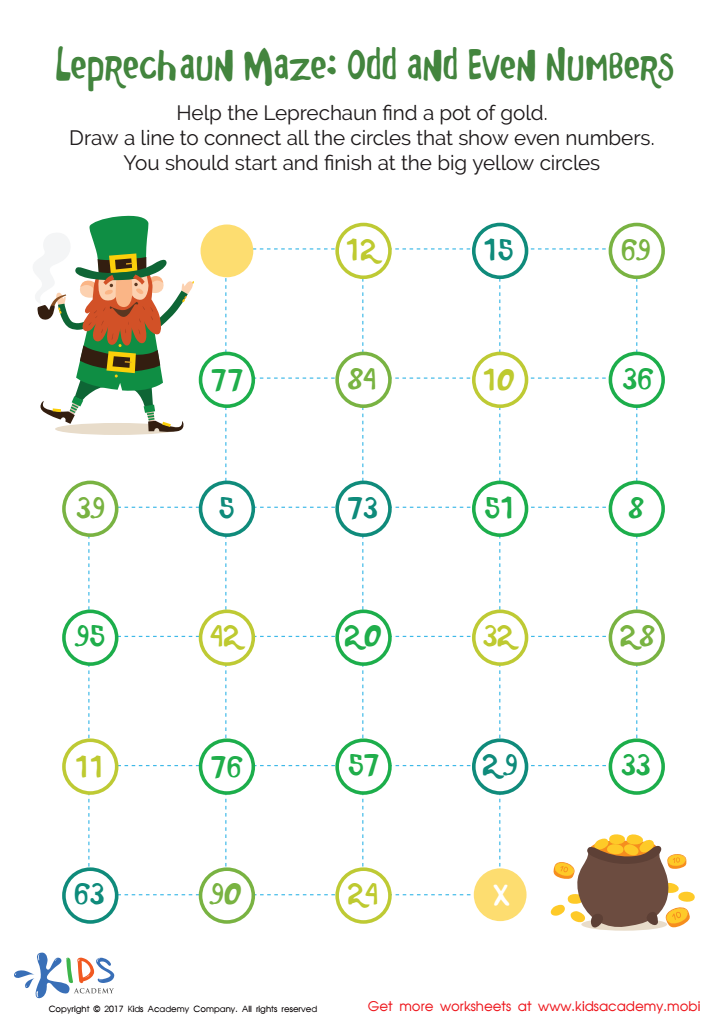
Leprechaun Maze Printable
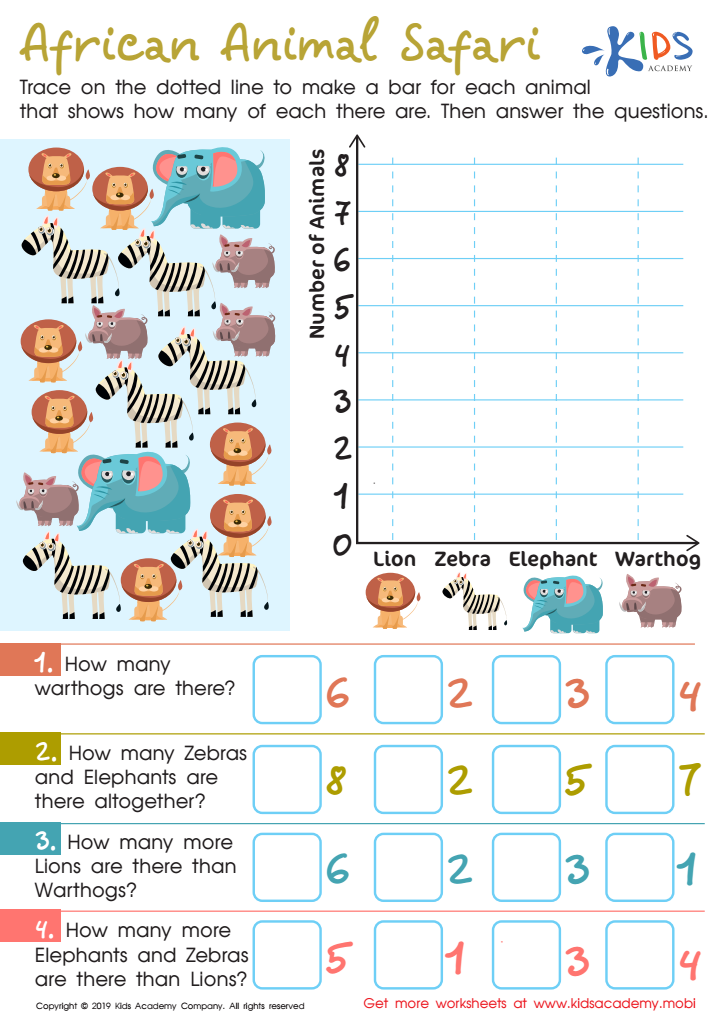
African Animal Safari Worksheet





.jpg)


Critical Thinking Extra Challenge Math activities designed for ages 4-7 are essential for early childhood development, and parents or teachers should highly consider integrating them into their teaching strategies. These activities do more than just introduce basic arithmetic; they foster a foundational capacity for problem-solving, logical reasoning, and analytical thinking.
At this formative age, children rapidly develop cognitive skills that shape their longer-term learning abilities. Engaging in math challenges encourages curiosity and a love for learning, setting the stage for more advanced academic pursuits. Critical thinking in math teaches kids to approach problems systematically and to think outside the box. These skills are transferable beyond math, benefiting reading, writing, and general learning.
Additionally, solving complex problems boosts confidence and instills perseverance as children learn that great results often come from effort and concentration. Guided by parents or teachers in a supportive environment, children feel safe to explore different strategies and learn from mistakes.
At this critical stage, the practices and mindsets nurtured become lifelong habits. Therefore, integrating Critical Thinking Extra Challenge Math into early education can act as a cornerstone for intellectual growth and overall scholastic achievement. By prioritizing these activities, parents and teachers contribute significantly to building a resilient, creative, and intellectually engaged young learner.








