Basic Math Skills Extra Challenge Matching Worksheets for Ages 4-7
3 filtered results
-
From - To
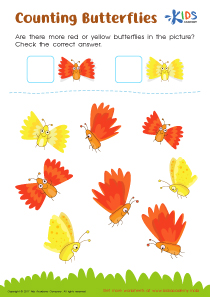
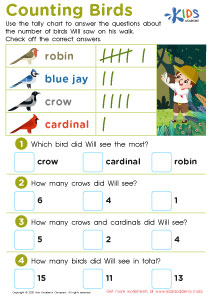
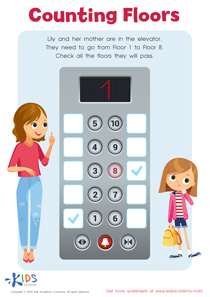
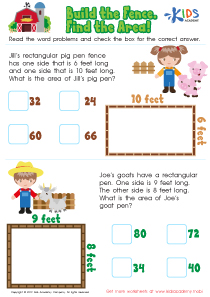
Calling all young math enthusiasts! Our "Basic Math Skills Extra Challenge Matching Worksheets" designed for ages 4-7 offer an engaging way to reinforce foundational math concepts. These worksheets feature fun and interactive matching activities that help children practice essential skills such as number recognition, addition, subtraction, and shape identification. With colorful visuals and age-appropriate challenges, kids will enjoy learning while building confidence in their math abilities. Perfect for classroom use or at-home practice, these worksheets make mastering basic math a delightful journey. Let's empower your little learners to explore the wonders of mathematics through play and creativity!
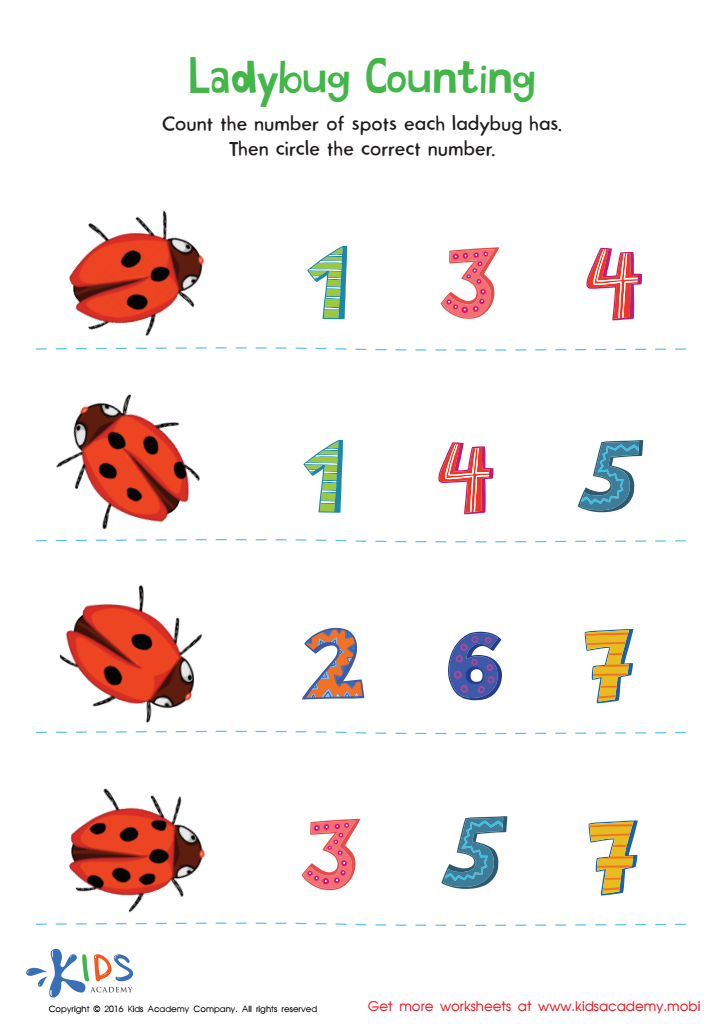
 Assign to My Students
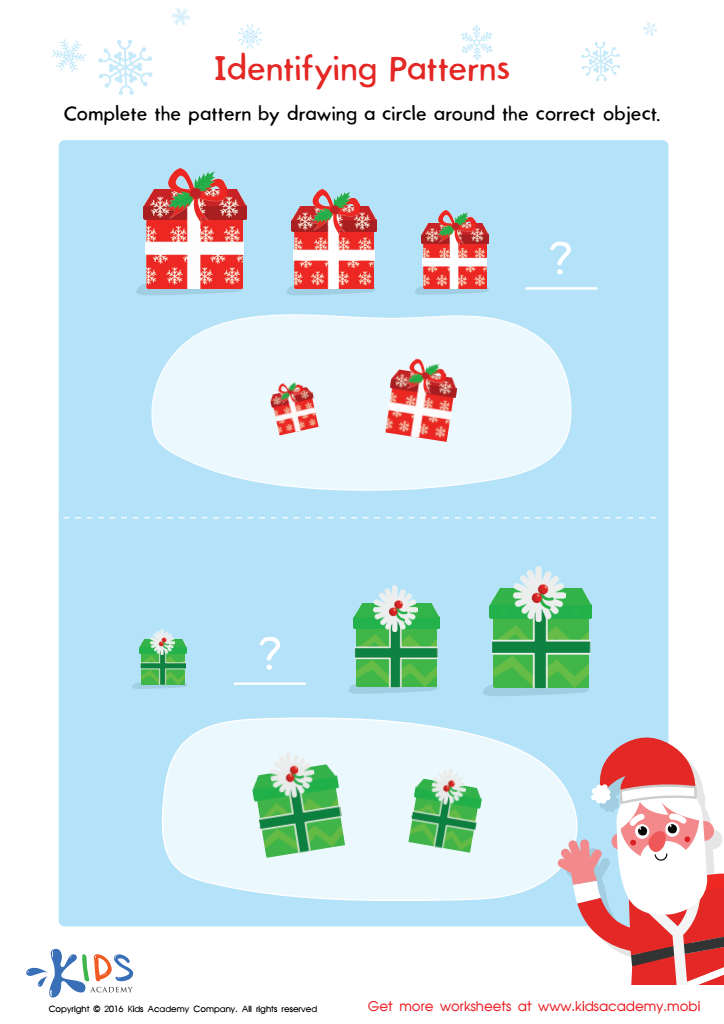
Identifying Patterns Worksheet
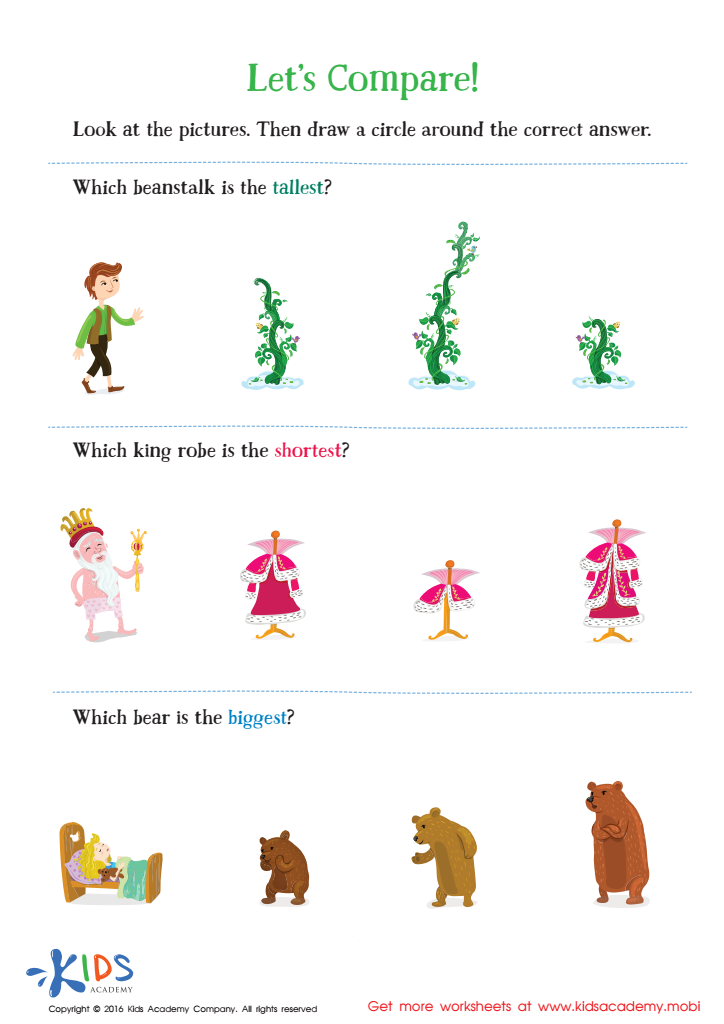
Fairy Tale Worksheet: Let's Compare








Basic Math Skills Extra Challenge Matching for Ages 4-7 is an essential educational tool that promotes early numeracy in young children. Parents and teachers should prioritize these activities as they provide a foundational understanding of mathematical concepts.
At this age, children are at a critical stage of cognitive development, where they are curious and eager to learn. Engaging them with matching activities helps to build essential skills such as number recognition, counting, and simple problem-solving. Such practices not only enhance mathematical understanding but also foster critical thinking and cognitive flexibility.
Moreover, these challenges present a fun and interactive way for children to engage with math. Teaching through play encourages a positive attitude towards learning, which is key in motivating children to pursue complex concepts later on. By integrating these tools, parents and teachers can help develop confidence and resilience in learning, reinforcing the notion that making mistakes is part of the learning process.
In addition, early exposure to math can improve performance in later schooling, setting a solid foundation for academic success. Commitment to engaging math practices during these formative years is critical, influencing children's future attitudes towards math and learning in general.