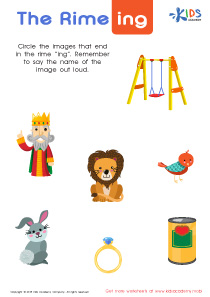
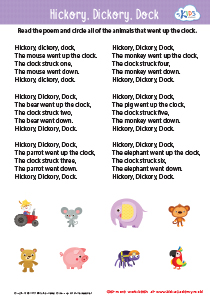
Extra Challenge Building Vocabulary Worksheets for Ages 4-7 - Page 2
27 filtered results
-
From - To
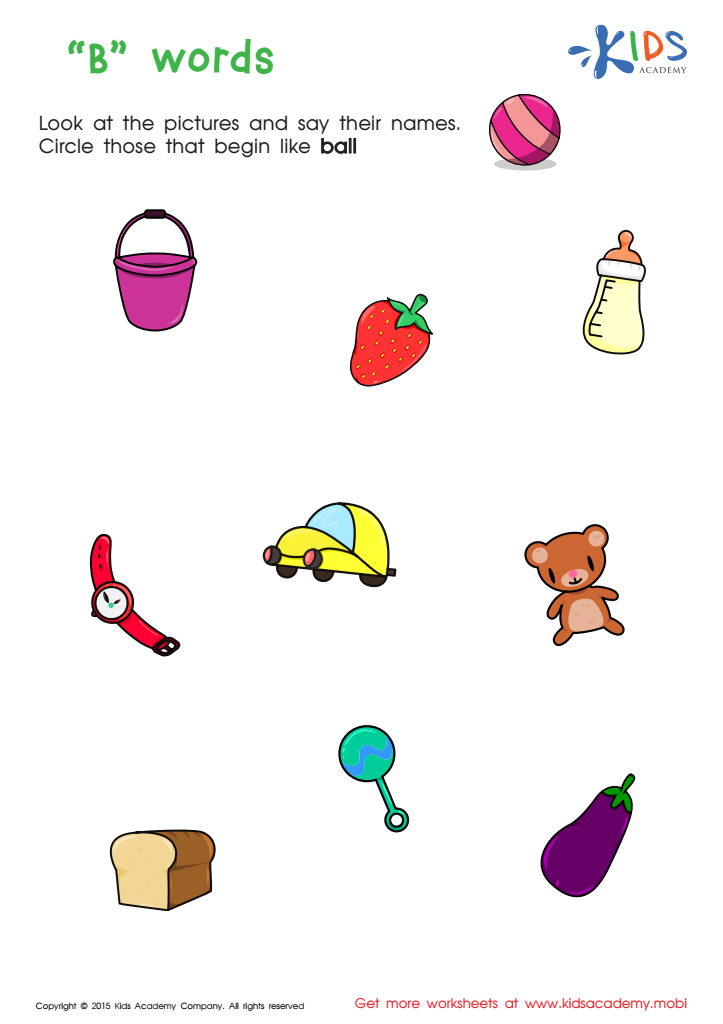
First Words Worksheet
 Assign to My Students











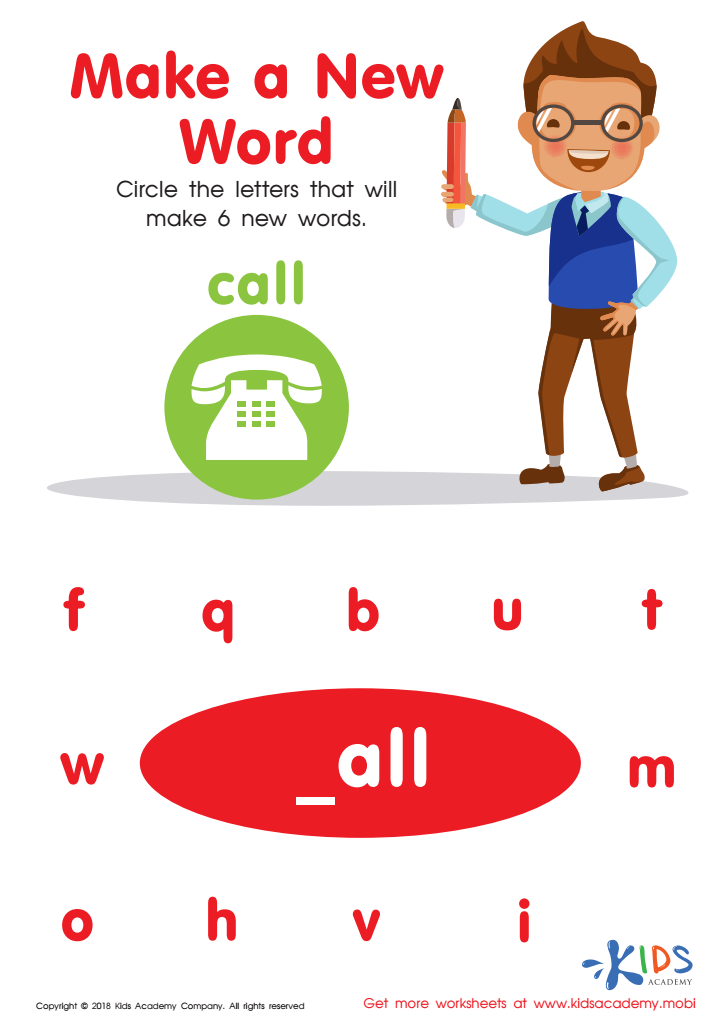
Make a New Word Worksheet
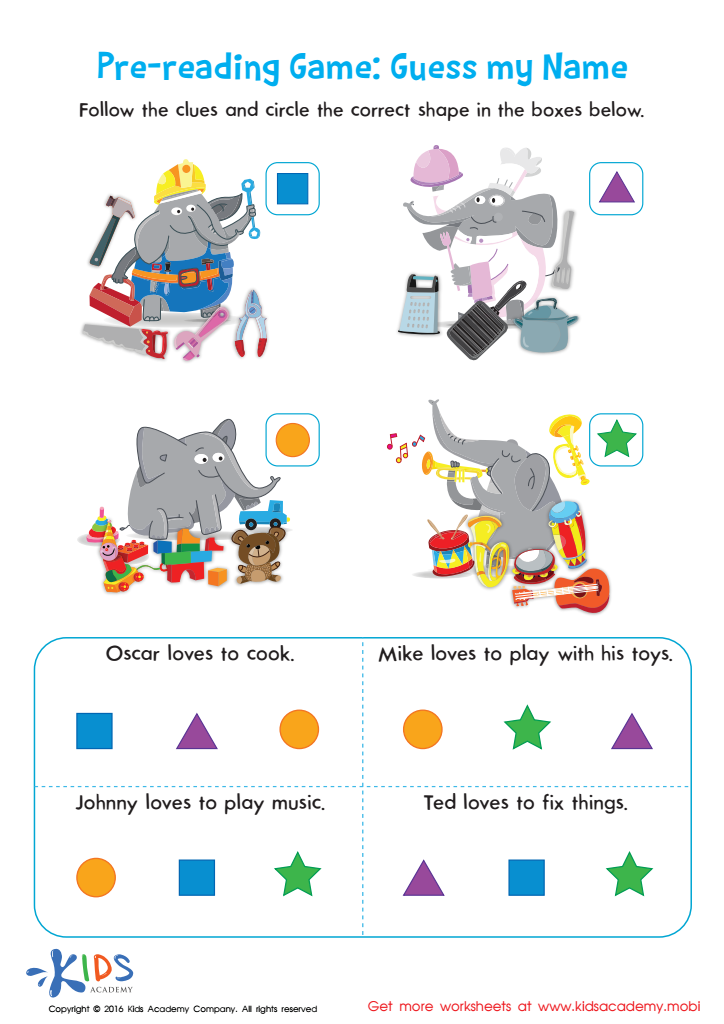
Pre Reading Worksheet Guess My Name






.jpg)
Parents and teachers should prioritize Extra Challenge Building Vocabulary for children ages 4-7 because a strong vocabulary is foundational for academic success and effective communication. During these formative years, children are curious and eager to learn, making it an ideal time to introduce new words and concepts. Enhancing vocabulary helps boost reading comprehension, enabling children to grasp stories better and engage with various subject matters. Additionally, a rich vocabulary empowers children to express their thoughts and feelings more clearly, fostering self-confidence in both social and academic settings.
Moreover, building vocabulary can stimulate cognitive development and critical thinking skills. It promotes curiosity about the world, encouraging children to ask questions, make connections, and develop a love for learning. Engaging vocabulary activities, whether through games, storytelling, or interactive discussions, can make learning enjoyable and memorable.
By emphasizing vocabulary development, parents and teachers not only equip children with essential skills for school but also lay the groundwork for lifelong learning and communication. Investing time in vocabulary and language challenges nurtures intellectual growth, social skills, and emotional intelligence, ensuring children are well-prepared for future academic endeavors and interactions. This focus on vocabulary allows children to thrive in an increasingly complex world.