Critical Thinking Extra Challenge Reading Worksheets for Ages 4-7
6 filtered results
-
From - To
Discover engaging "Critical Thinking Extra Challenge Reading Worksheets for Ages 4-7" that foster cognitive skills and literacy. Perfectly crafted for curious young minds, these worksheets blend reading comprehension with problem-solving exercises to stimulate analytical thinking. Kids will tackle puzzles, answer thought-provoking questions, and embark on interactive story adventures. Each worksheet is designed to develop essential critical thinking skills and encourage a love of reading. Ideal for use in both classroom and at-home learning environments, these resources make learning fun, challenging, and rewarding. Set the foundation for future academic success with our dynamic critical thinking activities!
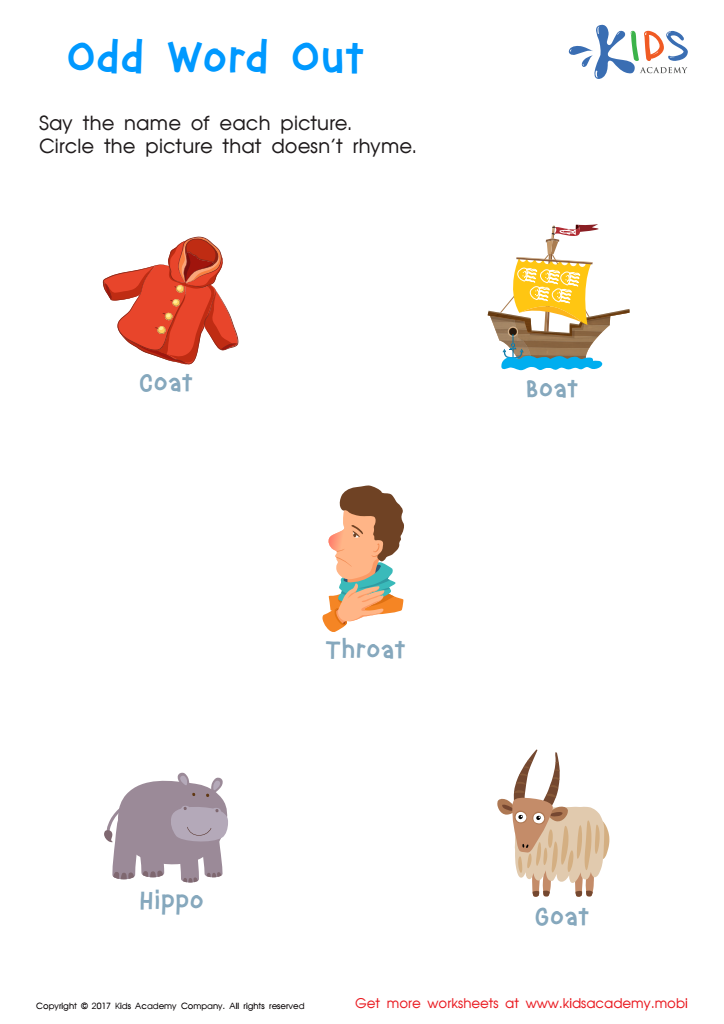
Odd Word Out Rhyming Worksheet
 Assign to My Students
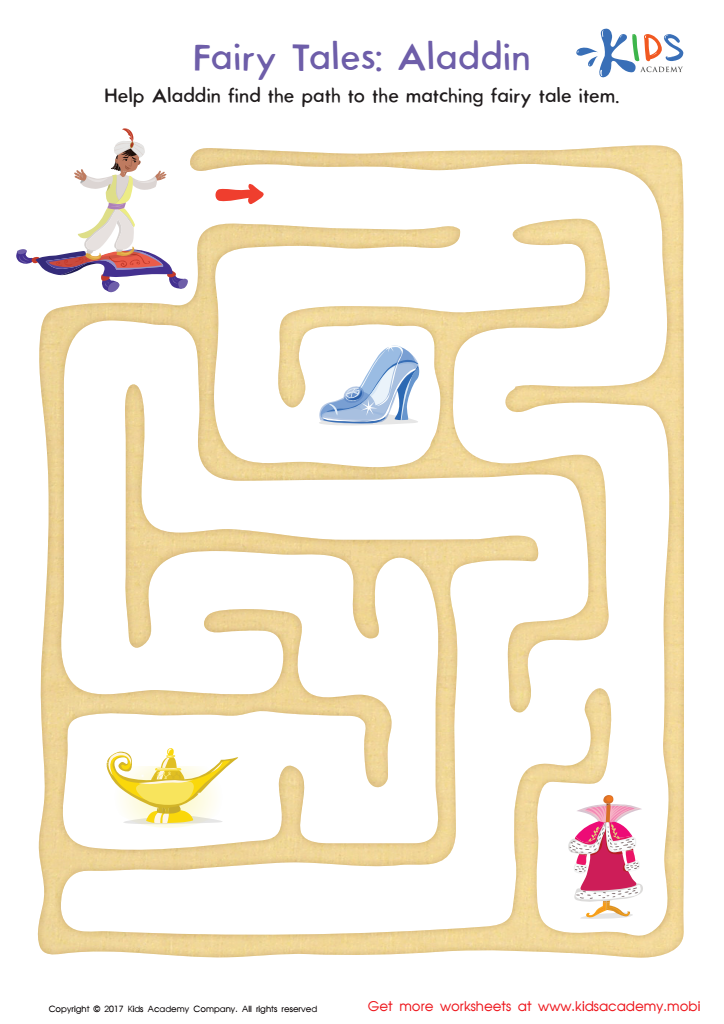
Fairy Tales Aladdin Printable
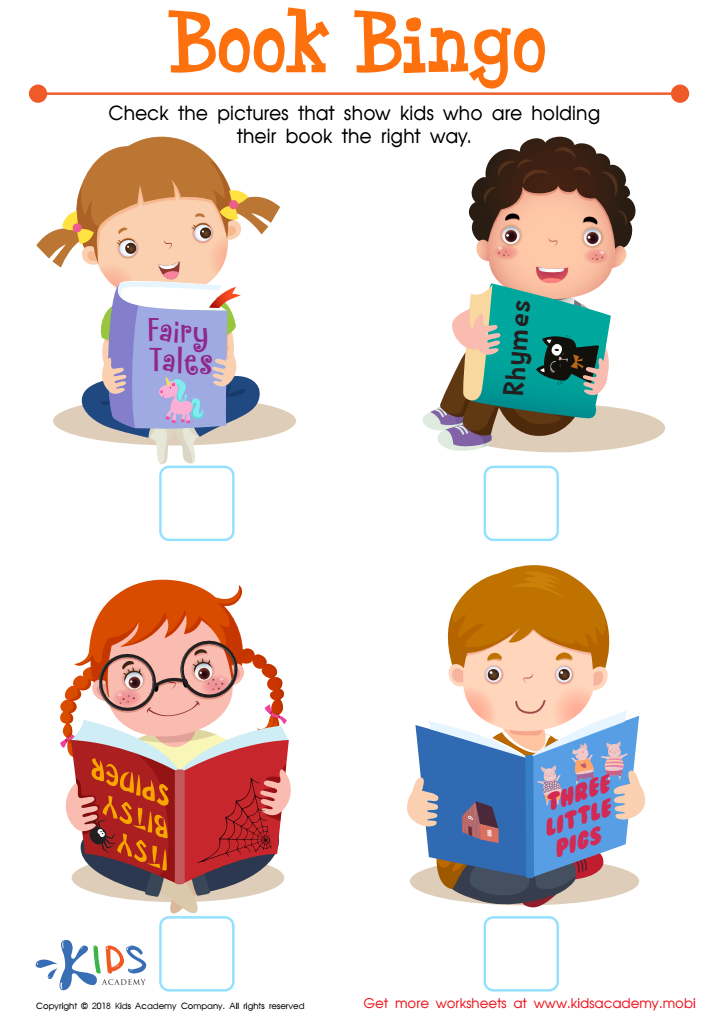
Book Bingo Worksheet
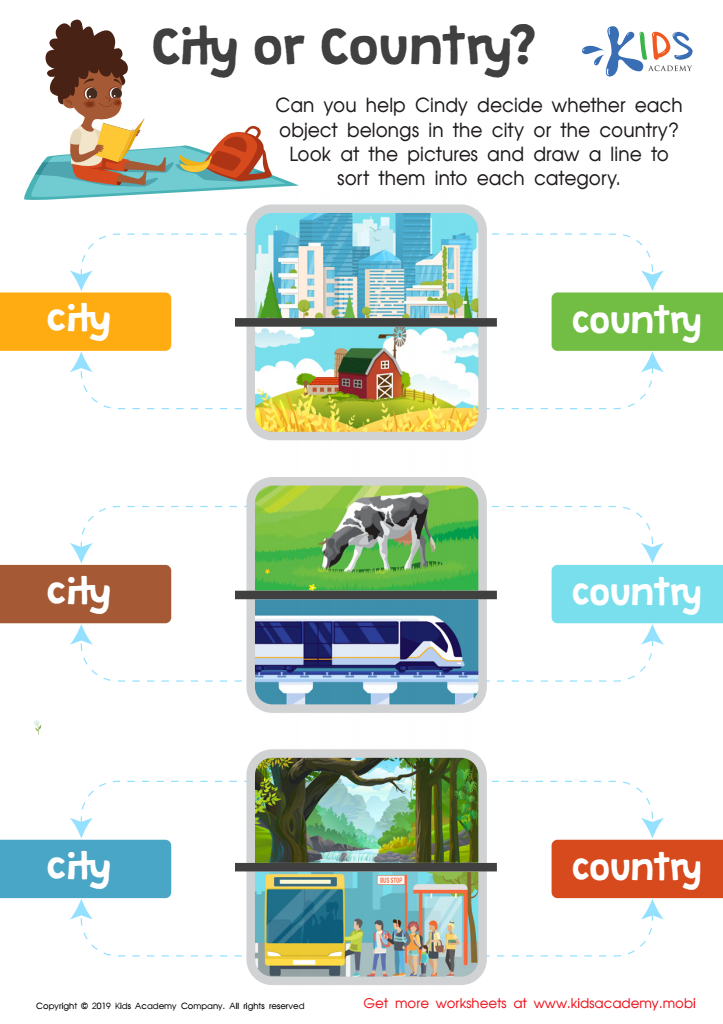
City or Country? Worksheet
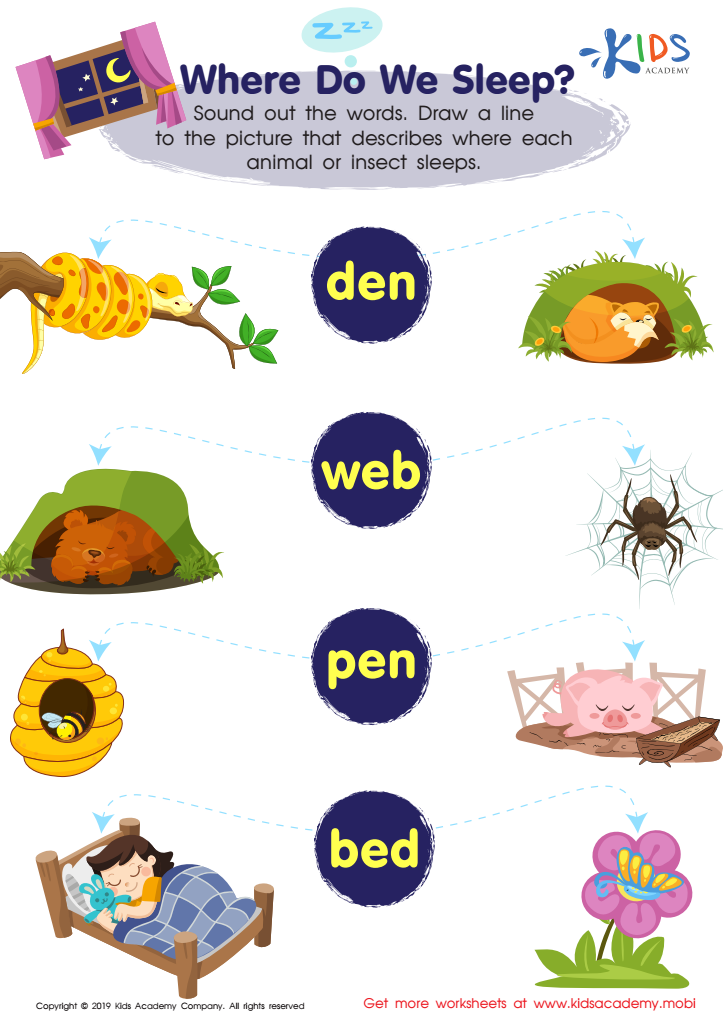
Where Do We Sleep Worksheet
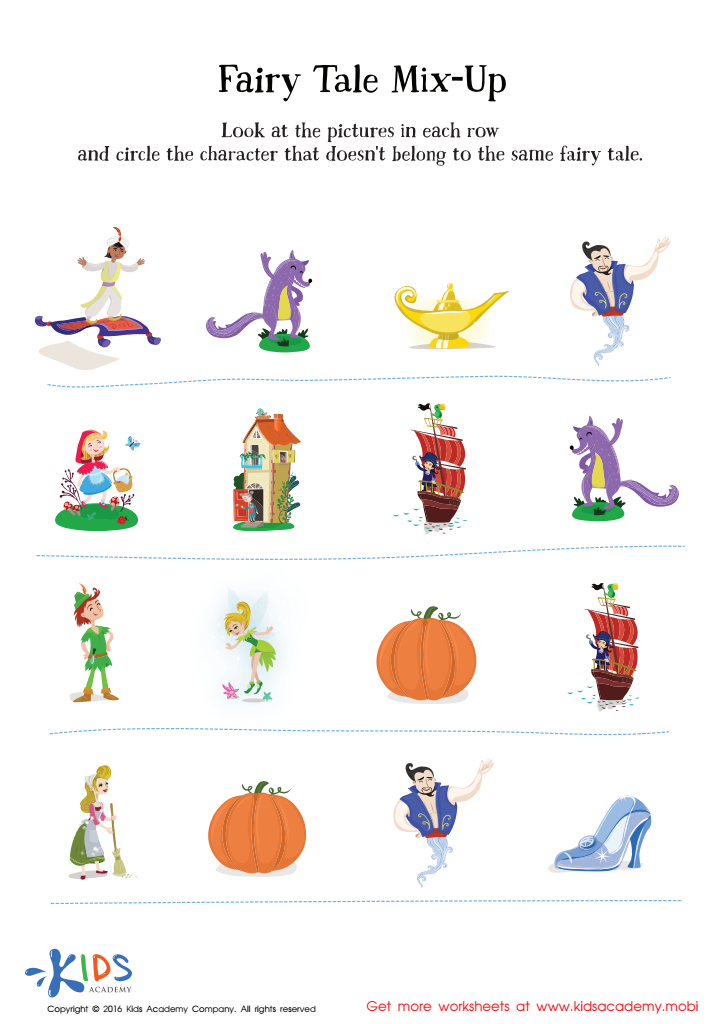
Fairy Tale Worksheet: Story Mix Up








Cultivating critical thinking skills in children aged 4-7 through extra challenge reading exercises is pivotal for their cognitive and academic development. At this age, children are remarkably receptive and inquisitive, rapidly absorbing information. Introducing critical thinking challenges encourages them to ask questions, seek evidence, and solve problems creatively, laying a strong foundation for future learning.
Parents and teachers should prioritize these skills because they promote deeper comprehension and engagement with text. These exercises go beyond mere word recognition, pushing children to make predictions, draw inferences, and relate story events to their own experiences. The ability to think critically about reading material supports improved vocabulary and language skills. Additionally, it fosters independent learning, as children learn to analyze and evaluate information rather than passively consuming it.
Moreover, critical thinking in early childhood education enhances decision-making and problem-solving abilities, essential life skills that contribute to success in various fields. Teachers and parents who emphasize these activities also help children develop resilience and adaptability by encouraging a growth mindset. By appreciating the importance of questions over rote answers, young learners become proficient not just in academics but in life’s myriad challenges, setting them on a path to thoughtful and informed adulthood.