Color recognition Extra Challenge Math Worksheets for Ages 4-8
5 filtered results
-
From - To
Unlock your child's potential with our "Color Recognition Extra Challenge Math Worksheets," specifically designed for ages 4-8. These engaging worksheets combine the fundamentals of color recognition with essential math skills, making learning fun and interactive. Kids will explore vibrant colors while solving puzzles, enhancing their cognitive abilities, and reinforcing their understanding of numbers and shapes. Ideal for both classroom use and at-home learning, our extra challenge worksheets cater to diverse learning styles and support early math proficiency. Perfect for parents and educators looking to provide a well-rounded, stimulating educational experience, our activities encourage critical thinking and creativity in young learners.
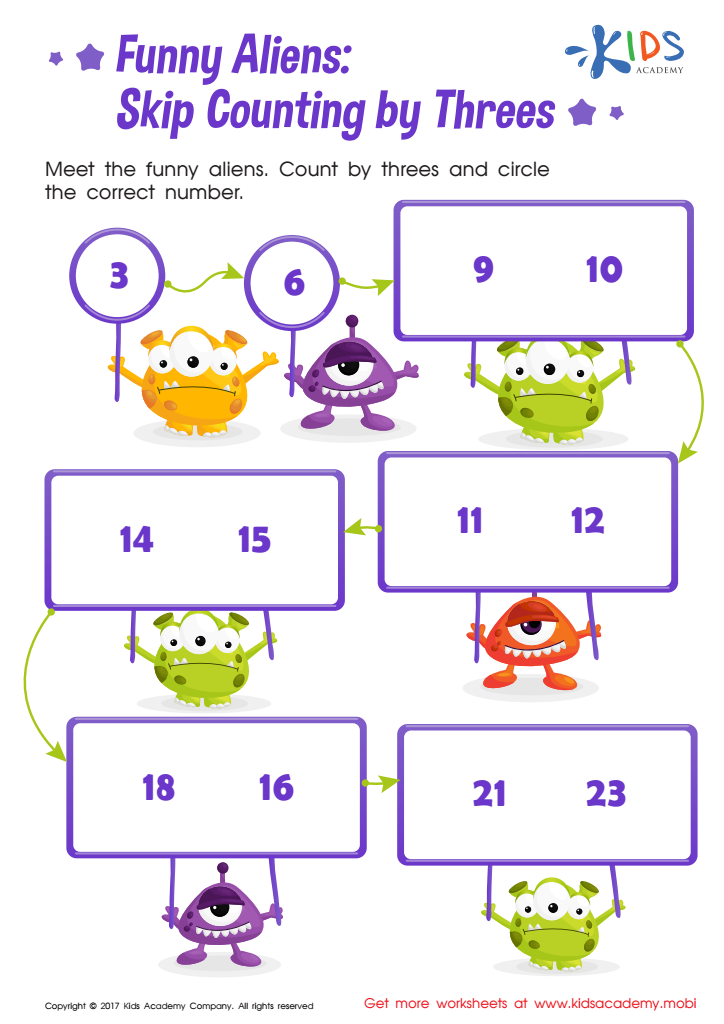
Skip Counting by 3s: Funny Aliens Printable
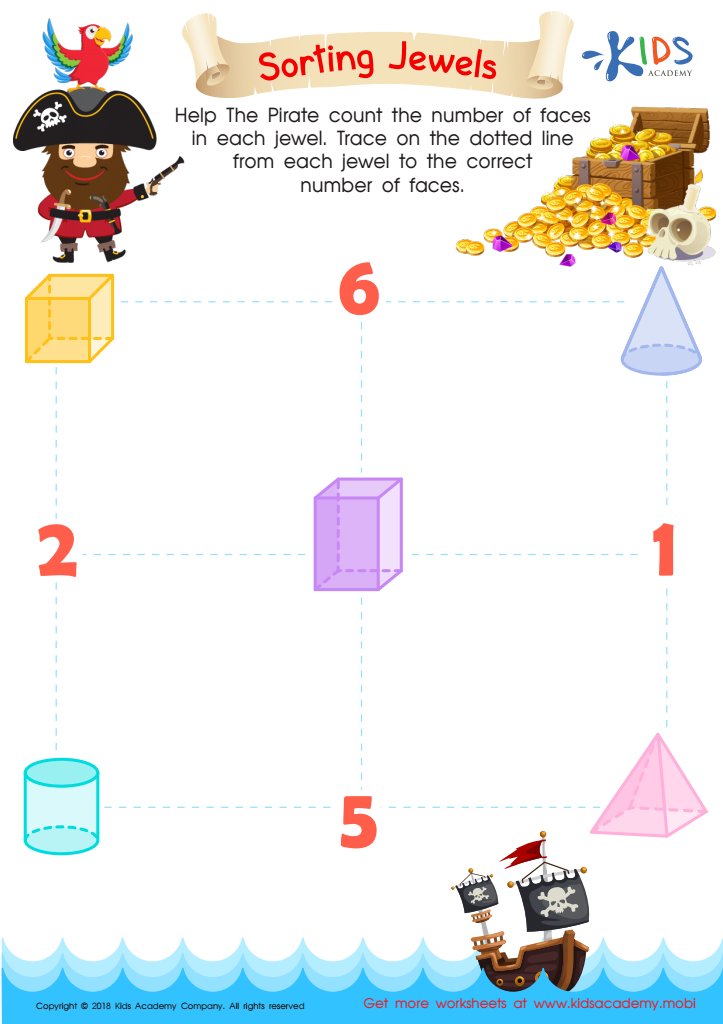
Sorting Jewels Worksheet
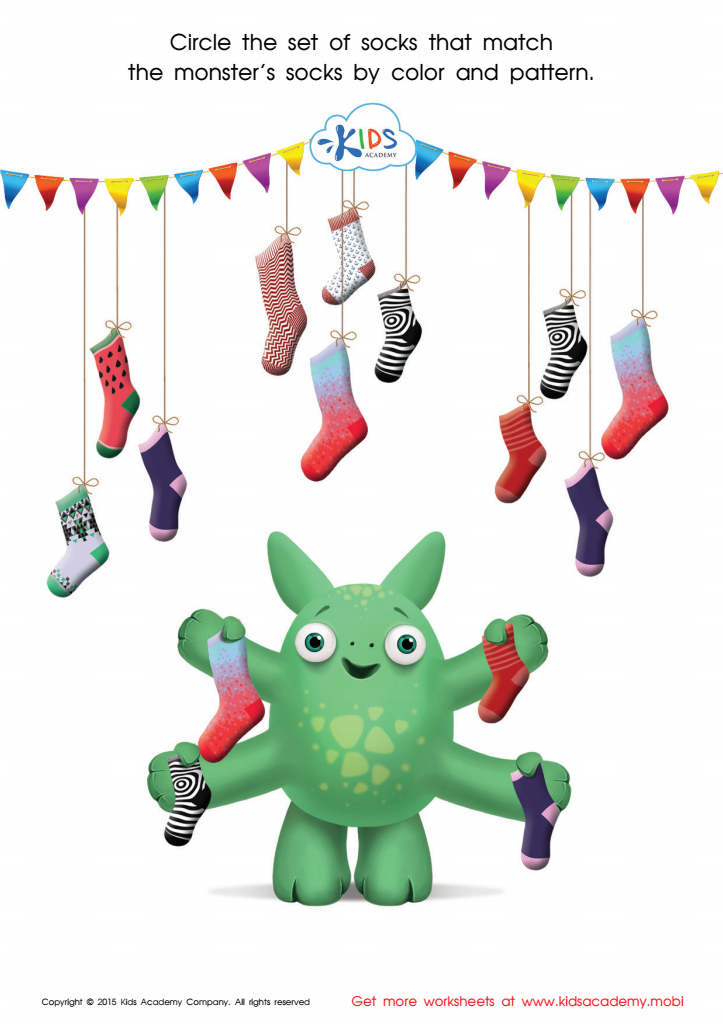
Sort the Monster's Socks Worksheet
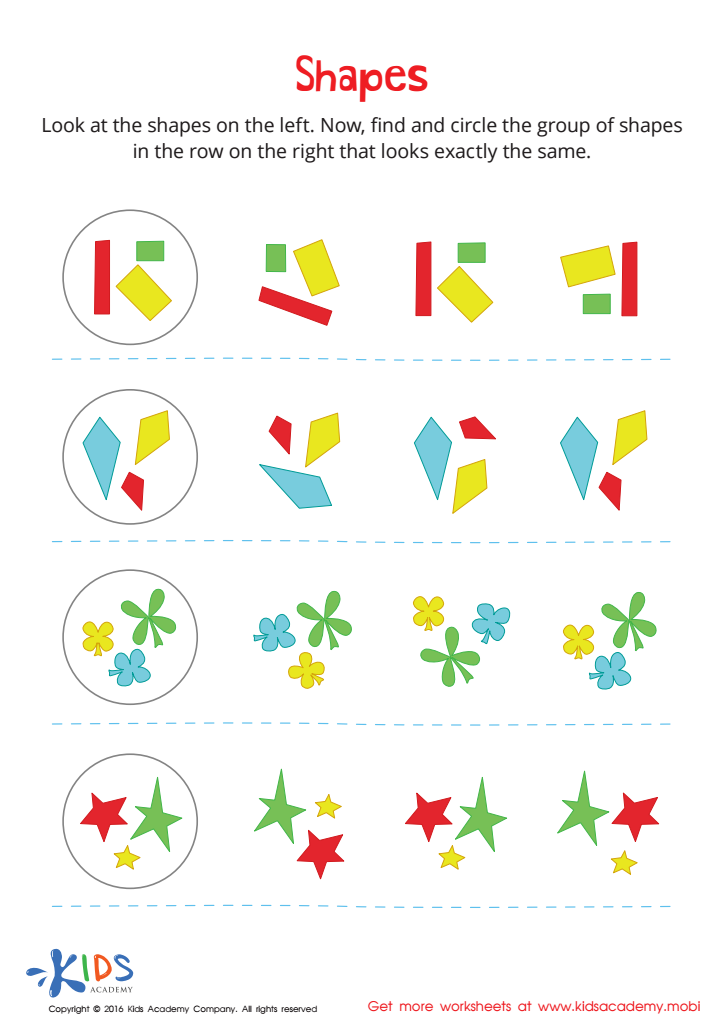
Shapes Worksheet
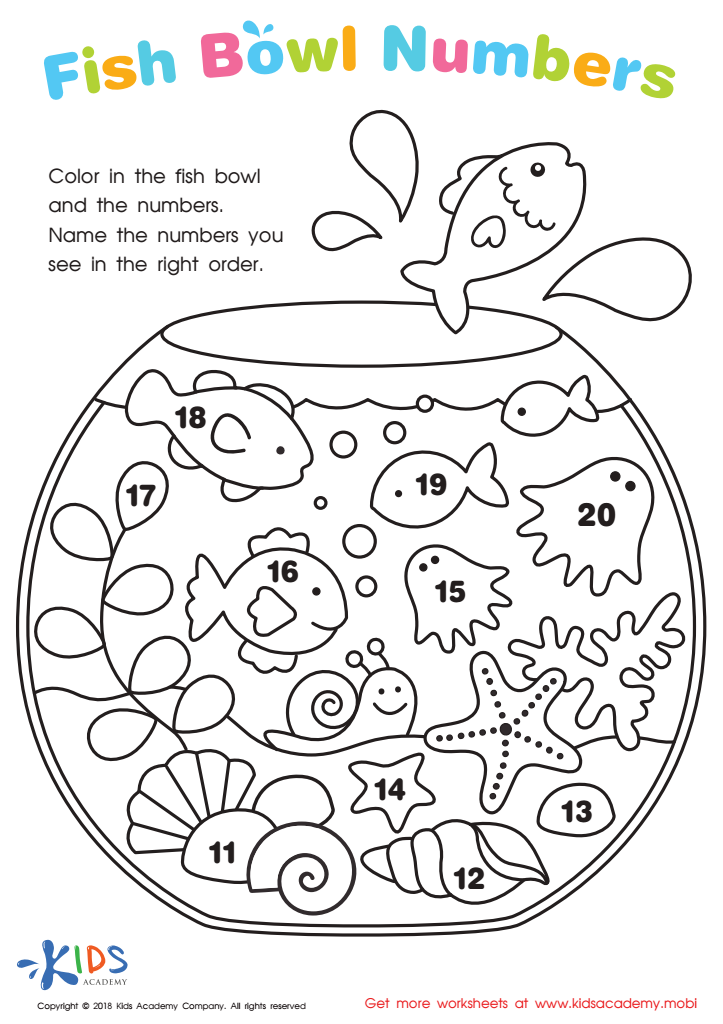
Fish Bowl Numbers Worksheet
 Assign to My Students



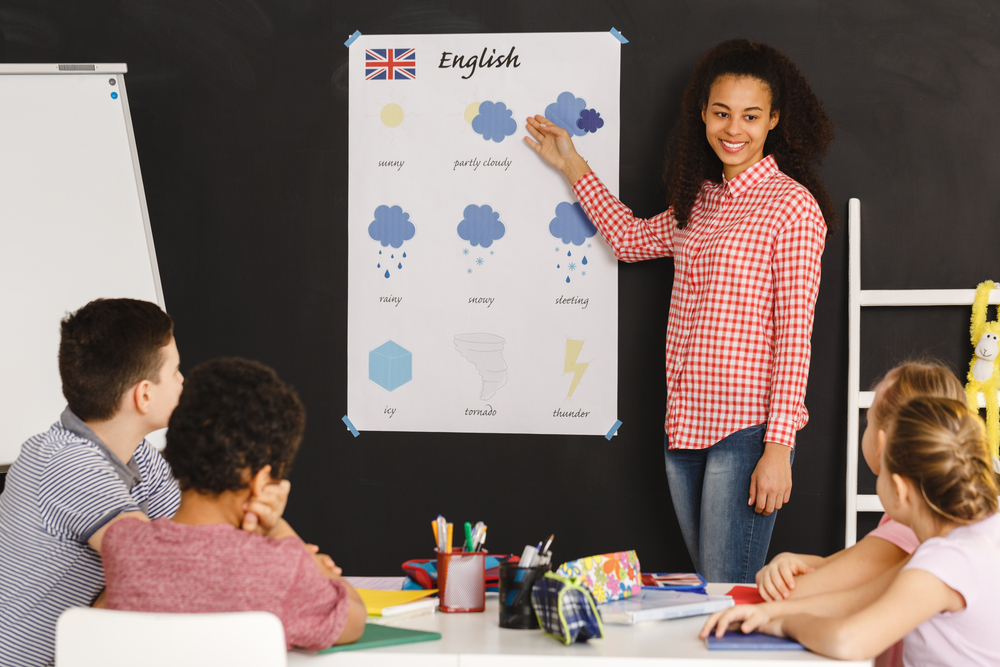




Color recognition is a foundational skill that significantly shapes early learning and cognitive development in children aged 4-8. For parents and teachers, an engaging program like Color Recognition Extra Challenge Math can be instrumental. First, understanding colors enhances a child’s ability to categorize and classify objects, laying a crucial groundwork for logical thinking and problem-solving.
Mathematics does not exist in isolation; it is intertwined with various aspects of learning, including art and science, where colors play a vital role. Programs that integrate color recognition into math can make learning more relatable and fun, ensuring children remain engaged and motivated.
Additionally, color recognition aids communication skills. When children can accurately identify colors, they can describe their environment more effectively and express their thoughts clearly. This program fosters collaboration and social interaction, essential components for holistic development.
Furthermore, for teachers, employing interactive and innovative tools like Color Recognition Extra Challenge Math can enhance classroom dynamics, making lessons more stimulating and diverse. Ultimately, investing in these skills ensures that children develop the necessary competencies to thrive both academically and socially, establishing a strong foundation for future learning.