Alphabet Recognition Extra Challenge ABC Order Worksheets for 4-Year-Olds
3 filtered results
-
From - To
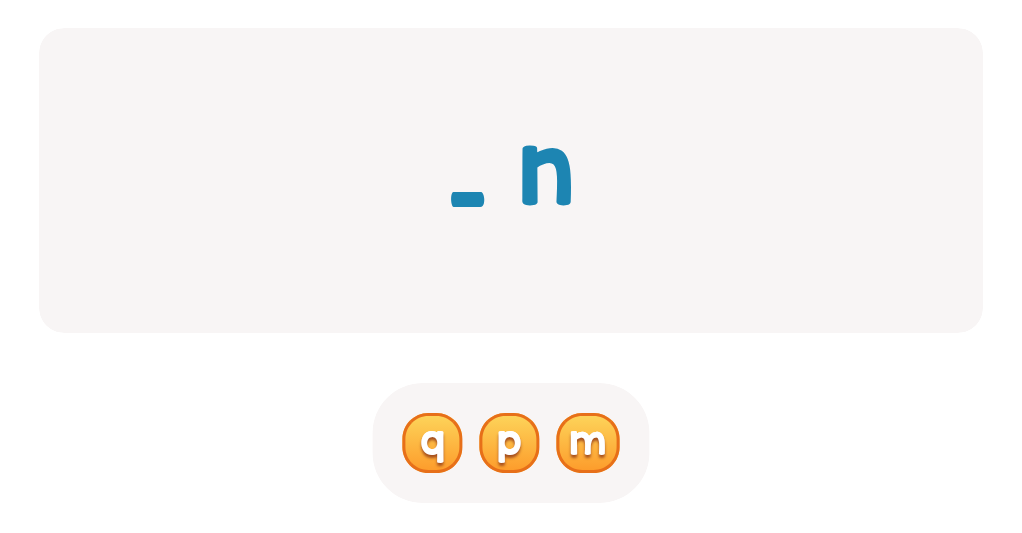
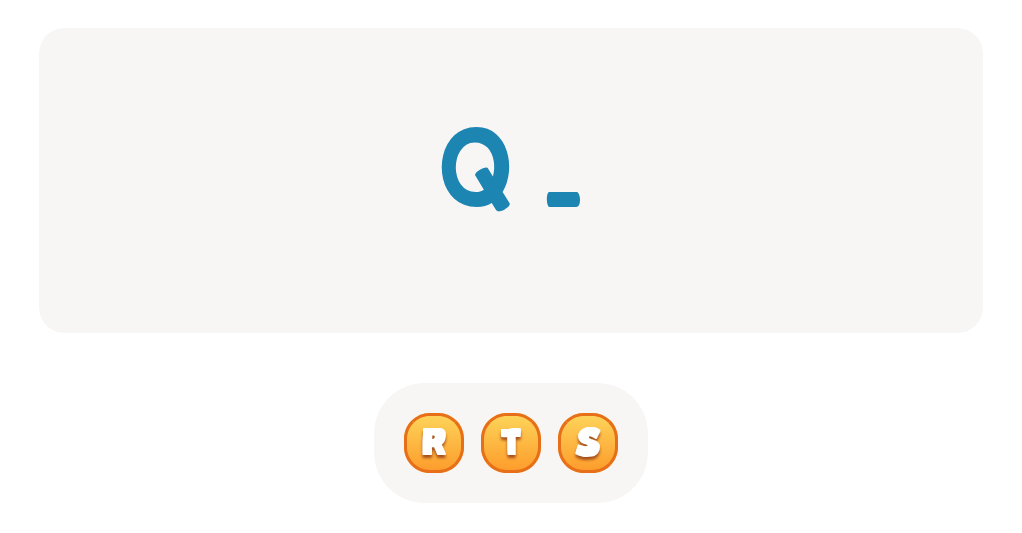
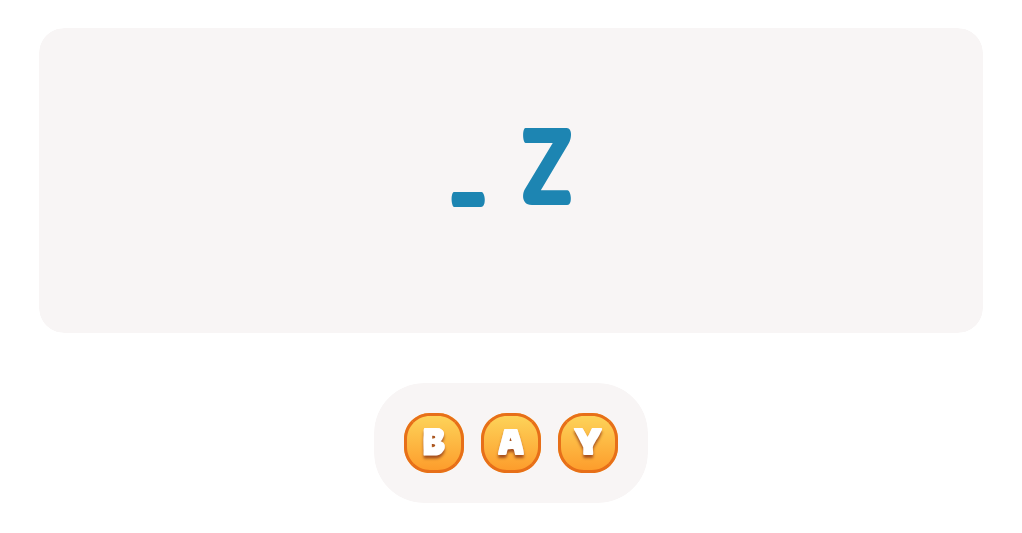
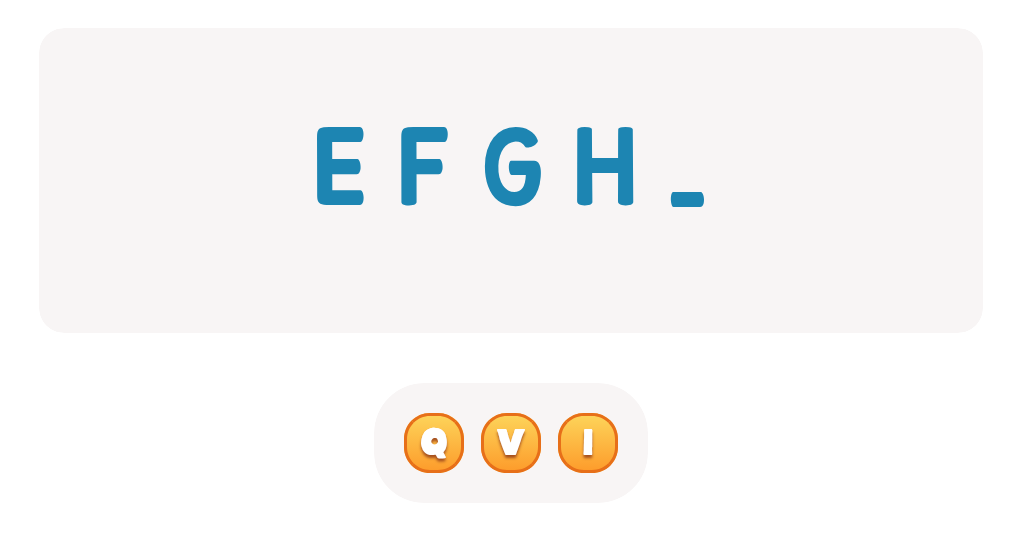
Enhance your child's alphabet recognition skills with our "Alphabet Recognition Extra Challenge ABC Order Worksheets" designed specifically for 4-year-olds! These engaging worksheets help young learners master the sequence of letters in a fun, interactive way. Through a variety of activities such as tracing, coloring, and ordering, children will develop a strong understanding of the alphabet while building their fine motor skills. Ideal for parents and educators, these worksheets provide a solid foundation for future reading and writing abilities. Elevate your child’s learning experience with our comprehensive and enjoyable worksheets that make learning the alphabet an exciting adventure!
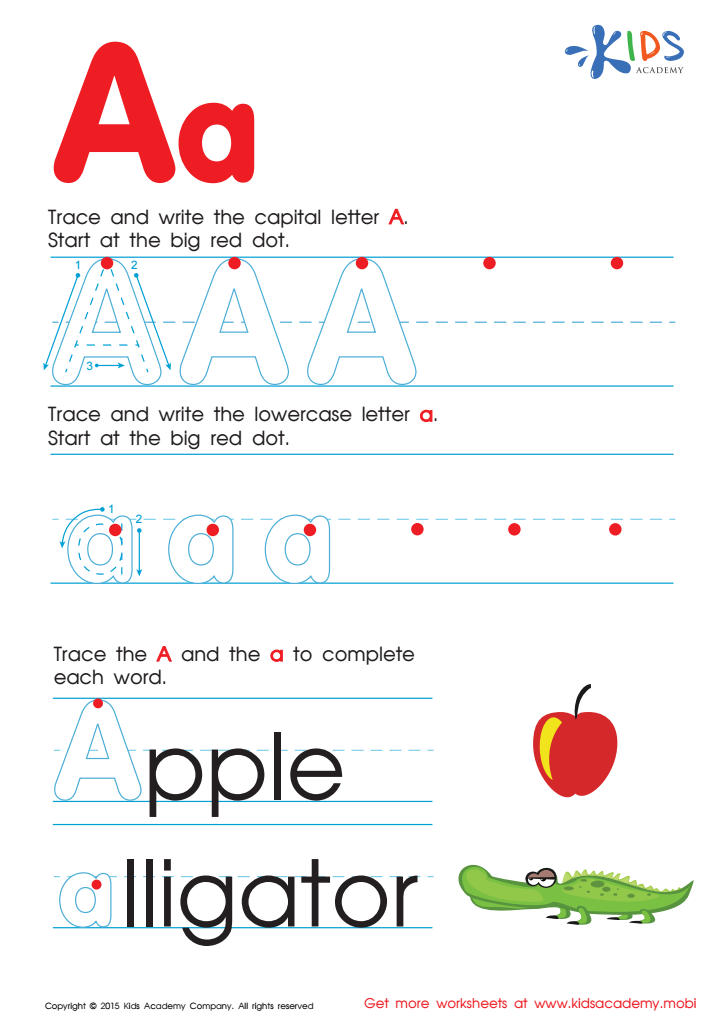
Letter A Tracing Page
 Assign to My Students


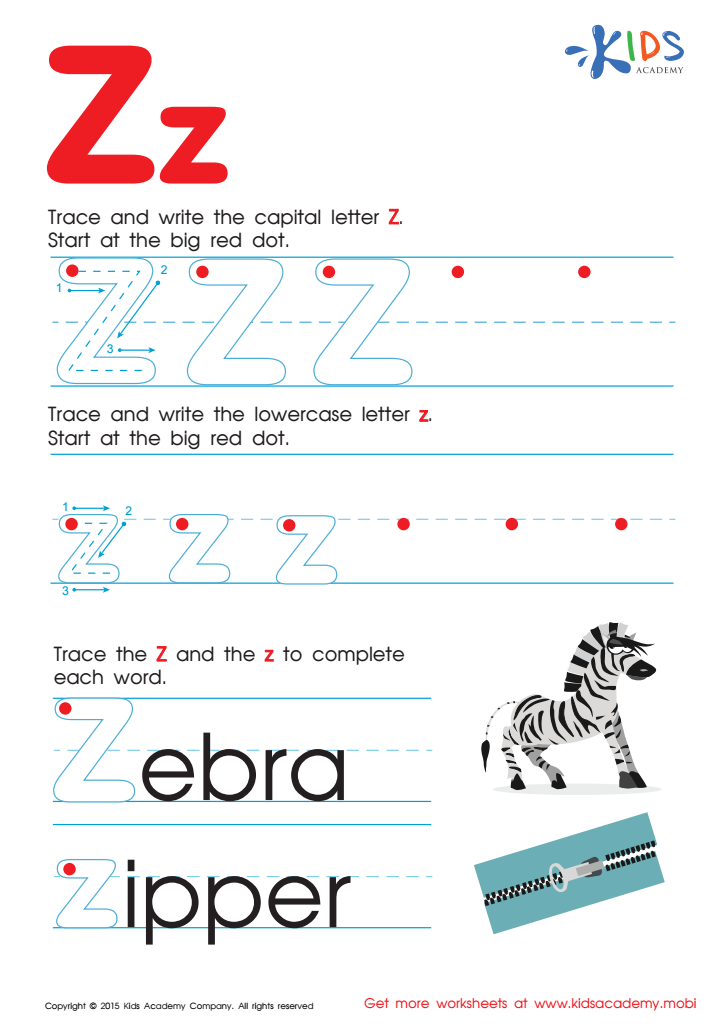
Letter Z Tracing Page
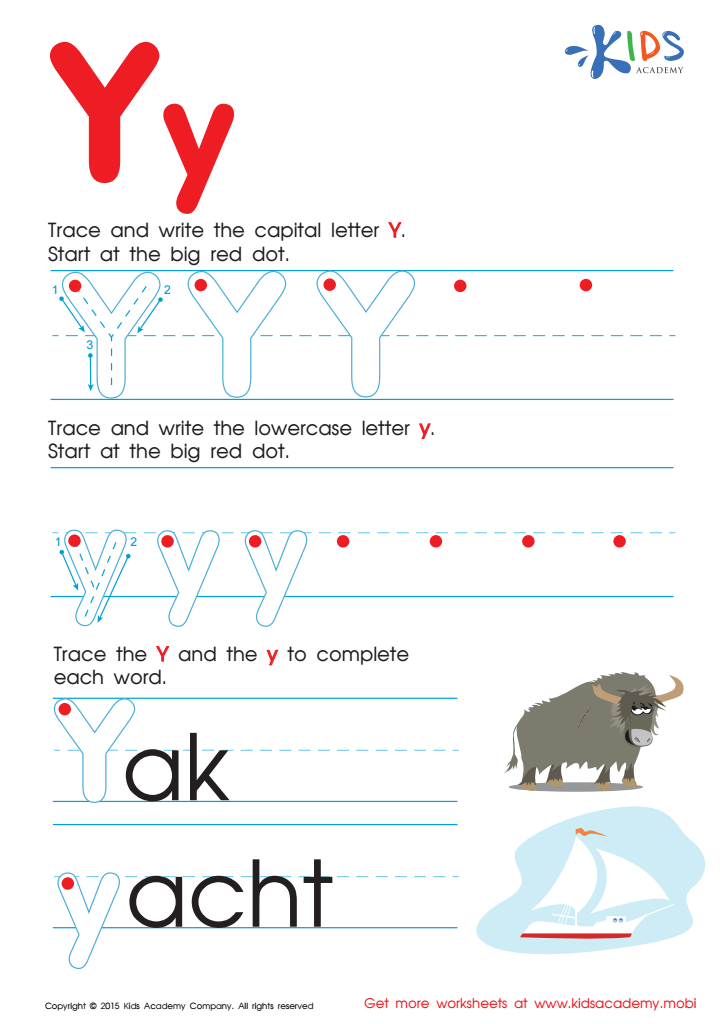
Letter Y Tracing Page







Alphabet Recognition Extra Challenge ABC Order for 4-Year-Olds is vitally important for early childhood development. At this age, children are naturally curious and eager to learn, making it an ideal time to introduce letters and their order. Mastering the alphabet lays the foundational skills necessary for later reading and writing. When children recognize letters and can arrange them in order, they build their phonemic awareness, essential for decoding words.
Moreover, early mastery of the alphabet supports cognitive skills like memory and problem-solving. Learning through challenges encourages children to engage with the material actively, solidifying their understanding. This constructive approach not only enhances language skills but also promotes social-emotional development as children encounter tasks that require perseverance and self-confidence.
Additionally, familiarizing kids with the alphabetical order fosters organizational skills, which are crucial in everyday life and academic settings later on. Parents and teachers have a direct influence on this process. Their involvement can inspire children's learning, making it enjoyable and motivating. Ultimately, encouranging early alphabet recognition helps pave the way for a lifelong love of reading and learning, equipping children with the essential building blocks skills they will use throughout their educational journey.








