Reading comprehension Extra Challenge Long Vowels Worksheets for 4-Year-Olds
3 filtered results
-
From - To
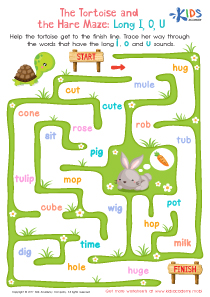
Introducing our "Reading Comprehension Extra Challenge Long Vowels Worksheets for 4-Year-Olds" designed to take young learners on an engaging reading adventure. These worksheets blend captivating stories with essential long vowel practice, promoting phonemic awareness and enriching vocabulary. Each activity encourages kids to develop critical thinking and comprehension skills through fun exercises, such as matching words to pictures and sequencing story events. Perfectly tailored for preschoolers, these resources offer a delightful mix of education and entertainment, making early literacy both challenging and enjoyable. Start unlocking the joy of reading for your little ones today!
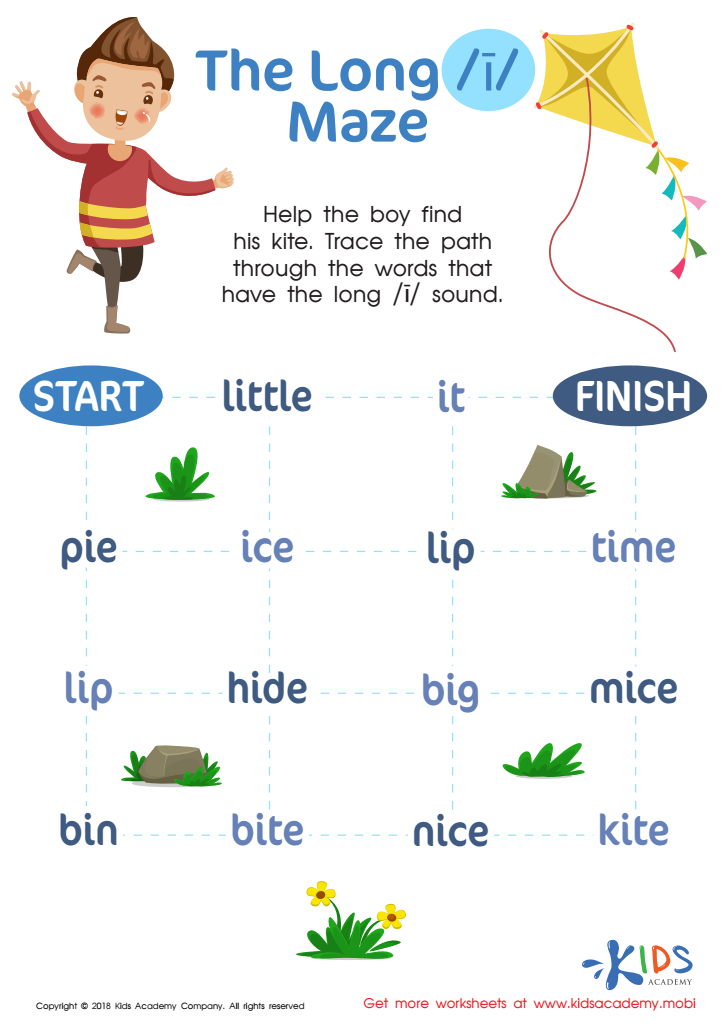
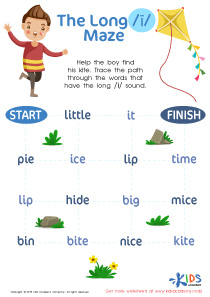
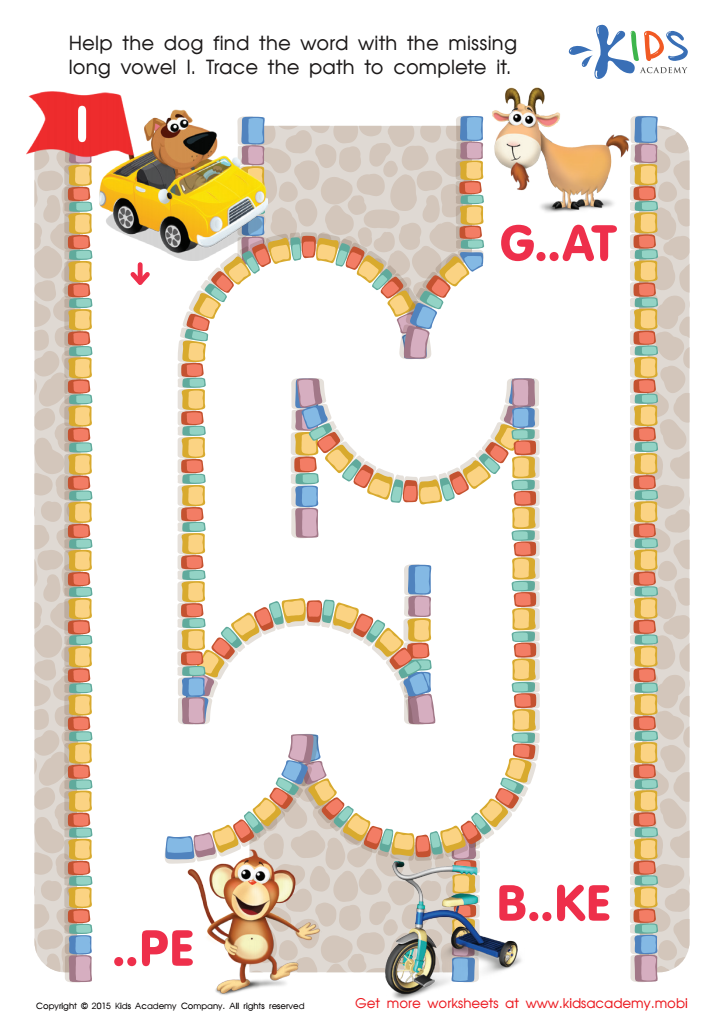
The Long I Maze Reading Worksheet
 Assign to My Students
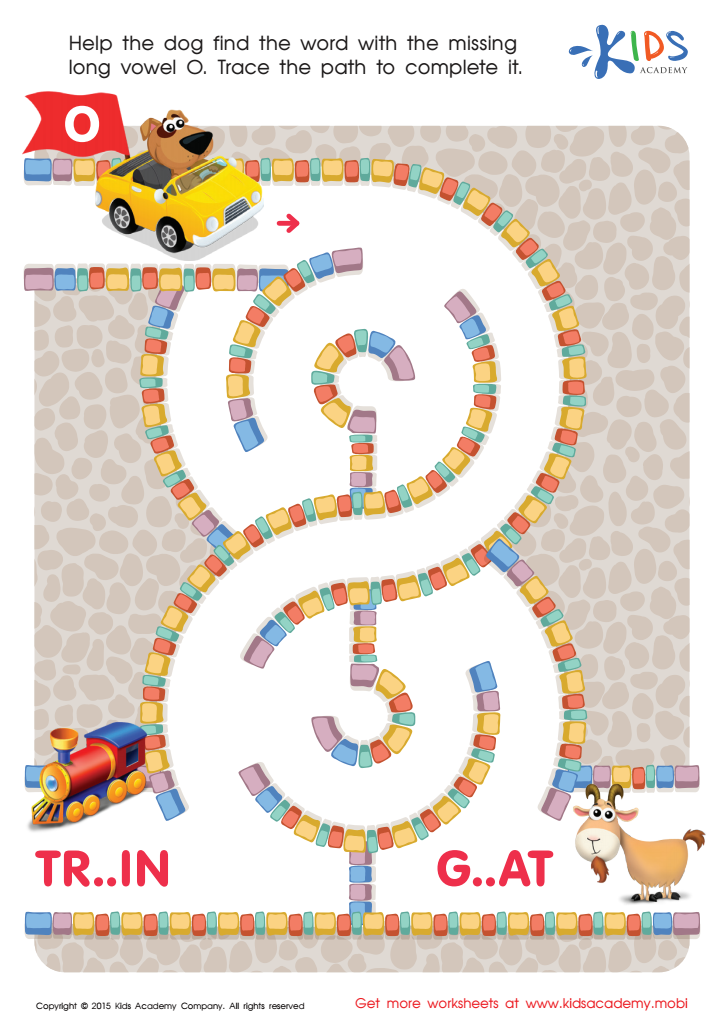
Long Vowel Sound O Worksheet
Long Vowel Sound I Worksheet



Reading comprehension and mastering long vowels at an early age can significantly benefit a child's literacy development. At age four, children are in a critical stage of cognitive development, acquiring foundational skills that will support their future academic success. Here are a few key reasons why parents and teachers should prioritize reading comprehension and long vowels extra challenge for this age group:
-
Language Skills Development: Understanding long vowels helps children recognize sound patterns in words, enhancing their phonemic awareness. This understanding is crucial for decoding words, a fundamental skill for fluent reading.
-
Building Vocabulary: Exposure to complex reading materials encourages young children to expand their vocabulary. Being familiar with long vowels helps them identify and sound out new words, which boosts their confidence and interest in reading.
-
Cognitive Growth: Activities that challenge reading comprehension benefit cognitive development by enhancing critical thinking, memory, and problem-solving skills. Teaching long vowels within this context encourages attentive listening and detailed thinking.
-
Academic Preparedness: Early mastery of long vowels and reading comprehension sets a solid foundation for future learning. Children who develop these skills early are often better prepared to meet the academic demands of school, leading to better performance and a more positive educational experience.
Investing time in these areas not only nurtures young learners' current abilities but also paves the way for exceptional long-term educational outcomes.