Letter recognition Extra Challenge Tracing Letters Worksheets for 4-Year-Olds
7 filtered results
-
From - To
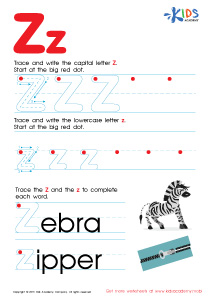
Boost your child's alphabet skills with our "Letter Recognition Extra Challenge Tracing Letters Worksheets for 4-Year-Olds"! Specifically designed for young learners, these worksheets offer an engaging approach to mastering letter recognition and writing. Each worksheet encourages your child to trace both upper and lower case letters, enhancing their fine motor skills and letter formation. Perfect for at-home practice or classroom activities, these extra challenge worksheets will keep your little one intrigued while providing the educational support they need. Help your preschooler build a strong foundation in literacy with these interactive tracing activities!
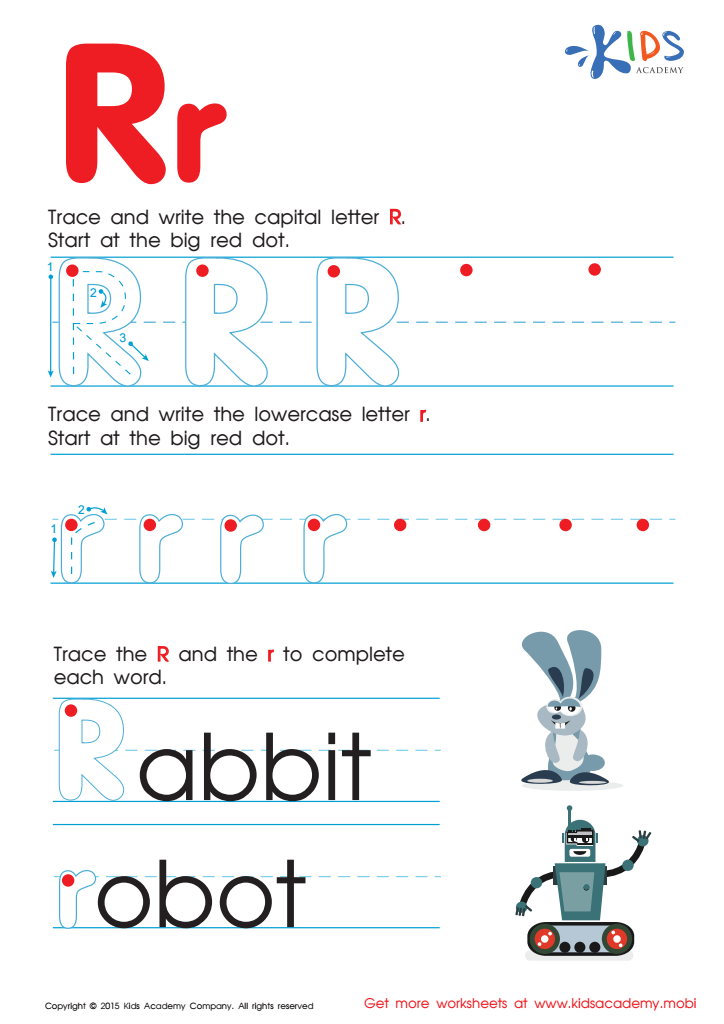
Letter R Tracing Page
 Assign to My Students
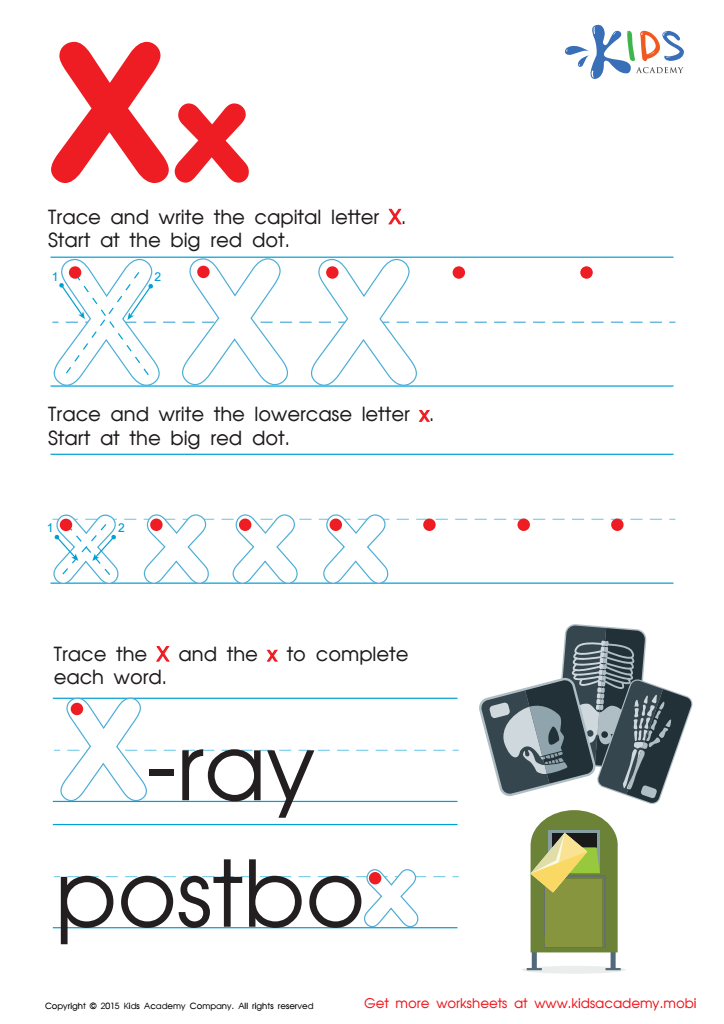
Letter X Tracing Page
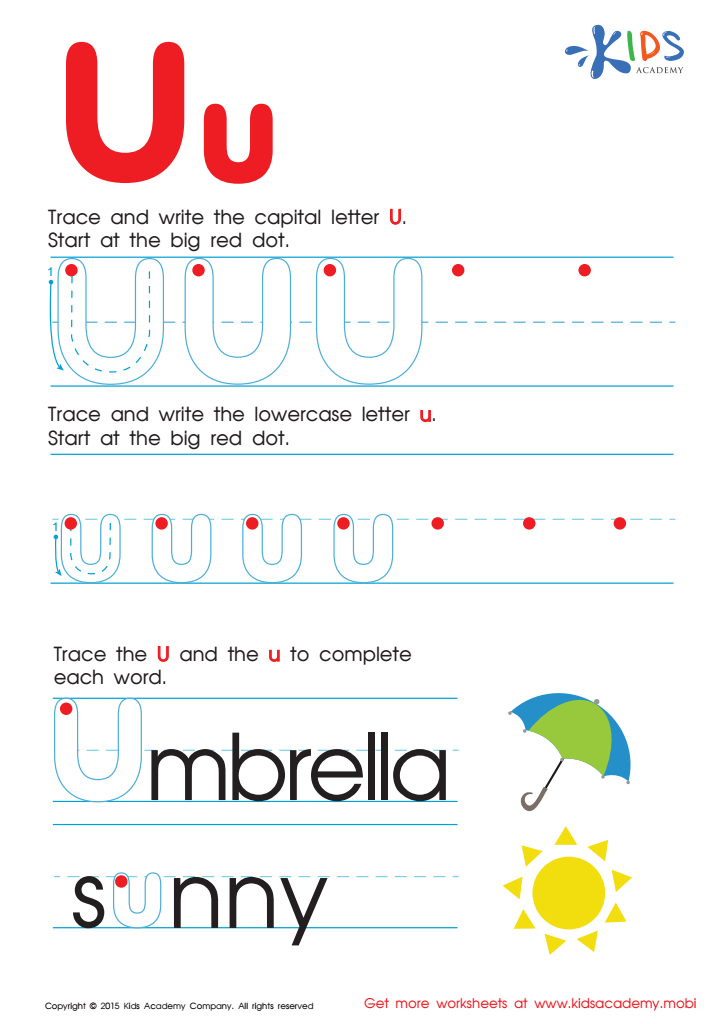
Letter U Tracing Page
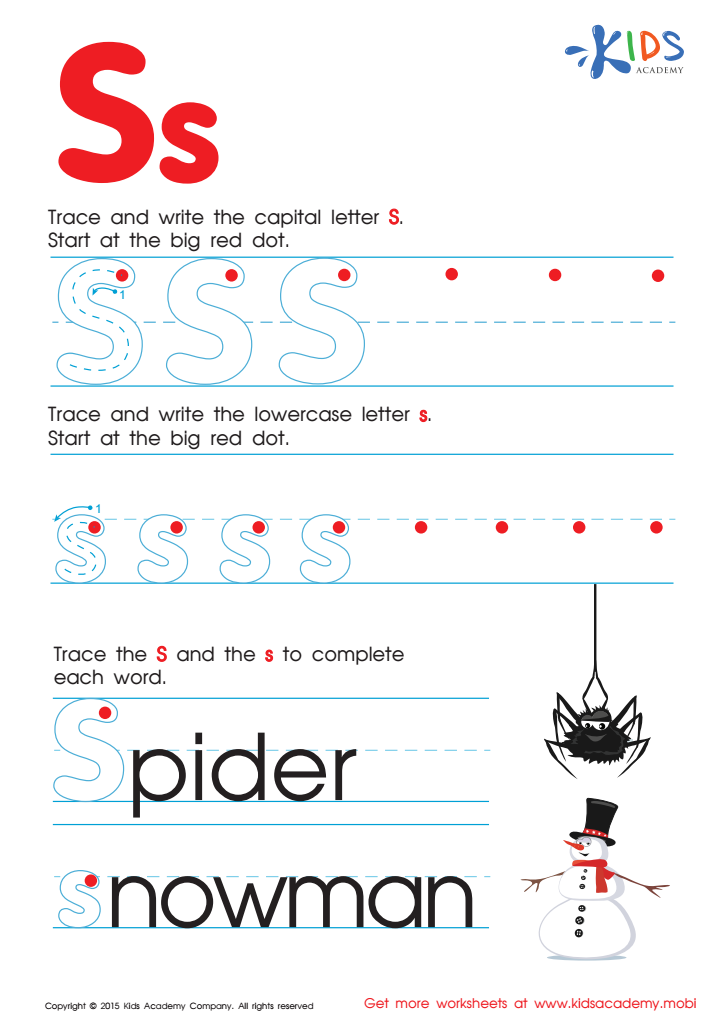
Letter S Tracing Page
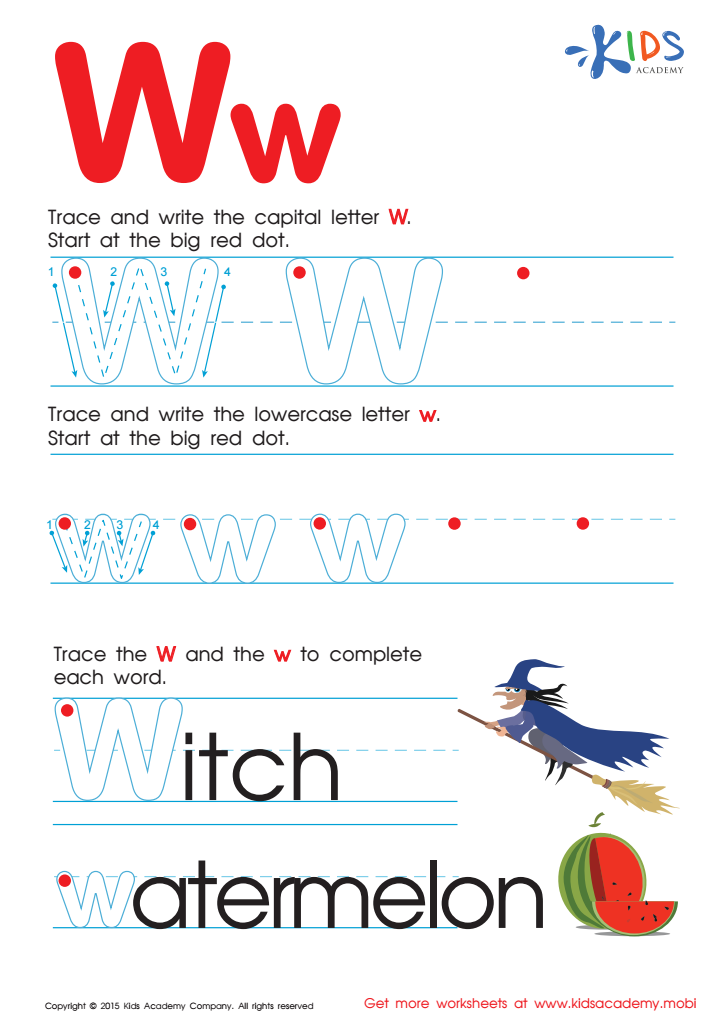
Letter W Tracing Page
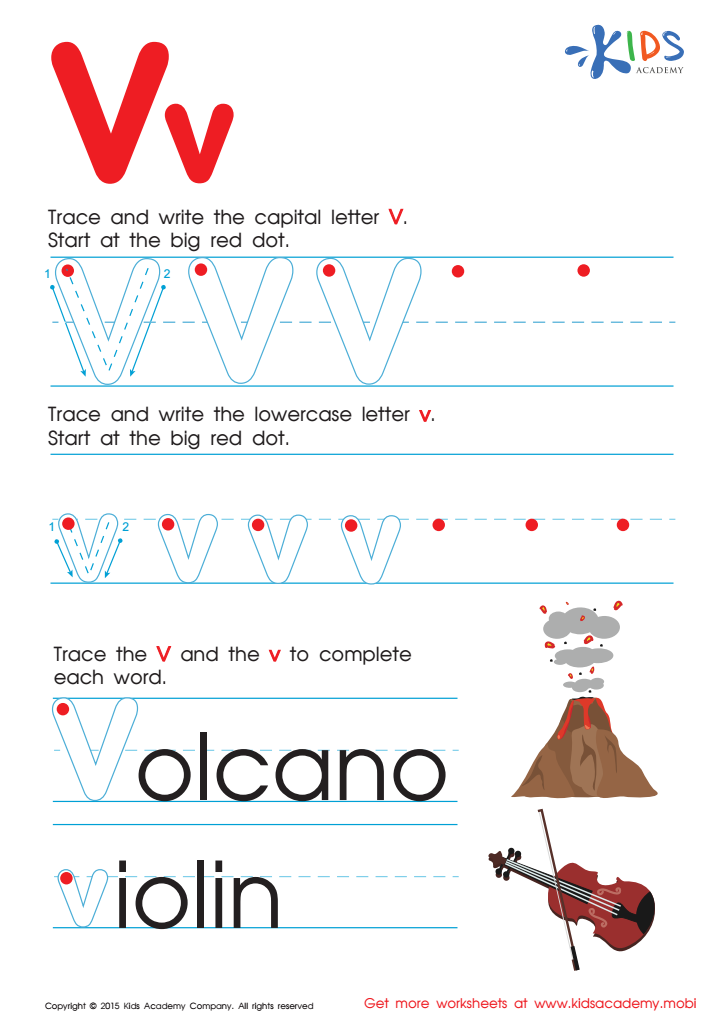
Letter V Tracing Page
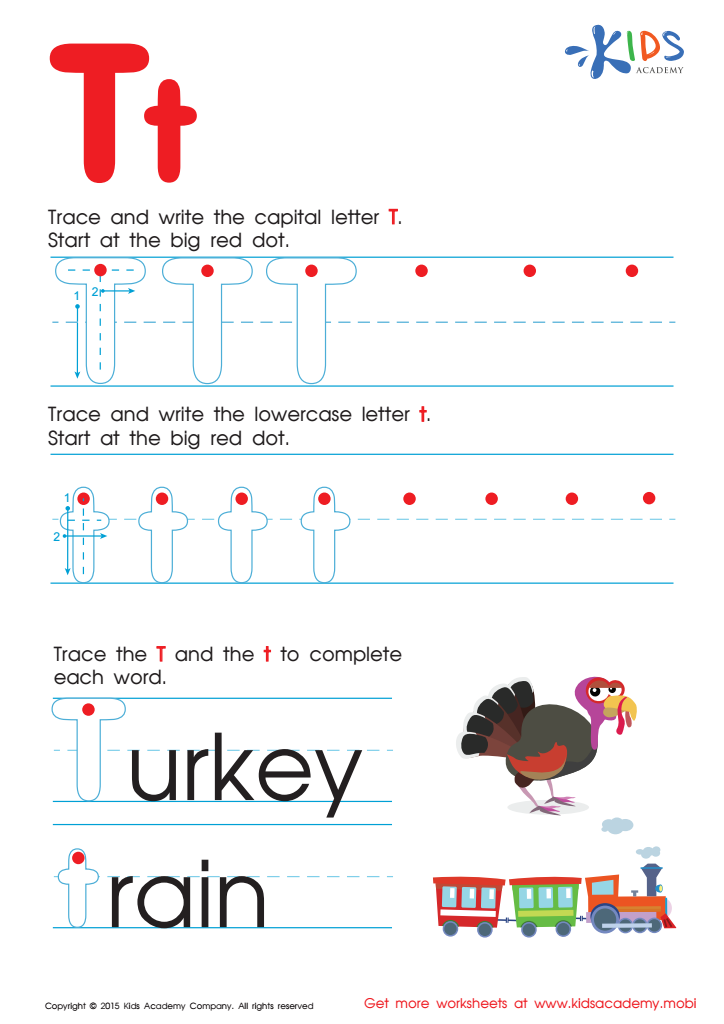
Letter T Tracing Page








Letter recognition is a crucial milestone in early childhood education, serving as the foundation for reading and writing skills. At the age of four, children are typically ready to engage in the extra challenge of tracing letters, which provides a multi-sensory experience important for their learning development. Here’s why parents and teachers should care about this exercise:
First, tracing letters helps build fine motor skills necessary for writing. At this age, children are refining their hand-eye coordination, and the repetitive action of tracing supports the development of control and precision required for writing.
Second, recognizing and tracing letters enhances cognitive skills. It helps children connect visual symbols (letters) with their corresponding sounds, bridging the gap between spoken language and writing. This connection is essential for developing early reading skills.
Additionally, incorporating letter recognition activities fosters a positive learning environment. By engaging in fun and challenging tasks, children experience a sense of accomplishment, boosting their confidence and interest in learning.
Involving parents or educators in these activities also allows for meaningful interaction. It provides opportunities for offering guidance, encouragement, and praise, reinforcing a child's motivation to learn and succeed.
Ultimately, letter recognition and tracing activities set a strong foundation for future academic achievement. Early investment in these skills can foster a lifelong love for learning and literacy.