Letter recognition Extra Challenge English for Beginners Worksheets for 4-Year-Olds
7 filtered results
-
From - To
Discover our "Letter Recognition Extra Challenge Worksheets for 4-Year-Olds," designed to enhance young learners’ skills in identifying letters and developing their English literacy. These engaging, printable worksheets include fun activities that motivate children to recognize both uppercase and lowercase letters. Perfect for beginners, they offer varied exercises such as tracing, matching, and coloring to reinforce learning. Tailored for budding learners, our worksheets are ideal for children in preschools or home settings, promoting confidence and mastery in letter recognition. Give your child the essential foundation for future reading success while they enjoy the excitement of learning through play!
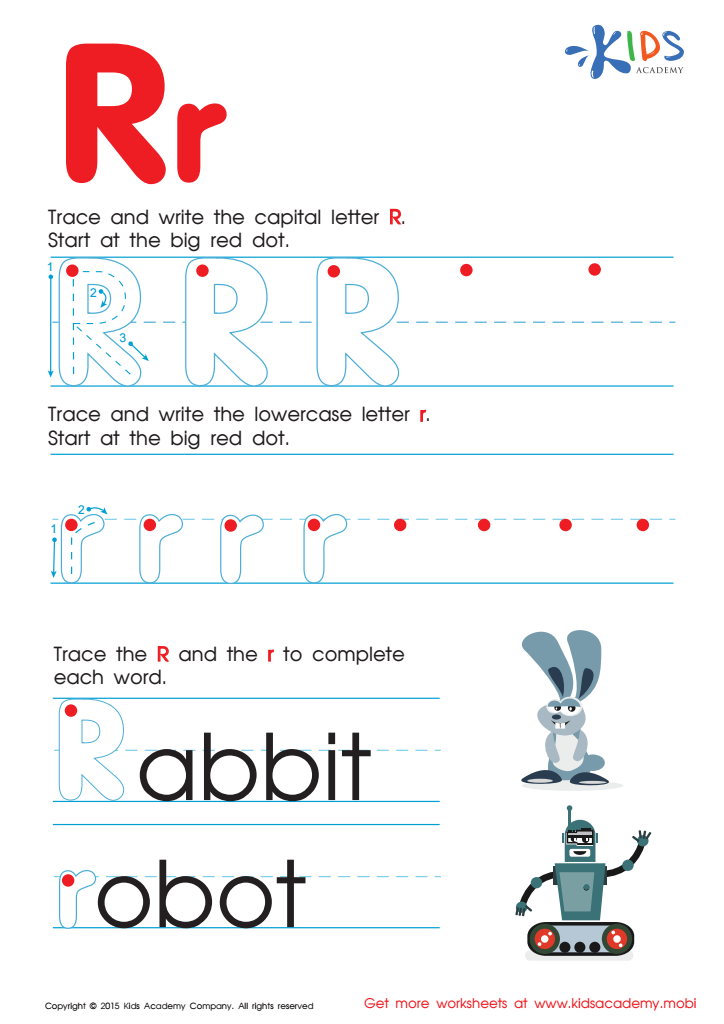
Letter R Tracing Page
 Assign to My Students
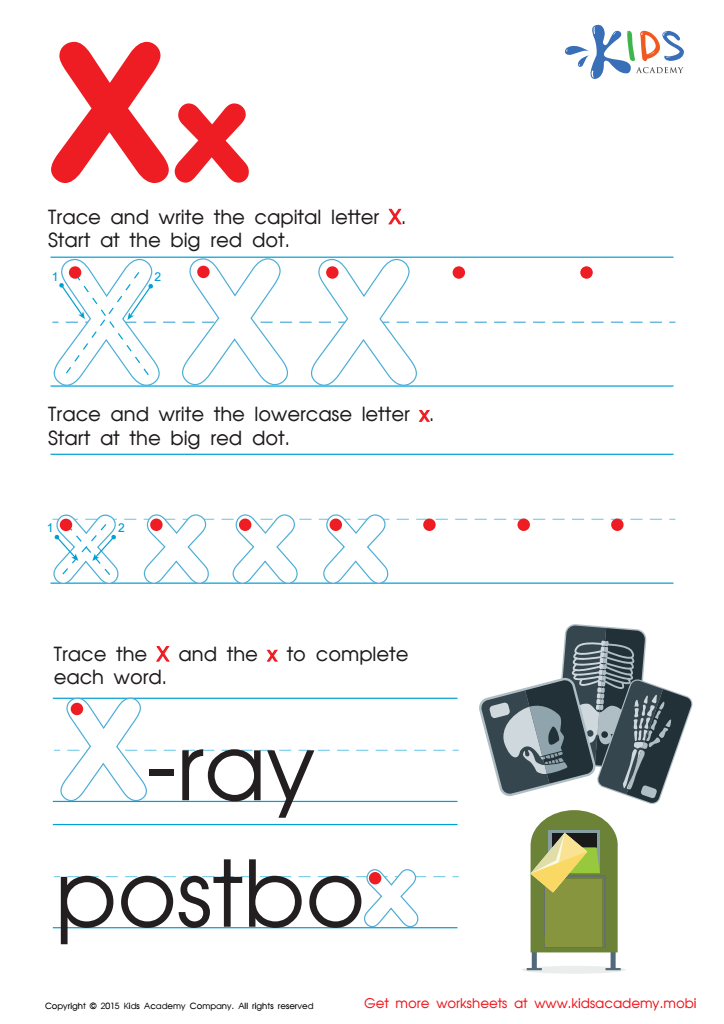
Letter X Tracing Page
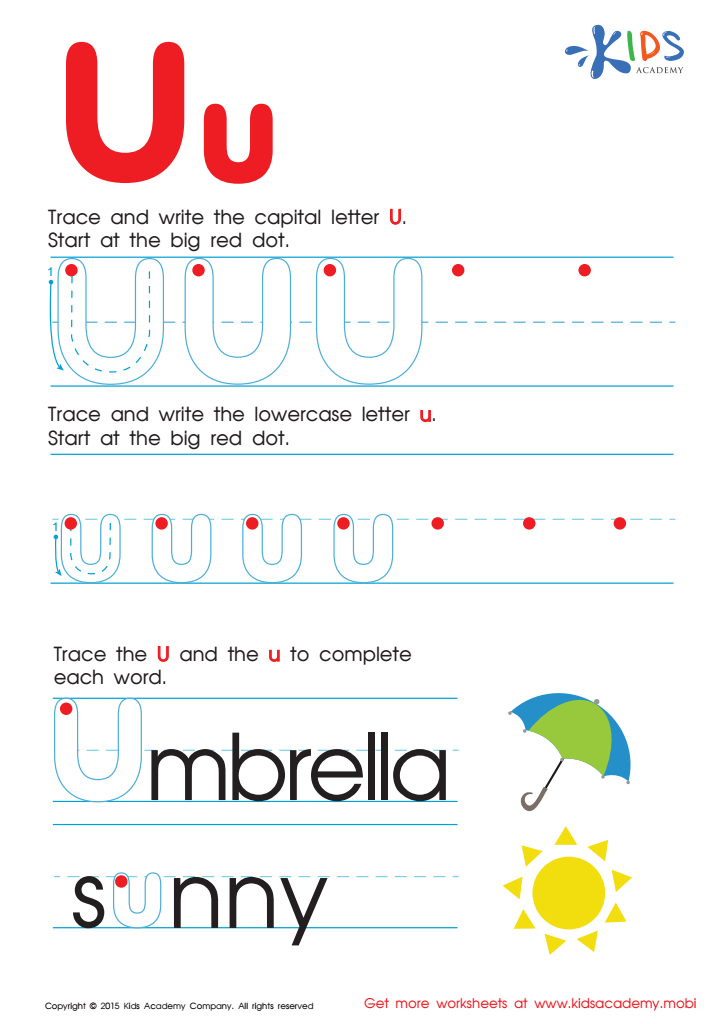
Letter U Tracing Page
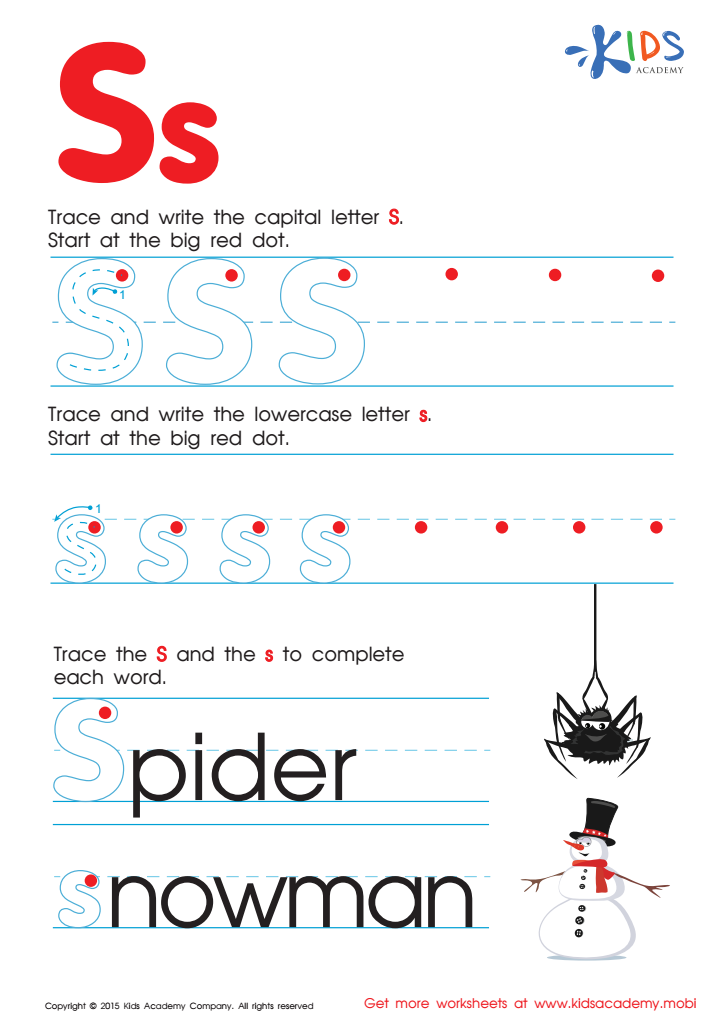
Letter S Tracing Page
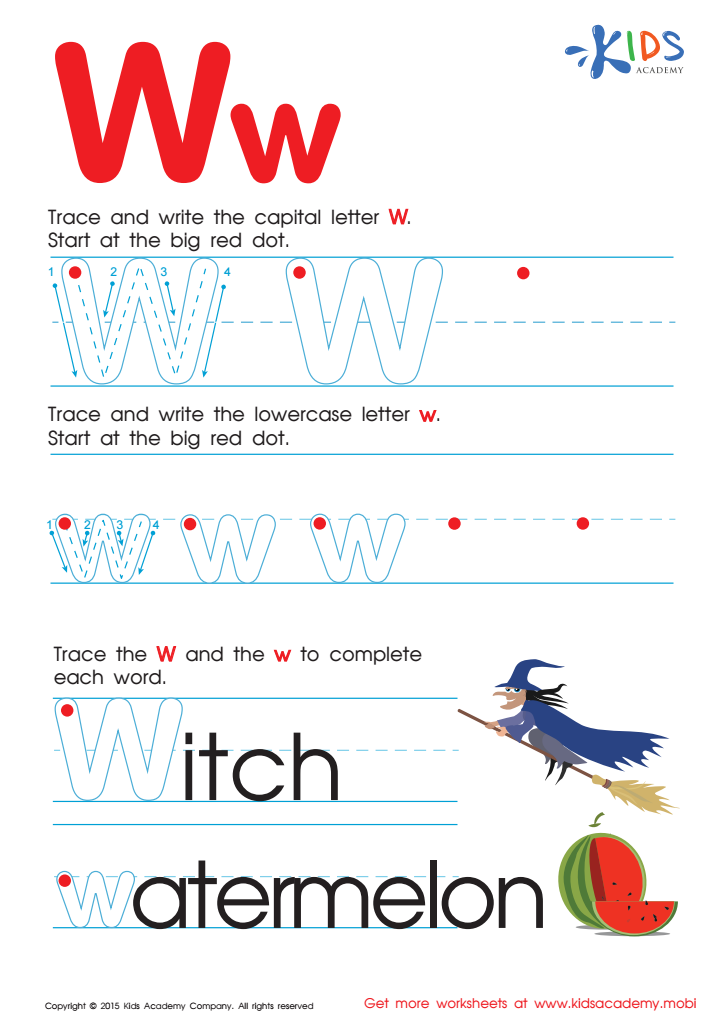
Letter W Tracing Page
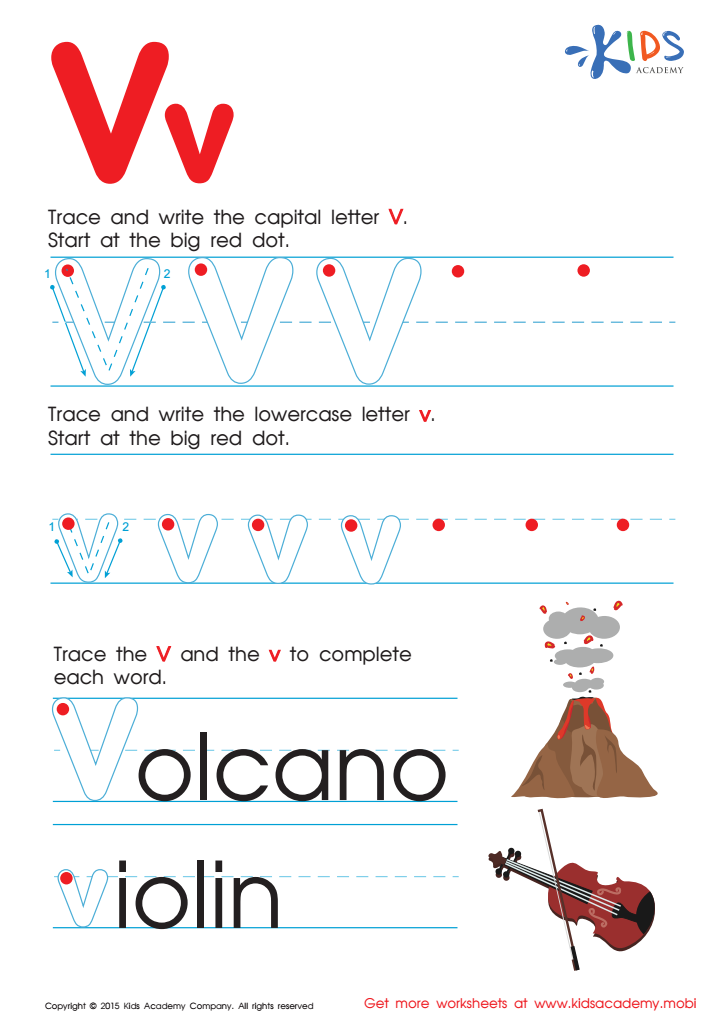
Letter V Tracing Page
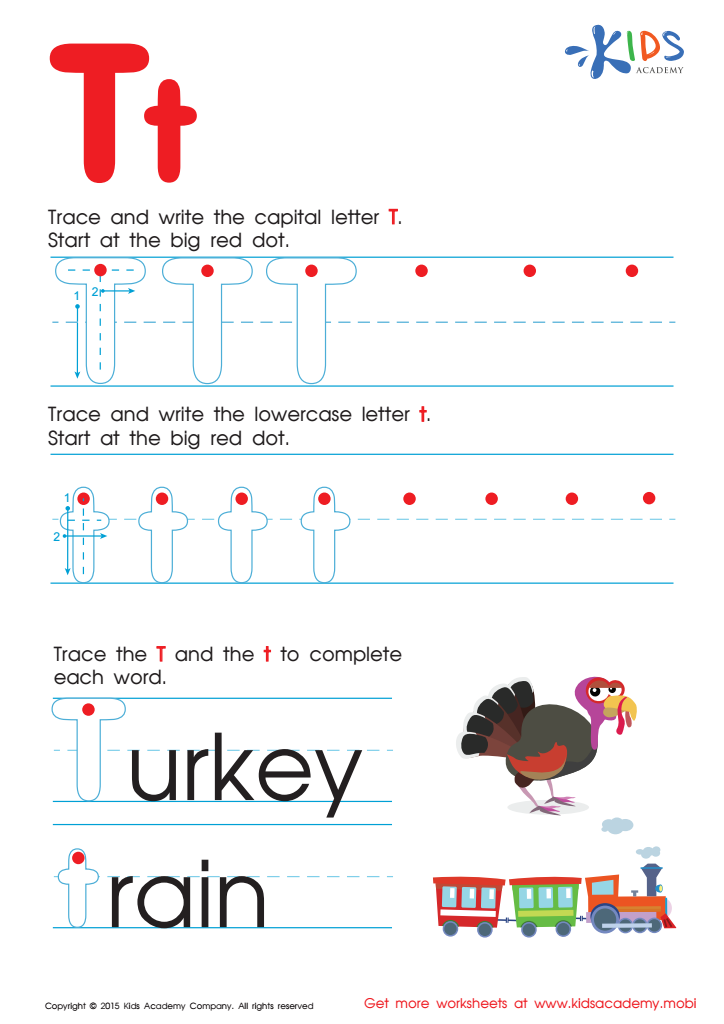
Letter T Tracing Page





Letter recognition is a foundational skill that sets the stage for literacy development in young children. For 4-year-olds, mastering the alphabet is crucial as it plays a vital role in their ability to read, write, and communicate effectively. As parents and teachers, fostering letter recognition is essential for several reasons.
First, recognizing letters enables children to connect sounds with symbols, leading to improved phonemic awareness. This skill is important for developing reading capabilities, allowing children to decode words as they progress academically. Engaging learners in fun and interactive activities—like songs, games, and puzzles—can make the process enjoyable and memorable.
Second, early letter recognition supports vocabulary development. By learning letters, children can start identifying and writing familiar words, enhancing their communication skills and promoting confidence in their abilities.
Lastly, focusing on this area guides parents and teachers in assessing a child's readiness for more advanced literacy experiences. Engaging early learners through Letter Recognition Extra Challenge English programs not only builds essential language skills but also nurtures a love for learning, preparing them for future educational success. Consequently, both parents and teachers should prioritize and support these early literacy endeavors to pave the way for children's ongoing development.








