Comparing sizes Extra Challenge Worksheets for 4-Year-Olds
4 filtered results
-
From - To
Introducing our "Comparing Sizes Extra Challenge Worksheets for 4-Year-Olds"! Designed to enhance early learning, these engaging worksheets focus on helping young learners grasp the concept of size differences. Through fun and interactive activities, children will develop their observational skills by identifying and comparing various objects. Each worksheet is crafted to keep children interested and motivated, allowing them to explore concepts like "bigger", "smaller", "taller," and "shorter". Perfect for homeschooling or classroom activities, our worksheets provide parents and educators with valuable resources to reinforce size comparison skills. Download now and inspire curiosity while building foundational math skills in your little ones!
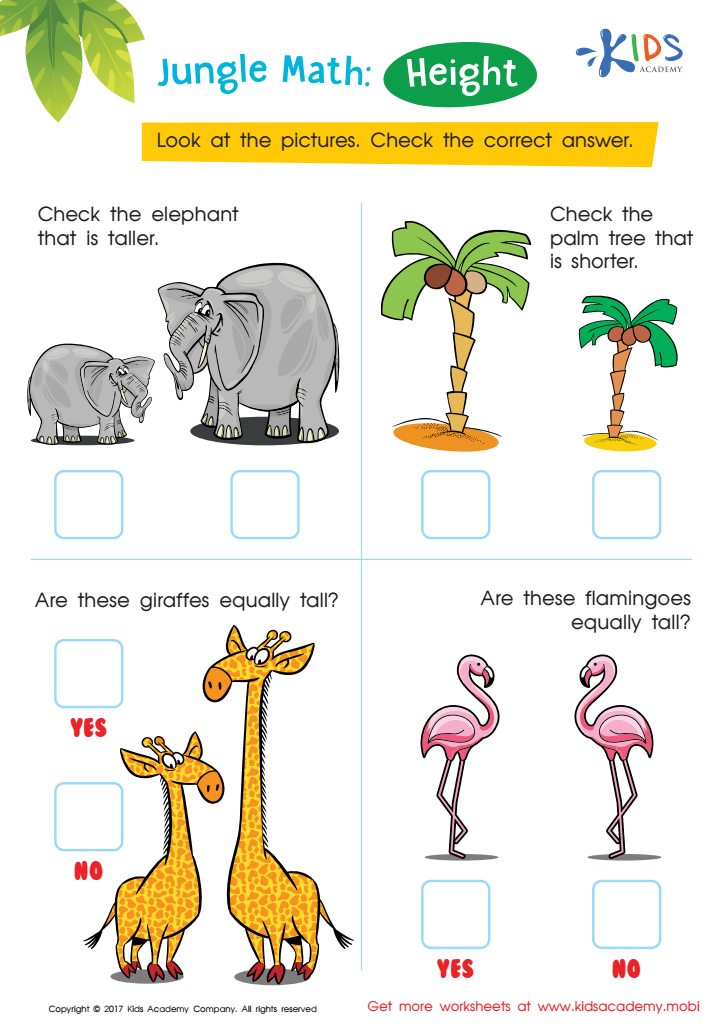
Which Is Taller Worksheet
 Assign to My Students
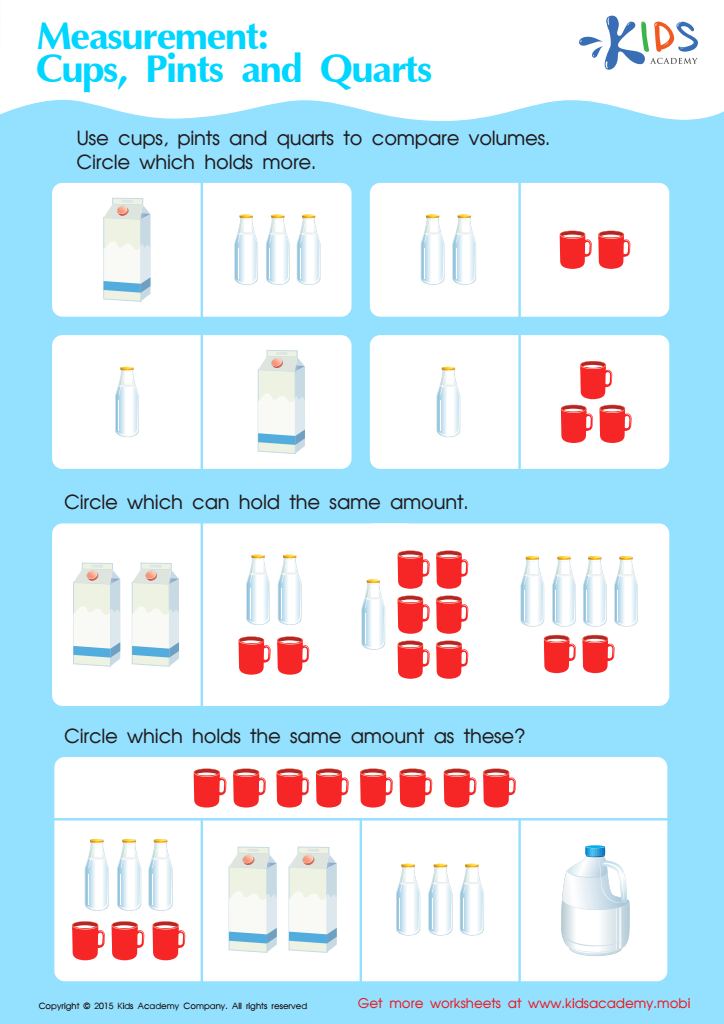
Measurement: Compare Volumes Worksheet
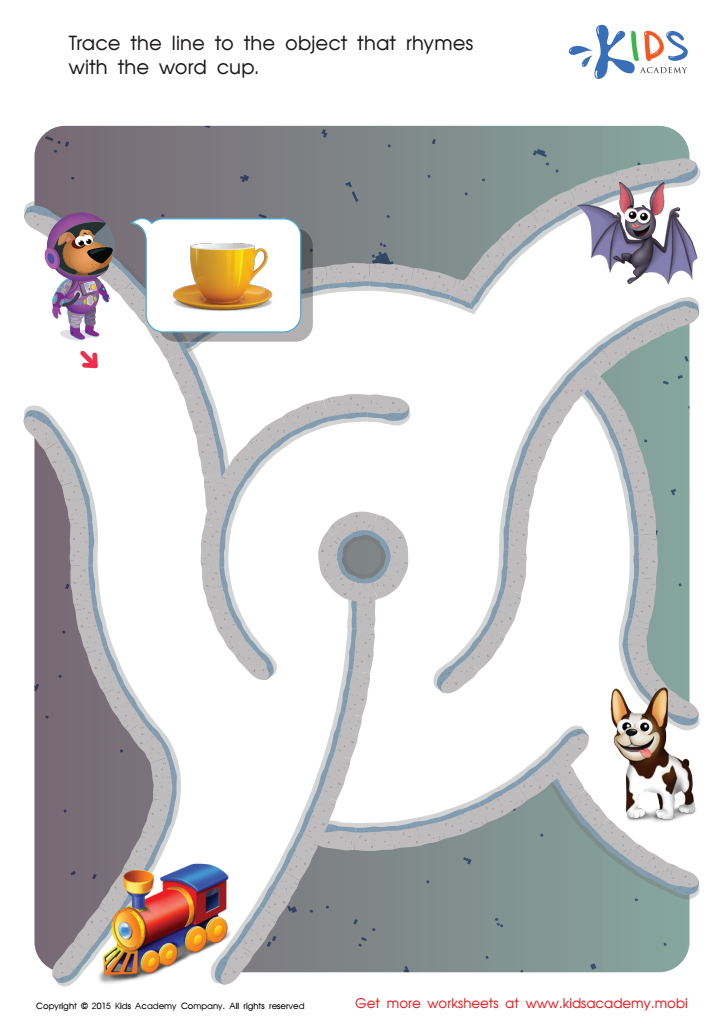
Cup Rhyming Words Worksheet
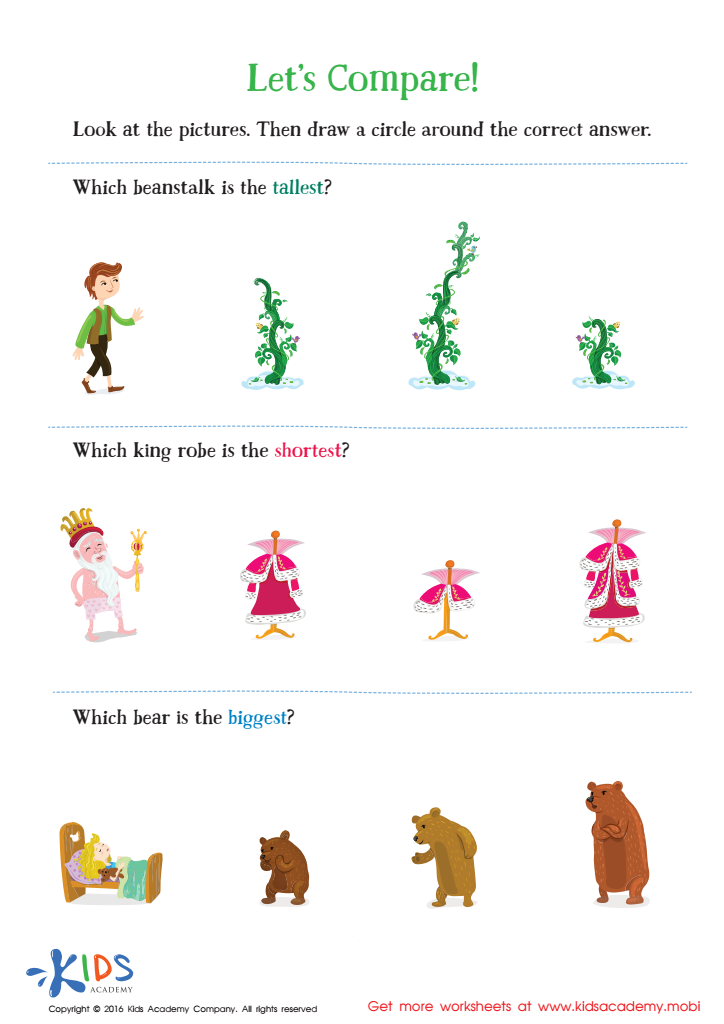
Fairy Tale Worksheet: Let's Compare




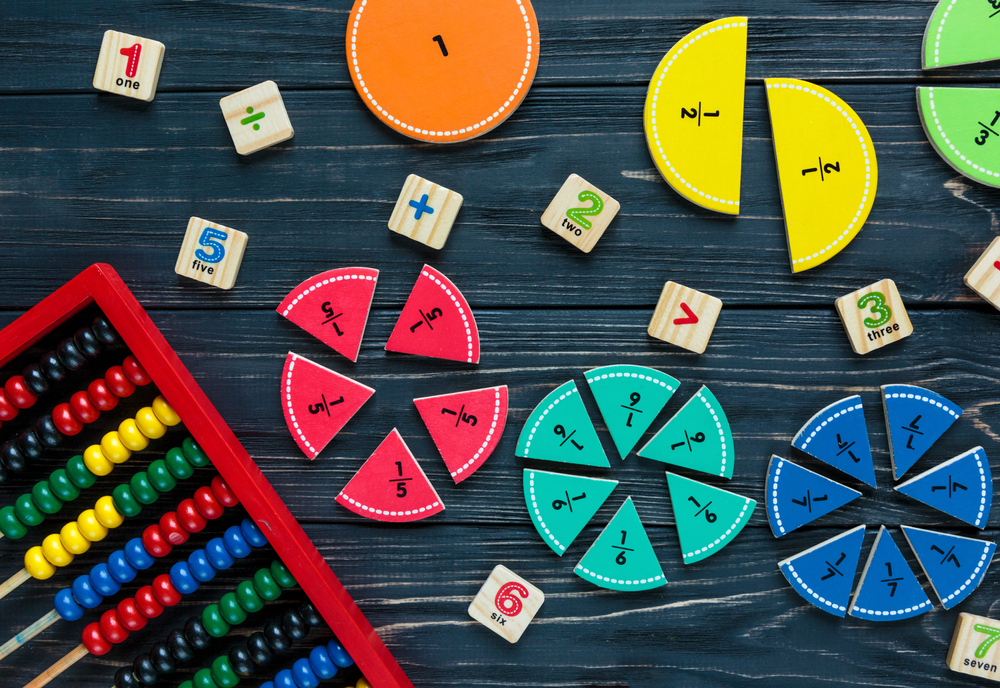



Comparing sizes is a fundamental cognitive skill that helps children understand the world around them. For 4-year-olds, engaging in extra challenges related to size comparison promotes critical thinking and problem-solving abilities. This foundational skill aids in developing mathematical concepts such as measurement, volume, and spatial awareness.
When parents and teachers encourage size comparison activities, they empower children to observe and analyze their environment. Activities like sorting objects by size, using comparative language (like "bigger," "smaller," "taller," or "shorter"), and engaging in playful discussions foster language development and enhance vocabulary. Furthermore, these activities build confidence as children practice categorizing objects based on observable attributes.
Beyond academics, size comparison can have social-emotional benefits. Through cooperative play, children learn to communicate effectively, share opinions, and respect diverse perspectives as they discuss their comparisons. This exchanges helps to nurture collaboration and compromise skills that extend beyond the classroom.
Overall, investing time in size comparisons enriches the educational experience, laying a strong foundation for future learning while equipping children with essential skills needed for everyday interactions. Supporting these activities ensures a holistic growth environment that has lasting impacts on children's development.








