Problem-solving abilities Extra Challenge Worksheets for 4-Year-Olds
5 filtered results
-
From - To
Unlock your child's potential with our Problem-Solving Abilities Extra Challenge Worksheets designed specifically for 4-year-olds! These engaging worksheets provide a fun and stimulating way for young learners to develop critical thinking and problem-solving skills. Featuring a variety of age-appropriate exercises, your child will tackle puzzles, patterns, and sorting tasks that encourage creativity and logic. Perfect for at-home learning or supplementing preschool activities, these worksheets are crafted to captivate young minds and boost their confidence. Watch as your little one gains independence and excitement for learning through our tailored challenges. Start your child's problem-solving journey today!

Learn dozens: Space math Worksheet
 Assign to My Students
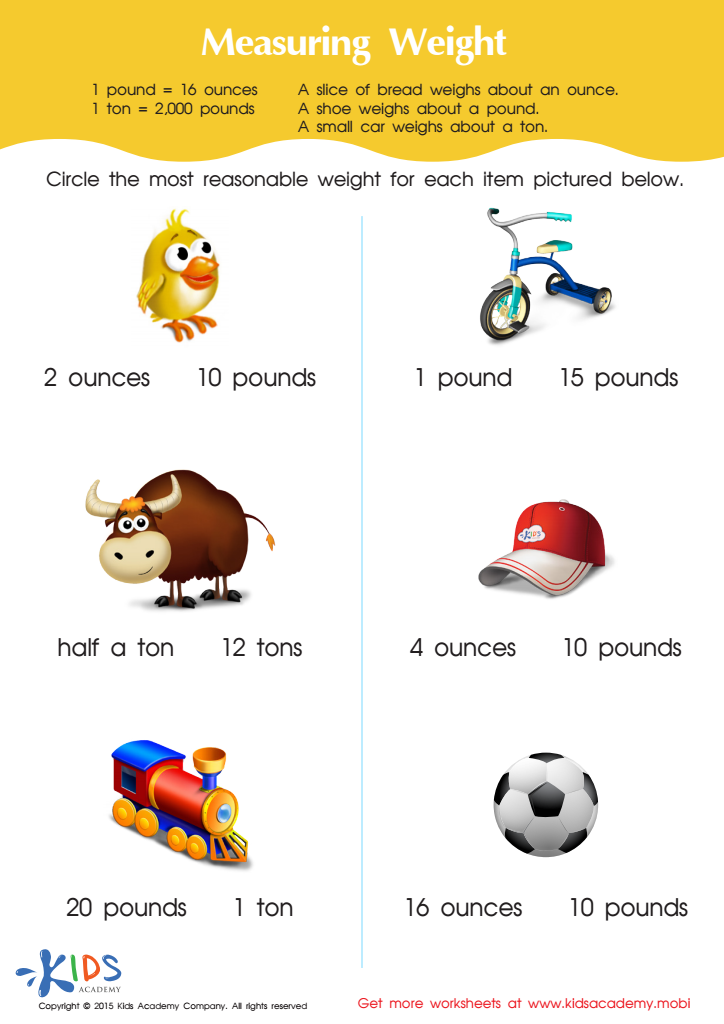
Measuring Weight in Ounces, Pounds and Tons (Part 2) Worksheet

Sweet Shop – Counting Coins Worksheet
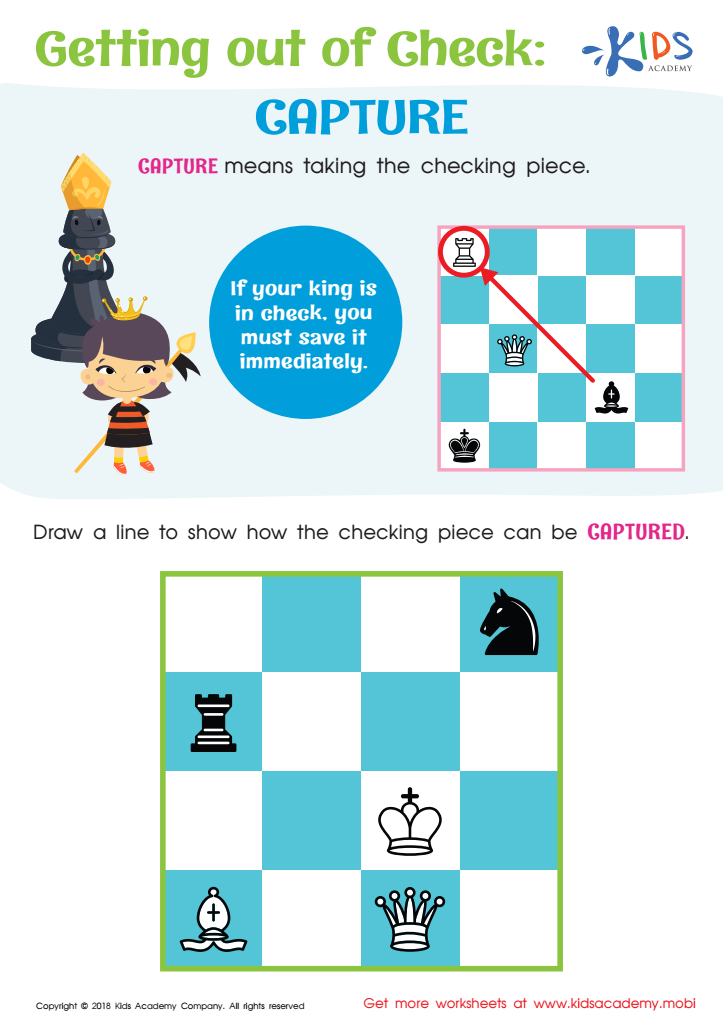
Getting out of Check: Capture

Sudoku Worksheet







Parents and teachers should prioritize the development of problem-solving abilities in 4-year-olds because these skills form the foundation for lifelong learning and cognitive growth. Engaging young children in problem-solving activities enhances critical thinking, creativity, and adaptability. At this age, children are naturally curious and eager to explore their environment. By introducing them to extra challenges, we can nurture their innate exploration and encourage them to ask questions, make predictions, and experiment with solutions.
Problem-solving activities enhance not only cognitive skills but also social-emotional skills. As young children tackle challenges, they learn how to navigate frustration, collaborate with peers, and develop resilience. These interactions help them build self-confidence and independence. Moreover, frequent exposure to new problems creates a mindset that is comfortable with ambiguity and encourages innovative thinking.
In collaboration with both parents and teachers, such an approach to learning promotes a holistic atmosphere that respects and responds to children's individual pace and interests. Fostering problem-solving skills in early childhood lays down the groundwork for academic success, enabling children to approach future challenges with curiosity and confidence. Consequently, investing in these skills during this critical developmental period ensures children are better equipped for more complex challenges later in life.








