Basic Math Skills Extra Challenge Numbers Worksheets for 4-Year-Olds
5 filtered results
Difficulty Level
Grade
Age
-
From - To
Subject
Activity
Standards
Unlock your child's potential with our "Basic Math Skills Extra Challenge Numbers Worksheets" designed specifically for 4-year-olds! These engaging worksheets are perfect for enhancing early numeracy skills, offering fun and interactive activities that promote number recognition, counting, and simple math concepts. Tailored to spark curiosity and boost confidence, our worksheets challenge young learners with vibrant visuals and hands-on exercises. Ideal for home or classroom use, they provide a delightful way to support your child's cognitive development while fostering a lifelong love for math. Dive into the world of numbers and watch your child's skills grow with these extra challenge worksheets!
Favorites
With answer key
Interactive
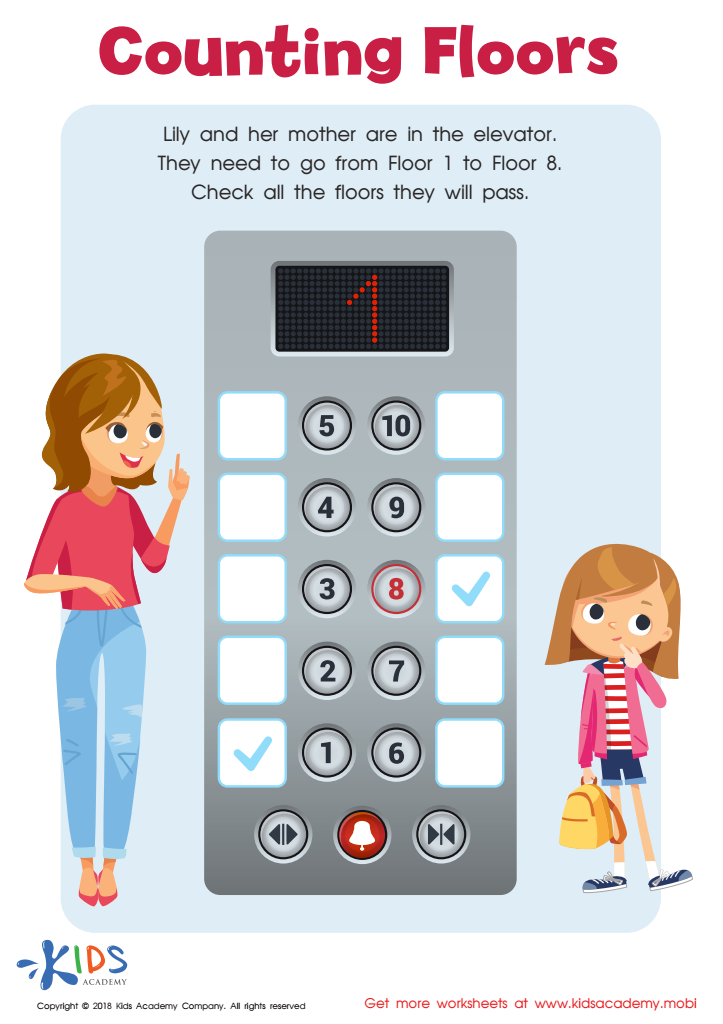
Counting Floors Worksheet
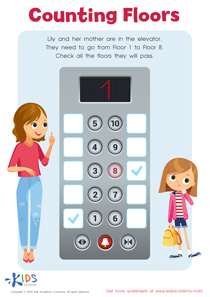
Take your kids on an elevator ride and have them help you. With this worksheet, little ones meet Lily and her mom. They're taking an elevator from Floor 1 to Floor 8. Ask them to check the floors they pass and help the two reach their destination.
 Assign to My Students
Counting Floors Worksheet
Worksheet
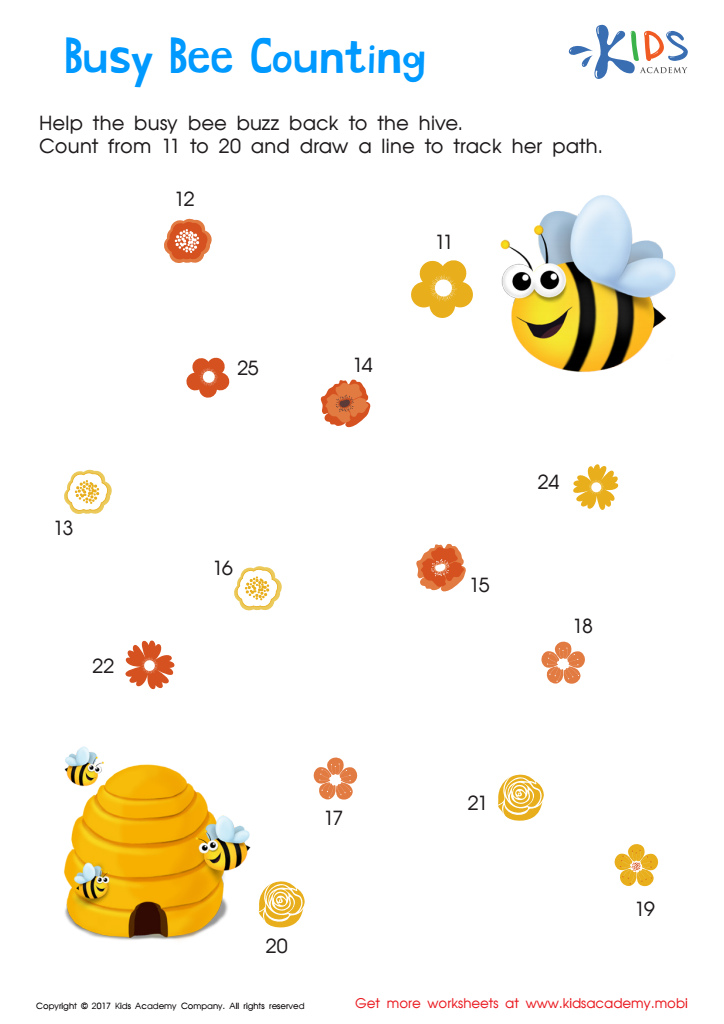
Ordering 11–20: Busy Bee Counting Worksheet
Help your child master counting from 11 to 20 with our connect the dot counting worksheet. Kids will have fun counting, drawing and problem-solving with this vibrant worksheet. With clear directions, adorable pictures and a sense of purpose, your child will develop crucial numeracy skills without even knowing it!
Ordering 11–20: Busy Bee Counting Worksheet
Worksheet
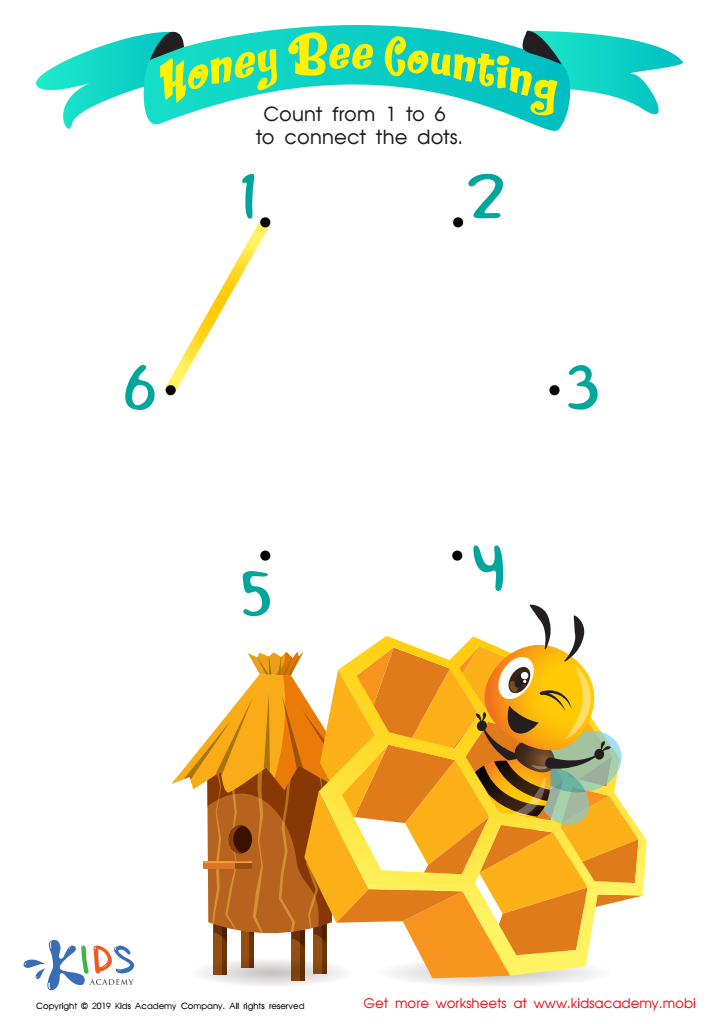
Honey Bee Counting Worksheet
Help your kids learn about honey bees while practising their counting skills! Show them the picture and ask them to point out the bee. Then, give them this worksheet and have them count up to 6, connecting the dots as they go. Numbers are provided for guidance - it's a great way to have fun and learn!
Honey Bee Counting Worksheet
Worksheet
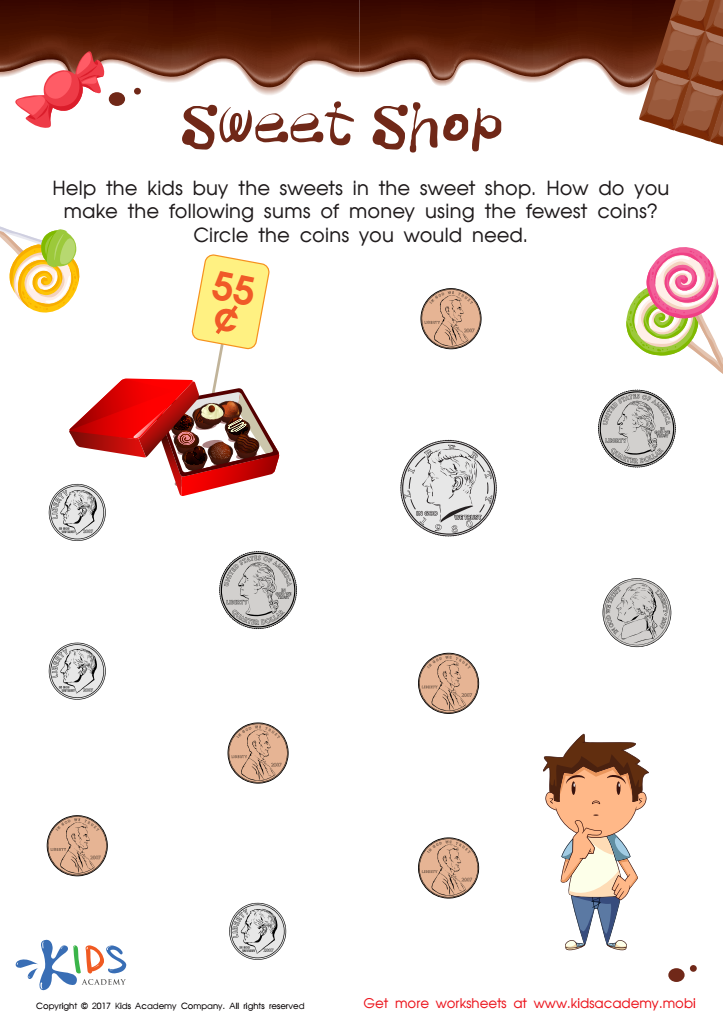
Sweet Shop – Counting Coins Worksheet
Help your child get ready to buy sweet treats with this coin counting worksheet. It'll challenge them to use the fewest coins possible. With knowledge of coin values, they'll work out the right combination to get the sweets!
Sweet Shop – Counting Coins Worksheet
Worksheet
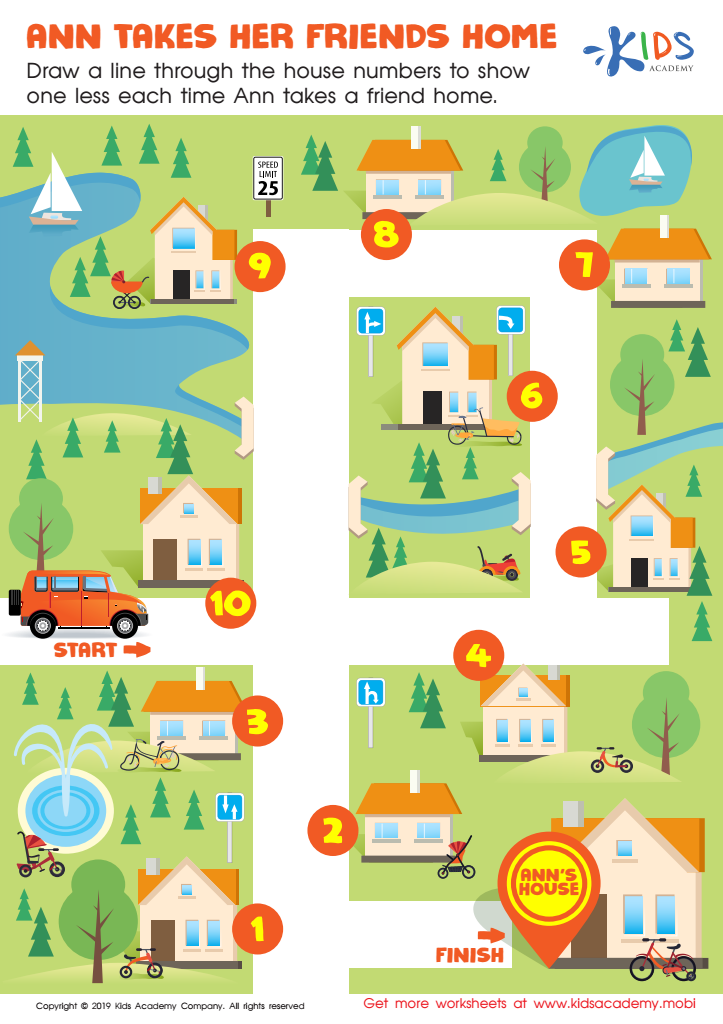
Ann Takes her Friends Home Worksheet
Get your kids to tell you what they enjoy doing with their friends in each other's homes. Then, encourage them to complete the worksheet. It shows Ann taking her friends to her house. Have them draw a line through the house numbers to show Ann taking one friend home at a time.
Ann Takes her Friends Home Worksheet
Worksheet
Join Kids Academy for Free
Who is primarily going to use this learning content?


%20(1).jpg)





Basic math skills are fundamental for young children's cognitive development and future academic success. For 4-year-olds, engaging in extra challenges with numbers helps solidify foundational math concepts such as counting, number recognition, and basic addition or subtraction. Parents and teachers should care about these challenges because they provide an opportunity for children to explore mathematical ideas in a playful, engaging way.
Early exposure to math develops critical thinking skills and problem-solving abilities, crucial in today’s increasingly complex world. Challenges tailored for young learners can inspire a love for math and help reduce anxiety around the subject later in life. Moreover, fostering these skills early allows children to grasp more advanced concepts more easily as they progress through their education.
Additionally, hands-on activities, games, and interactive experiences enable children to relate math to real-life situations, making it more relevant and enjoyable. Support from adults can enhance a child's motivation and confidence, creating a positive learning atmosphere. By prioritizing basic math skills and providing extra challenges, parents and teachers lay a strong foundation for academic achievement, ensuring children are well-prepared for future learning experiences.