Spelling practice Extra Challenge Grammar Worksheets for 4-Year-Olds
3 filtered results
-
From - To
Enhance your child's literacy skills with our Spelling Practice Extra Challenge Grammar Worksheets designed for 4-year-olds! These engaging worksheets promote vocabulary development and integrate fun activities to help young learners master spelling. With dynamic exercises tailored for early learners, your child will enjoy exploring letters, sounds, and word patterns. Our interactive worksheets cultivate a love for language while developing essential grammar skills, setting a strong foundation for their academic journey. Perfect for preschool, homeschooling, or extra practice, these worksheets provide a playful yet educational experience. Download and watch your child's confidence in spelling soar as they tackle each exciting challenge!
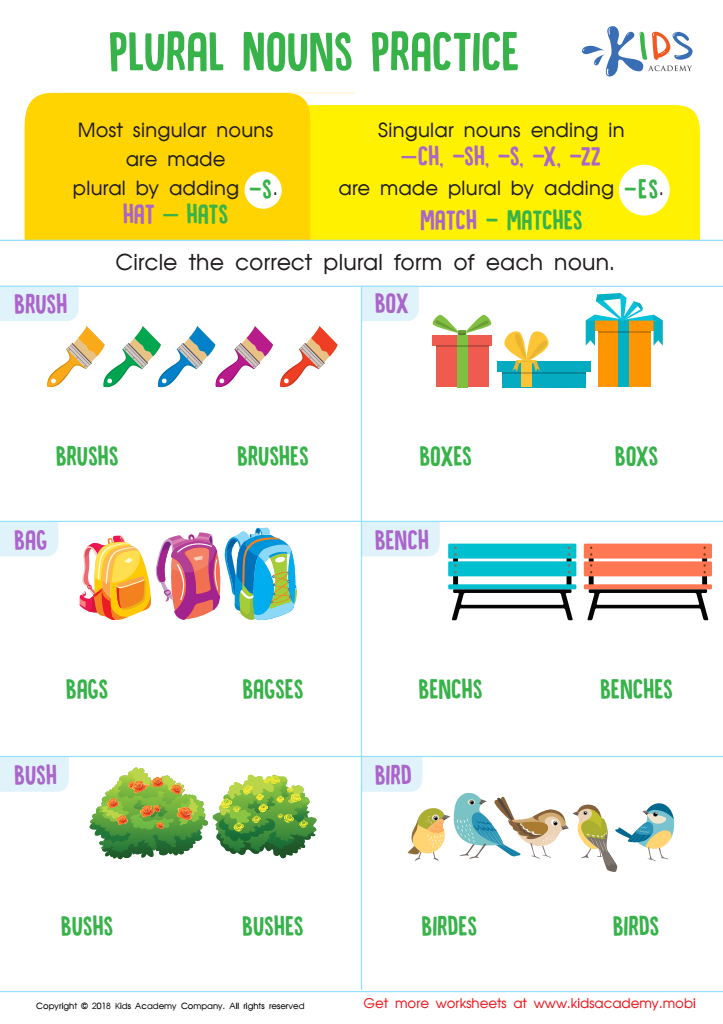
Plural Nouns Practice Worksheet
 Assign to My Students
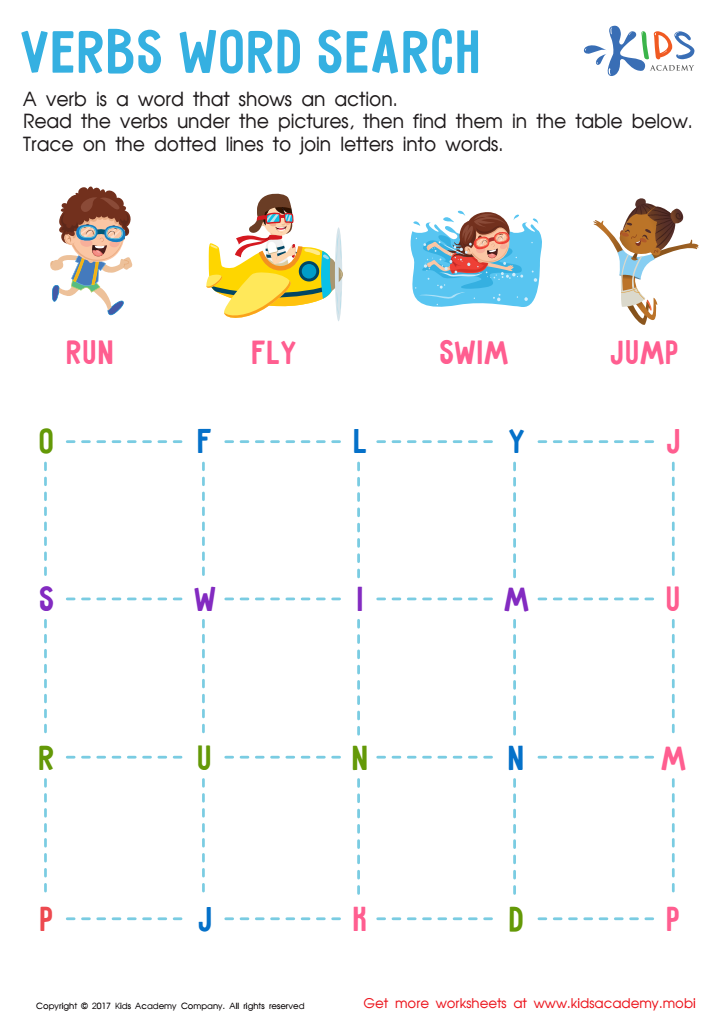
Verbs Word Search Worksheet
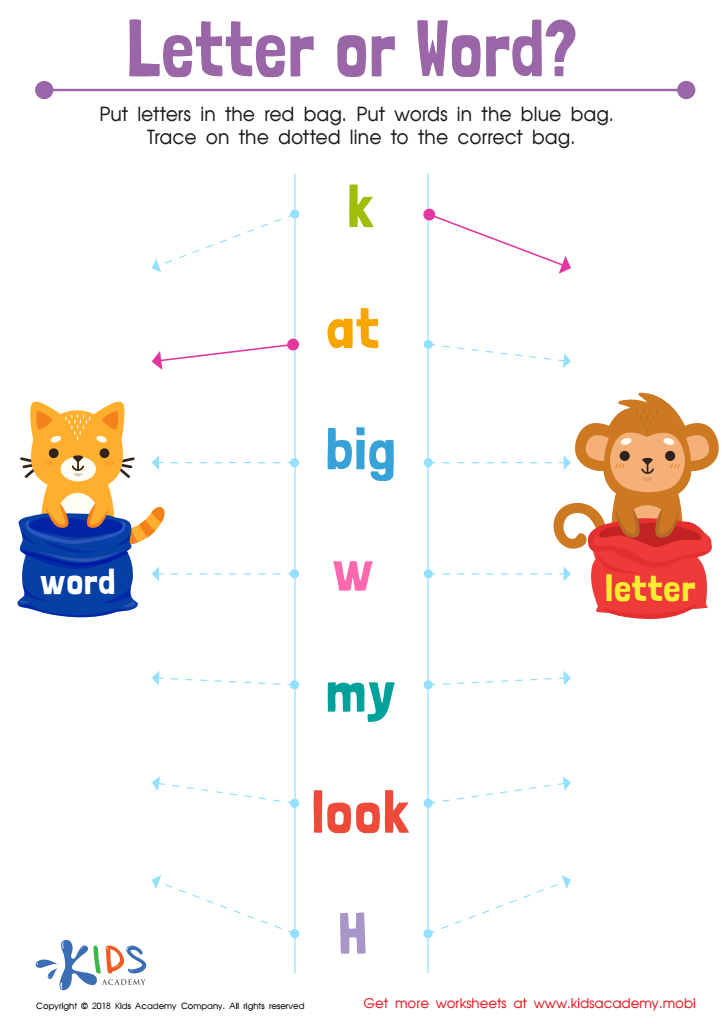
Letter or Word? Worksheet


.jpg)




Spelling practice and grammar skills are essential components of early literacy development, which is critical for 4-year-olds. At this educational stage, children are like sponges, absorbing new information rapidly, and a strong foundation in spelling and grammar fosters their reading and writing abilities.
Engaging in spelling practice introduces children to letter recognition, phonics, and vocabulary expansion in a fun and interactive way. It supports their understanding of how sounds correlate with letters, creating a basis for successful reading as they progress. This age-appropriate challenge helps enhance cognitive and fine motor skills, as children often manipulate letters and sounds, making sense of their experiences with language.
Moreover, grammar skills, even at a basic level, contribute to effective communication. They help children form coherent sentences, shelling down their thoughts and feelings confidently. Encouraging proper language use sets the stage for clearer expression and boosts self-esteem.
When parents and teachers prioritize these skills, they not only enrich children’s academic success but also cultivate a lifelong love for learning and language. Moreover, enhanced spelling and grammar proficiency can lead to improved literacy outcomes as children transition into more complex reading and writing in future grades.