Vowel Recognition Extra Challenge Long Vowels Worksheets for Ages 5-6
3 filtered results
Difficulty Level
Grade
Age
-
From - To
Subject
Activity
Standards
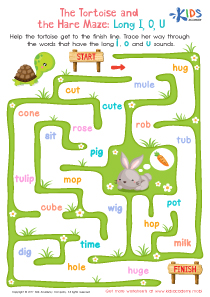
Enhance your child’s reading skills with our "Vowel Recognition Extra Challenge Long Vowels Worksheets" designed for ages 5-6. These engaging printable worksheets are perfect for early learners who are ready to tackle the challenge of recognizing long vowel sounds. Through fun activities and exercises, children will improve their phonetic awareness and literacy skills. Each worksheet provides colorful and interactive tasks that hold their attention and make learning enjoyable. Help your child master long vowels with ease, building a strong foundation for their reading journey. Explore and download now to make learning long vowels exciting!
Favorites
With answer key
Interactive
Long Vowel Sound A Worksheet
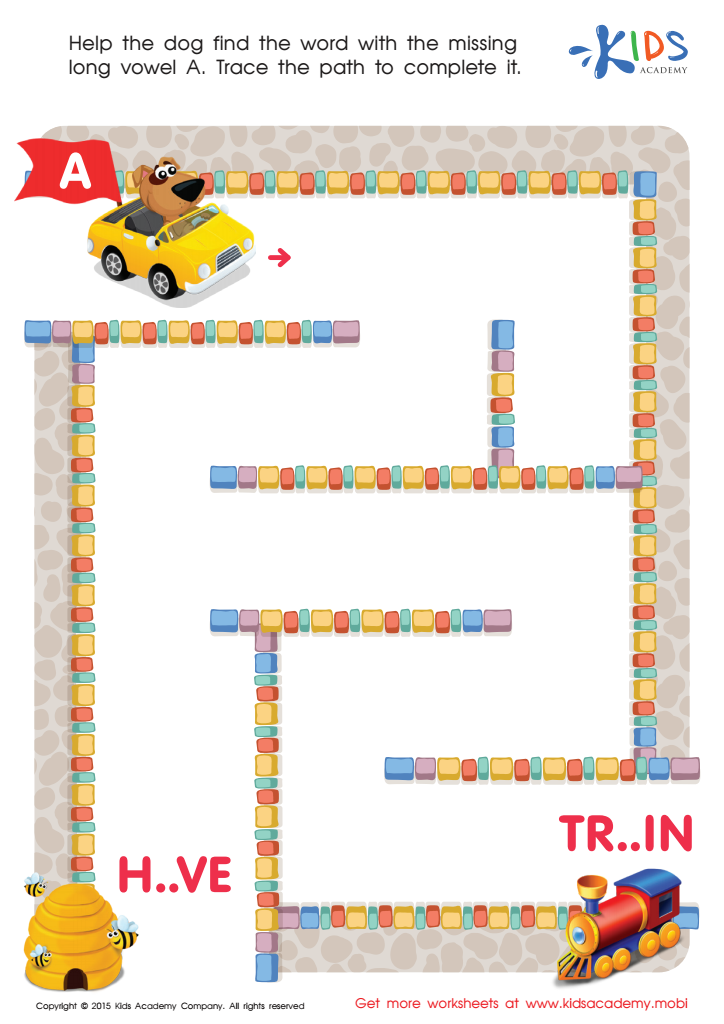
Teach your young learner about the long vowel A with this colorful free printable phonics worksheet. The long vowel A says its name while the short vowel A does not. Complete the worksheet by tracing the root to the toy train and helping the dog by filling in the missing letter A. Have them practice writing and spelling with phonics while having fun!
 Assign to My Students
Long Vowel Sound A Worksheet
Worksheet
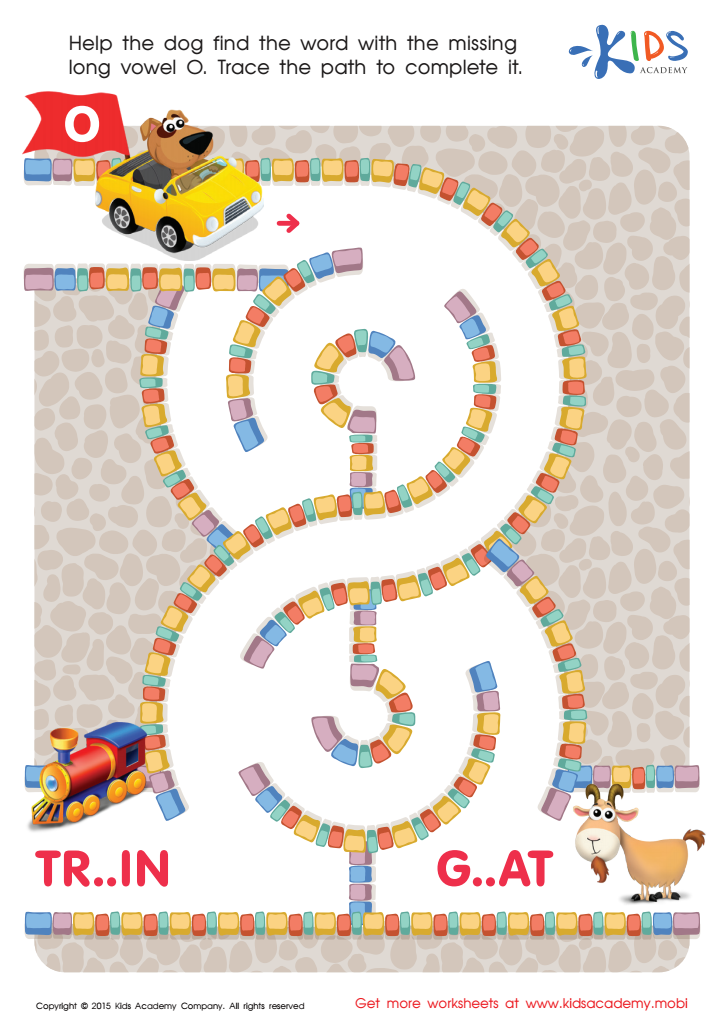
Long Vowel Sound O Worksheet
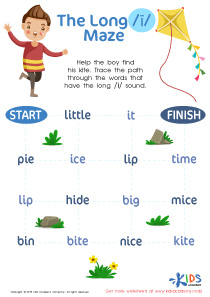
Help the goat find her missing O! Guide your little learner through this fun maze to help the goat get its vowel sound back. Make phonics learning engaging and enjoyable with this free printable worksheet.
Long Vowel Sound O Worksheet
Worksheet
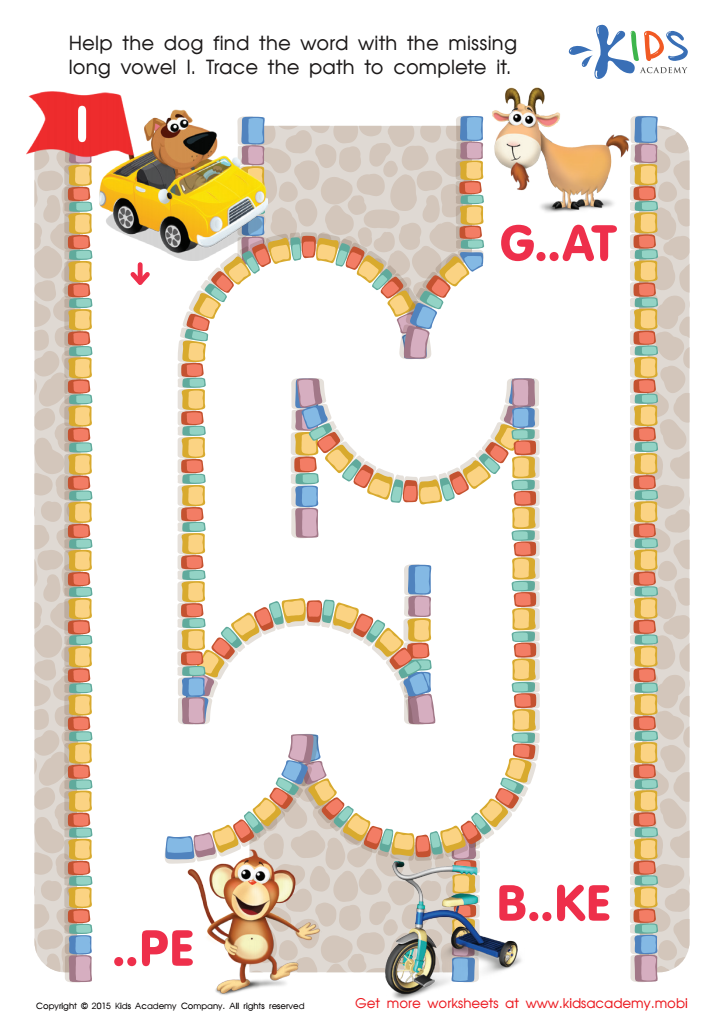
Long Vowel Sound I Worksheet
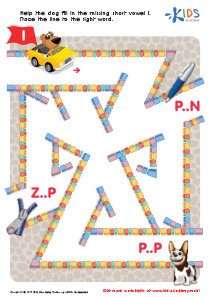
Learning long vowels is essential to becoming a good reader. Ask your child to distinguish between the long and short I vowel sounds. Remind them that the long I says its name, while the short I doesn't. With this fun printable phonics worksheet, your kid can practice writing and spelling while helping a dog find his way through a maze. Check out our phonics worksheets for more learning activities.
Long Vowel Sound I Worksheet
Worksheet
Join Kids Academy for Free
Who is primarily going to use this learning content?



Parents and teachers should prioritize the Vowel Recognition Extra Challenge with a focus on long vowels for children aged 5-6 because it lays a crucial foundation for reading proficiency. At this developmental stage, children transition from recognizing basic alphabetic sounds to blending and decoding words. Long vowel mastery is especially important as these sounds frequently appear in early reading materials, facilitating smoother reading experiences.
Understanding long vowels helps distinguish between similar words, enhancing literacy and comprehension. For example, knowing the difference between "cap" and "cape" promotes better word identification and spelling accuracy. This forms the basis for effective phonemic awareness, an essential skill in early literacy that strongly correlates with future reading success.
Additionally, engaging in vowel recognition challenges enhances children's listening skills. Differentiating between sounds trains them to be more attentive and observant, which positively impacts both academic performance and daily communication.
Lastly, parents and teachers involving children in these activities show that they value education and are invested in the child's growth. This encouragement boosts the child’s confidence and motivation, fostering a positive attitude toward learning. Thus, emphasizing vowel recognition challenges ensures children build solid, foundational reading skills necessary for long-term academic achievement.