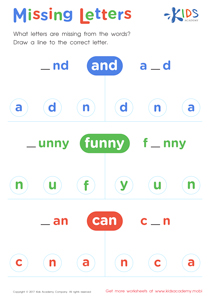
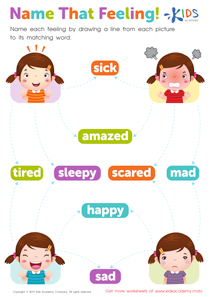
Boost your child's letter recognition skills with our engaging "Extra Challenge Tracing Letters Worksheets for Ages 5-6"! Designed for young learners, these worksheets provide an exciting way to trace both uppercase and lowercase letters, enhancing fine motor skills while reinforcing the alphabet. Kids will love the interactive activities that promote letter recognition through colorful illustrations and fun exercises. Ideal for classrooms or home learning, these worksheets help develop early literacy skills in a playful and supportive manner. Prepare your child for reading success with these captivating tracing challenges! Check out our variety of worksheets to inspire learning today!

Check out this FREE Trial Lesson on Tracing Letters for age 5-6!

X

Favorites
With answer key
Interactive
  • 5-6
  • Letter recognition
  • Tracing Letters
  • Extra Challenge
Letter R worksheets
Letter R worksheets

Letter R Tracing Page

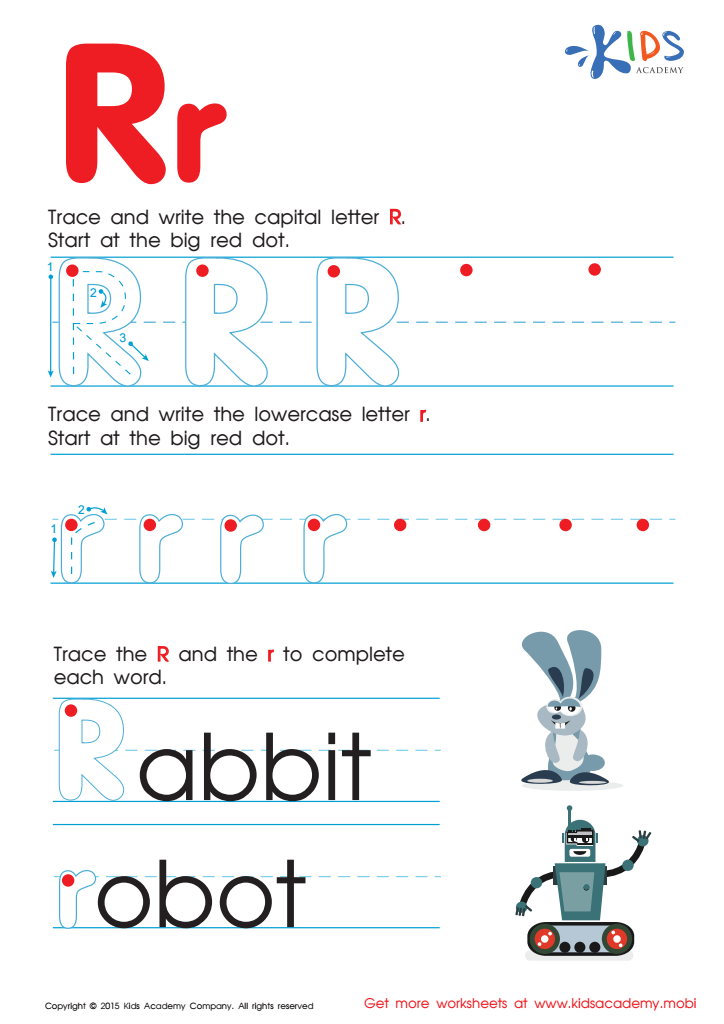
Trace and write the letter "R" with this worksheet for kindergarten. Start with the uppercase, then move on to the lowercase. Write the letters several times for practice. Then help complete the words for the rabbit and robot, spelling carefully. More ABC worksheets can be found at Kids Academy.
Letter R Tracing Page
Worksheet
Letter X worksheets
Letter X worksheets

Letter X Tracing Page

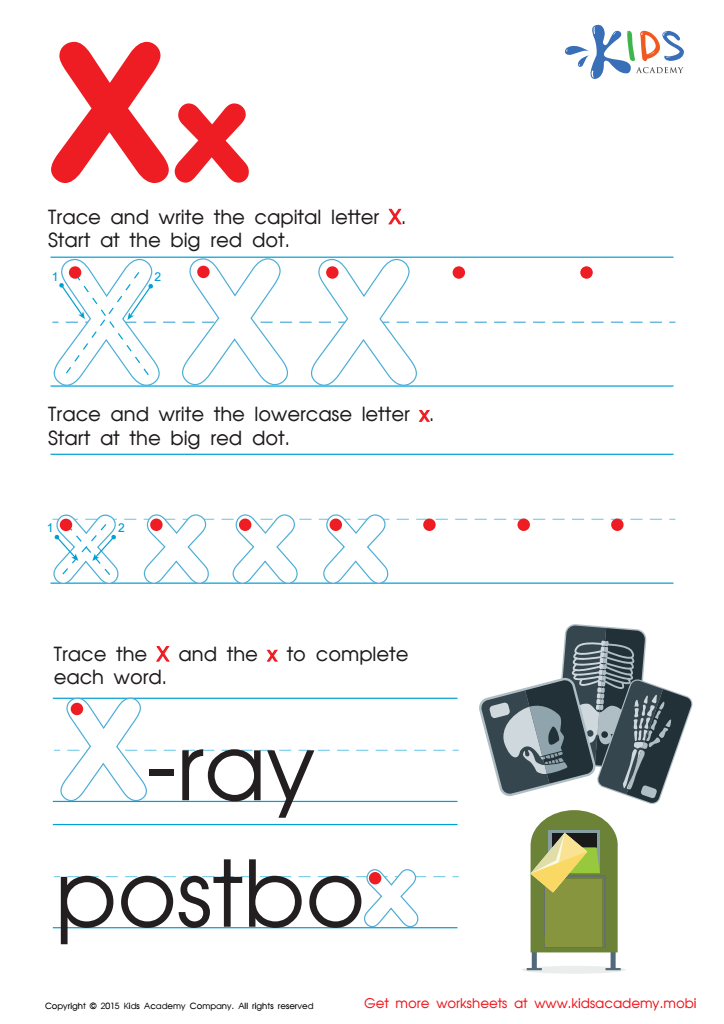
Trace the uppercase letter "X" to learn, then write it yourself and practice. Then do the same with the lowercase "x" before completing the words "X-ray" and "postbox". Enjoy our alphabet printables!
Letter X Tracing Page
Worksheet
Letter U worksheets
Letter U worksheets

Letter U Tracing Page

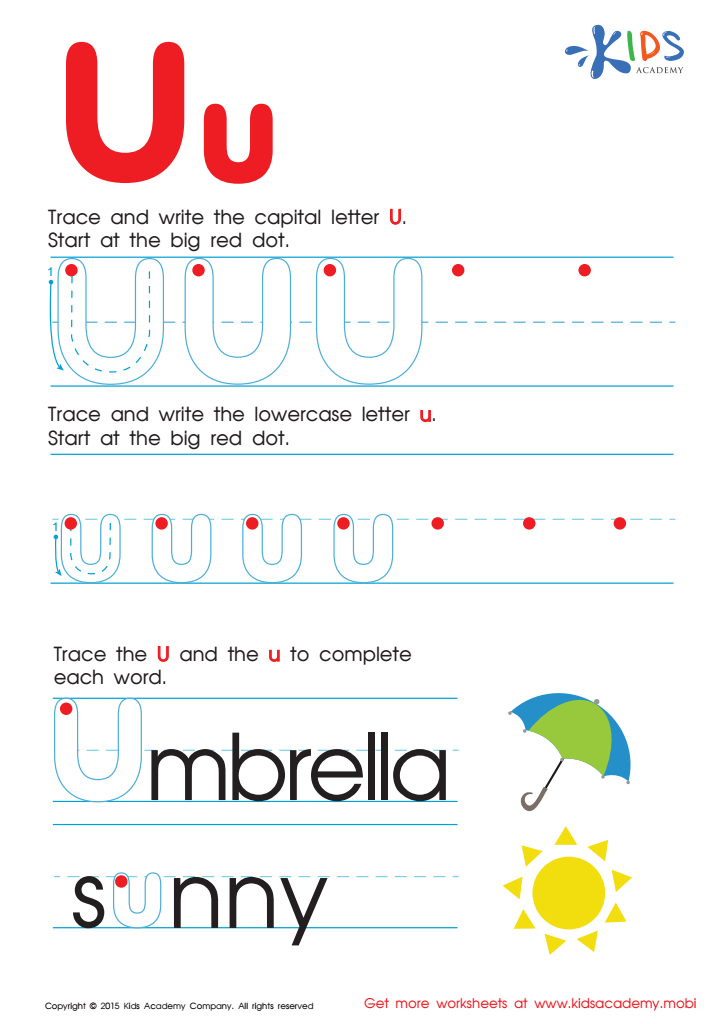
Ready to trace and write the letter "U"? Use our worksheet and practice tracing both uppercase and lowercase letters. Complete the words "umbrella" and "sunny" with a capital "U". Check our full collection of alphabet printables for more activities.
Letter U Tracing Page
Worksheet
Letter S worksheets
Letter S worksheets

Letter S Tracing Page

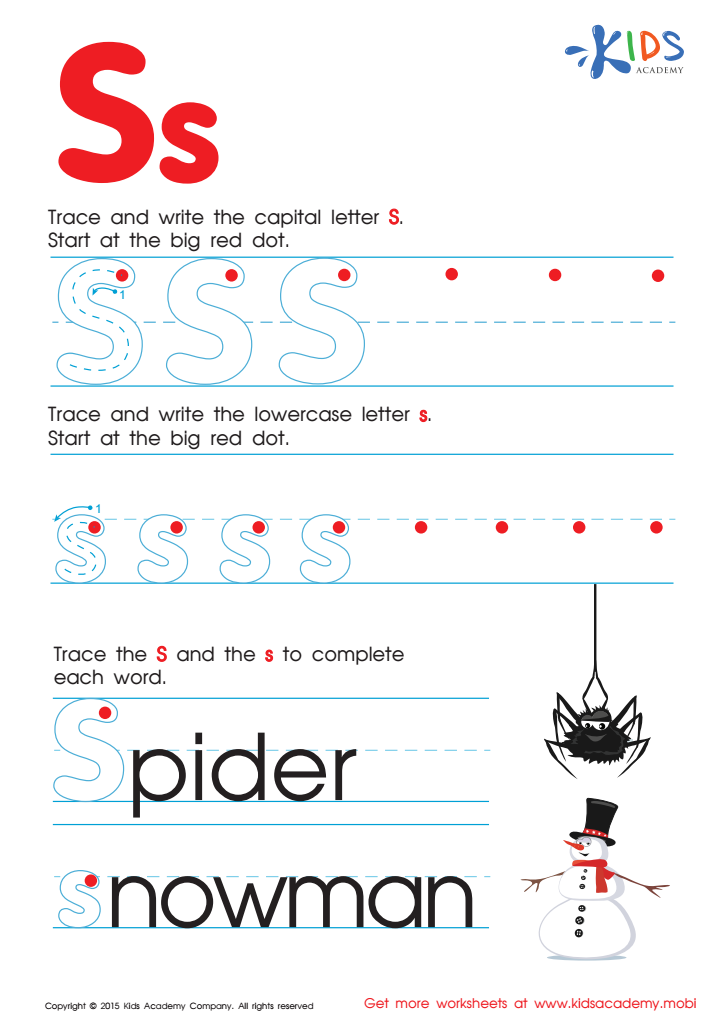
Trace and write the capital and lowercase "S" on this ABC worksheet for kindergarten. Start with the big red dot and be careful. When you finish, help the spider and snowman in the pictures restore their words with the capital and lowercase letters. Continue learning the alphabet with Kids Academy.
Letter S Tracing Page
Worksheet
Letter W worksheets
Letter W worksheets

Letter W Tracing Page

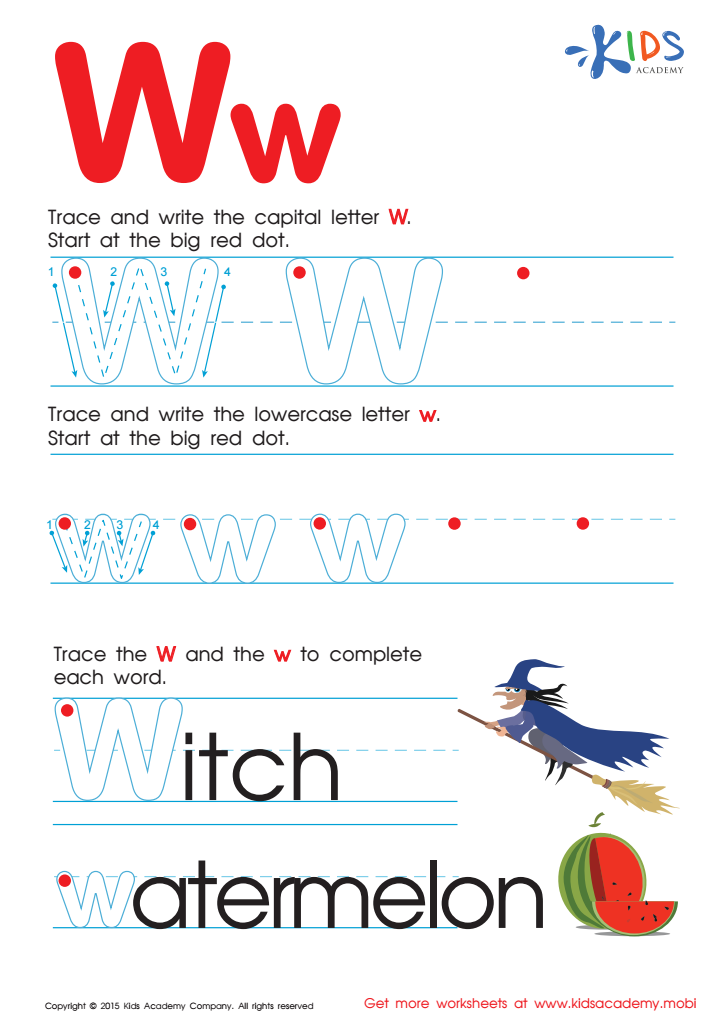
Trace and write the capital and lowercase letter W with this free letter tracing worksheet by Kids Academy. Complete the words "Witch" (capital) and "watermelon" (lowercase). Check out our other kindergarten alphabet worksheets!
Letter W Tracing Page
Worksheet
Letter V worksheets
Letter V worksheets

Letter V Tracing Page

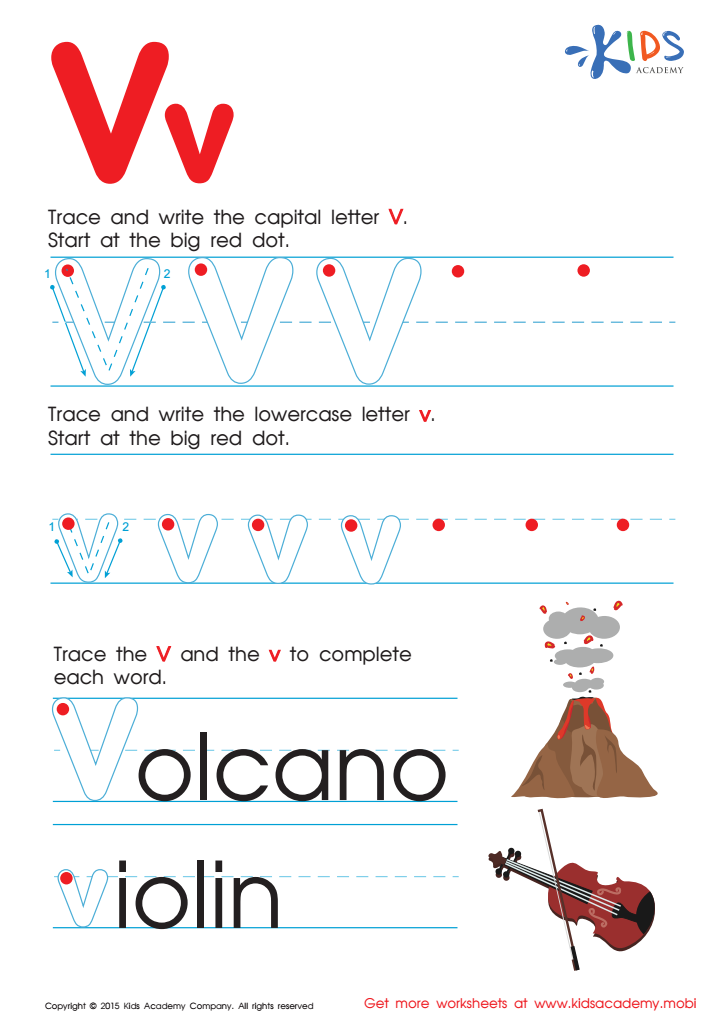
Trace the uppercase and lowercase letter "V" with our kindergarten tracing worksheet. Begin at the red dot and follow the lines. Write it several times. Complete the words "Volcano" and "violin". Get more alphabet activities at Kids Academy.
Letter V Tracing Page
Worksheet
Letter T worksheets
Letter T worksheets

Letter T Tracing Page

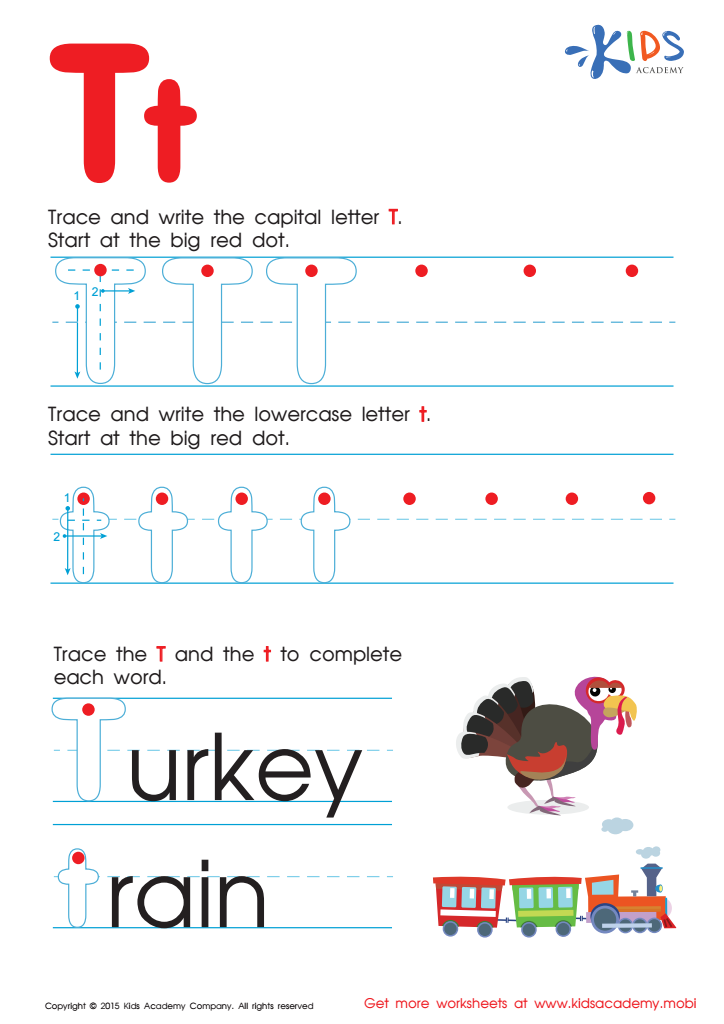
Trace letters, complete words, draw pictures and see your kids having fun! Kids Academy offers alphabet tracing worksheets to learn to write letters. Start with the big red dot, trace the letter, then write it. Practice uppercase and lowercase. Have fun completing words with a Turkey or a rain-train and draw pictures. Get more printable worksheets to make learning enjoyable.
Letter T Tracing Page
Worksheet


Letter recognition is a foundational skill essential for early literacy development. For children aged 5-6, mastering this skill sets the stage for successful reading and writing. Engaging in activities like the "Extra Challenge Tracing Letters" helps reinforce their ability to identify, differentiate, and produce letters. This playful approach aids in solidifying recognition through repetition and fine motor development, making the learning process both effective and enjoyable.

Parents and teachers should prioritize letter recognition, as it aids in language acquisition, enhances vocabulary, and fosters communication skills. When children confidently recognize letters, they become more adept at sounding out words, which is critical during early reading stages. Tracing letters not only builds letter familiarity but also develops hand-eye coordination and dexterity—key components for writing.

Additionally, this activity encourages persistence and focus, benefitting overall cognitive development. By promoting letter recognition, adults support children’s academic readiness and instill a love for learning, creating a strong foundation for lifelong literacy skills. Overall, the Extra Challenge Tracing Letters serves as a crucial tool in helping young learners thrive in an increasingly literate world.