Understanding patterns Extra Challenge Worksheets for Ages 5-6
4 filtered results
-
From - To
Unlock your child's mathematical potential with our "Understanding Patterns Extra Challenge Worksheets for Ages 5-6." Specifically designed to engage young minds, these worksheets provide stimulating exercises that enhance pattern recognition skills through fun and interactive activities. By exploring various types of patterns—sequential, visual, and auditory—children will develop critical thinking and problem-solving abilities. Our carefully crafted challenges encourage creativity while reinforcing essential early math concepts. Ideal for both classroom and home use, these worksheets aim to foster a love for learning and help your child excel in their educational journey. Download now and watch your little learner thrive!
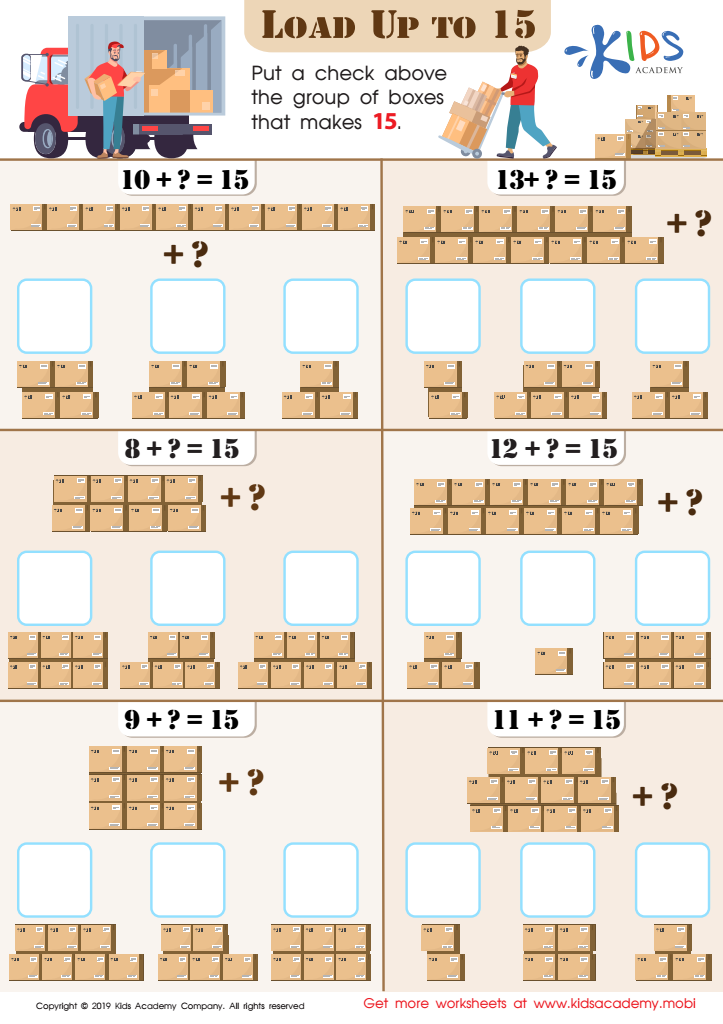
Load up to 15 Worksheet
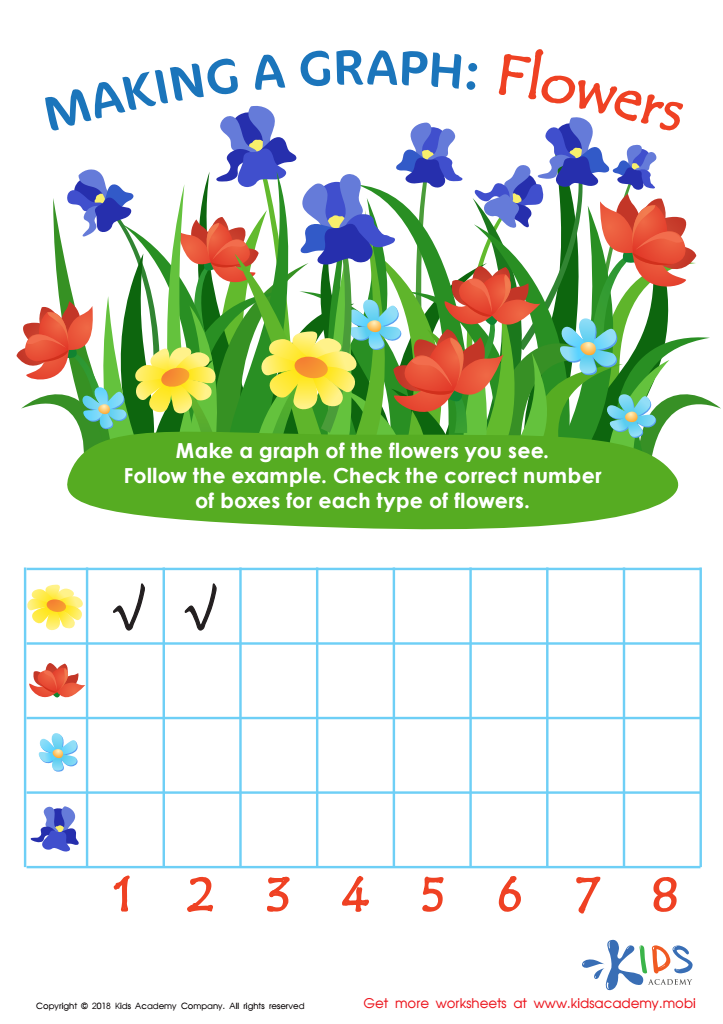
Making a Graph: Flowers Worksheet
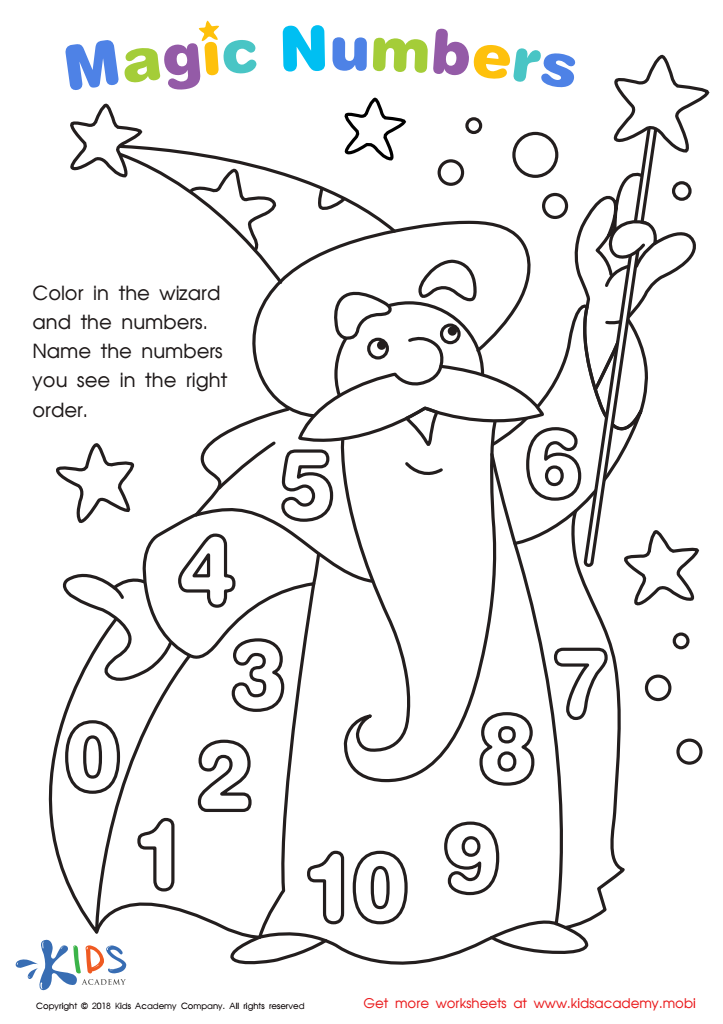
Magic Numbers Worksheet
 Assign to My Students
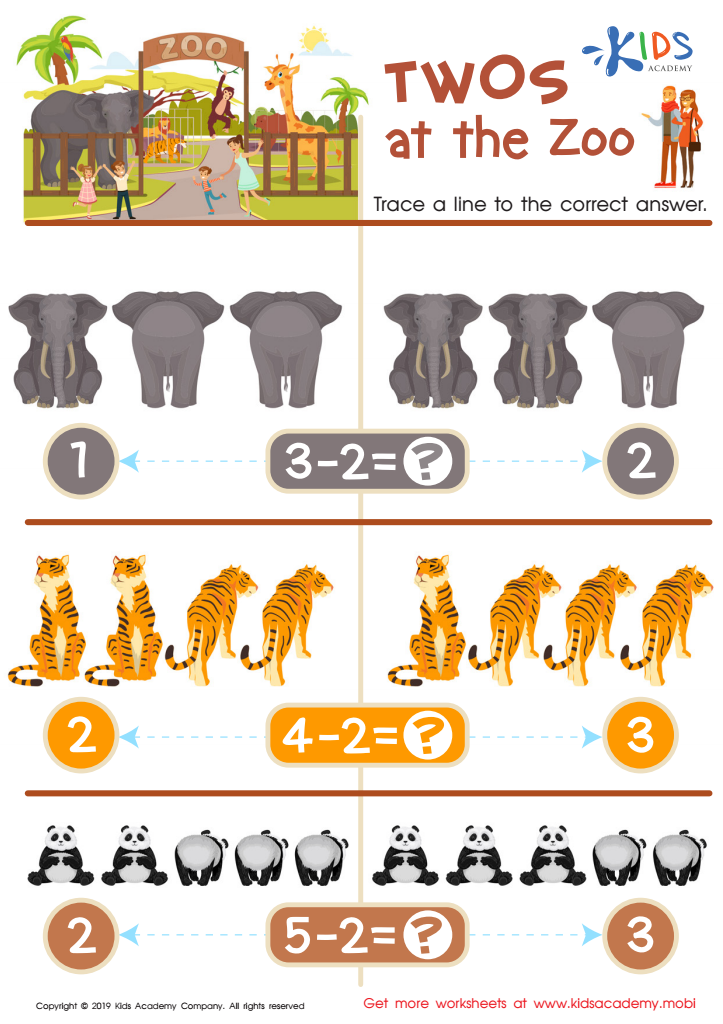
Twos at the Zoo Worksheet







.jpg)
Understanding patterns is crucial for children aged 5-6, as it lays the foundation for critical thinking and problem-solving skills. For parents and teachers, recognizing the importance of this concept is essential in facilitating a child's cognitive development. Patterns appear everywhere in our daily lives, from nature to music and even social interactions. When children learn to identify, create, and extend patterns, they cultivate their ability to make connections and see relationships in different contexts.
Engaging with patterns enhances a child’s mathematical skills, as it prepares them for concepts such as addition, subtraction, and algebra later on. Furthermore, recognizing patterns sharpens observation skills and promotes logical reasoning. For example, activities like sorting objects, identifying rhythms in music, or exploring color sequences encourage children to think critically and analyze information.
By actively participating in children’s exploration of patterns through games, discussions, and hands-on experiences, parents and teachers not only enrich the learning experience but also foster a love for learning. As the child develops an understanding of patterns, they gain confidence in their abilities, ultimately contributing to their overall academic success and readiness for future challenges. Engaging with patterns is both fun and vital, making it an invaluable aspect of early education.








