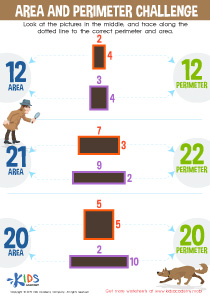
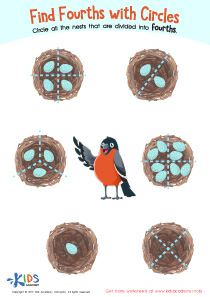
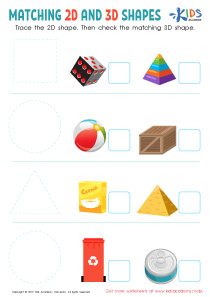
Fine Motor Skills Extra Challenge 2D Shapes Worksheets for Ages 5-6
3 filtered results
-
From - To
Enhance your child's fine motor skills with our engaging Fine Motor Skills Extra Challenge 2D Shapes Worksheets designed specifically for ages 5-6. These worksheets offer a fun and interactive approach to learning geometric shapes identified in everyday life. Through various activities, children will practice tracing, cutting, and coloring, sharpening their hand-eye coordination and dexterity. Ideal for home or classroom use, these resources make learning shapes enjoyable while promoting essential motor skills development. Dive into creative learning with stimulating exercises that guide young learners toward academic success and improved confidence. Explore our extensive collection of worksheets to enrich your little one's educational journey!
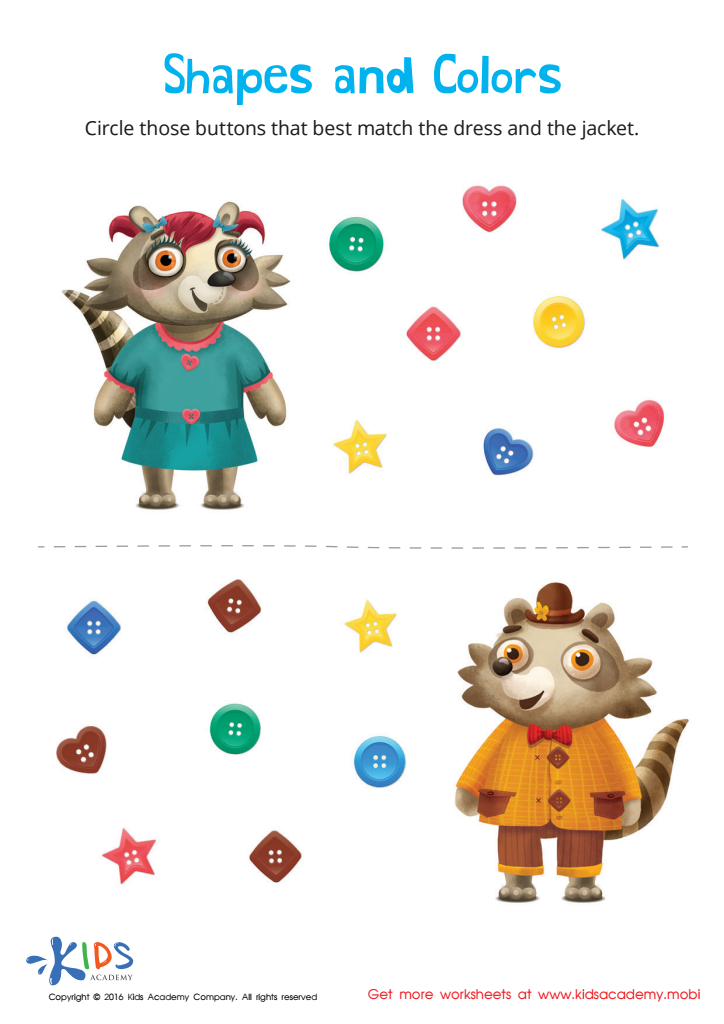
Matching: Shapes and Colors Worksheet
 Assign to My Students



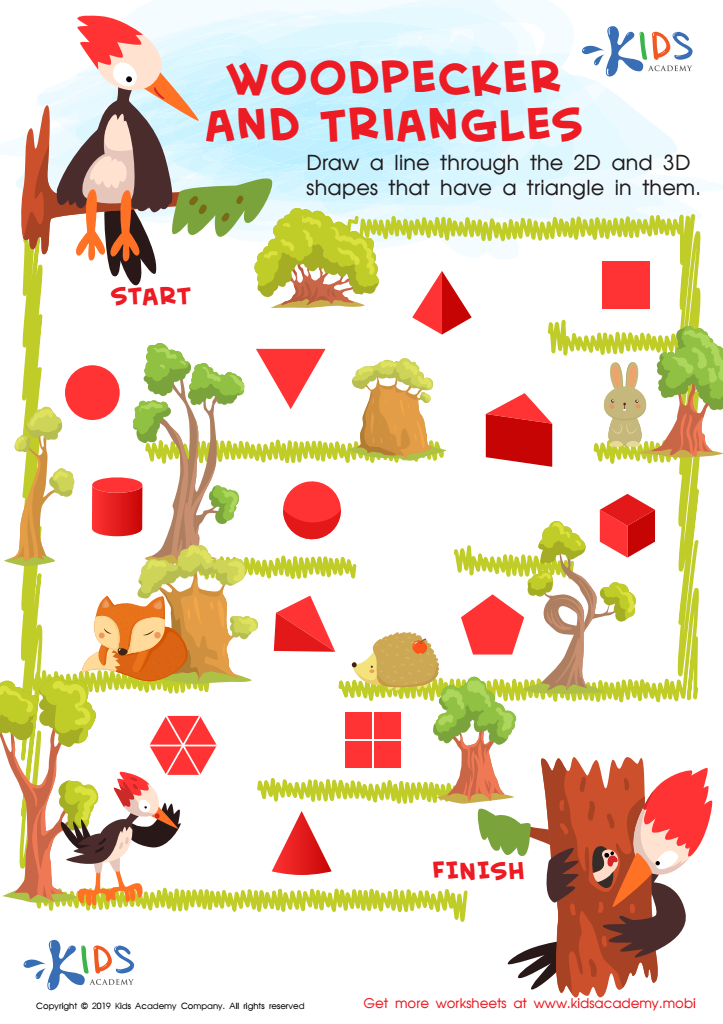
Woodpecker and Triangles Worksheet
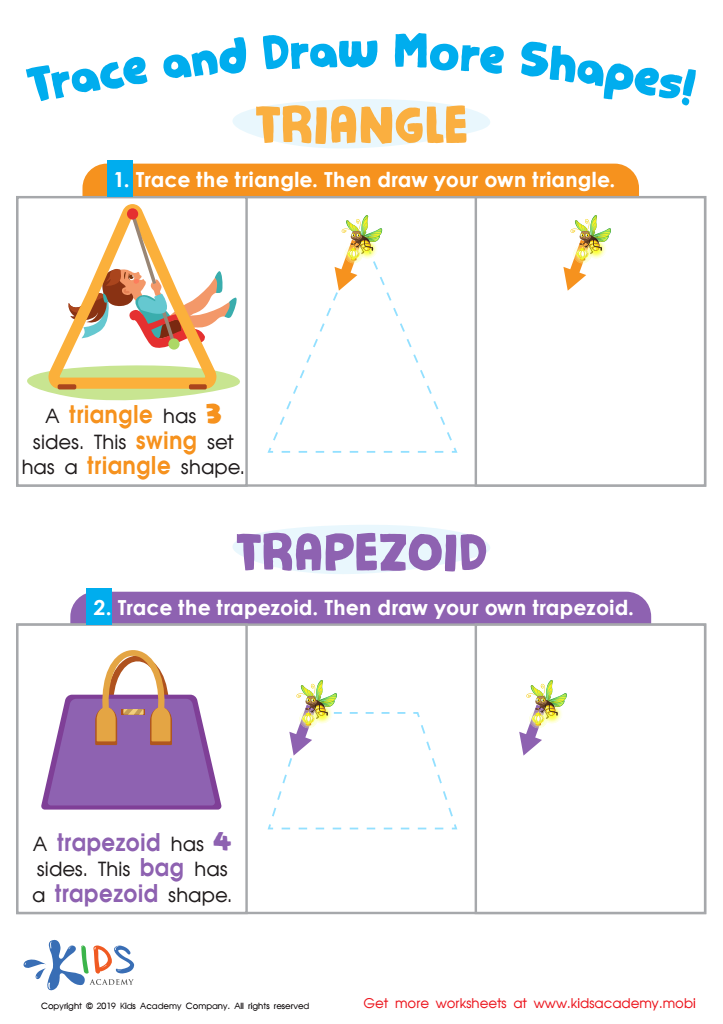
Trace and Draw More Shapes Worksheet








Fine motor skills are crucial for young children's overall development, particularly for those aged 5-6. Engaging in activities such as the Fine Motor Skills Extra Challenge focusing on 2D shapes supports children in honing these essential skills. These challenges help them develop hand-eye coordination, dexterity, and control necessary for tasks like writing, cutting, and tying shoelaces.
As children manipulate shapes, they not only strengthen their fingers and hands but also enhance cognitive abilities related to spatial reasoning and geometry. Recognizing and differentiating among 2D shapes fosters critical thinking and problem-solving skills, invaluable traits that contribute to academic success.
Moreover, activities that emphasize fine motor skills can be integrated into play, making learning enjoyable and engaging. This duality of learning ensures that children attain crucial developmental milestones while having fun, encouraging a love for learning early on. Both parents and teachers play a key role in facilitating these experiences. By promoting challenges that involve 2D shape manipulation, they instill confidence and perseverance in children, preparing them for future academic and life challenges. Investing time in developing fine motor skills lays a robust foundation for children’s future learning and development.