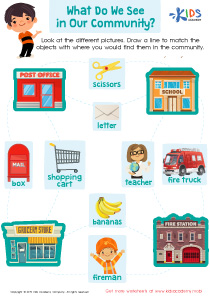
Fine Motor Skills Extra Challenge Geometry Worksheets for Ages 5-6
4 filtered results
-
From - To
Enhance your child's fine motor skills with our Extra Challenge Geometry Worksheets, designed specifically for ages 5-6. These educational resources blend fun with learning by focusing on intricate tracing, drawing, and cutting tasks that boost dexterity while introducing key geometric concepts. From tracing shapes to drawing complex patterns, each worksheet encourages precision and creative thinking. Perfect for both classroom and at-home learning, our worksheets not only support mathematical understanding but also play a vital role in developing essential hand-eye coordination and fine muscle control in young learners. Give your child the head start they need in both geometry and motor skill proficiency!
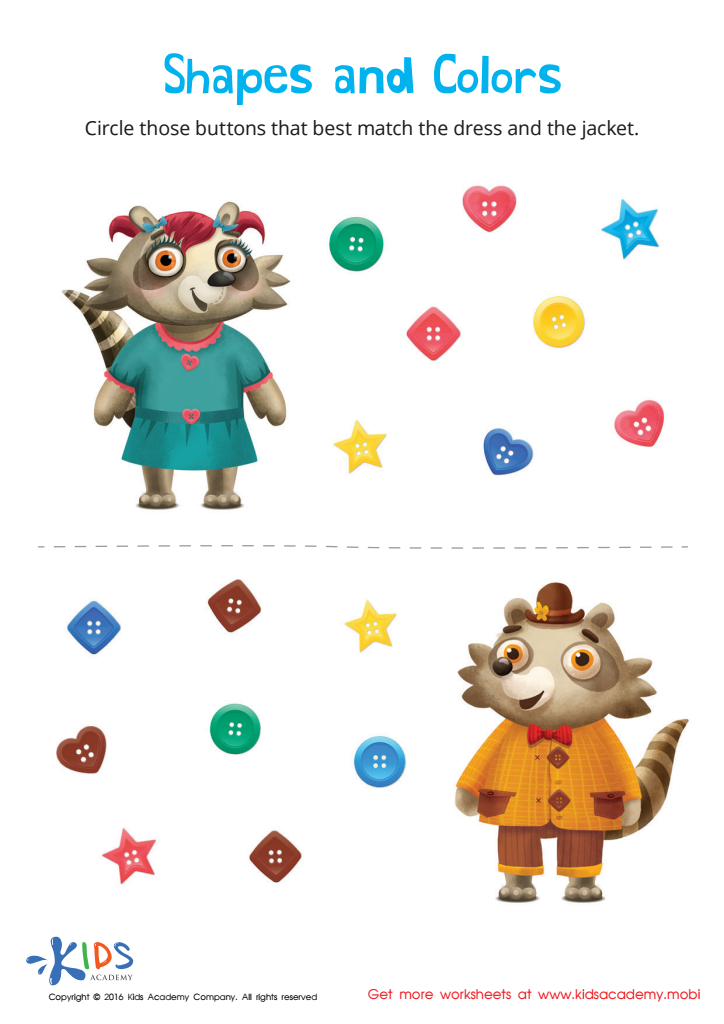
Matching: Shapes and Colors Worksheet
 Assign to My Students











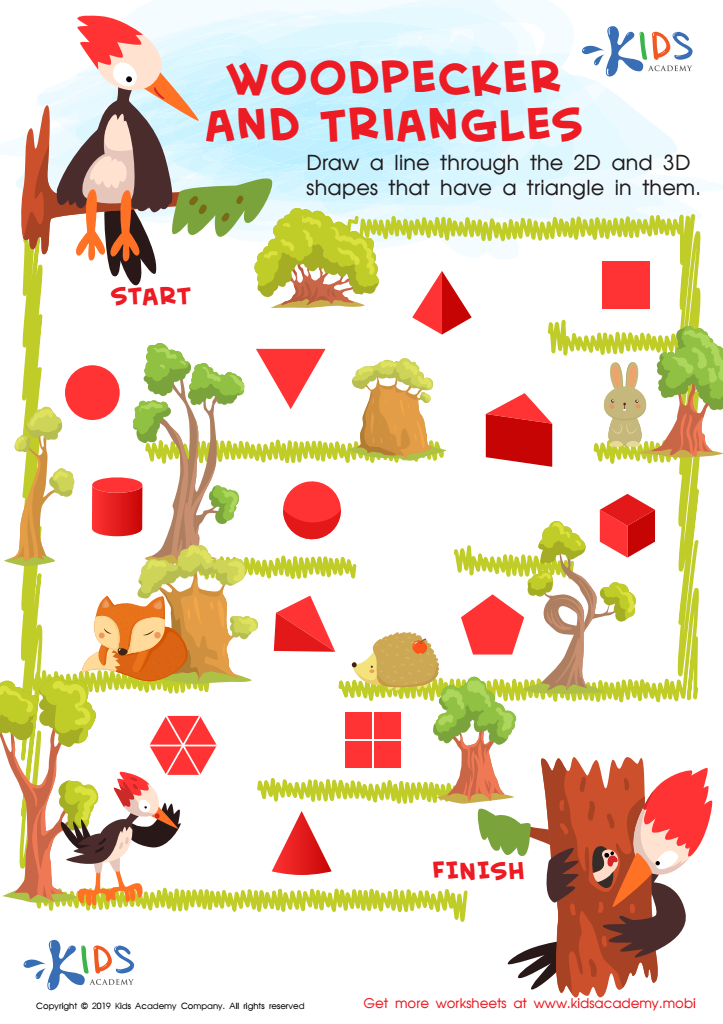
Woodpecker and Triangles Worksheet
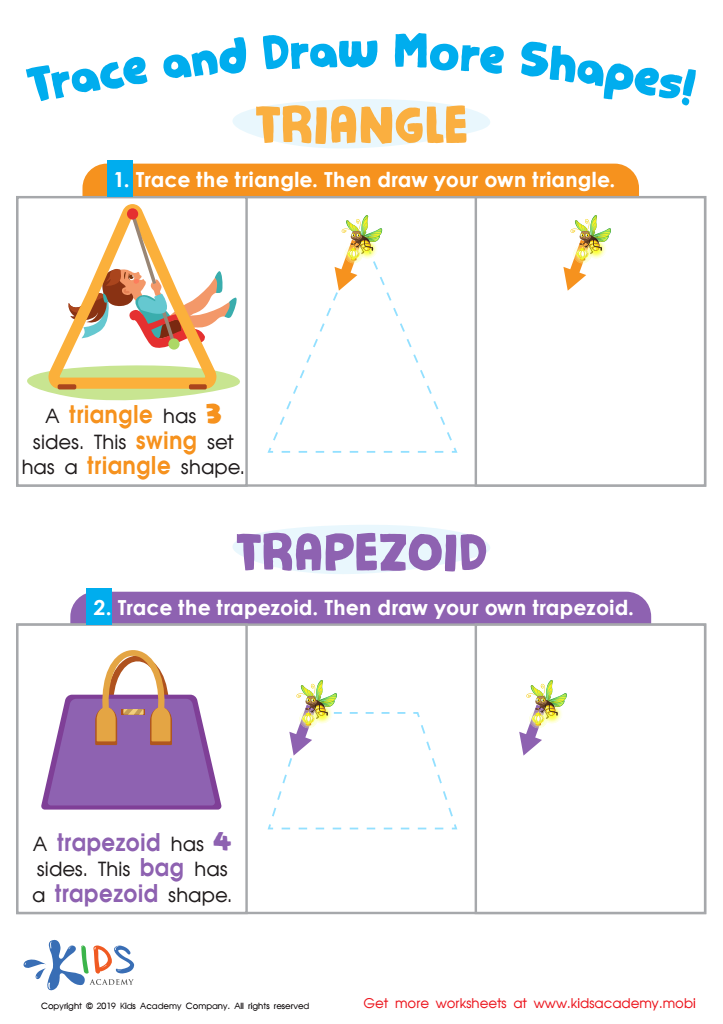
Trace and Draw More Shapes Worksheet
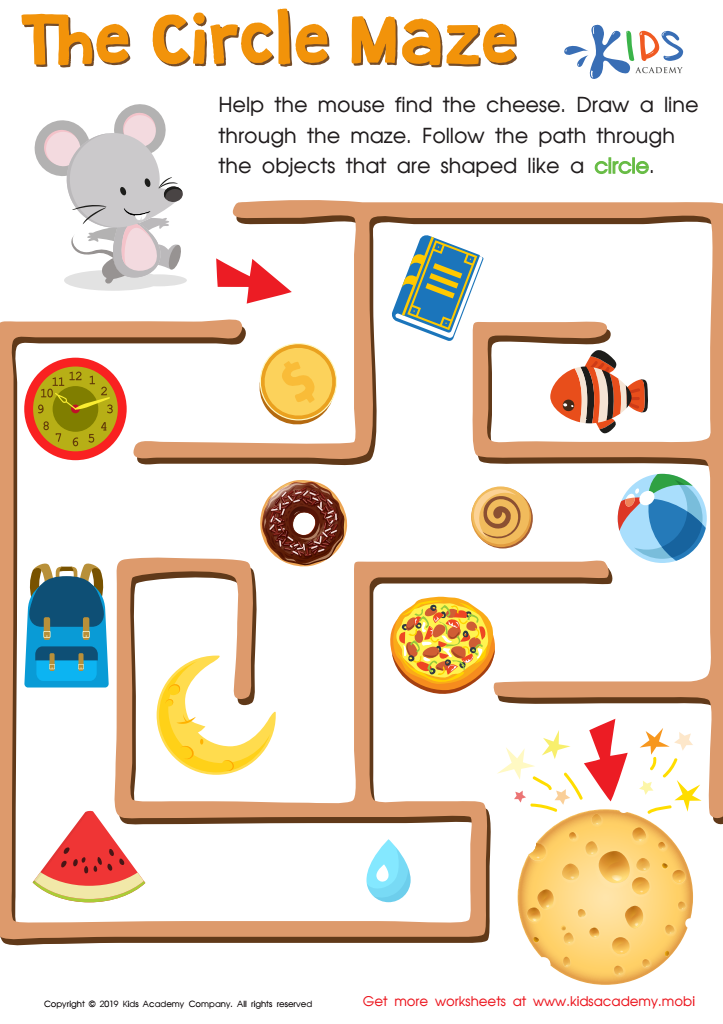
The Circle Maze Worksheet








Fine motor skills are fundamental for young children's development, especially around the ages of 5-6 when they're preparing for more structured learning. Activities that target fine motor skills, such as the Fine Motor Skills Extra Challenge Geometry, hold substantial benefits. Firstly, these exercises help to strengthen the small muscles in children's hands and fingers, which are crucial for tasks like writing, cutting with scissors, and buttoning clothes. Enhanced dexterity also spills over into better hand-eye coordination and spatial awareness, foundational skills for academic tasks.
Involving geometry in these fine motor activities provides cognitive benefits alongside physical development. It introduces young learners to important mathematical concepts such as shapes, symmetry, and spatial reasoning in an engaging, hands-on manner. This dual focus on physical and cognitive skills can boost children's problem-solving abilities and confidence in math-related activities, laying a solid groundwork for future mathematical learning and critical thinking.
Moreover, fine motor skill challenges foster patience, perseverance, and concentration, qualities that are essential not only for academic success but for personal development as well. By investing in fine motor skills and geometry challenges, parents and teachers are equipping children with the tools they need for a successful educational journey, promoting both physical and intellectual growth in an interconnected, purposeful way.