Color recognition Extra Challenge Math Worksheets for Ages 5-6
4 filtered results
-
From - To
Unlock your child's potential with our Color Recognition Extra Challenge Math Worksheets, designed specifically for ages 5-6! These engaging activities intertwine color recognition with essential math skills, making learning both fun and educational. Each worksheet provides a variety of tasks that stimulate creativity while reinforcing fundamental concepts such as counting, sorting, and pattern recognition through vibrant visuals. Perfect for at-home practice or classroom use, these worksheets encourage critical thinking while promoting a love for learning. Watch your young learners thrive as they explore colors while developing key math abilities. Get started today and make math an exciting adventure!
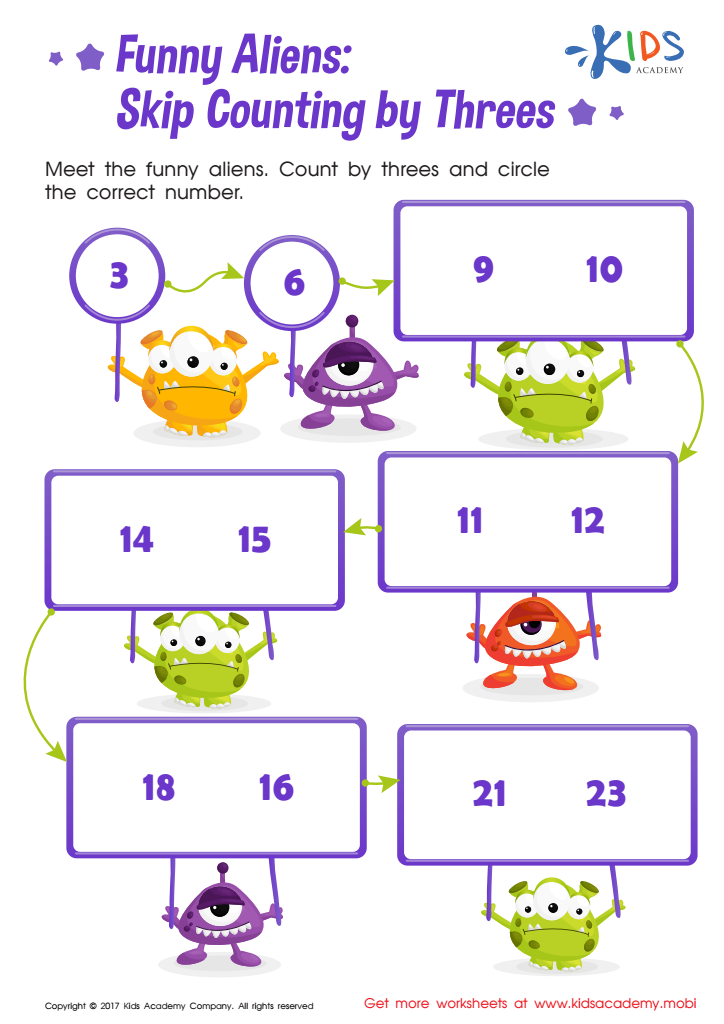
Skip Counting by 3s: Funny Aliens Printable
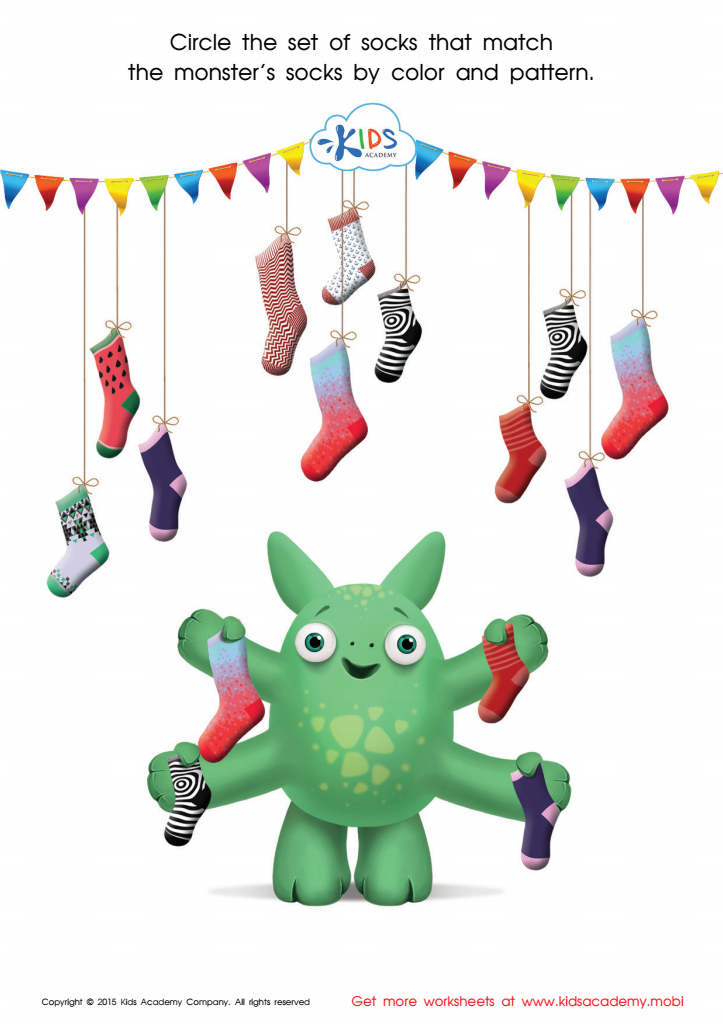
Sort the Monster's Socks Worksheet
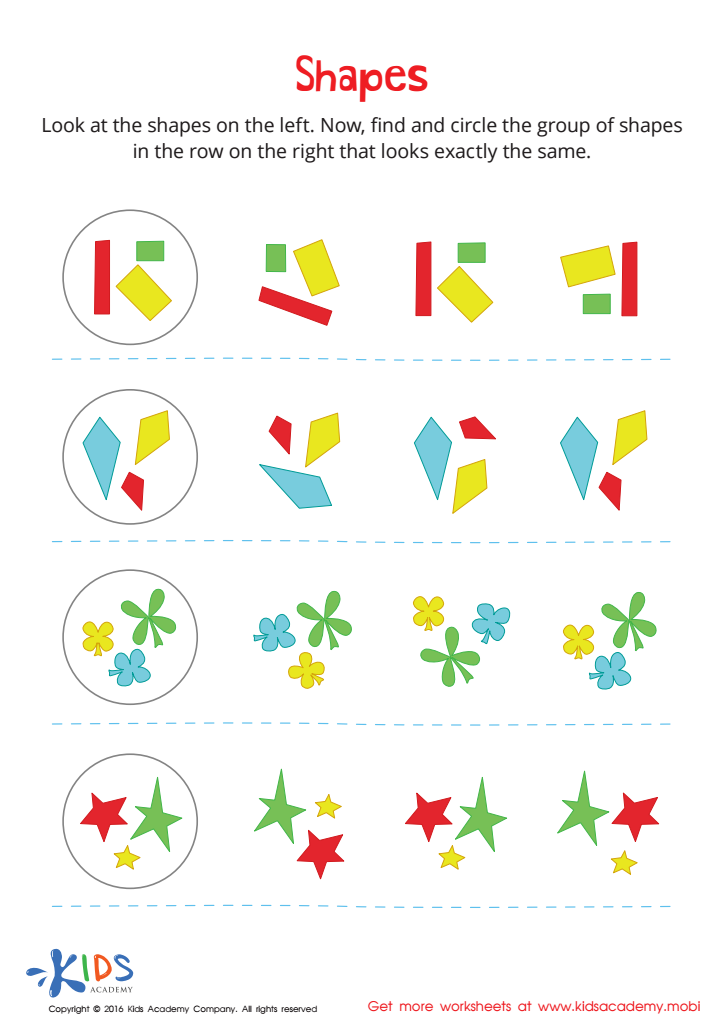
Shapes Worksheet
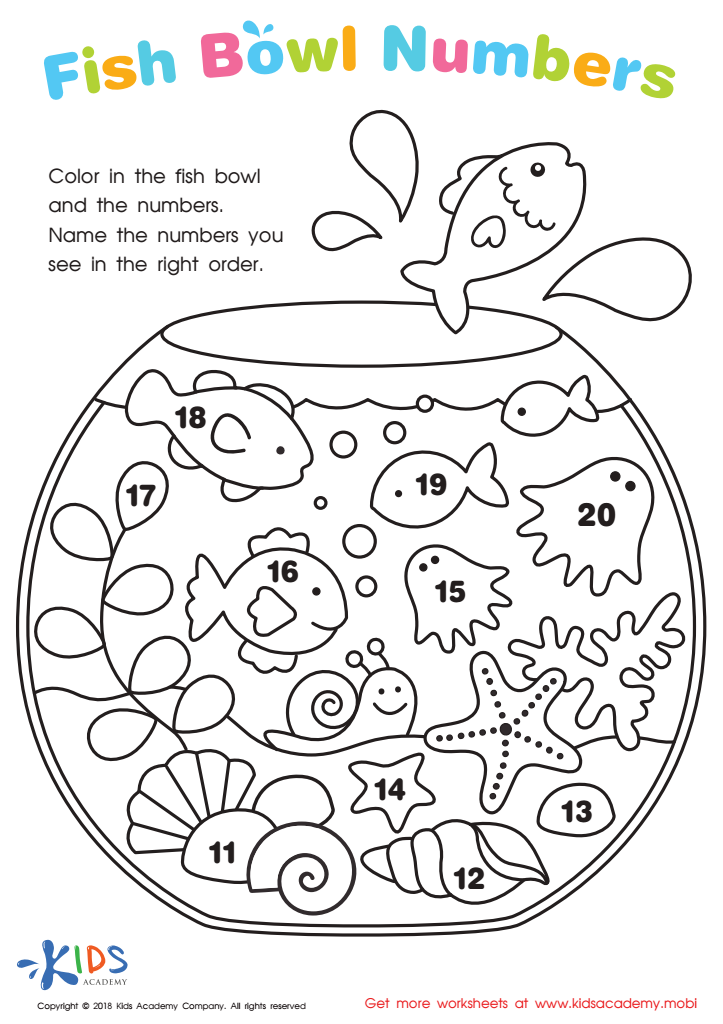
Fish Bowl Numbers Worksheet
 Assign to My Students








Color recognition is a fundamental skill that plays a vital role in early childhood development, extending beyond mere identification of hues. It forms the basis for critical thinking and cognitive skills, which are essential in math. By incorporating color recognition with Extra Challenge Math for ages 5-6, parents and teachers create an engaging learning experience that fuses creativity with analytical problem-solving.
Recognizing colors helps children categorize and sort objects, fostering their ability to work with shapes and quantities, foundational aspects of mathematics. For example, when children group colored blocks, they enhance their understanding of quantities through comparisons and classifications. Adding an extra challenge stimulates their critical thinking and encourages problem-solving tactics, motivating them to grapple with unfamiliar concepts in a playful environment.
Furthermore, color recognition connects to emotional and social intelligence. By working in groups on color-based math to solve problems, children enhance cooperative skills and learn to express themselves. They also begin distinguishing emotions associated with colors, deepening their empathy and awareness. Ultimately, by prioritizing color recognition in math activities, parents and teachers set the stage for holistic development, fostering children's academic success and emotional intelligence during these critical early years.








