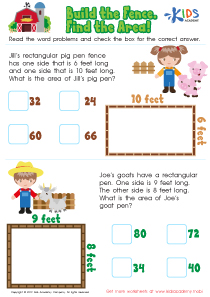
Basic Math Skills Extra Challenge Matching Worksheets for Ages 5-6
3 filtered results
-
From - To
Boost your child's mathematical aptitude with our "Basic Math Skills Extra Challenge Matching Worksheets" designed for ages 5-6! These engaging exercises not only make learning fun but also reinforce foundational math skills such as number recognition, counting, and simple addition. With vibrant illustrations and interactive activities, these worksheets are perfect for stimulating young minds and holding their interest. Ideal for use at home or in the classroom, they offer an excellent way to enhance early math proficiency while building confidence through practice. Give your child the extra challenge they need to master basic math concepts effortlessly!
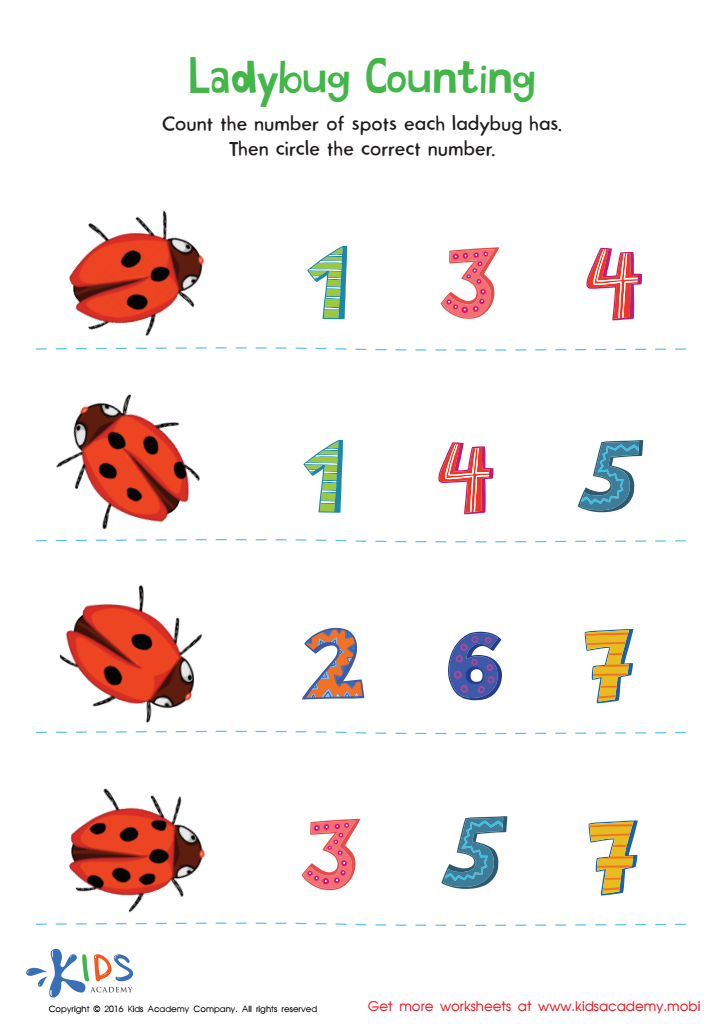
 Assign to My Students
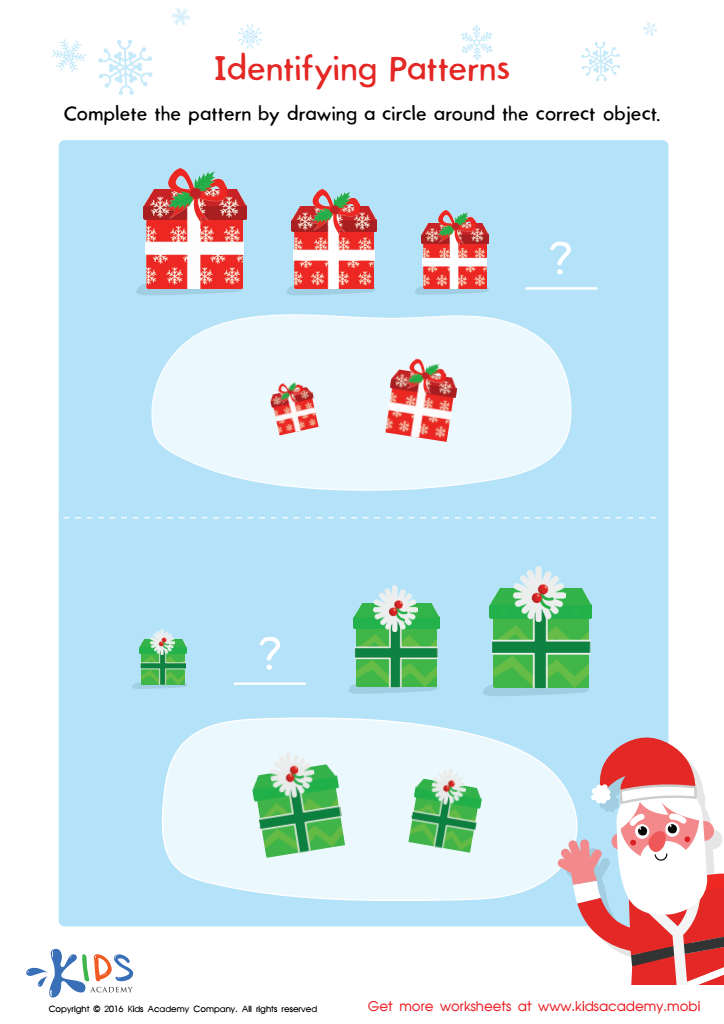
Identifying Patterns Worksheet
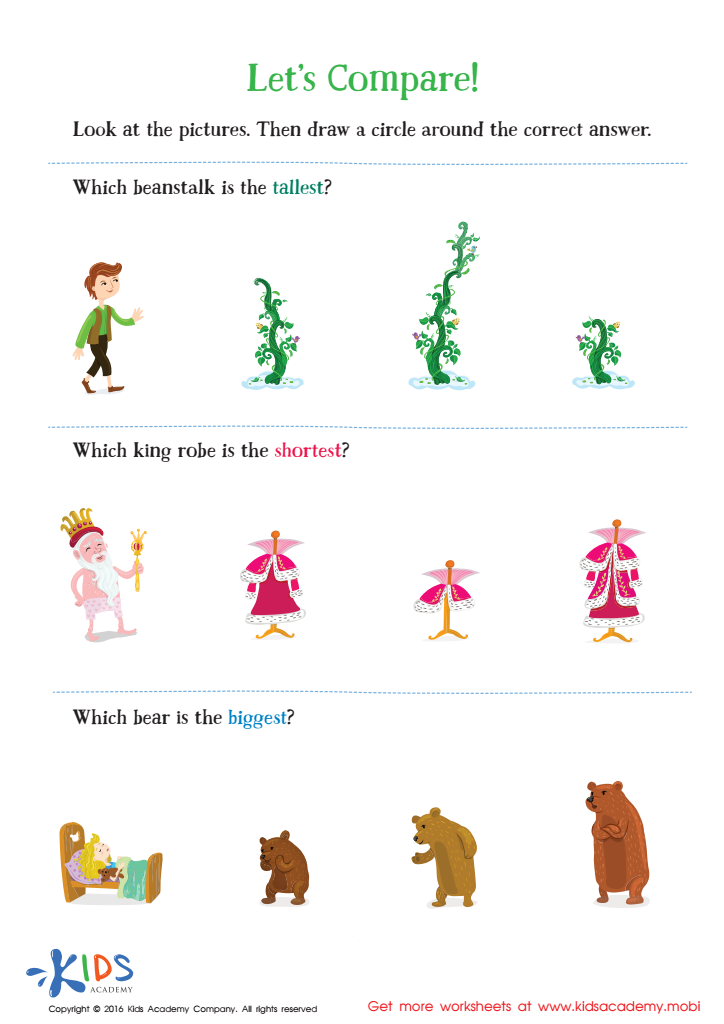
Fairy Tale Worksheet: Let's Compare








It's important for parents and teachers to value fundamental math skill exercises, like matching games, especially for children aged 5-6. Basic math skills lay the groundwork for more complex concepts they will encounter in their academic journey. Matching activities are particularly beneficial because they enhance a child's ability to recognize patterns, improve memory, and develop critical thinking.
For 5-6 year-old learners, the early stages of math are often about understanding numbers, counting, and basic arithmetic concepts. Matching games make these abstract principles more concrete and engaging. They help solidify the relationship between numbers and quantities, an essential foundation for future math endeavors.
Moreover, these activities support cognitive development by requiring kids to make connections and see relationships, both crucial skills for problem-solving. They also assist in developing attention to detail, a focus that will benefit learning across all subjects.
In addition to cognitive benefits, such exercises promote confidence. When young children successfully complete matching tasks, they experience a sense of accomplishment that fosters a positive attitude toward learning. Given these significant developmental advantages, integrating basic math skill matching challenges into daily routines can be a crucial, enjoyable, and effective strategy for both parents and teachers.