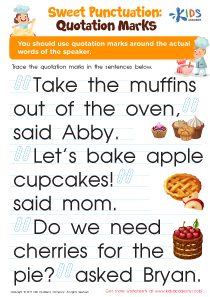
Logical thinking Extra Challenge Grammar Worksheets for Ages 5-6
3 filtered results
-
From - To
Enhance your child's logical thinking and grammar skills with our engaging "Logical Thinking Extra Challenge Grammar Worksheets" for ages 5-6. Designed to promote critical thinking, these worksheets challenge young learners to improve their understanding of sentence structure, punctuation, and vocabulary in a fun and interactive way. Each activity encourages exploration and problem-solving, strengthening foundational language skills. Perfect for classroom use or at-home learning, these worksheets make grammar exciting and accessible. Help your child develop essential skills that will benefit their education in the years to come. Dive into our diverse range of worksheets and watch your child's confidence soar!
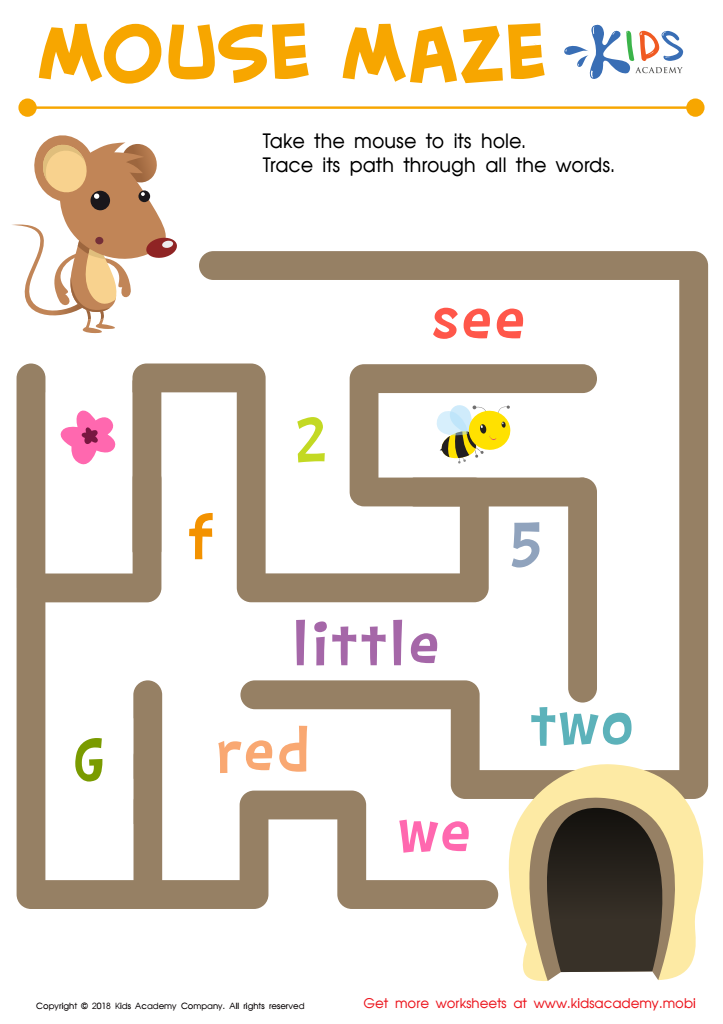
Find Words Mouse Maze Worksheet
 Assign to My Students
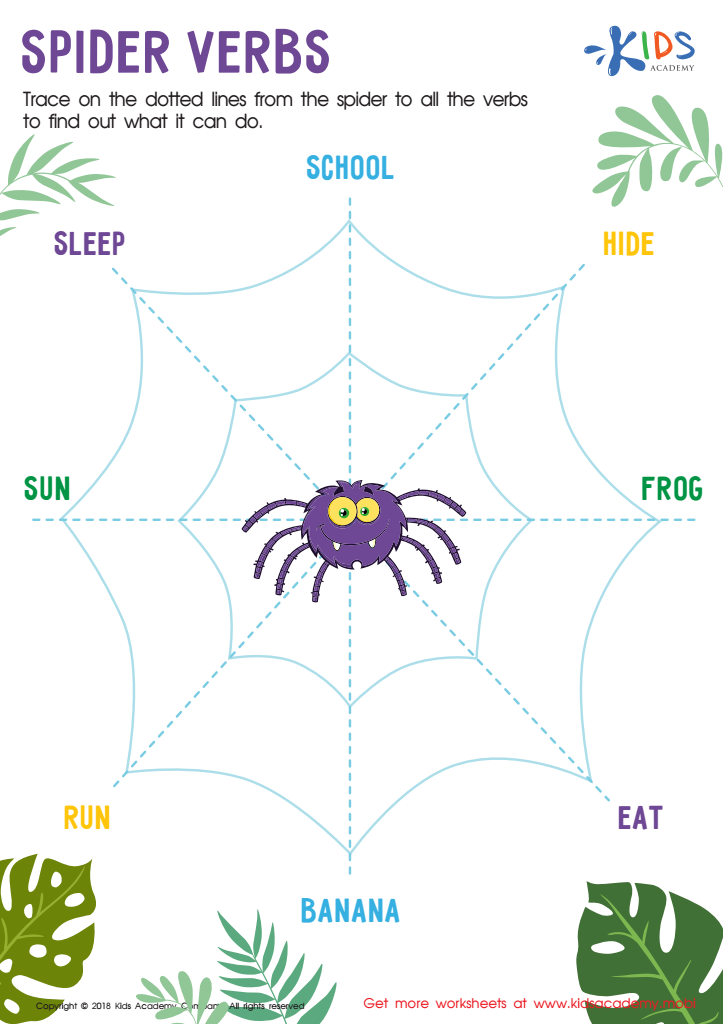
Spider Verbs Worksheet
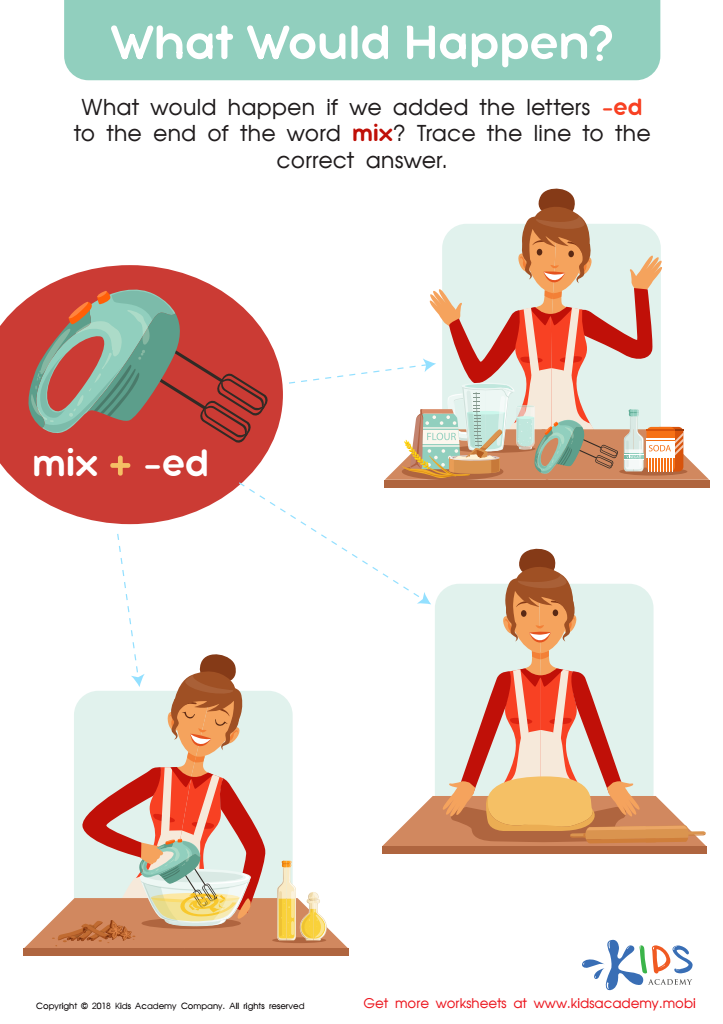
What Would Happen? Worksheet





.jpg)


Logical thinking skills are essential for children, especially during the formative ages of 5-6, as they lay the groundwork for critical reasoning and problem-solving abilities that will benefit their academic and personal lives. Logical thinking helps children to analyze situations, understand relationships, and make decisions based on evidence rather than impulse. When parents or teachers incorporate activities that focus on logical thinking, such as puzzles or reasoning games, they encourage children to develop these vital skills.
The Extra Challenge Grammar component further enriches this experience. With a focus on understanding language structure, children learn to formulate ideas clearly and coherently. This sharpens their communication abilities, allowing them to express their logical thoughts effectively. Moreover, mastering grammar fosters confidence in writing and speaking, leading to enhanced academic performance.
Teaching logical thinking through grammar also promotes critical thinking across subjects, enhancing a child’s ability to connect ideas in math, science, and reading comprehension. Ultimately, fostering these skills in early childhood cultivates creativity and innovation, essential traits in today's ever-changing world. When parents and teachers prioritize logical thinking along with grammar exercises, they set children on a path to becoming thoughtful and articulate learners, better prepared for future challenges.