Understanding patterns Extra Challenge Math Worksheets for Ages 5-7
4 filtered results
-
From - To
Boost your child's math skills with our "Understanding Patterns Extra Challenge Math Worksheets" designed specifically for ages 5-7. These engaging worksheets provide delightful exercises that encourage early learners to identify, create, and extend various patterns using colors, shapes, and numbers. By tackling these fun challenges, children will strengthen their critical thinking and problem-solving abilities while developing a solid foundation in mathematics. The worksheets are crafted to enhance visual recognition and logical reasoning, making learning enjoyable and effective. Perfect for classroom or at-home use, these extra challenge worksheets are a fantastic resource for fostering a love for math and building confidence in young learners!
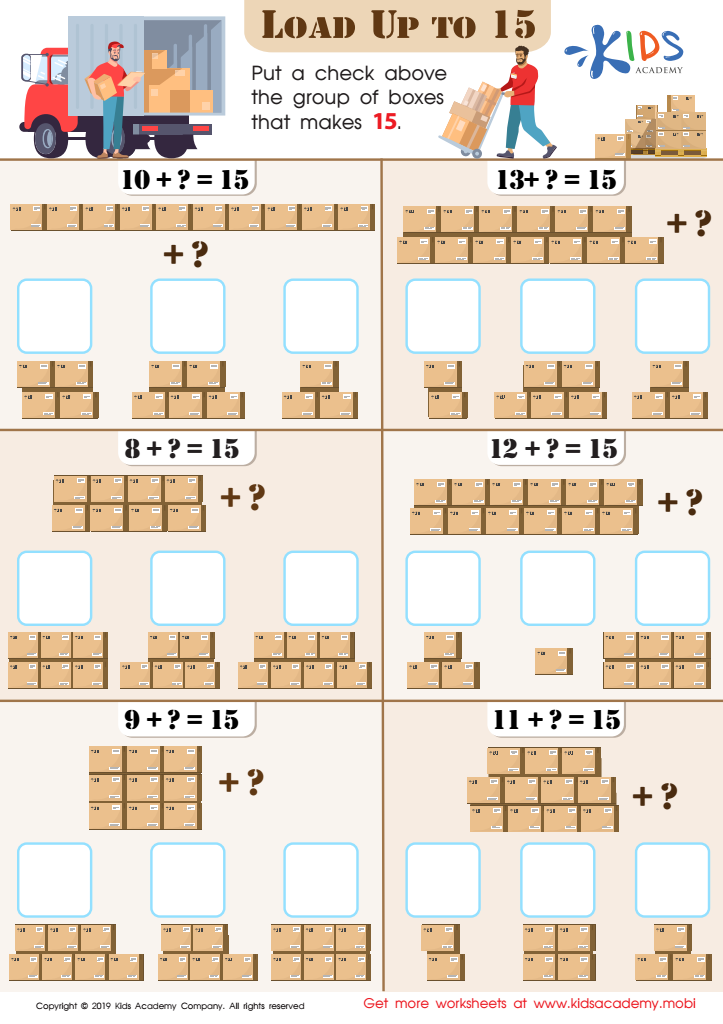
Load up to 15 Worksheet
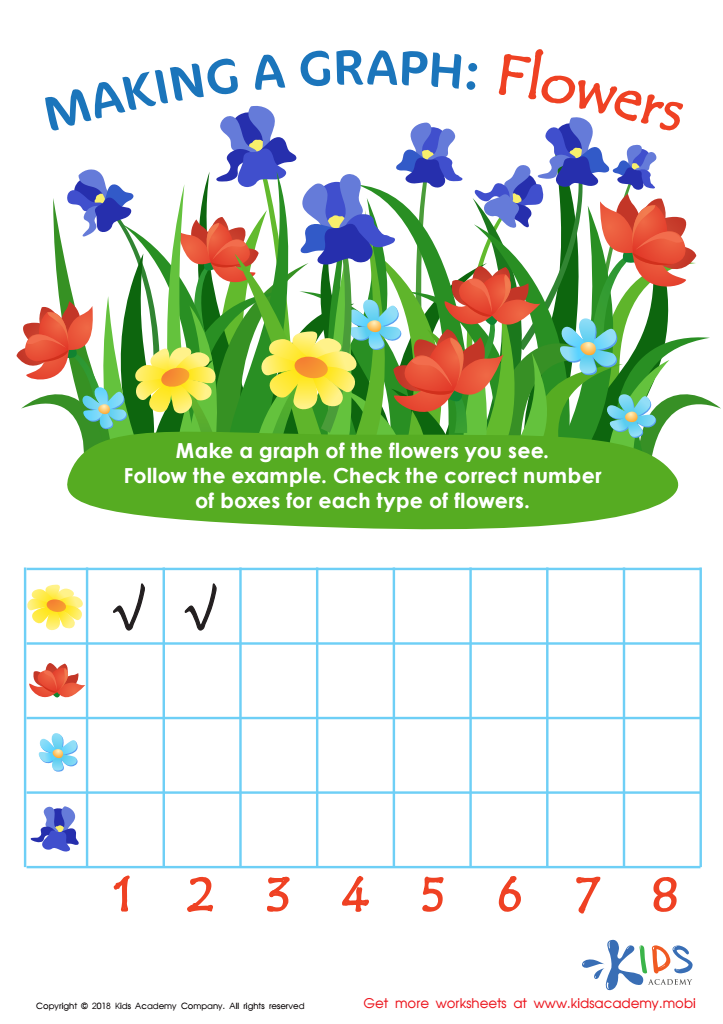
Making a Graph: Flowers Worksheet
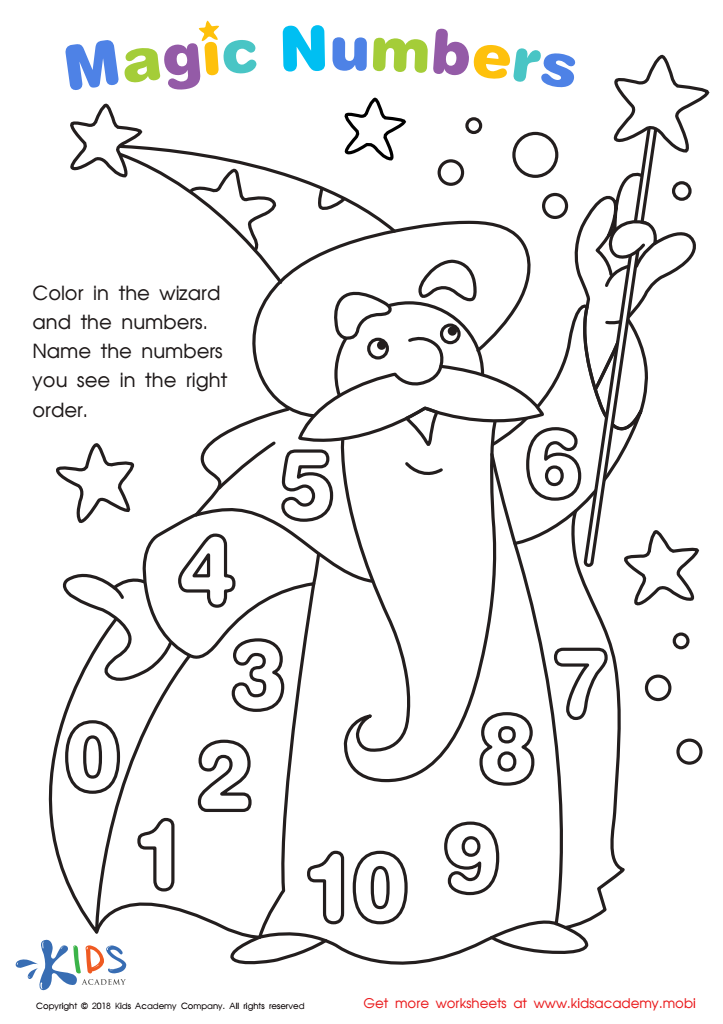
Magic Numbers Worksheet
 Assign to My Students
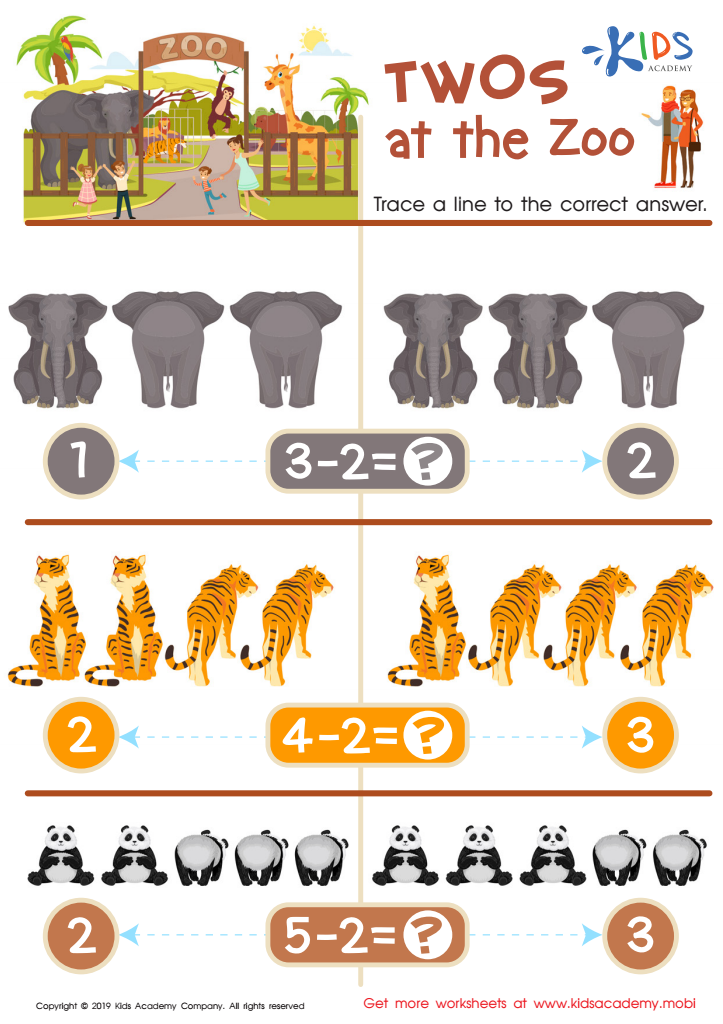
Twos at the Zoo Worksheet







Understanding patterns is a fundamental mathematical concept that lays the foundation for critical thinking and problem-solving skills in young children, ages 5 to 7. When parents and teachers prioritize "Understanding Patterns" tasks, they enable children to recognize relationships between numbers and objects, which enhances their cognitive development. Patterns are prevalent in everyday life—from the rhythm of music to the seasons of nature—helping children make sense of their world.
Engaging in pattern-related activities fosters creativity and innovation, as students learn to predict, classify, and sort information. These skills are crucial not just in math, but also in reading, science, and art. Furthermore, developing pattern recognition supports essential skills like substitution and algebraic thinking that students will encounter later in their education.
Extra Challenge Math for this age group specifically introduces complexity in a fun manner, helping to keep students motivated and interested. It also encourages collaboration, as children work together to solve problems, promoting communication and teamwork. By engaging in these challenges, parents and teachers play a vital role in nurturing a love for learning, equipping children with essential tools for future academic success and lifelong learning. Recognizing and working with patterns today allows them to navigate tomorrow's challenges confidently.








