Number Recognition Extra Challenge Numbers up to 100 Worksheets for Ages 5-7
3 filtered results
-
From - To
Boost your child's number recognition skills with our "Number Recognition Extra Challenge: Numbers up to 100 Worksheets for Ages 5-7". Specifically designed for young learners, these engaging worksheets help strengthen their ability to identify and understand numbers up to 100 through fun and interactive activities. Perfect for both classroom and at-home practice, these printables are tailored to support the development of vital math skills. With a variety of exercises, kids will enjoy learning, while parents and teachers can easily track progress. Give your child the confidence and proficiency they need to excel in math with these exceptional resources!
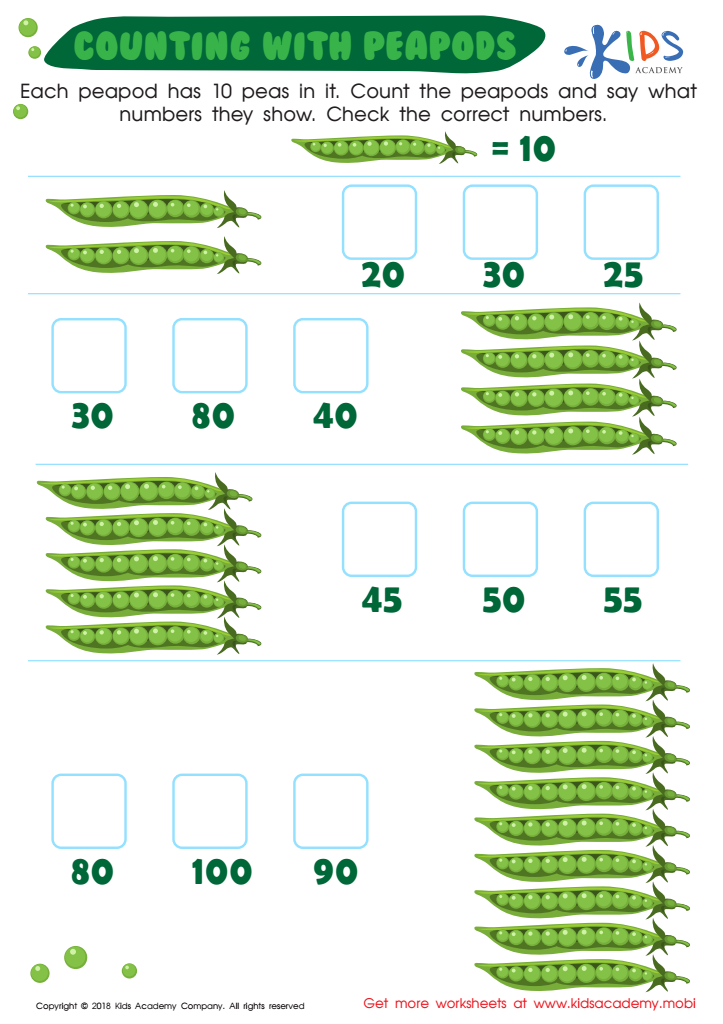
Number Worksheet: Counting With Peapods
 Assign to My Students
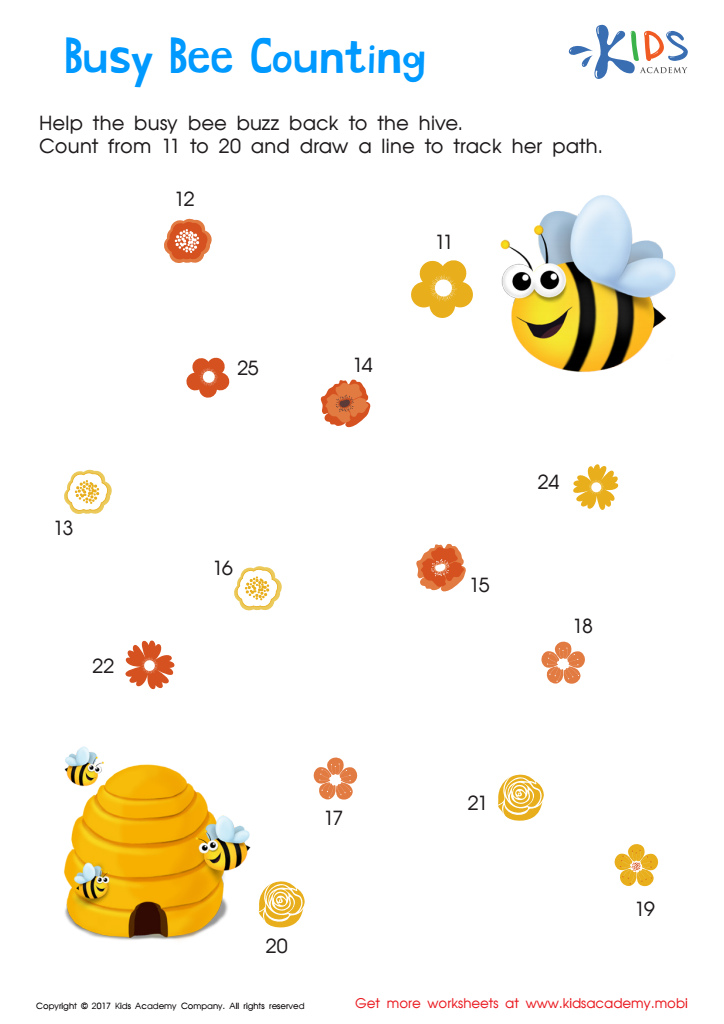
Ordering 11–20: Busy Bee Counting Worksheet
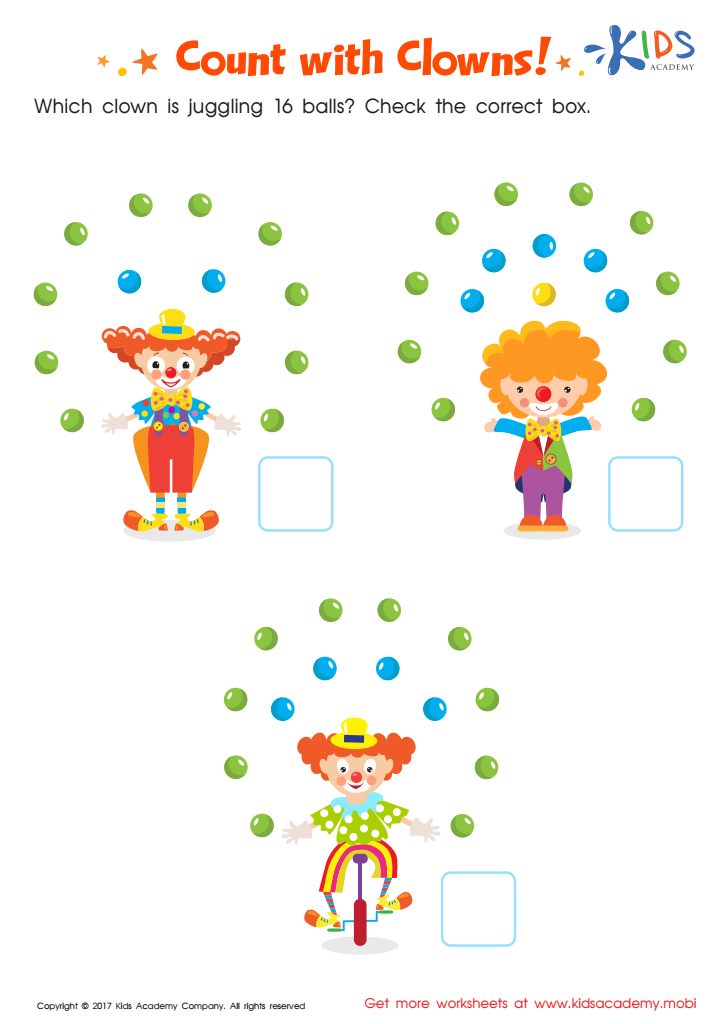
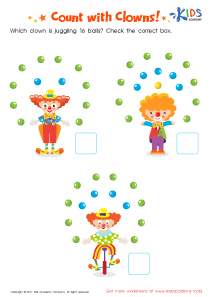
Count with Clowns Worksheet








Number recognition is a foundational skill in early childhood education, particularly for children aged 5-7. Mastery of this skill sets the stage for future success in mathematics and other academic areas. Here's why teachers and parents should prioritize number recognition challenges, especially with numbers up to 100:
-
Fundamental Math Skills: Recognizing numbers efficiently enables children to perform basic arithmetic operations, such as addition and subtraction. These skills are critical building blocks for more complex mathematical concepts.
-
Boosts Confidence: Success in number recognition activities can bolster a child's confidence in their academic abilities. This sense of achievement encourages them to tackle more challenging tasks without fear.
-
Improves Cognitive Development: Engaging with numbers up to 100 enhances children's memory, pattern recognition, and logical thinking. It encourages brain development and improves overall cognitive functioning.
-
Preparatory Skills for Advanced Learning: Understanding numbers up to 100 prepares children for future lessons in place value, comparisons, and eventually multiplication and division.
-
Real-World Applications: Numerical understanding is essential in day-to-day activities, such as telling time, managing money, and following recipes. Early exposure to numbers ensures that children develop practical life skills.
By providing extra challenges in number recognition, we can enrich children's learning experiences, making them better equipped for academic success and everyday life.