Vocabulary Building Extra Challenge Building Vocabulary Worksheets for Ages 5-7
3 filtered results
-
From - To
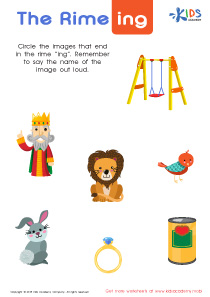
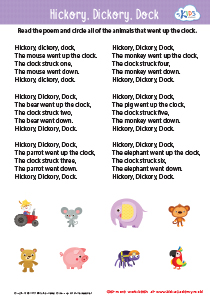
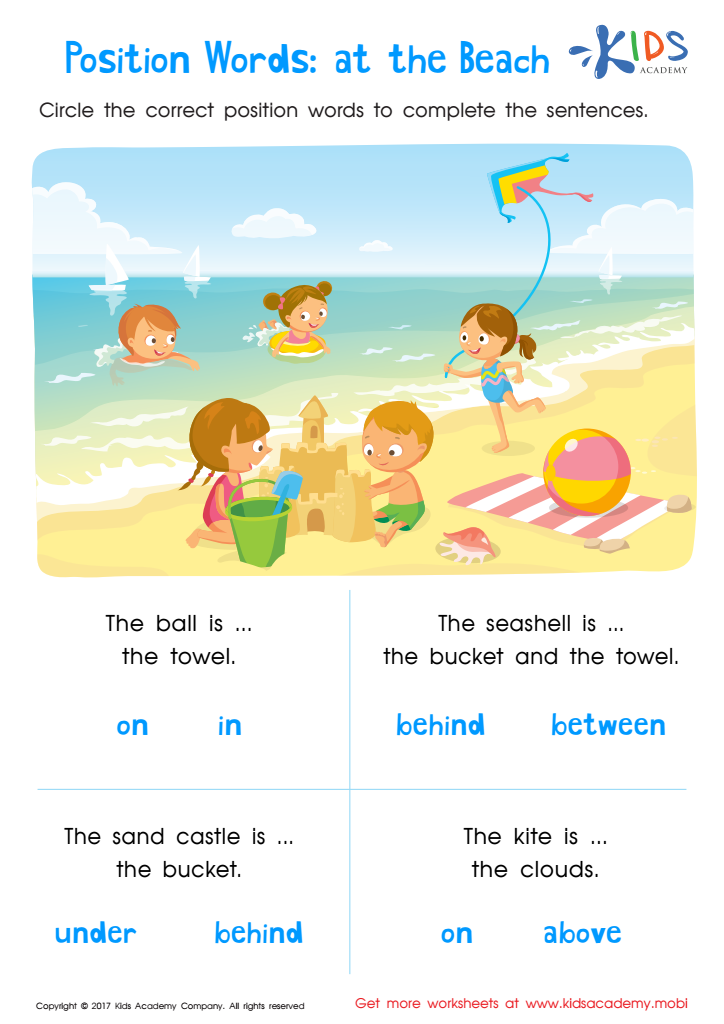
Enhance your child’s language skills with our "Vocabulary Building Extra Challenge Worksheets" designed specifically for ages 5-7. These engaging and fun worksheets are perfect for young learners eager to expand their vocabulary and improve comprehension. Each activity focuses on key words and phrases, encouraging critical thinking and understanding through creative exercises. With bright visuals and age-appropriate themes, your child will build confidence in their reading abilities while having fun. Perfect for at-home practice or classroom use, these extra challenge sheets are tailored to support early literacy development. Help your child embark on an exciting journey of word discovery today!
 Assign to My Students











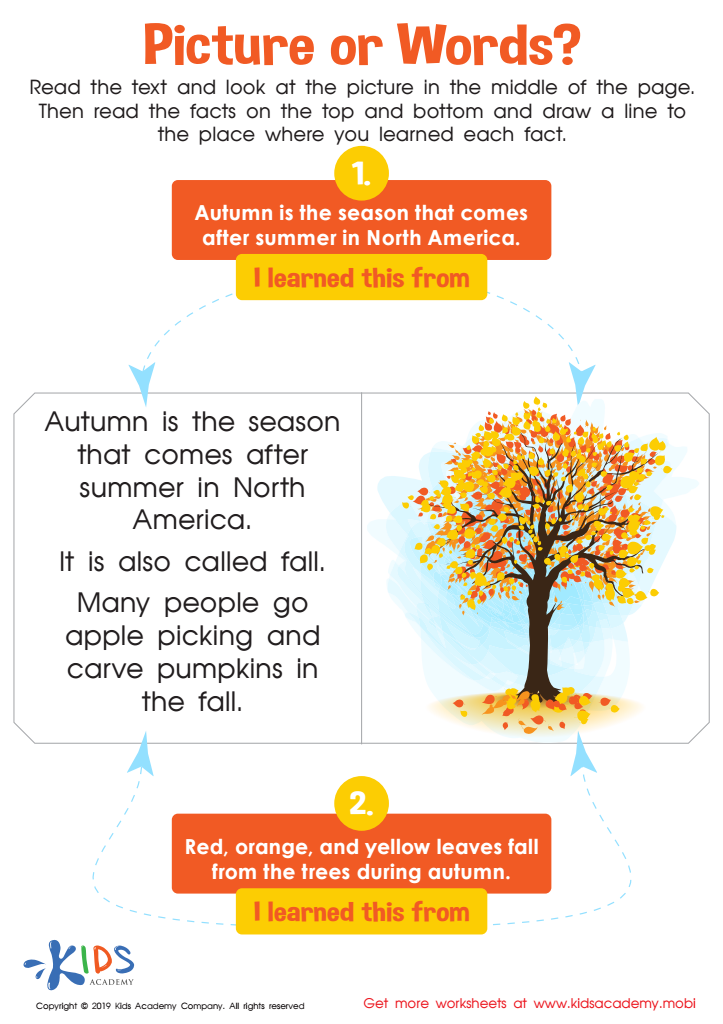
Picture Words Worksheet
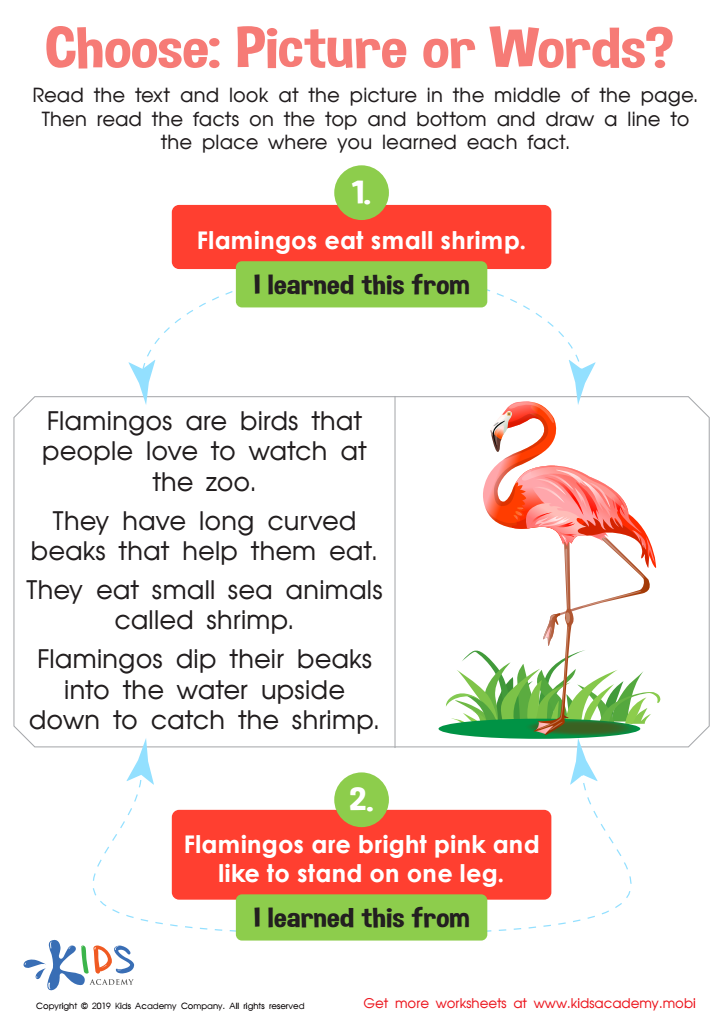
Choose Picture Words Worksheet




.jpg)



Vocabulary building is crucial for children aged 5-7 as it significantly impacts their reading, writing, and overall communication skills. Parents and teachers should pay close attention to vocabulary development during this formative period for several reasons. Firstly, a robust vocabulary enhances comprehension, enabling children to understand and engage with texts more effectively. As children learn new words, they also gain newfound ways to express their thoughts and feelings, fostering creativity and confidence in their communication.
Moreover, vocabulary knowledge is linked to academic success across subjects. Children with a strong vocabulary tend to perform better in school, as they can grasp instructions, follow lessons, and participate more actively in discussions. This skillset lays the groundwork for lifelong learning and literacy.
Additionally, vocabulary-rich interactions can also strengthen the parent-child or teacher-student bond. Engaging in conversations, reading together, or playing word games makes learning enjoyable and encourages a love for language.
Ultimately, investing in vocabulary building during these early years equips children with essential tools for social independence and academic achievement. It fosters critical thinking, enhances literacy skills, and prepares them to navigate an increasingly complex world, making it vital for parents and teachers to prioritize vocabulary development.