Alphabet Recognition Extra Challenge ABC Letters Worksheets for Ages 5-8
3 filtered results
-
From - To
Boost your child's reading skills with our "Alphabet Recognition Extra Challenge ABC Letters Worksheets" designed for ages 5-8. These engaging and challenging worksheets are perfect for young learners ready to master the alphabet with fun, interactive activities. Each worksheet encourages letter recognition, phonetics, and fine motor skills through a variety of captivating exercises. Ideal for classroom use or at-home practice, our worksheets are developed by experienced educators to ensure they cater to your child's educational needs. Elevate your child's learning experience and watch their confidence grow with our expertly crafted alphabet recognition challenges.
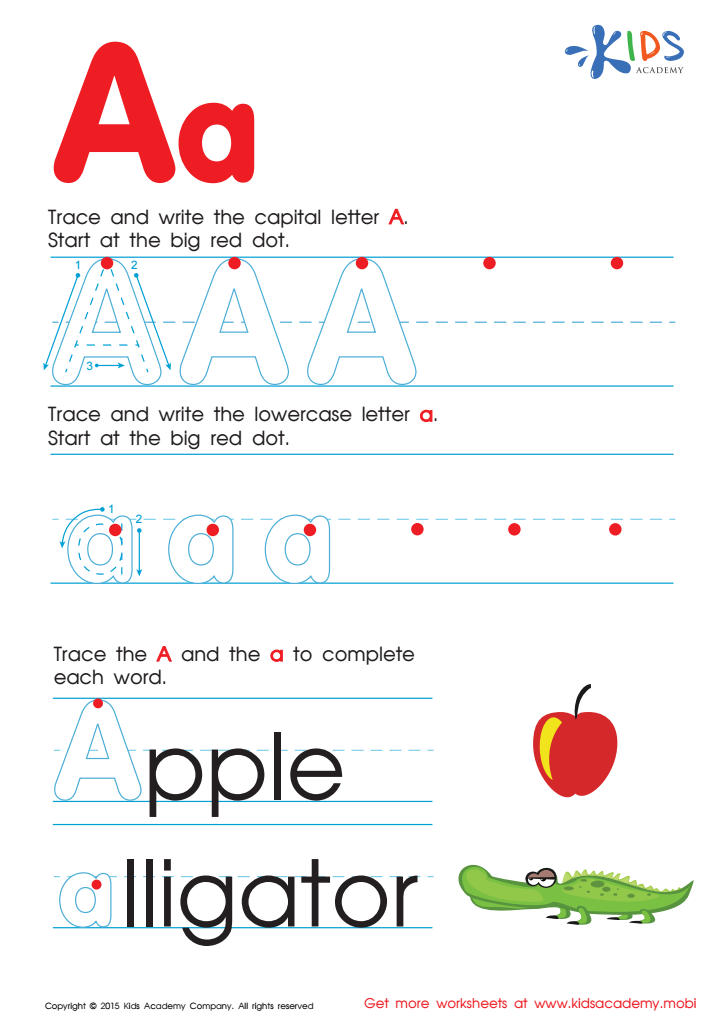
Letter A Tracing Page
 Assign to My Students



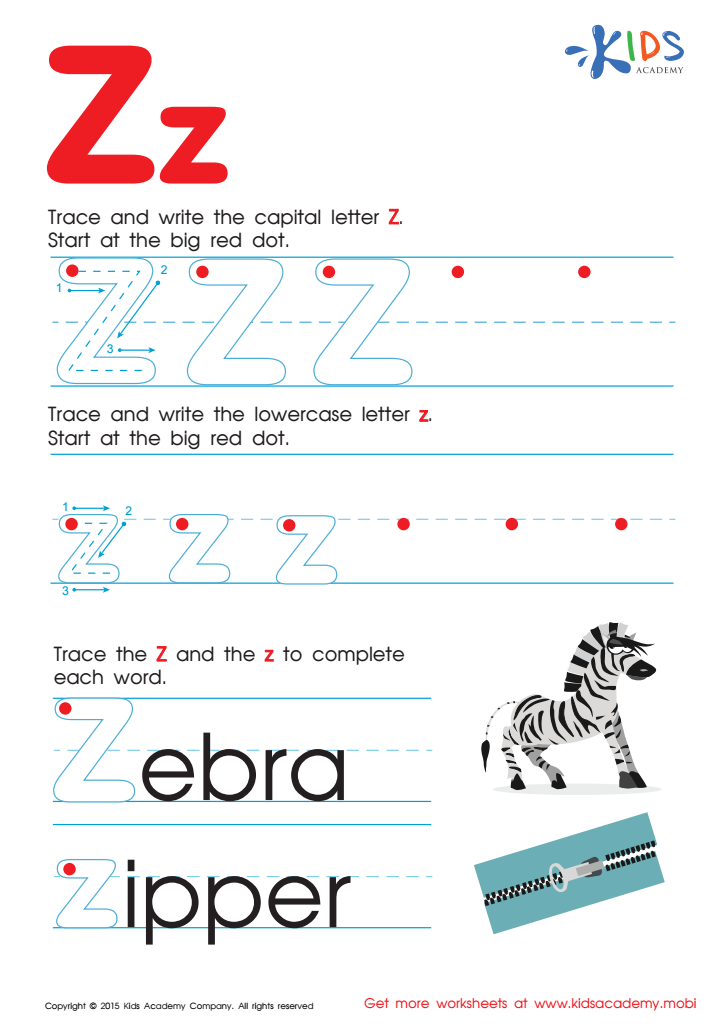
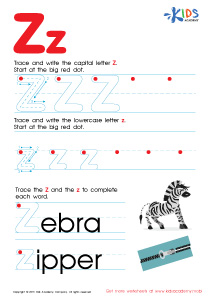
Letter Z Tracing Page
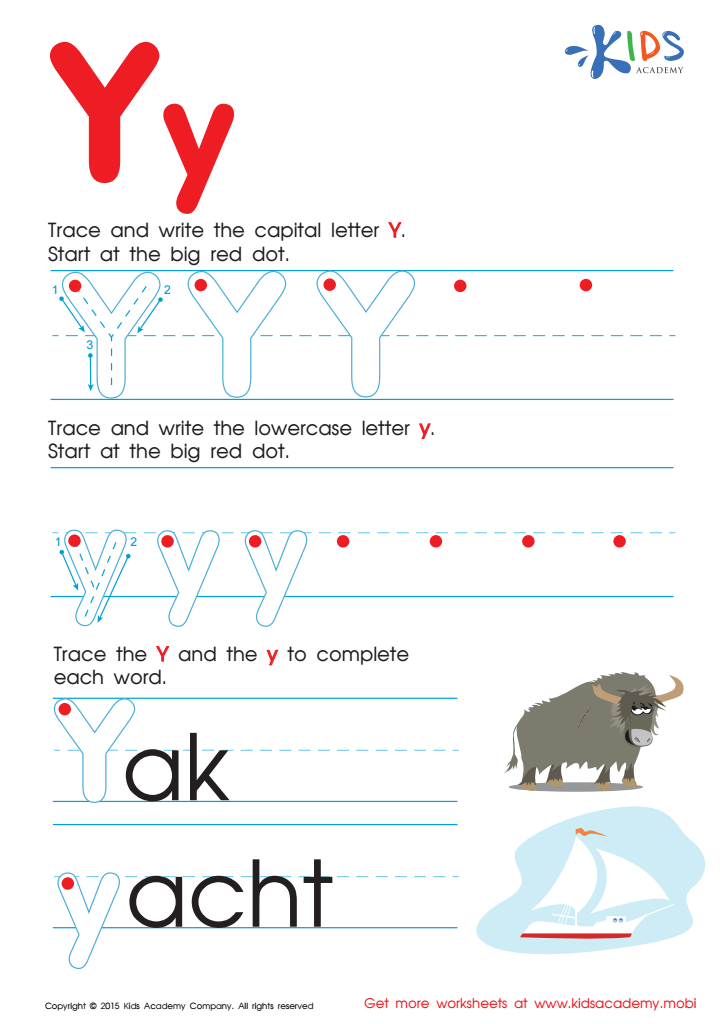
Letter Y Tracing Page







Alphabet recognition is a foundational skill that sets the stage for literacy development in children aged 5-8. The "Alphabet Recognition Extra Challenge ABC Letters" provides a stimulating way to strengthen this critical skill. For parents and teachers, placing emphasis on such activities is pivotal for several reasons.
Firstly, mastering the alphabet is the first step towards reading and writing proficiency. By engaging in extra challenges, children reinforce their memory and are more likely to easily identify letters and their corresponding sounds. This fluency facilitates smoother transitions to more complex literacy tasks, fostering a positive learning experience.
Secondly, these challenges boost cognitive and academic development. Recognizing letters is closely linked to phonemic awareness, where children learn to connect letters with sounds— a crucial step towards decoding words. Moreover, such engaging activities can enhance problem-solving skills and boost concentration and attention spans.
Additionally, alphabet challenges can make learning fun and interactive, which can help motivate reluctant learners. This engagement can also foster a deeper love for reading and curiosity about language.
For ages 5-8, a period marked by rapid neurological and educational growth, investing in quality alphabet recognition activities lays down a solid educational foundation and promotes long-term academic success.