Comparing sizes Extra Challenge Worksheets for Ages 5-8
6 filtered results
-
From - To
Explore our "Comparing Sizes Extra Challenge Worksheets" designed for children ages 5-8! These engaging worksheets foster essential skills in size comparison while encouraging critical thinking and creativity. Perfect for enhancing classroom learning or at-home practice, our extra challenges motivate young learners to differentiate between various objects and develop a solid understanding of concepts like bigger, smaller, taller, and shorter. Fun illustrations and interactive activities keep kids excited as they tackle questions and examples tailored to their developmental level. Ideal for educators and parents alike, these worksheets provide a rich, educational experience that nurtures early math skills in a playful way.
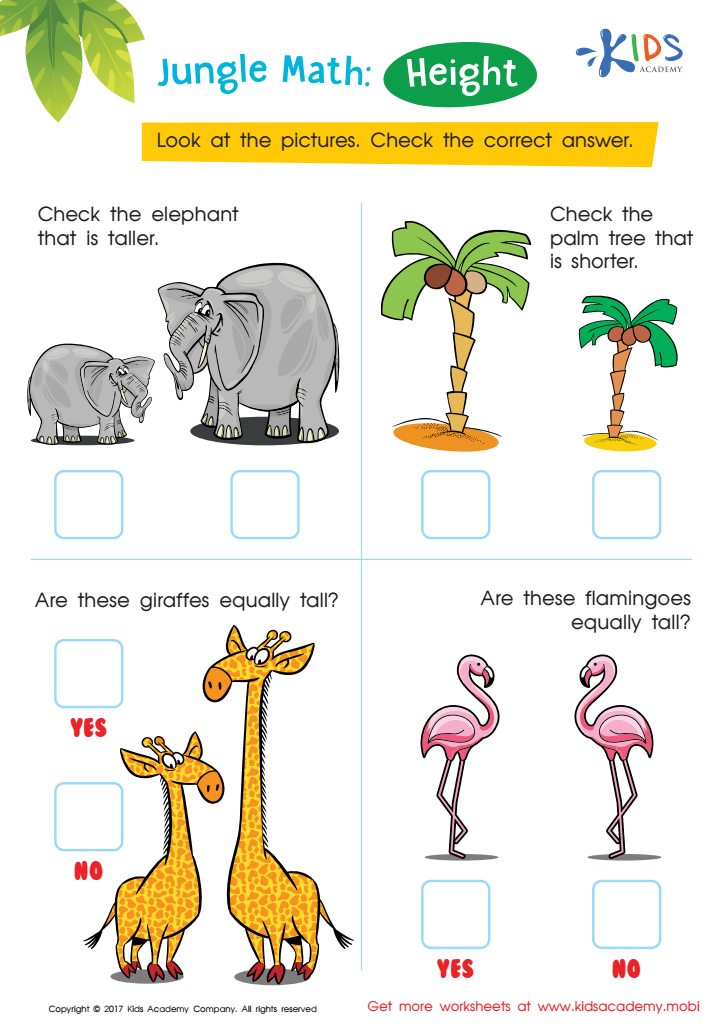
Which Is Taller Worksheet
 Assign to My Students
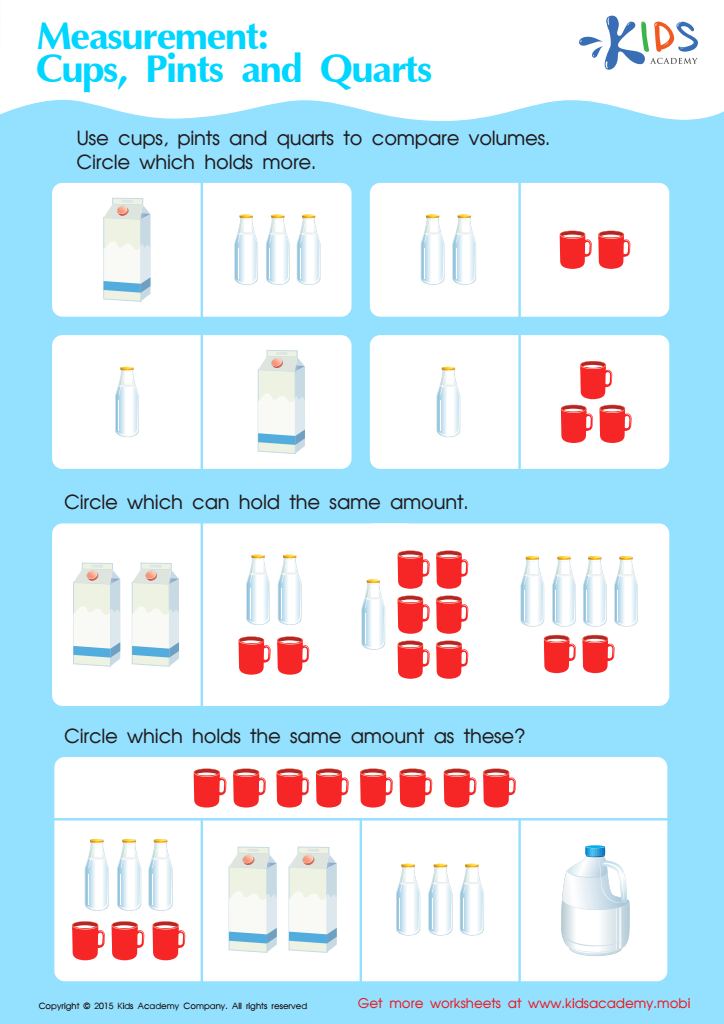
Measurement: Compare Volumes Worksheet
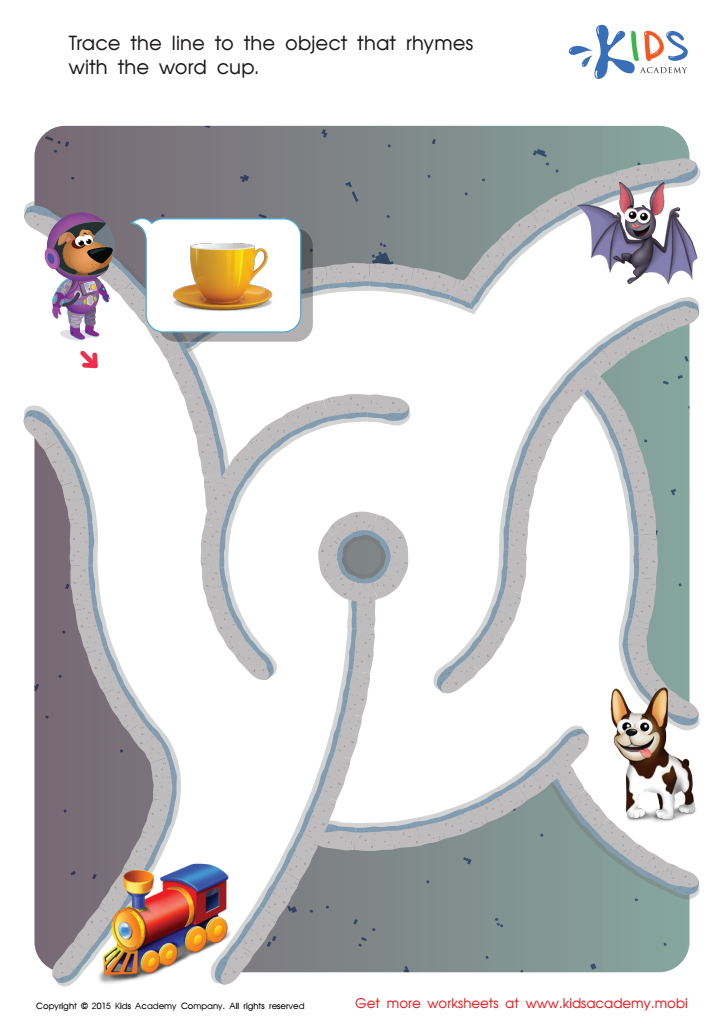
Cup Rhyming Words Worksheet
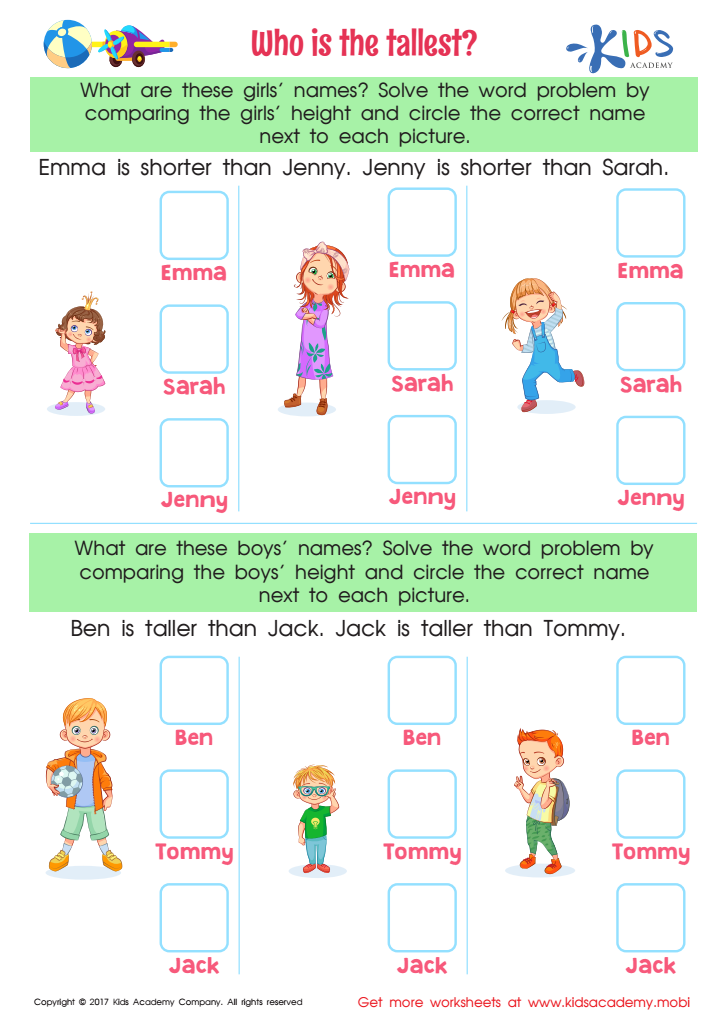
Who Tallest Printable
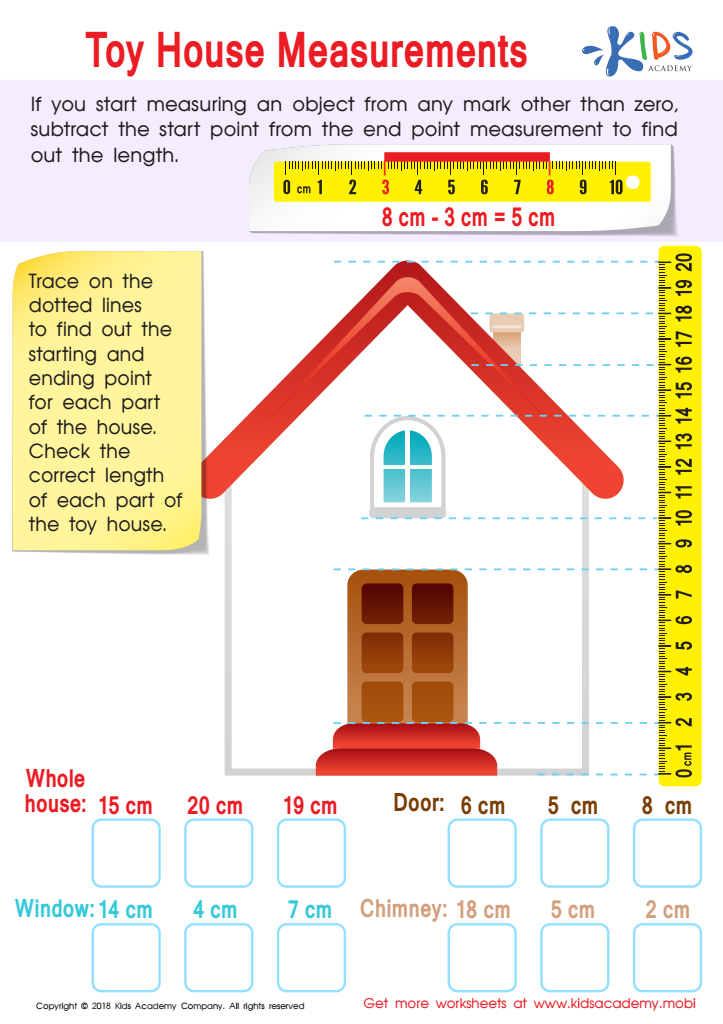
Toy House Measurements Worksheet
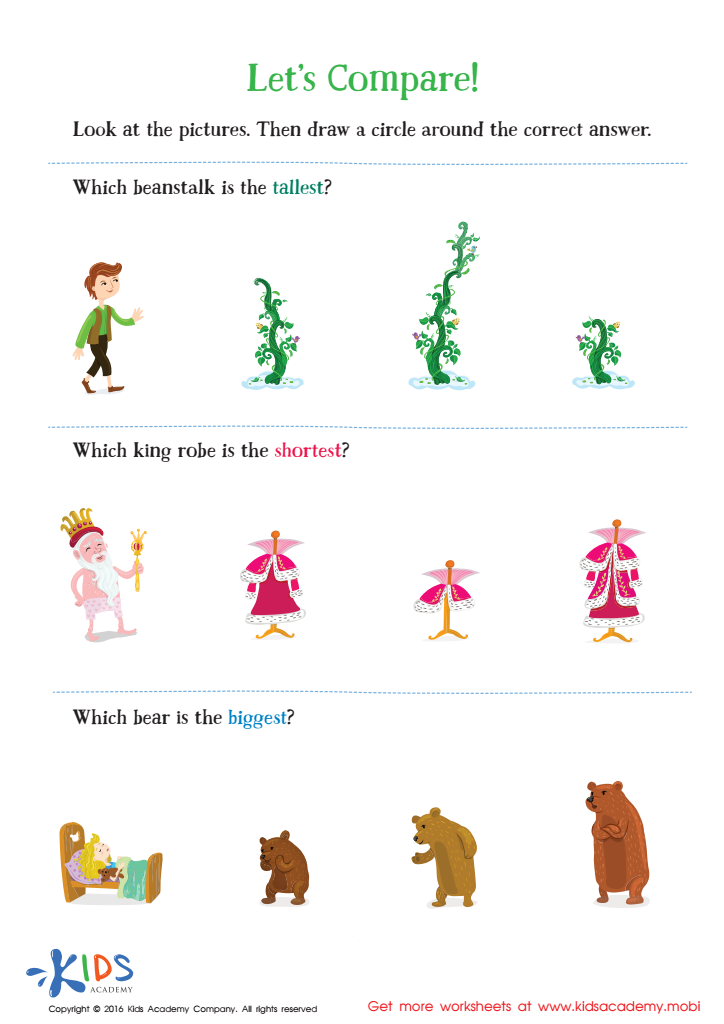
Fairy Tale Worksheet: Let's Compare





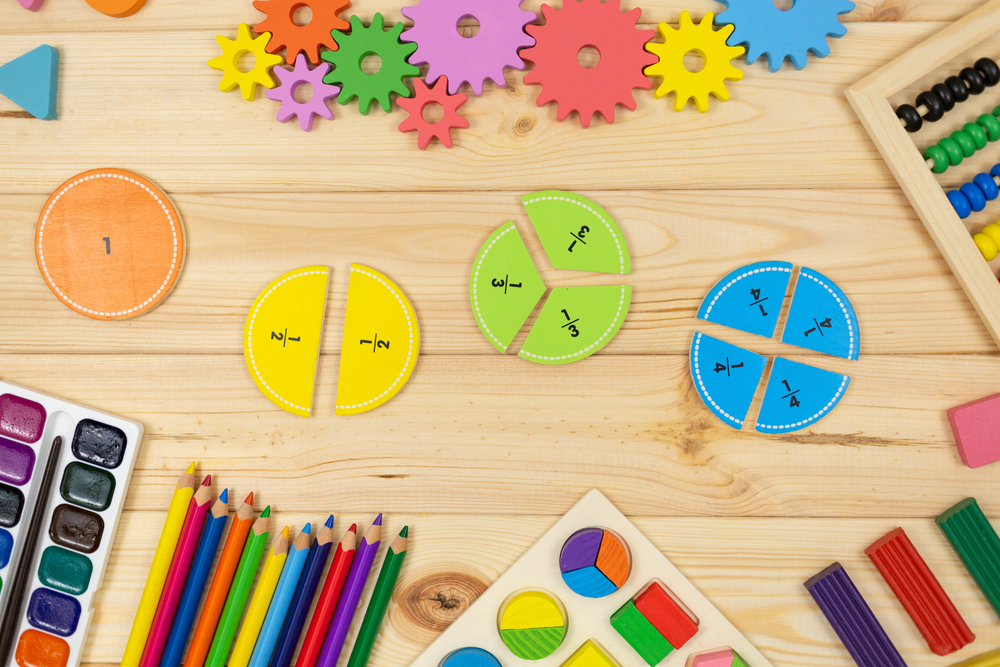


Comparing sizes is a fundamental skill for children ages 5-8 and is crucial for their overall cognitive development. Understanding size differences lays the groundwork for more complex mathematical concepts, critical thinking, and problem-solving skills. Parents and teachers should care about this topic because it helps set a foundational understanding of measurement, which children will continue to build upon in future grades.
This Extra Challenge helps children learn to compare sizes using hands-on activities and real-world scenarios, making learning both engaging and relevant. When students actively participate in comparing sizes, they develop observational skills and learn vocabulary associated with dimensions, such as bigger, smaller, taller, and shorter. This aids in building their language skills and encourages communication.
Additionally, recognizing size differences can foster important qualities like patience, cooperation, and teamwork when conducting discussions and activities in groups. Furthermore, these activities often link to science concepts, promoting a multidisciplinary approach to learning that makes lessons deeper and more effective.
By prioritizing size comparison activities, parents and teachers can empower children to think critically about the world around them, ultimately contributing to their mathematical literacy and confidence as learners. Engaging with this challenge can help set the stage for future academic success and everyday life skills.








