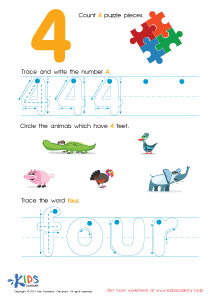
Extra Challenge Comparing Numbers Worksheets for Ages 5-8
5 filtered results
Difficulty Level
Grade
Age
-
From - To
Subject
Activity
Standards
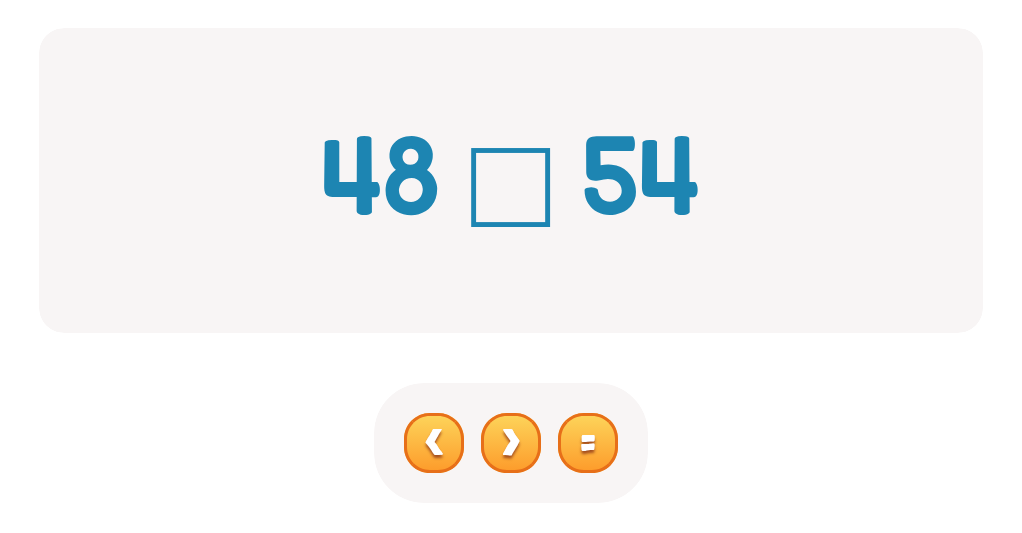
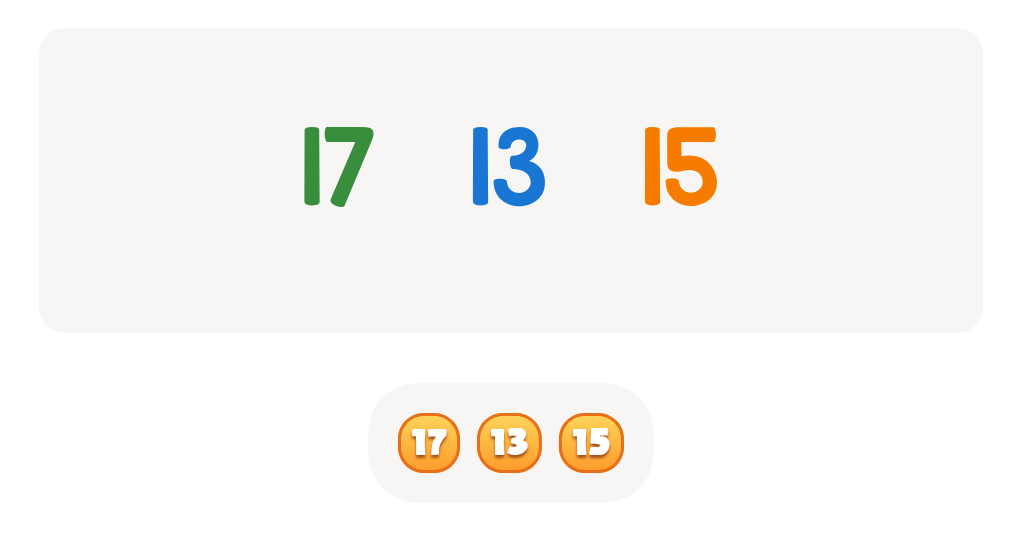
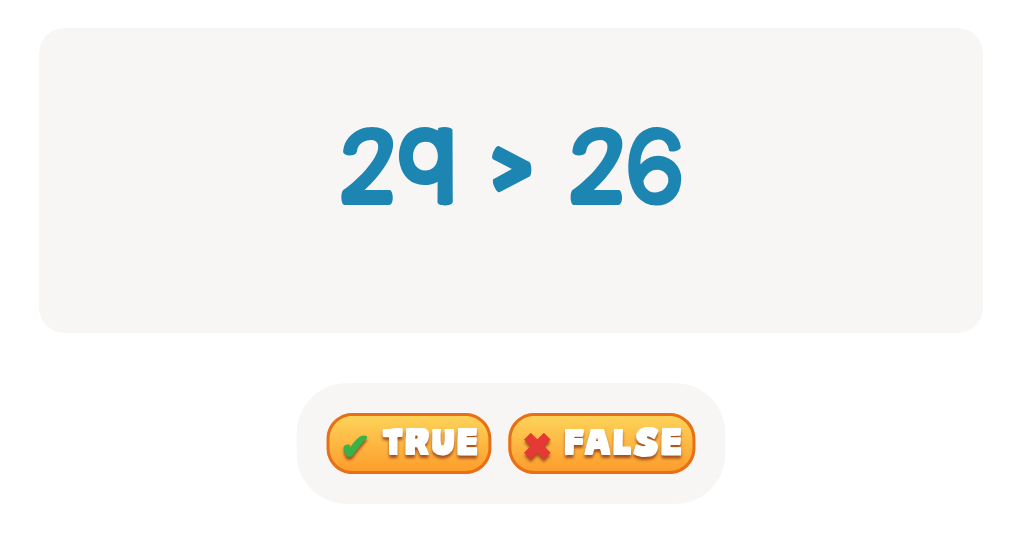
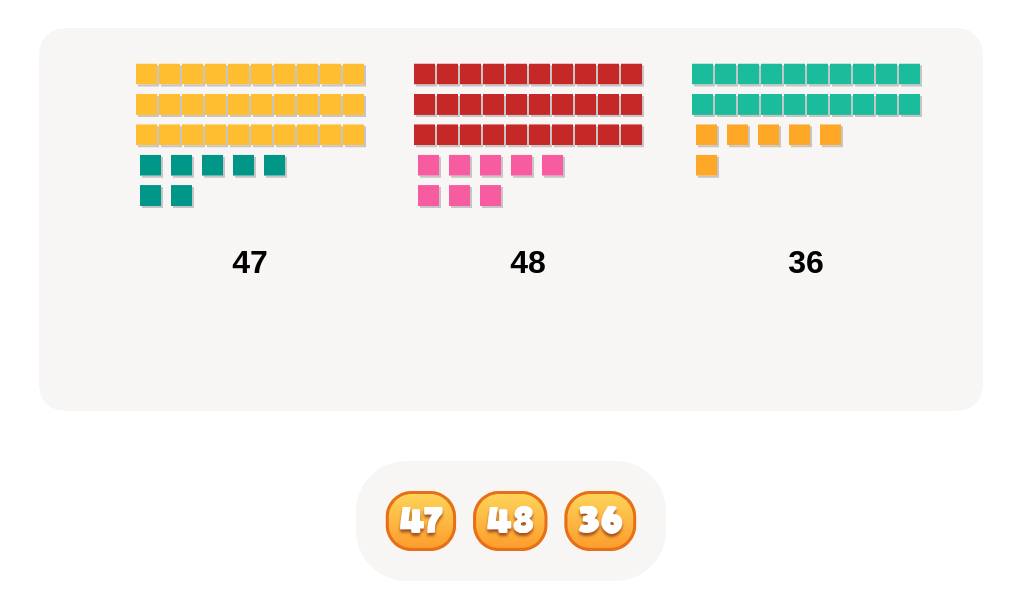
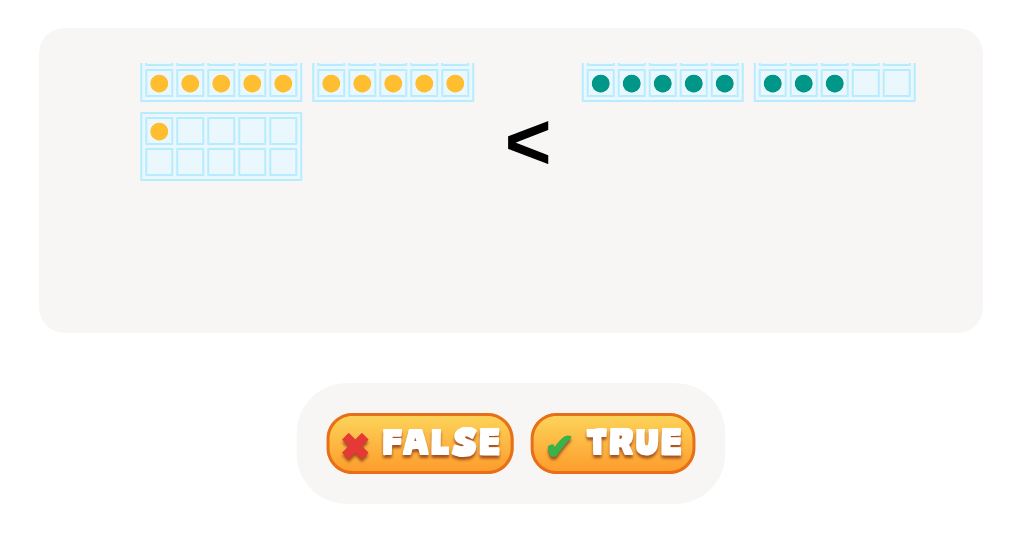
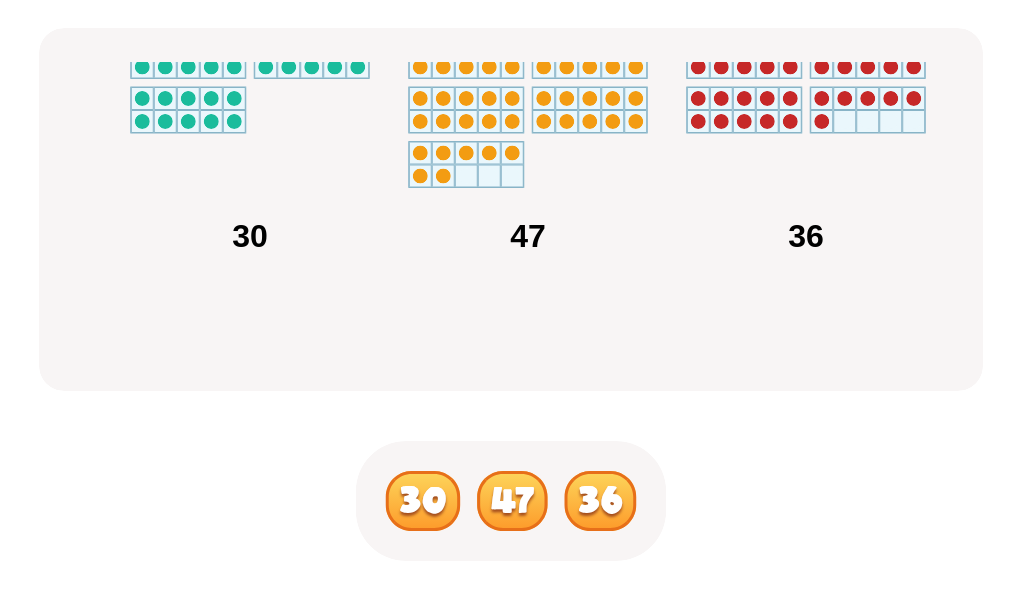
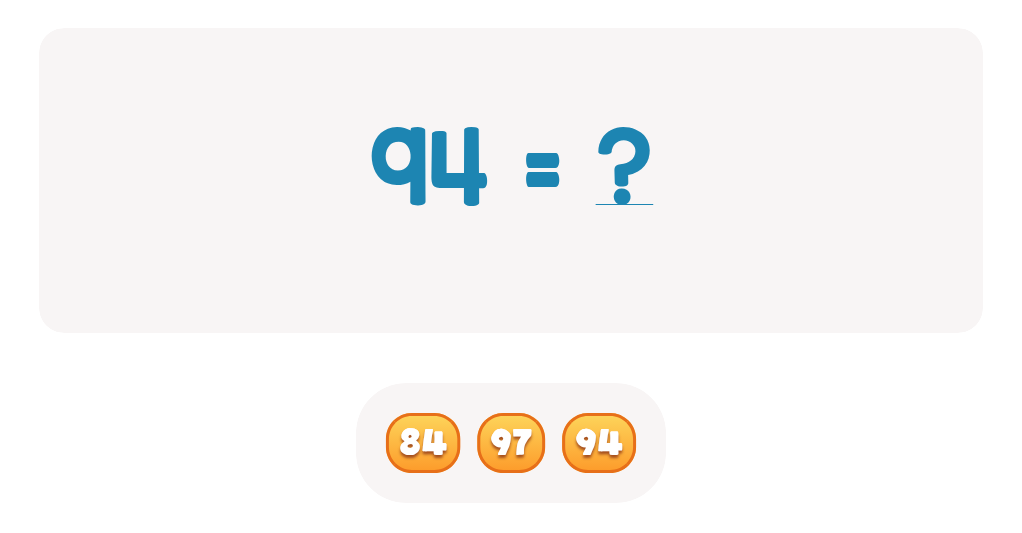
Elevate your child's math skills with our Extra Challenge Comparing Numbers worksheets designed for ages 5-8. These engaging activities go beyond basic exercises, offering a variety of fun and thought-provoking tasks that help kids master the concepts of greater than, less than, and equal to. Each worksheet is carefully crafted to enhance numerical understanding and build confidence. From colorful, stimulating visuals to interactive problem-solving scenarios, these worksheets will not only make learning enjoyable but also improve your child's ability to compare and analyze numbers effectively. Transform math time into a thrilling adventure with our expertly created worksheets!
Favorites
With answer key
Interactive
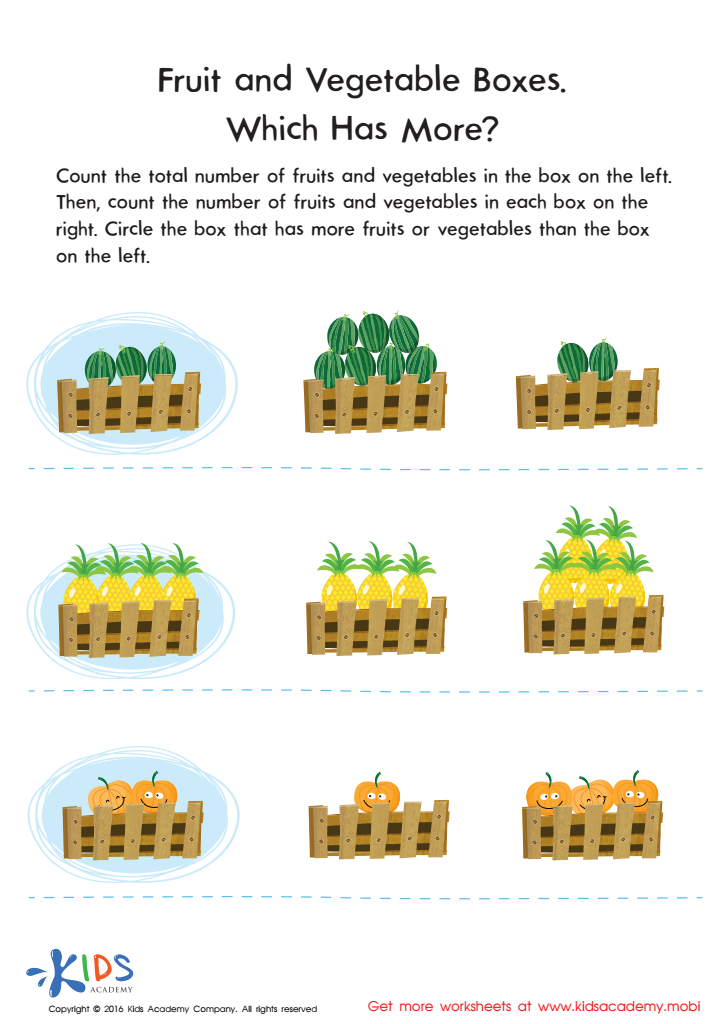
Which Has More? Size Worksheet
This worksheet is perfect for your child to practice critical thinking and logical reasoning. Your child will count and compare the fruits and veggies in the crates to decide which one has more. They will use complex cognitive skills and practice following precise rules. Guide them through the directions and help keep their focus, while enjoying the images.
 Assign to My Students
Which Has More? Size Worksheet
Worksheet
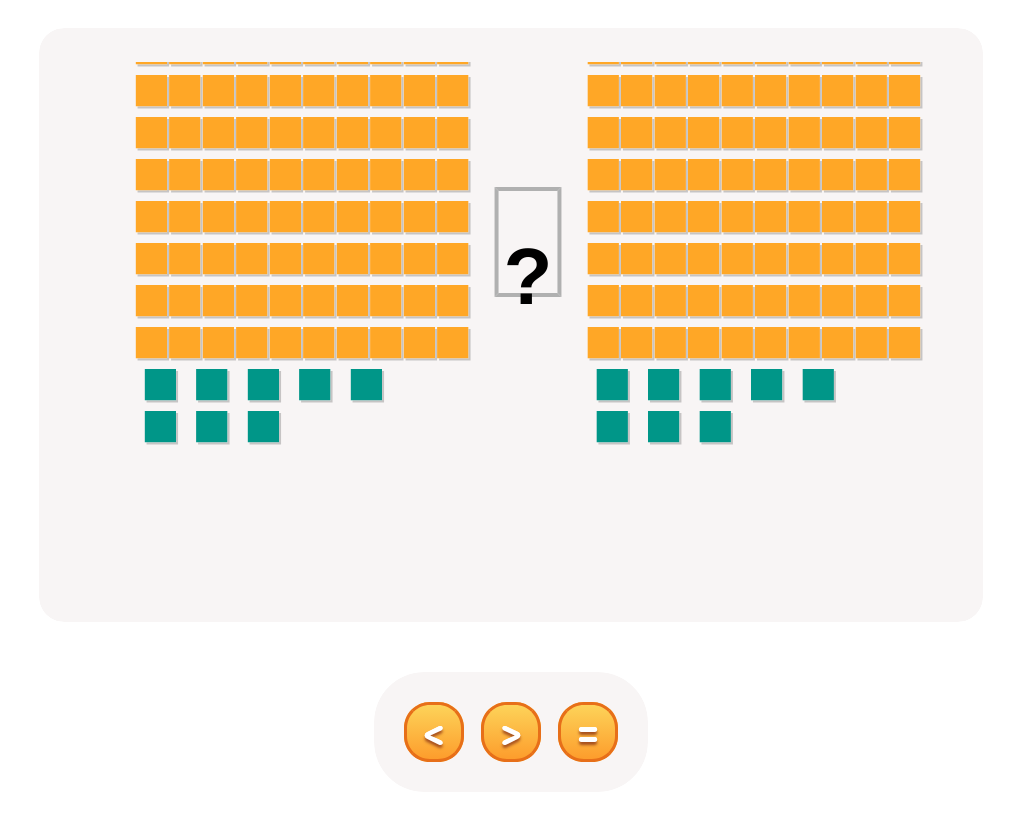

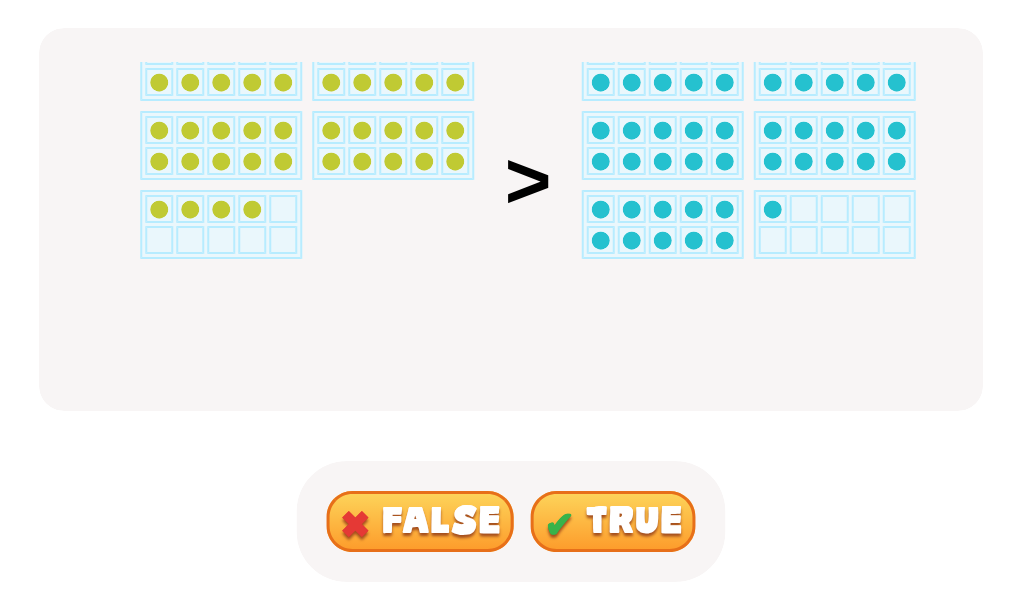
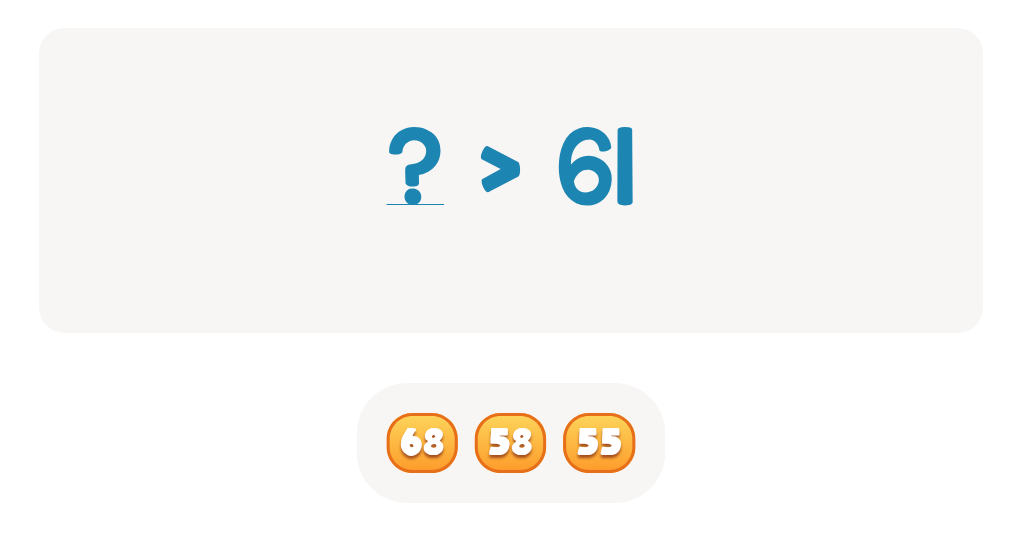
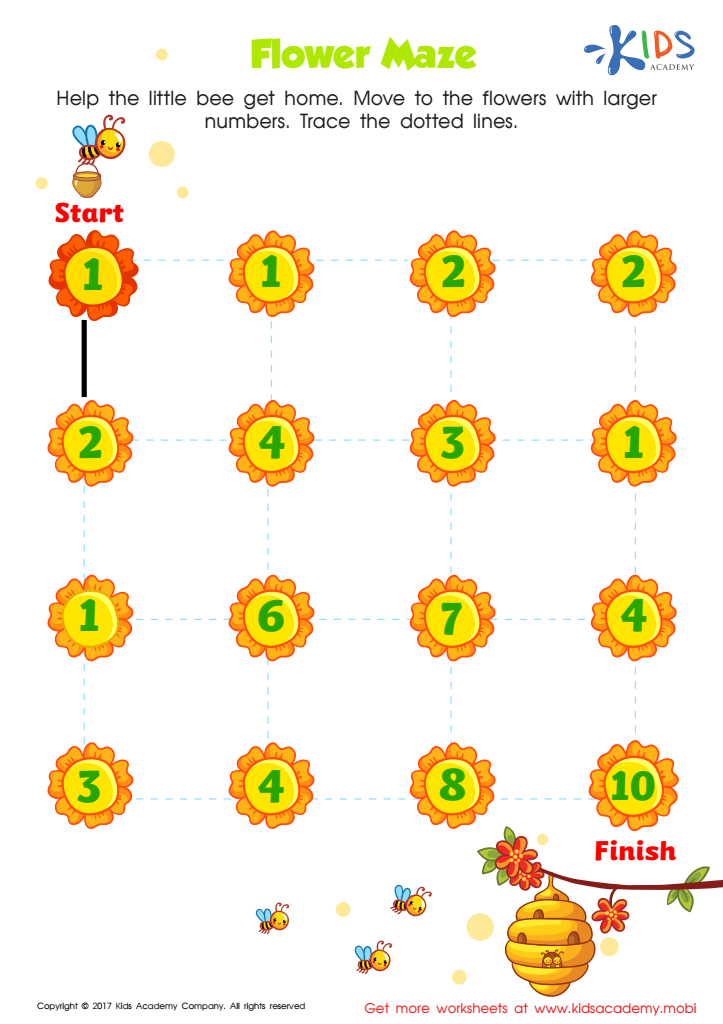
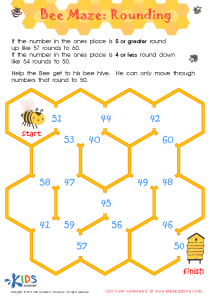
Number Maze For Kindergarten Printable
Help the bee get home to his hive by moving through a fun-filled, tricky maze! Compare numbers as you go and select the flower with the larger number. Great for motivating kindergarteners to develop their number sense - a bright number maze!
Number Maze For Kindergarten Printable
Worksheet
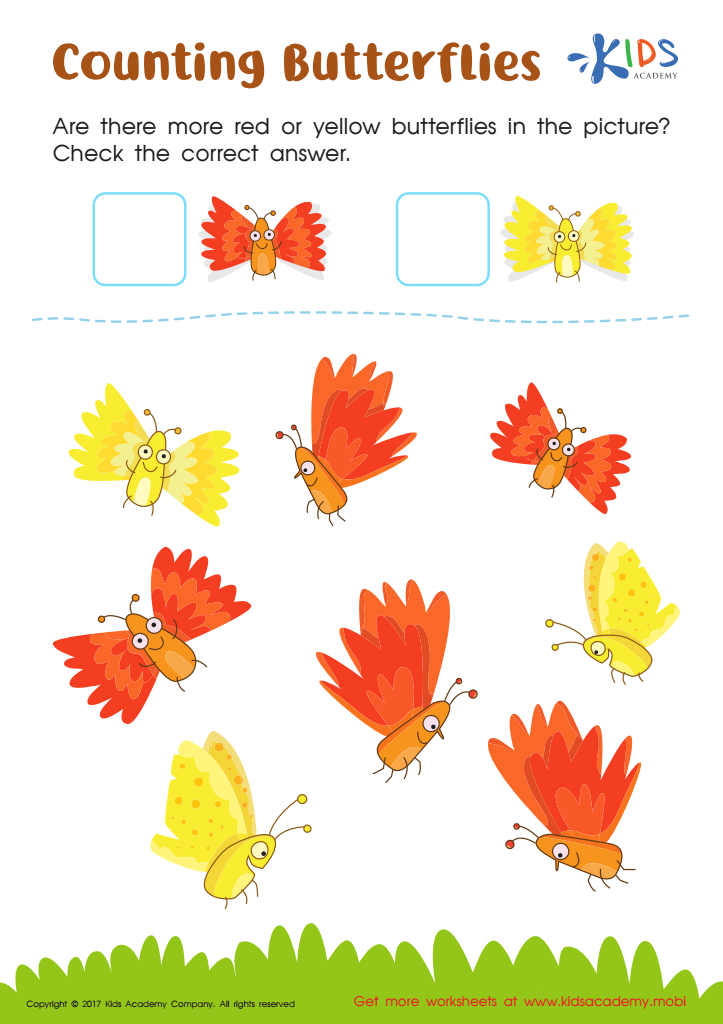
Counting Butterflies Worksheet
Count and compare the butterflies in the picture with your child. How many are red, and how many are yellow? Stimulate thinking and counting skills while having fun. Check the answers when you're done.
Counting Butterflies Worksheet
Worksheet
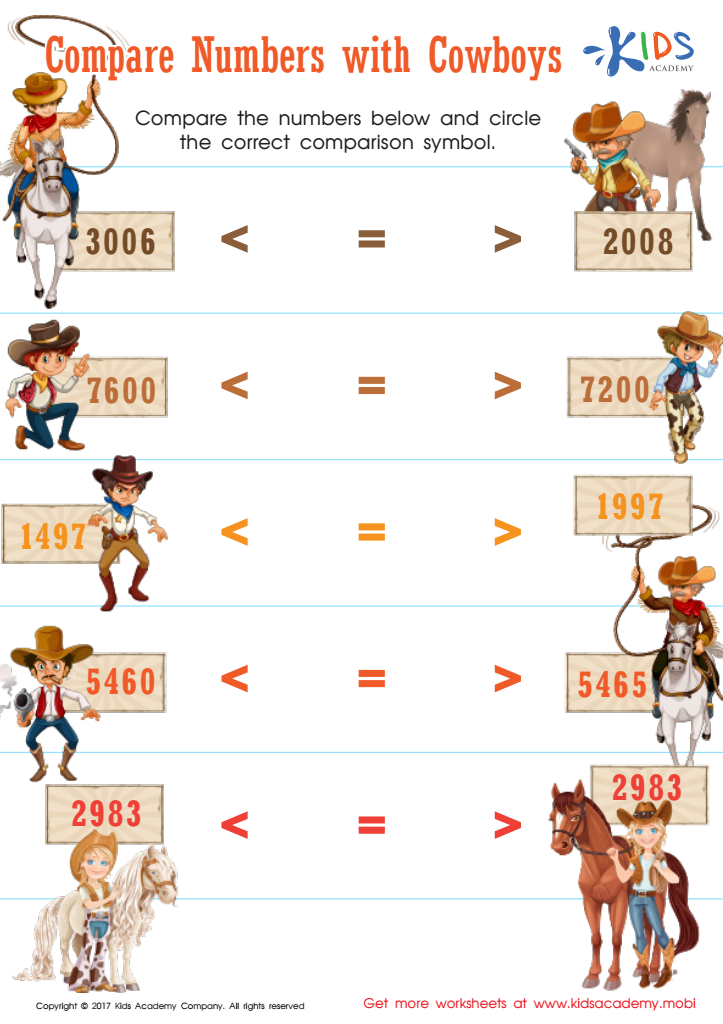
Compare Numbers Worksheet for 3rd Grade
Time to get a roundup on big numbers! Help your 3rd grader practice comparing thousands with this compare numbers worksheet. They'll use >, <, and = symbols for tricky numbers. Jump in and join the cowboys!
Compare Numbers Worksheet for 3rd Grade
Worksheet
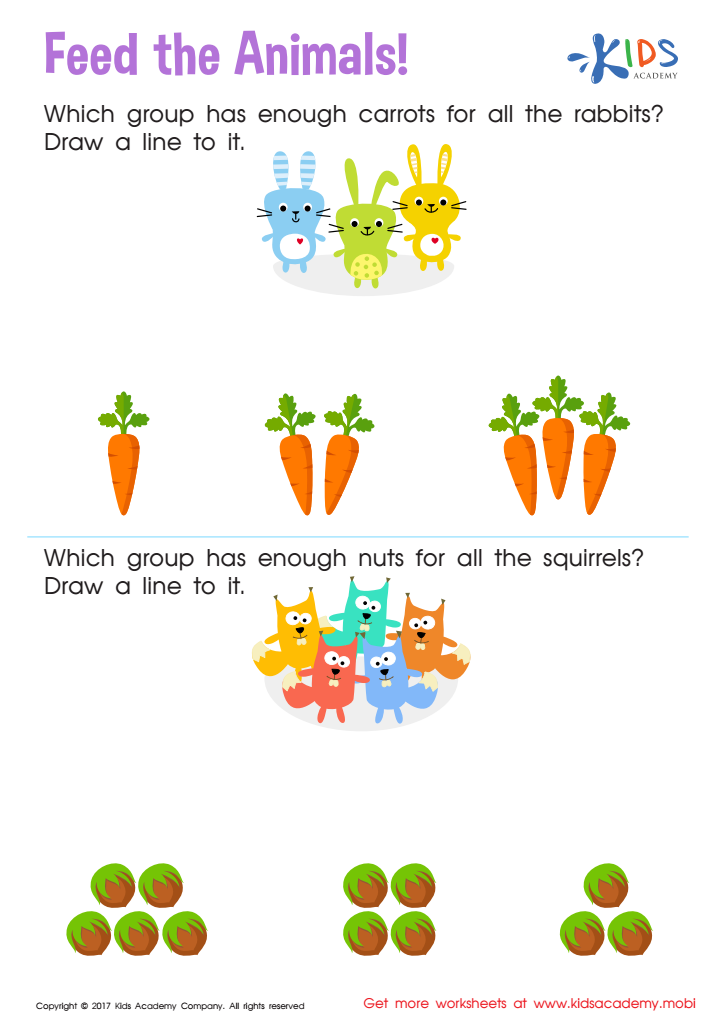
Count and Match: Feed the Animals Worksheet
Learning and growing involves more than just numbers, phonics and comparison. This Feed the Animals worksheet helps kids to exercise their reasoning skills. They must work out how many rabbits and carrots there are, and then repeat the process for the squirrels. This encourages problem solving and counting skills.
Count and Match: Feed the Animals Worksheet
Worksheet
Join Kids Academy for Free
Who is primarily going to use this learning content?








Extra Challenge Comparing Numbers for ages 5-8 is crucial for young learners, and parents and teachers should recognize its value. During these formative years, children are developing foundational math skills that form the basis for more advanced concepts they'll encounter later. Comparing numbers helps children grasp the idea of quantity, size, and order, which are essential components of number sense.
Engaging in these challenges enhances critical thinking and problem-solving abilities as children learn to analyze and determine relationships between figures. This not only aids in basic arithmetic but also supports understanding in other subjects such as science and everyday tasks like comparing prices or measuring ingredients.
Moreover, making math a fun and challenging activity encourages a positive attitude towards learning. By integrating extra challenges, children become more confident in their math abilities and develop a growth mindset, understanding that effort leads to improvement.
Parents and teachers play pivotal roles in this learning process. By providing and supporting these challenges, they can closely monitor progress, instantly address misconceptions, and tailor further activities to meet individual needs. This proactive approach ensures a solid mathematical foundation, fostering lifelong skills that extend beyond the classroom and are vital for personal and academic success.