Logical Reasoning Extra Challenge Geometry Worksheets for Ages 5-8
3 filtered results
-
From - To
Unlock the world of geometry for your young learners with our "Logical Reasoning Extra Challenge Geometry Worksheets." Designed for children aged 5-8, these engaging worksheets encourage critical thinking and problem-solving through fun geometric puzzles and exercises. Kids will explore shapes, patterns, and spatial relationships while enhancing their logical reasoning skills. Each worksheet is crafted to align with early math standards, making them a perfect supplement to classroom learning or at-home practice. Help your child develop their cognitive abilities and confidence in math with our tailored resources designed to challenge and inspire young minds. Discover the joy of learning geometry today!
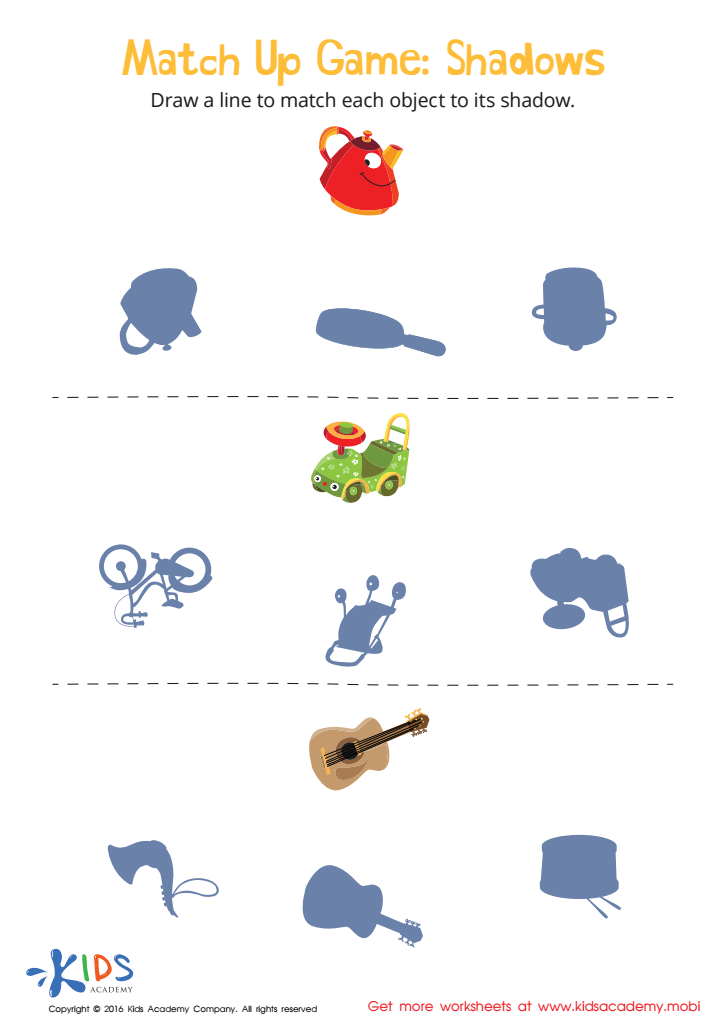
 Assign to My Students











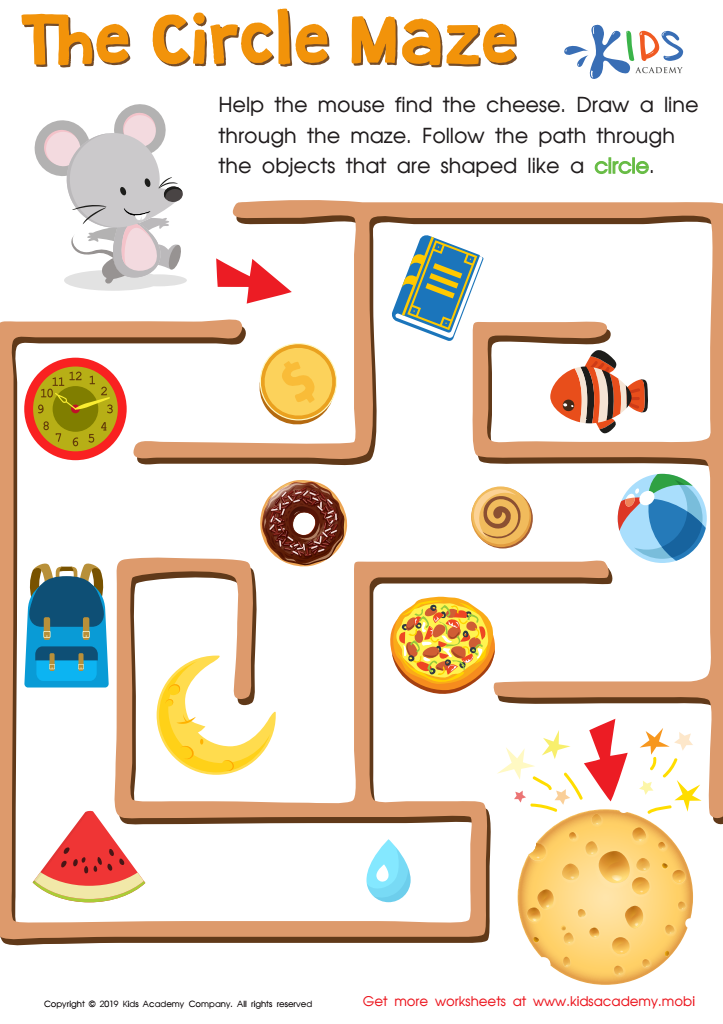
The Circle Maze Worksheet
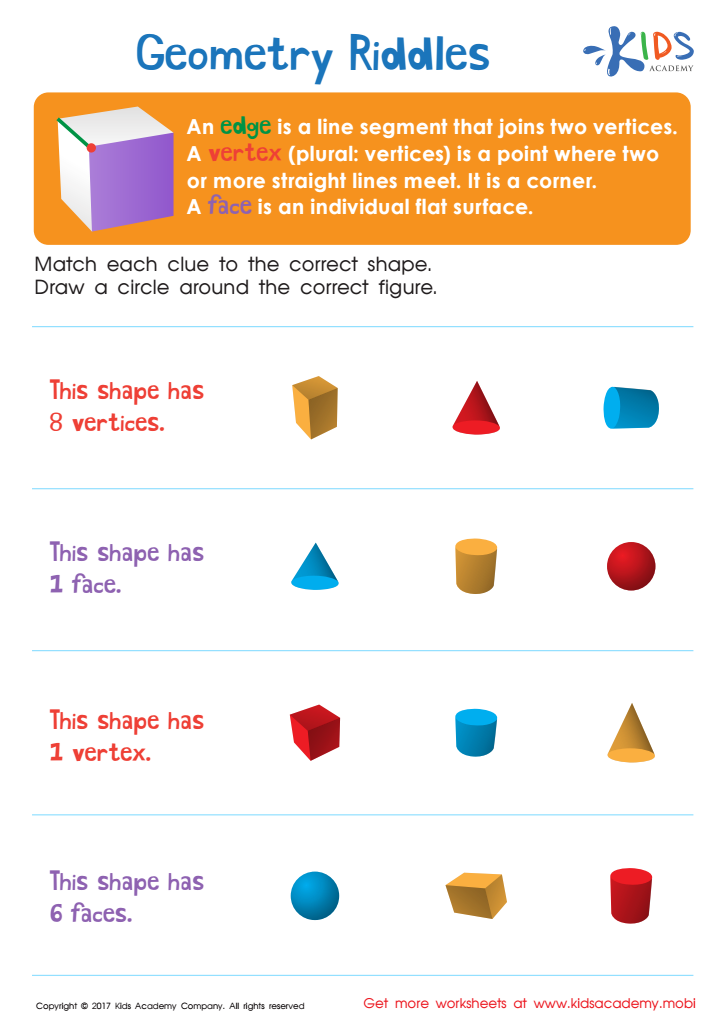
Geometry Riddles Printable








Parents and teachers should care about Logical Reasoning Extra Challenge Geometry for Ages 5-8 because it lays a crucial foundation for critical thinking and problem-solving skills. At this developmental stage, children are naturally curious, and engaging them with geometry challenges stimulates their cognitive abilities and encourages a love for learning.
Logical reasoning exercises in geometry foster spatial intelligence, which helps young learners visualize shapes, understand patterns, and make connections between different concepts. These skills are vital not only for math but also in everyday situations, promoting their ability to think logically and articulate their reasoning.
Furthermore, these challenges support social-emotional development by enhancing perseverance and resilience. When children work through complex tasks, they learn the value of persistence, which can lead to increased confidence in their capabilities. It's also a fantastic opportunity for parents and teachers to bond with children over shared problem-solving experiences, making learning interactive and enjoyable.
In a world increasingly driven by technology and innovation, nurturing strong logical reasoning and geometry skills early on will prepare children for future academic success and life challenges, setting them on a path to become effective, innovative thinkers.








