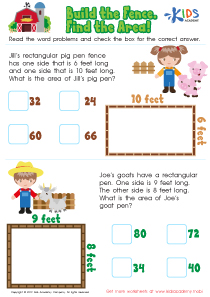
Cognitive Development Extra Challenge Matching Worksheets for Ages 5-8
3 filtered results
-
From - To
Enhance your child's cognitive development with our engaging Extra Challenge Matching Worksheets, designed specifically for ages 5-8! These worksheets offer a fun and interactive way to boost critical thinking and problem-solving skills. Children will enjoy matching related images, words, and concepts, promoting memory retention and logical reasoning. Suitable for diverse learning styles, these worksheets can be used at home or in the classroom to reinforce lessons while making learning enjoyable. Easily printable, they provide a convenient resource for parents and educators alike, ensuring kids have the extra practice they need to excel. Support your child's growth with these stimulating activities today!
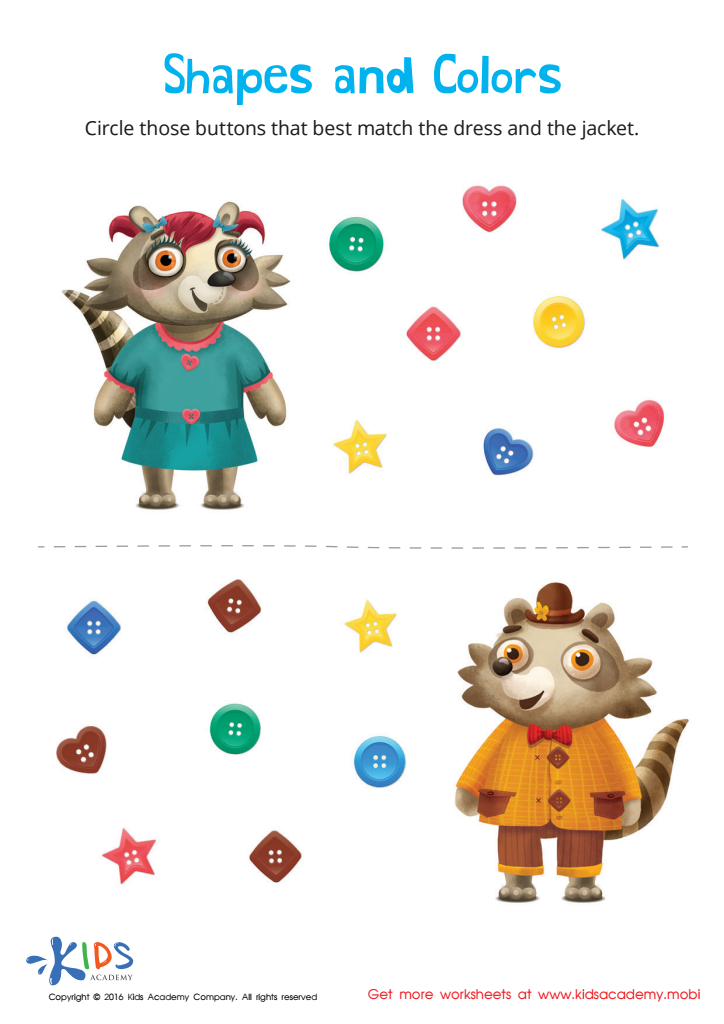
Matching: Shapes and Colors Worksheet
 Assign to My Students
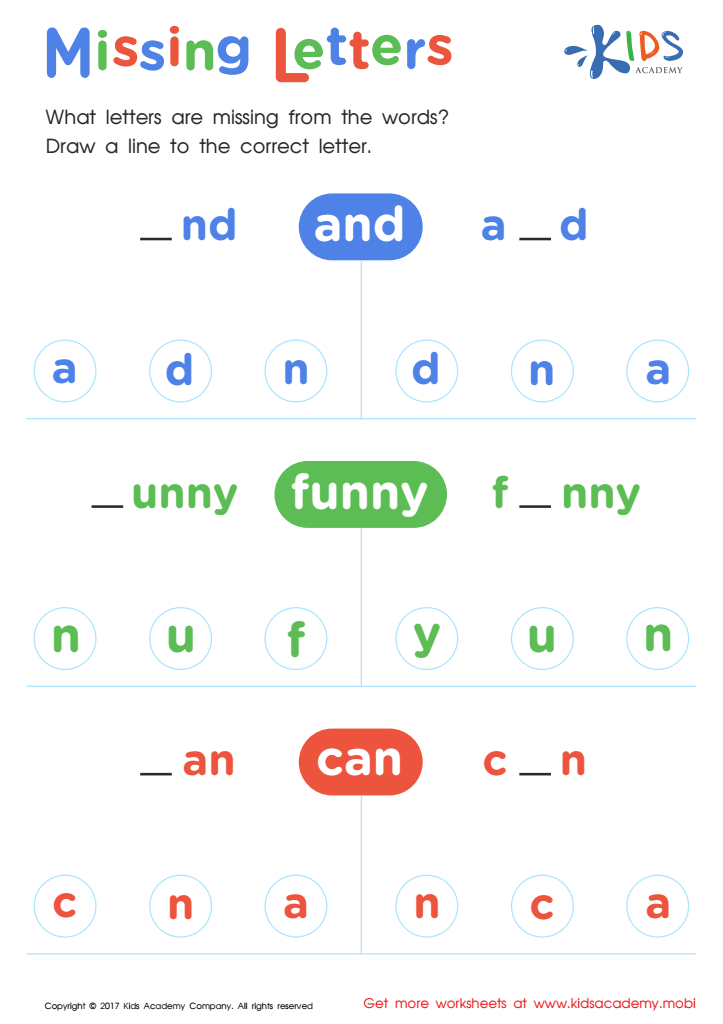
Missing Letters Worksheet
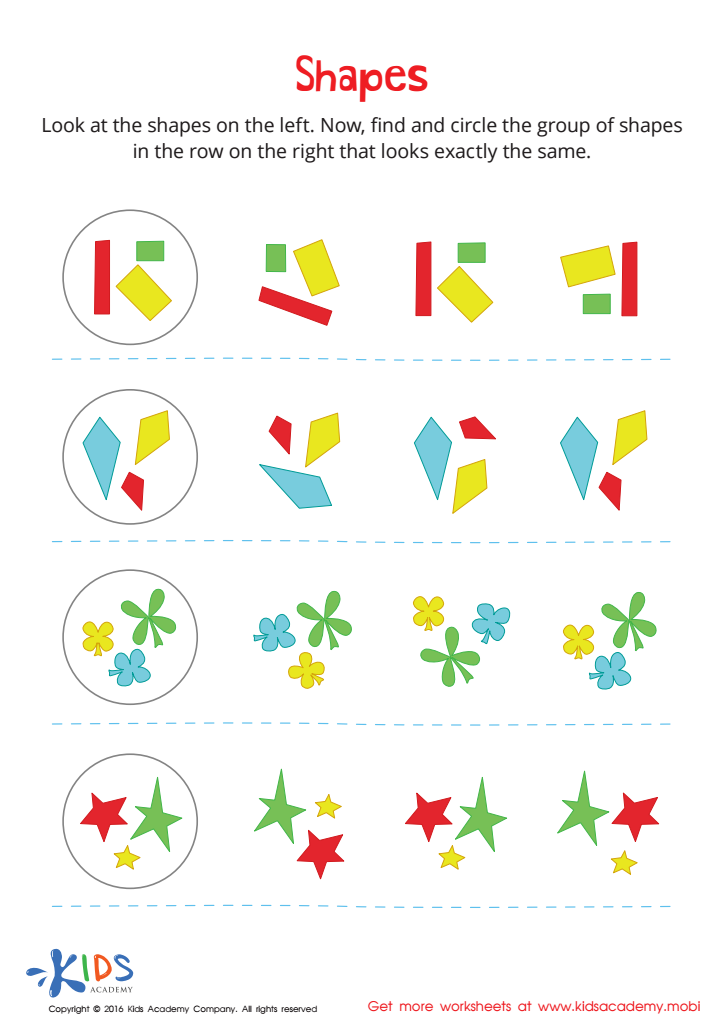
Shapes Worksheet








Cognitive development is crucial for children aged 5-8, as this is a pivotal time for their intellectual growth and learning capacity. The Extra Challenge Matching activity is designed to sharpen critical thinking, memory, and problem-solving skills, which are essential for academic success. Engaging with such exercises encourages children to classify, connect, and interact with information, thereby deepening their understanding of concepts.
Parents and teachers should care about this activity because it aligns with important educational goals, fostering skills that lay the foundation for future learning. By promoting cognitive challenges, children develop adaptability, attention to detail, and the ability to navigate complex tasks, which enhances their overall confidence and independence in learning.
Moreover, matching activities can be fun and interactive, encouraging collaboration among peers or family members, which strengthens social skills and emotional intelligence. As children work through challenges, they also build resilience and perseverance when faced with difficult tasks.
In essence, incorporating Cognitive Development Extra Challenge Matching not only supports academic skills but also encourages holistic development, preparing children to thrive in a fast-paced, information-driven world. Hence, it's essential for parents and teachers to prioritize these developmental opportunities in their educational approaches.