Filters

31 filtered results

Clear all filters
Favorites
With answer key
Interactive

31 filtered results

Difficulty Level

Grade


Check out this FREE Trial Lesson on Building Vocabulary for age 5-8!

Archaeology and Paleontology

Favorites
With answer key
Interactive
  • 5-8
  • Building Vocabulary
  • Extra Challenge
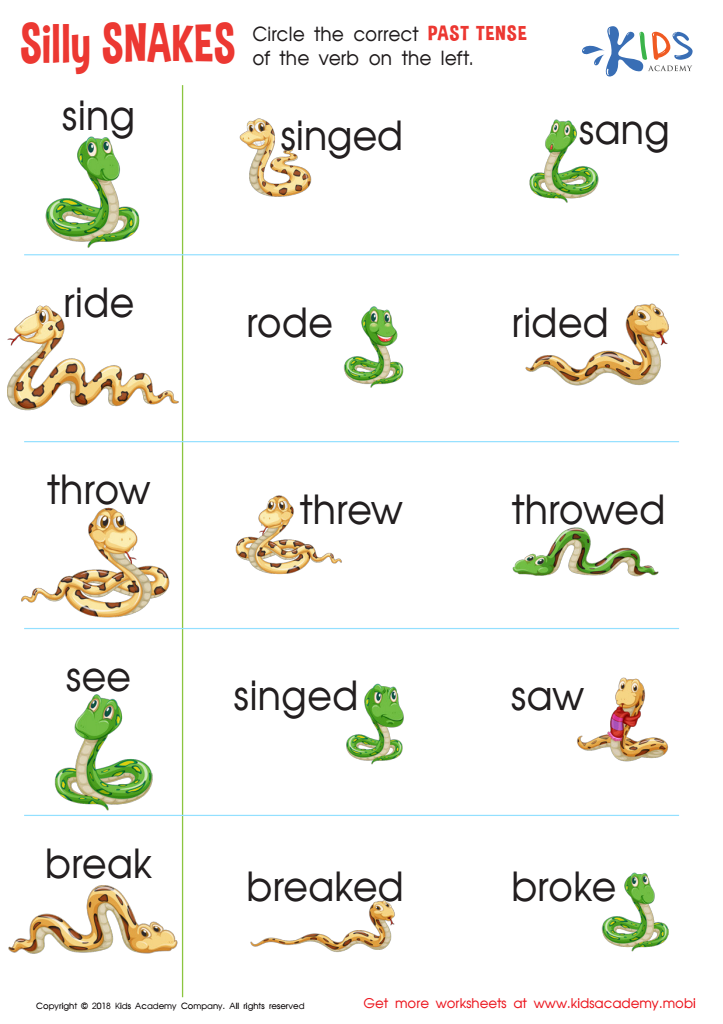
Silly Snakes Worksheet

Silly Snakes Worksheet

Kids will get a giggle out of these silly snakes! They're helping to find past tense verbs in this fun worksheet. Have your child look at each snake in the left column and read the word. Then, choose the correct past tense verb from the two options in each row.
Silly Snakes Worksheet
Worksheet
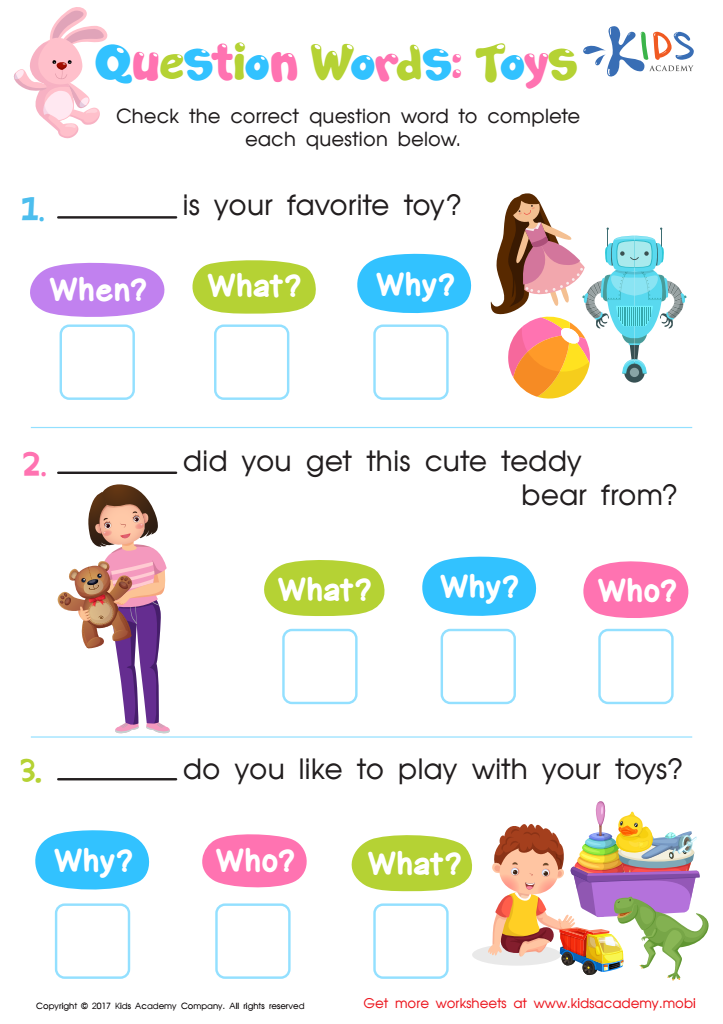
Question Words: Toys Worksheet

Question Words: Toys Worksheet

Let your kids enjoy learning to ask precise questions with this fun worksheet! Read each sentence fragment and look at the word bank, picking the correct word to complete the sentence. Check the box next to the correct word to use. It's that easy and lots of fun!
Question Words: Toys Worksheet
Worksheet
Archaeology Word Jumble Worksheet

Archaeology Word Jumble Worksheet

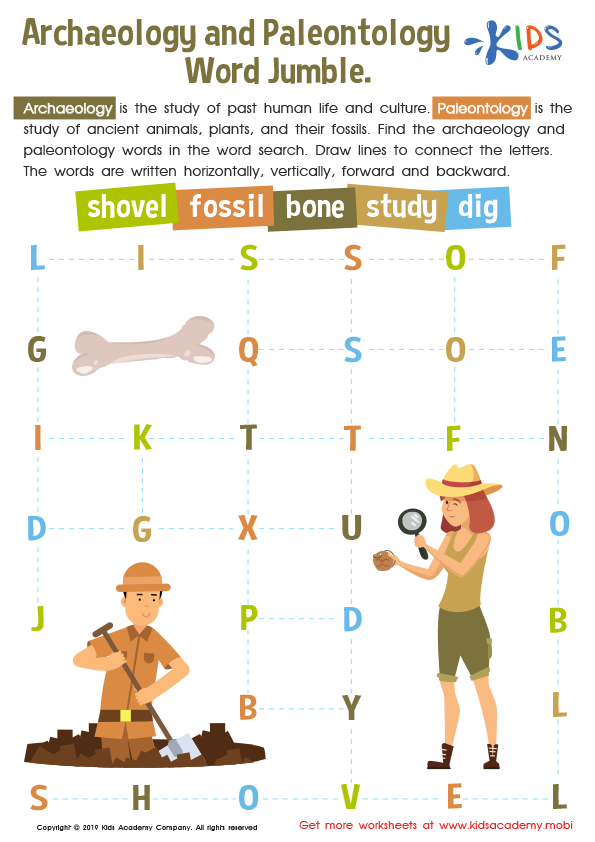
Kids will love this fun, colorful word search about archeology! Tracing the lines, they'll uncover terms related to the study of past life and cultures. As they explore, they'll learn about fossils and bones and discover new archeology words.
Archaeology Word Jumble Worksheet
Worksheet
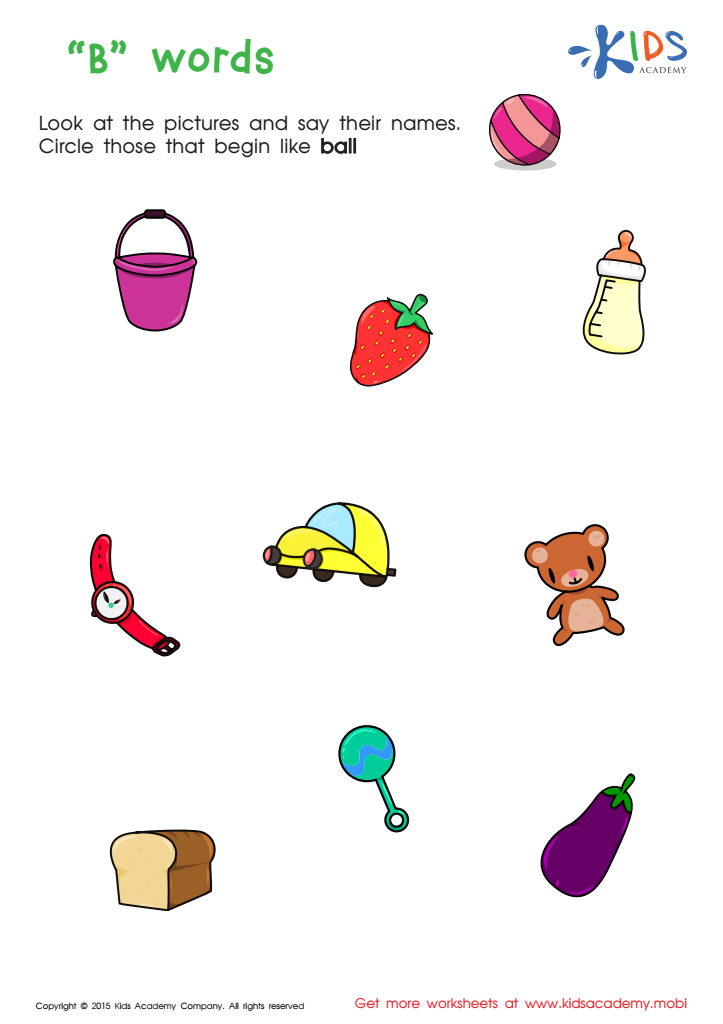
“B” Words Printable Worksheet

First Words Worksheet

Want to help your preschooler learn to read and write? Start with this 'B' words printable worksheet. It will help your child match pictures to the letters they know, sound out words, and build literacy. Once they understand the concept, they can start sounding out words and building reading skills.
First Words Worksheet
Worksheet
Free synonym worksheets for grade 3

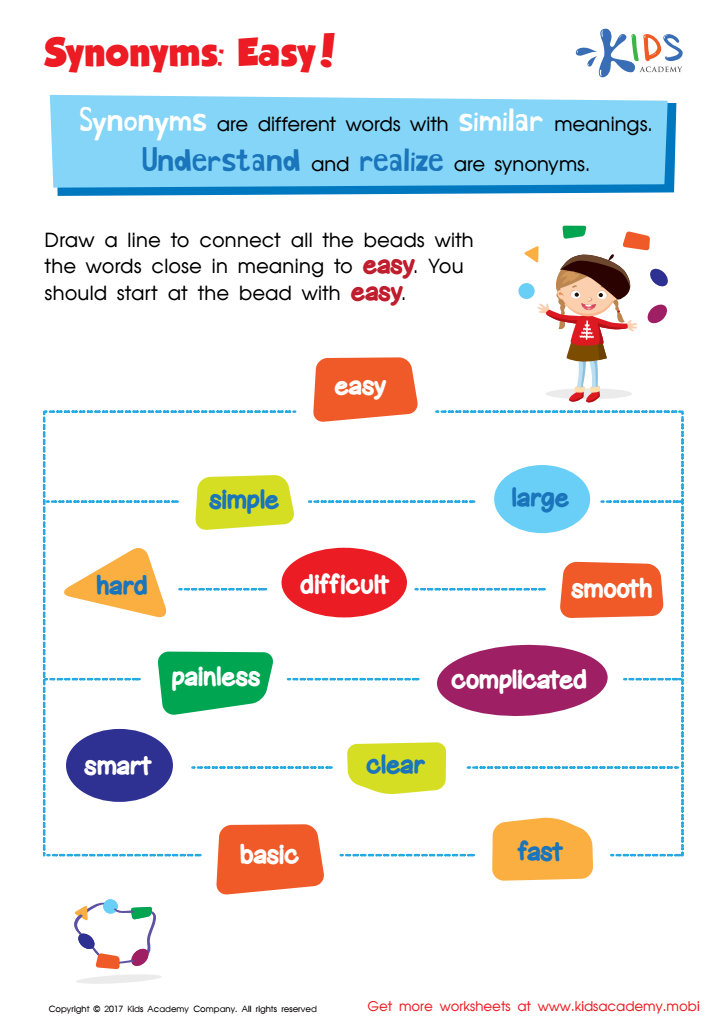
Free Synonym Worksheet

Grade 3s can build their vocabulary with free synonym worksheets. Unlocking the door to better communication, these worksheets help children identify new and interesting words. A great example is finding synonyms for the word easy. Give your kid a boost today!
Free Synonym Worksheet
Worksheet
Make a New Word Worksheet

Make a New Word Worksheet

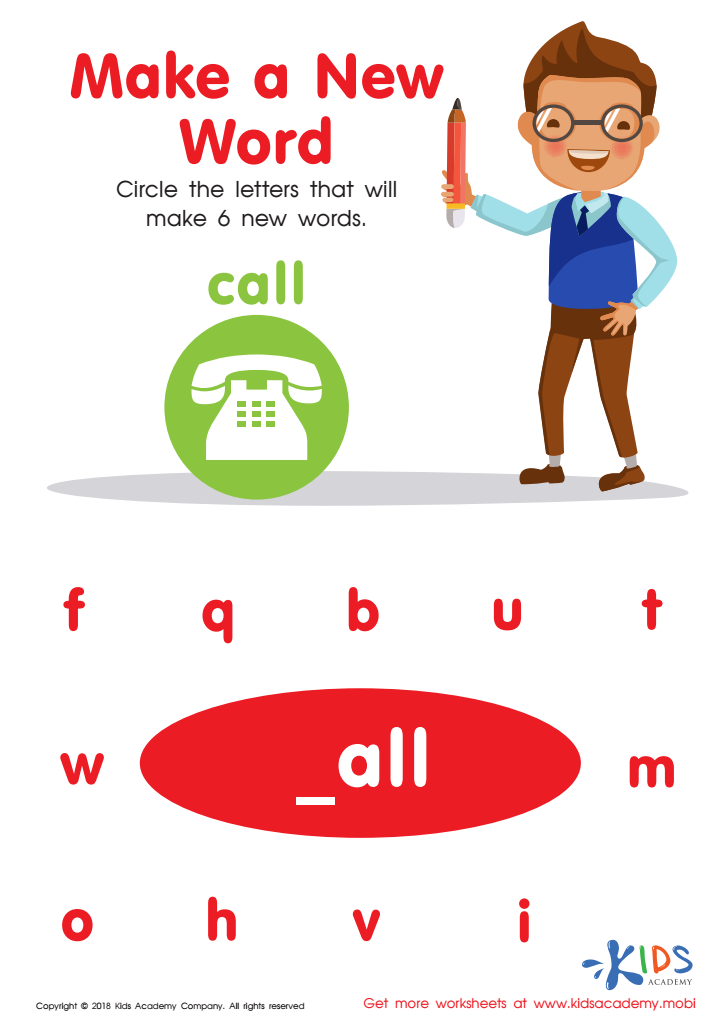
Young readers and writers can enhance their skills with this fun PDF worksheet. They'll trace letters to create new words and feel like super readers and writers after finding six words. They'll also practice building words with the "all" word family.
Make a New Word Worksheet
Worksheet
Pre reading worksheet guess my name

Pre Reading Worksheet Guess My Name

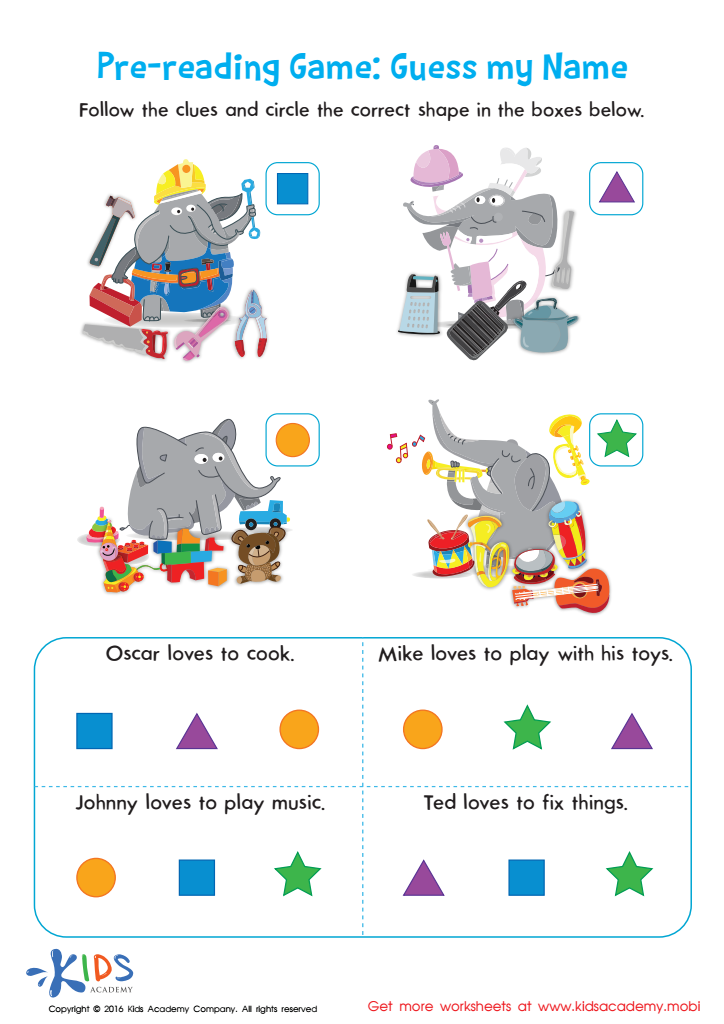
Guess My Name is a fun way to practice inference skills. Guess My Name is a fun pre-reading game to help your child practice drawing inferences from clues. With colorful illustrations, they'll use clues to match each elephant with its sentence and sharpen their inference skills.
Pre Reading Worksheet Guess My Name

Worksheet


Parents and teachers should prioritize Extra Challenge Building Vocabulary for ages 5-8 because these early years are critical for language development and foundational learning. During this period, children are highly receptive to new words and linguistic structures, and a robust vocabulary sets the stage for future academic success and effective communication.

An enriched vocabulary enhances reading comprehension, a crucial skill for all subjects, as children with a strong vocabulary can better understand and engage with text. It also directly impacts writing ability, enabling children to express their thoughts, ideas, and emotions more precisely and creatively.

Engaging in vocabulary-building challenges fosters curiosity and a love for words, making learning an enjoyable experience rather than a chore. It stimulates cognitive development, improving memory and the ability to categorize information, which are essential for problem-solving and critical thinking.

Moreover, building vocabulary through challenges can be a social activity, strengthening parent-child and teacher-student bonds. It provides opportunities for meaningful conversations and shared learning experiences. For ESL (English as a Second Language) students, vocabulary-building activities are particularly vital in bridging language gaps and integrating into the classroom environment.

Ultimately, investing effort and attention in vocabulary challenges during these formative years equips children with the tools they need for successful academic journeys and a lifetime of effective communication.