Historical Knowledge Extra Challenge Social Studies Worksheets for Ages 5-8
3 filtered results
-
From - To
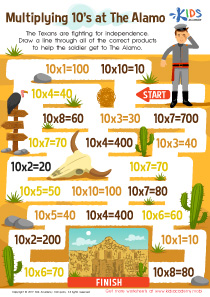
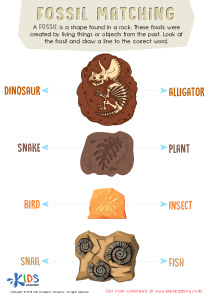
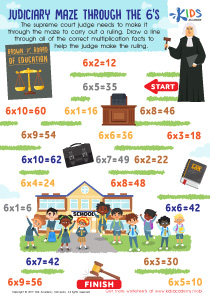
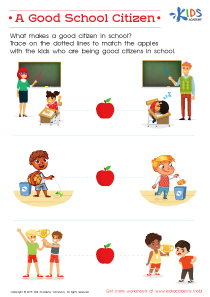
Enhance your child's understanding of history with our "Historical Knowledge Extra Challenge Social Studies Worksheets for Ages 5-8." These engaging and educational worksheets are designed to spark curiosity and deepen historical knowledge among young learners. Featuring age-appropriate challenges, each worksheet promotes critical thinking and fosters a love for history through fun activities. Perfect for enriching homeschool curricula or supplementing classroom learning, these worksheets cover key historical events, figures, and concepts. Suitable for children ages 5-8, our resources make learning history an exciting adventure. Dive into the past and watch your child's historical knowledge flourish!
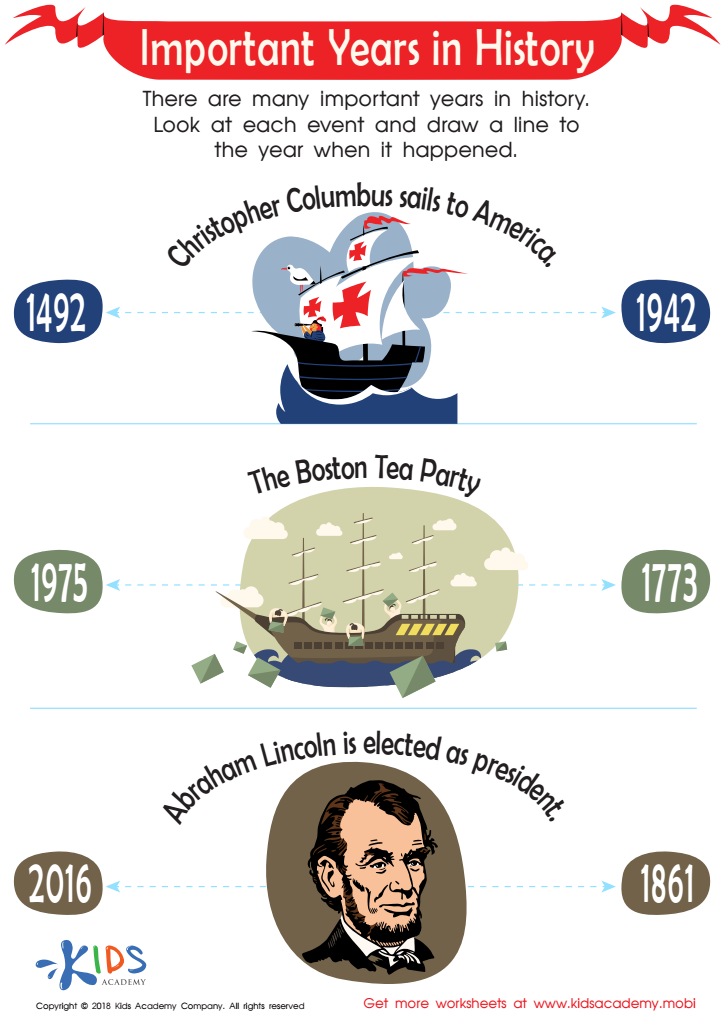
Important Years in History Worksheet
 Assign to My Students
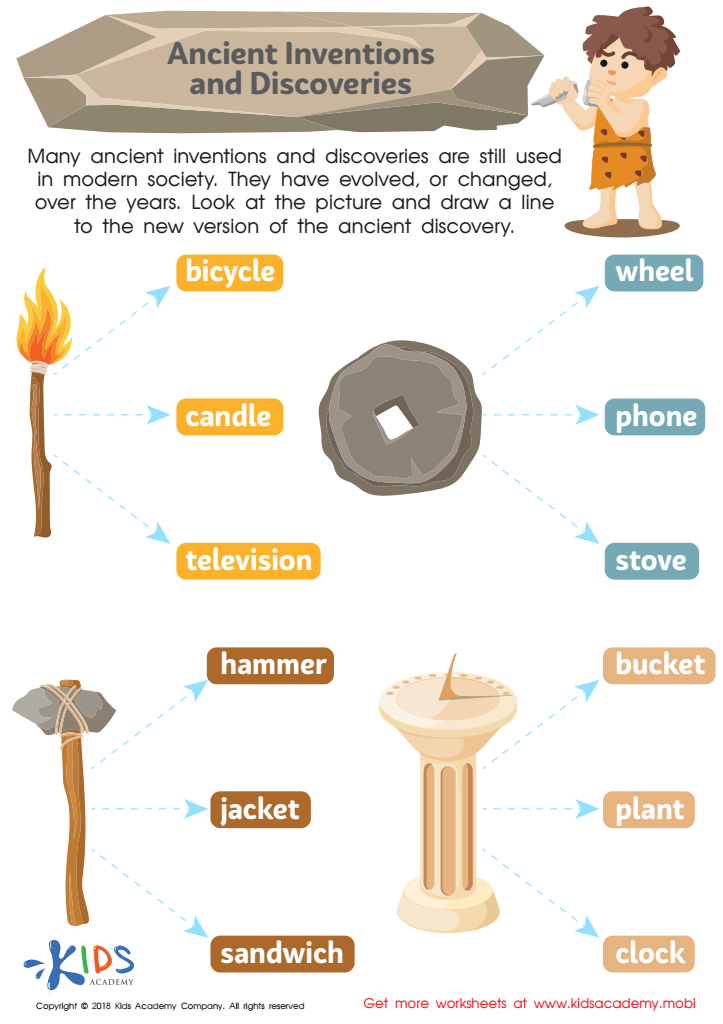
Ancient Inventions and Discoveries Worksheet
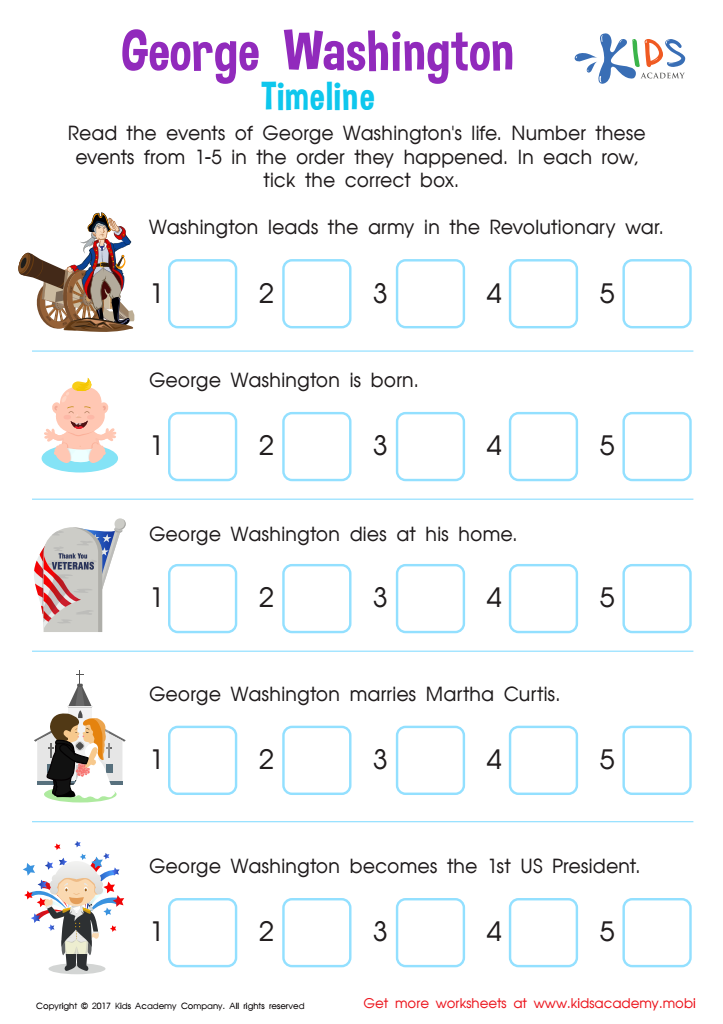
George Washington Timeline Worksheet







Parents and teachers should care about historical knowledge for children aged 5-8 because it lays the foundation for critical thinking, cultural awareness, and social development. At this formative stage, children are curious and impressionable, making it an ideal time to introduce them to the basic elements of history and social studies. Engaging with history helps young learners understand the world around them, fostering a sense of time, continuity, and change—concepts crucial for grasping more complex topics as they grow.
Additionally, learning about history at a young age encourages empathy and cultural appreciation. When children are exposed to stories, traditions, and experiences different from their own, they begin to see the world through diverse perspectives. This not only broadens their understanding but also promotes inclusivity and respect for others.
Moreover, early lessons in history and social studies enhance critical thinking and problem-solving skills. By exploring historical events, understanding cause and effect, and discussing why certain decisions were made, children start to develop analytical thinking capabilities.
Finally, historical knowledge strengthens a child's sense of identity and community. Understanding local and global history connects them to their own cultural heritage and the broader human experience, fostering a sense of belonging and moral values. In essence, prioritizing historical knowledge in early education equips children with essential life skills and attitudes that benefit their individual growth and societal contribution.