Fine Motor Skills Extra Challenge Letter Recognition Worksheets for Ages 5-9
7 filtered results
-
From - To
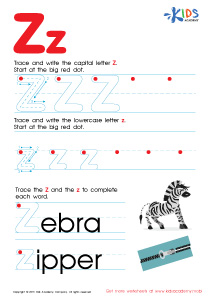
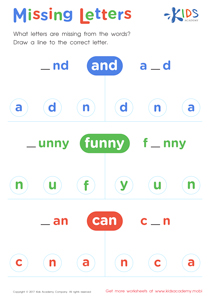
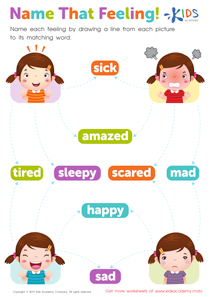
Enhance your child's fine motor skills and letter recognition with our engaging Extra Challenge Worksheets for ages 5-9! Designed to captivate young learners, these worksheets integrate fun activities that promote dexterity while reinforcing essential alphabet knowledge. Each worksheet features a variety of exercises, such as tracing, coloring, and connecting letters, which foster hand-eye coordination and build confidence in early writing abilities. Ideal for at-home learning or classroom integration, our fine motor skills worksheets ensure children not only learn but also enjoy the process. Discover the perfect blend of play and education to help your child excel in their literacy journey today!

Letter A Tracing Page
 Assign to My Students
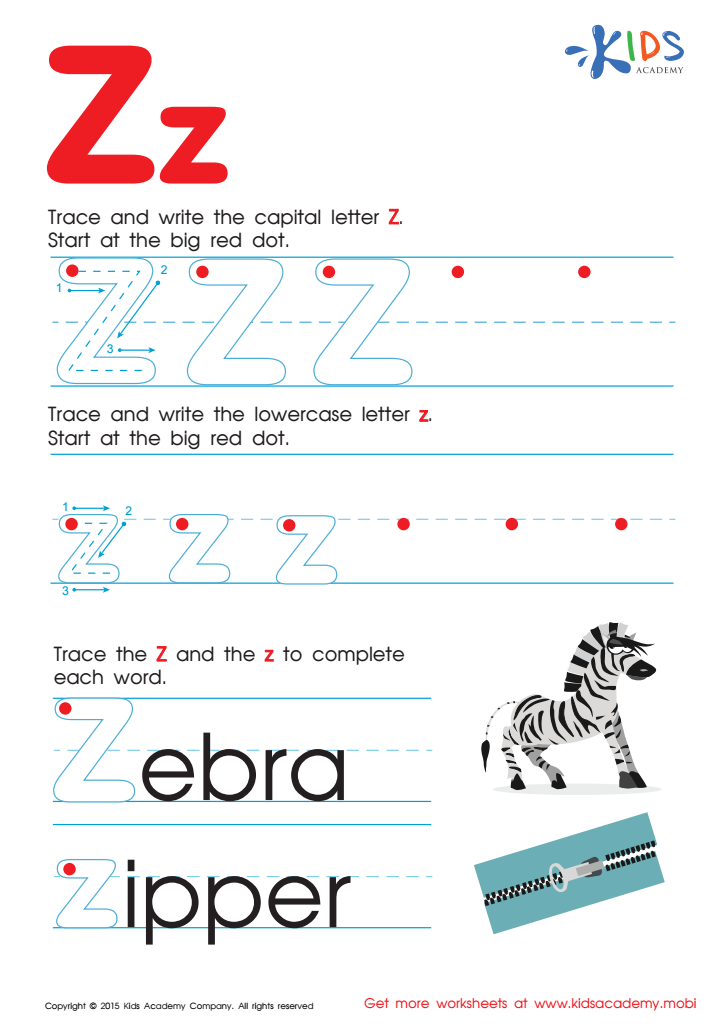
Letter Z Tracing Page
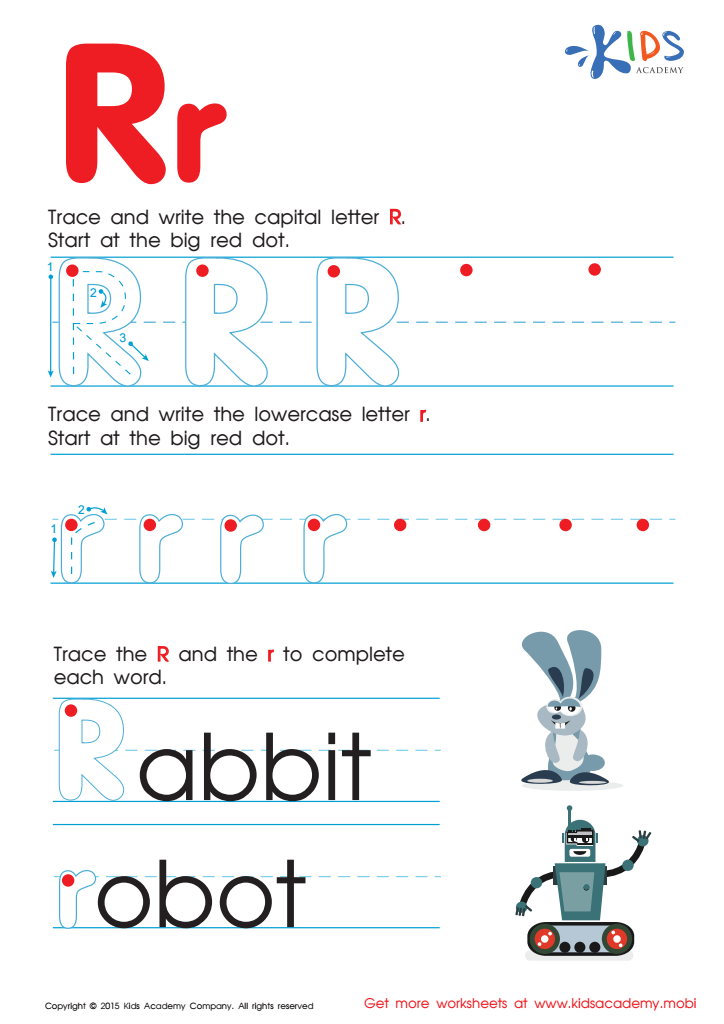
Letter R Tracing Page
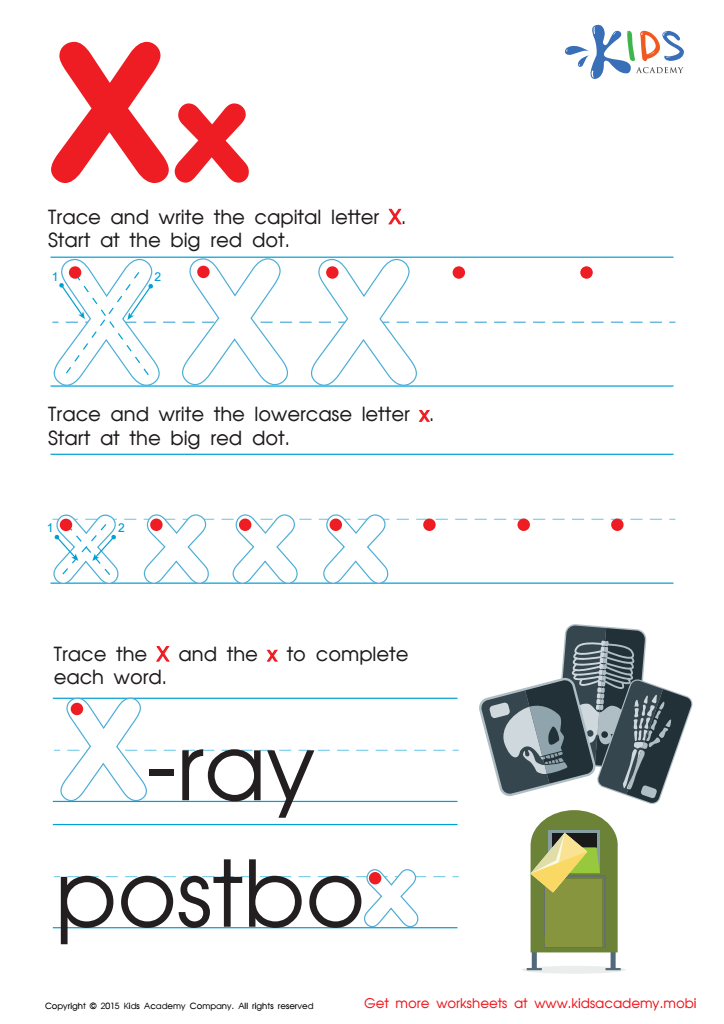
Letter X Tracing Page
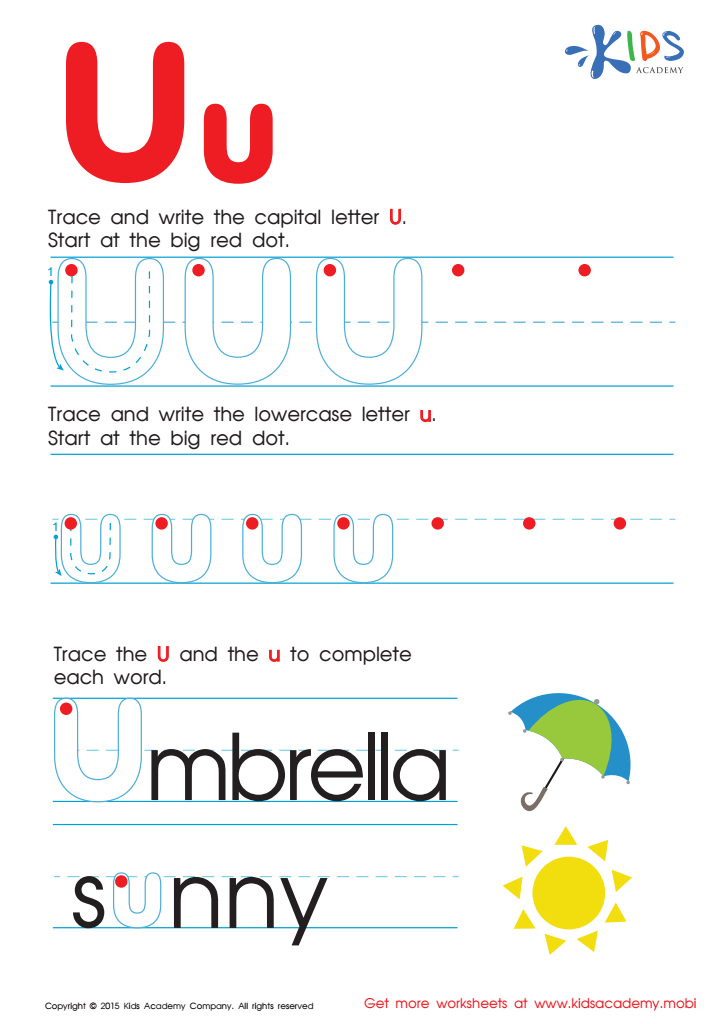
Letter U Tracing Page
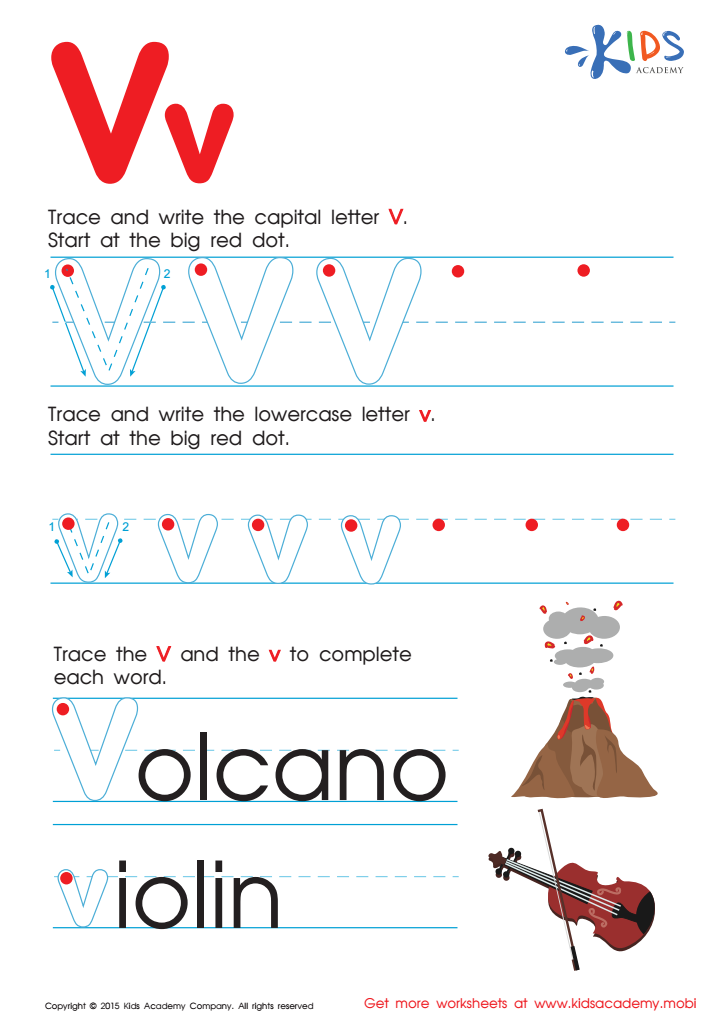
Letter V Tracing Page
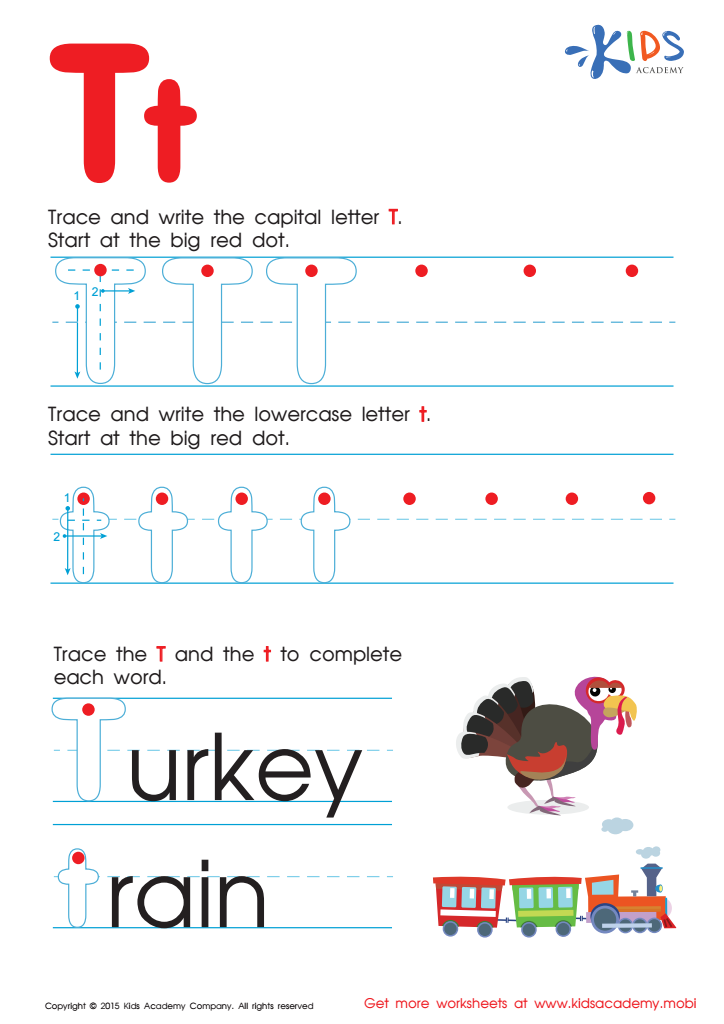
Letter T Tracing Page








Fine motor skills are crucial for children aged 5-9, as they form the foundation for essential tasks such as writing, drawing, and manipulating tools. Developing these skills enhances hand-eye coordination and dexterity, which are essential for academic success. For parents and teachers, fostering fine motor skills through activities and challenges, such as Extra Challenge Letter Recognition, can greatly benefit children's overall learning experience.
Extra Challenge Letter Recognition not only hones fine motor skills but also reinforces literacy development. When children engage in recognizing letters through hands-on activities, such as tracing or using manipulatives, they solidify their understanding of letters and sounds. This interactive approach makes learning more engaging and memorable.
Moreover, these skills are linked to a child's self-esteem and confidence; mastering fine motor tasks can empower children, making them more willing to engage in classroom activities and participate in social interactions. As a result, parents and teachers should emphasize the importance of developing fine motor skills through targeted exercises and challenges. By valuing these skills, they can help children build a strong foundation for their future educational journeys, fostering both academic competence and emotional growth.