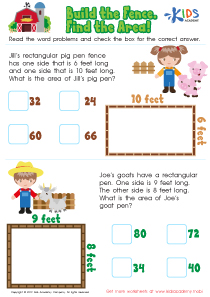
Matching numbers Extra Challenge Numbers Worksheets for Ages 5-9
3 filtered results
-
From - To
Take your child's number recognition and counting skills to the next level with our Matching Numbers Extra Challenge Numbers Worksheets! Designed specifically for ages 5-9, these engaging printable activities provide a fun and stimulating way to reinforce crucial math concepts. Each worksheet offers unique challenges that enhance number matching, comparing quantities, and identifying patterns. Perfect for classroom use or at-home practice, our resources are crafted to encourage independent problem-solving and boost confidence in young learners. Make math enjoyable and challenging - download the worksheets today for an interactive and educational experience!
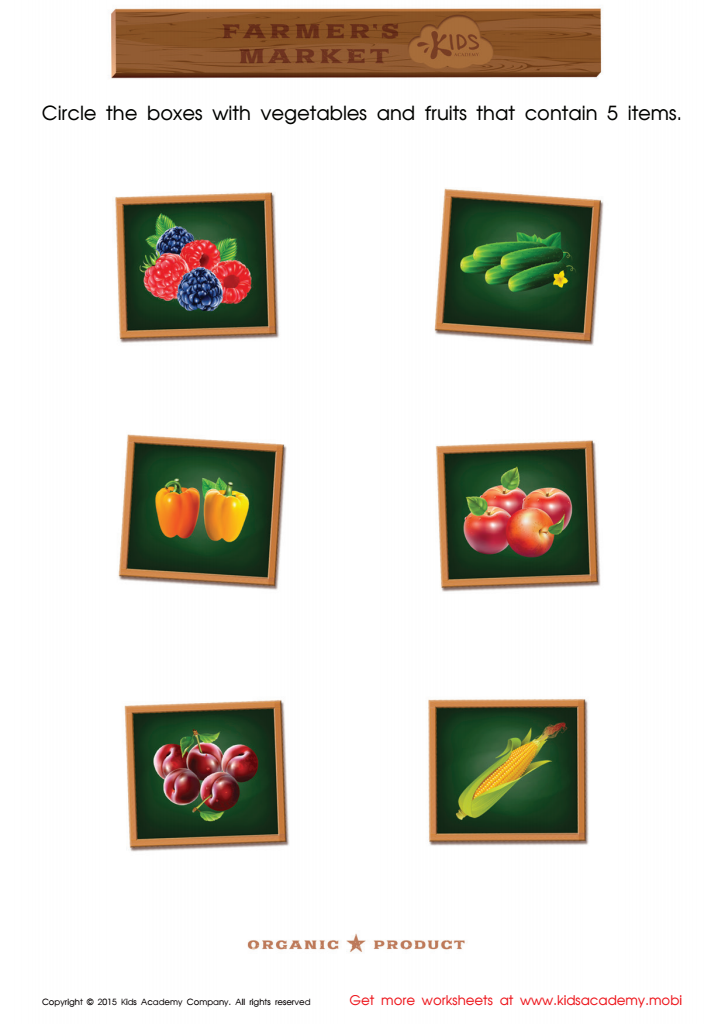
Count and Match Vegetables 1 – 7 Math Worksheet
 Assign to My Students
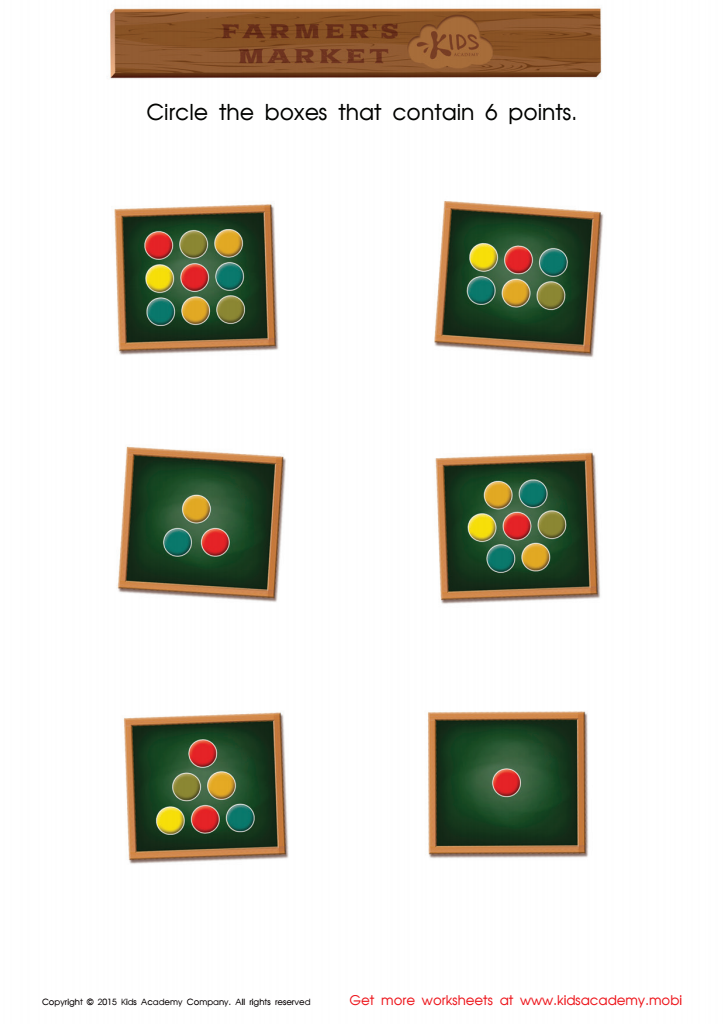
Count and Match Points 6 Math Worksheet
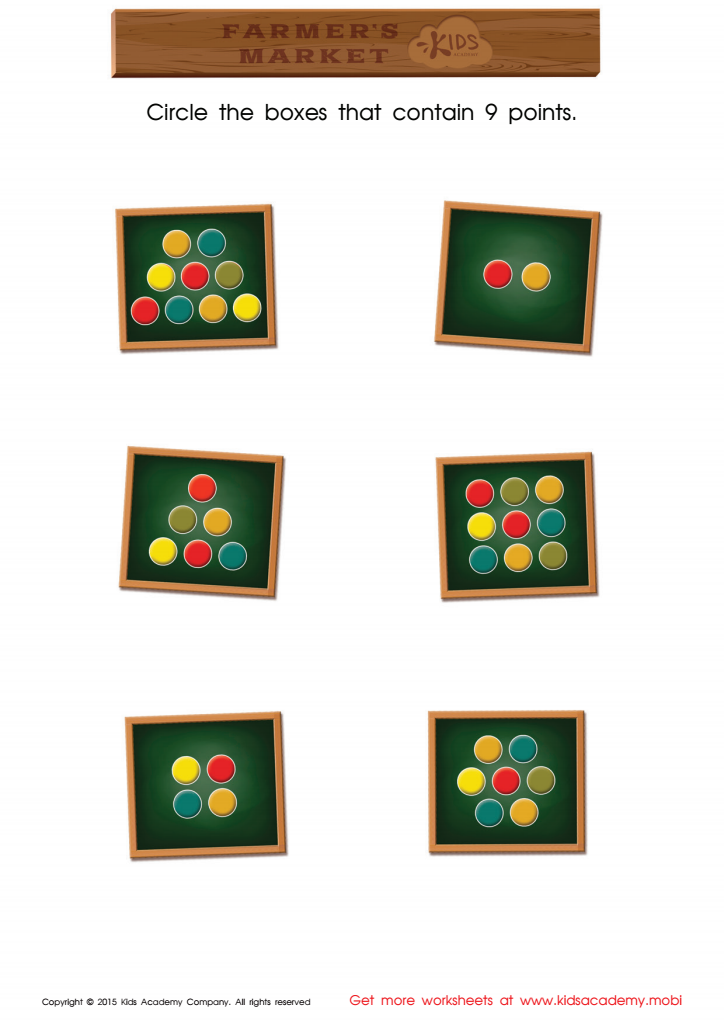
Count and Match Points 9 Math Worksheet








Parents and teachers should pay attention to Matching Numbers Extra Challenge Numbers for children aged 5-9 because these activities can significantly enhance foundational math skills essential for academic success. At this crucial developmental stage, children are building their number sense, which includes the ability to recognize numbers, understand their values, and comprehend relationships between them. Matching number exercises are tailored to strengthen these skills through engaging and interactive methods that go beyond traditional rote learning.
Beyond just recognizing numbers, these activities also promote critical thinking and problem-solving skills. They challenge young minds to identify patterns, make connections, and develop logical reasoning. When children match numbers, they're not merely identifying numerals; they're also practicing sequencing, comparing quantities, and recognizing numerical patterns, laying a solid groundwork for more advanced mathematical concepts.
Furthermore, these exercises support cognitive development in other areas such as memory and concentration, and may enhance fine motor skills when tasks involve writing or physically manipulating numbers. These engaging, fun activities can transform learning into an enjoyable experience, fostering a positive attitude toward math that can last a lifetime. By paying attention to these capabilities early on, parents and teachers can help children build confidence, competence, and a keen interest in mathematics, paving the way for future academic achievements.