Handwriting practice Extra Challenge Letter Recognition Worksheets for 5-Year-Olds
5 filtered results
-
From - To
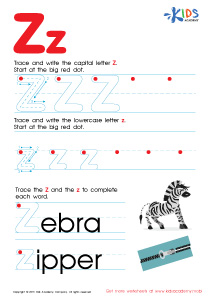
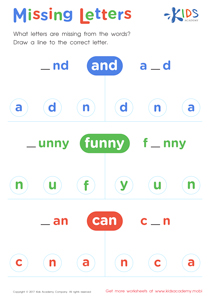
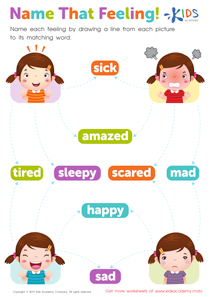
Enhance your child’s writing and letter recognition skills with our Handwriting Practice Extra Challenge Letter Recognition Worksheets, specifically designed for 5-year-olds! These worksheets offer engaging activities that promote both fine motor skills and cognitive development. Kids will enjoy tracing, writing, and identifying letters in a fun, interactive way. Each worksheet is tailored to challenge young learners, building their confidence and competence in handwriting and letter recognition. Ideal for homeschooling or classroom settings, these resources are perfect for reinforcing essential literacy skills. Download now and watch your child thrive while mastering their letters with joy and enthusiasm!
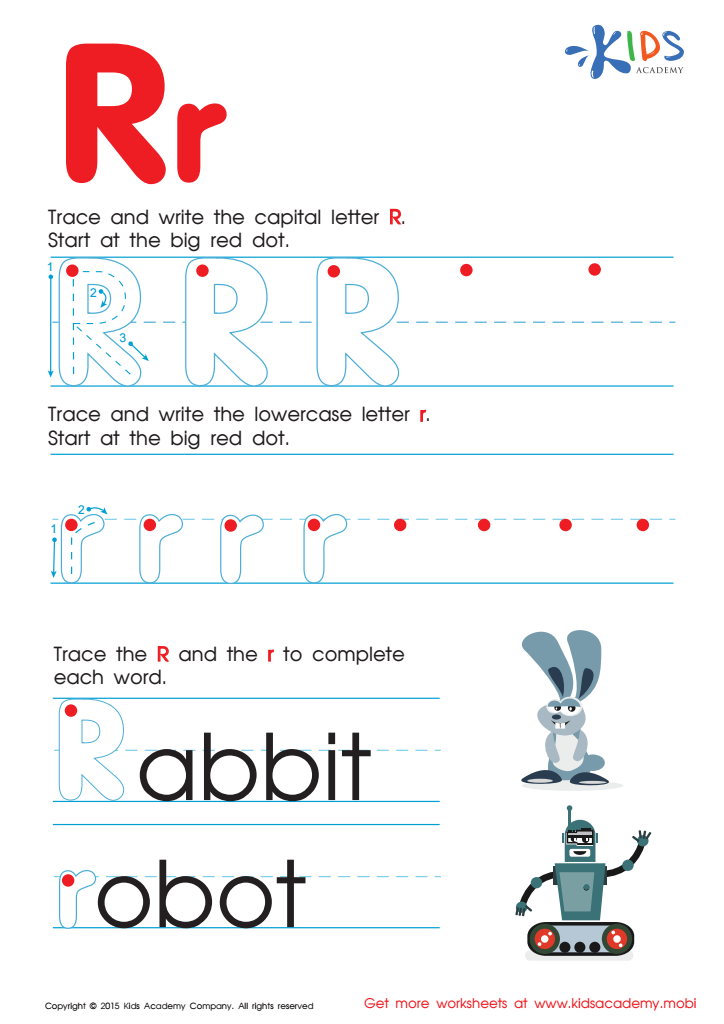
Letter R Tracing Page
 Assign to My Students
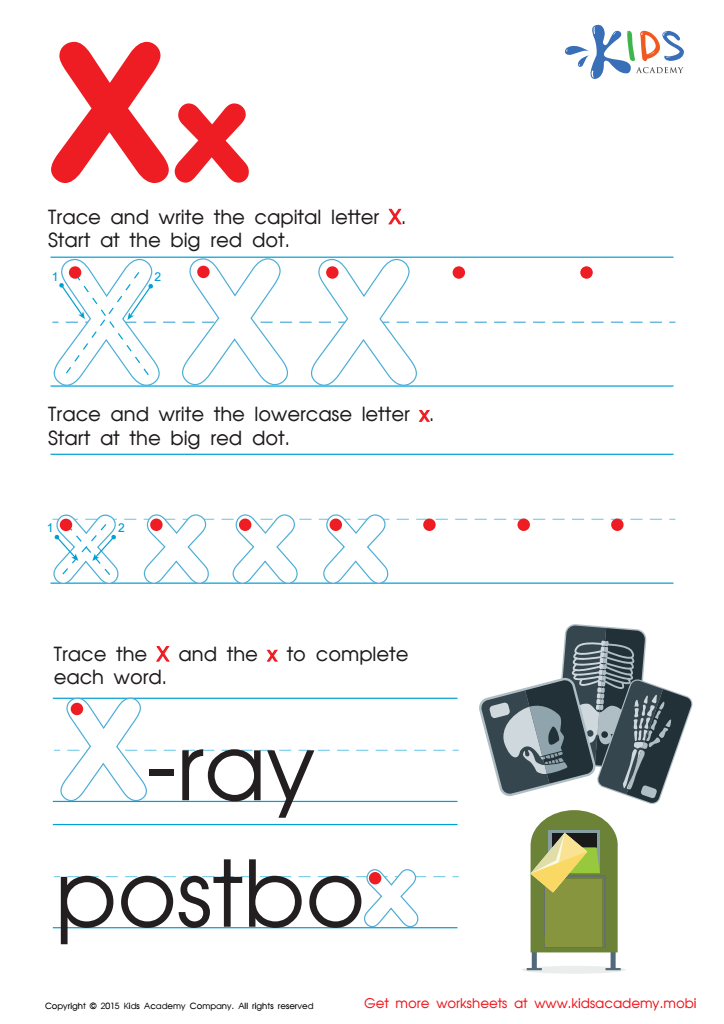
Letter X Tracing Page
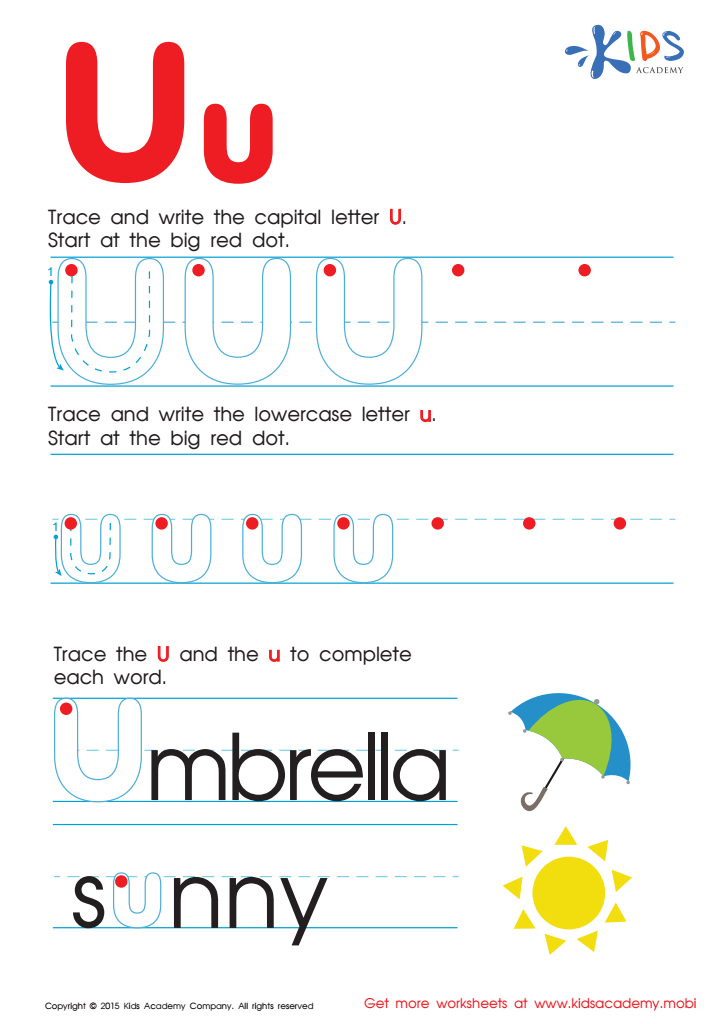
Letter U Tracing Page
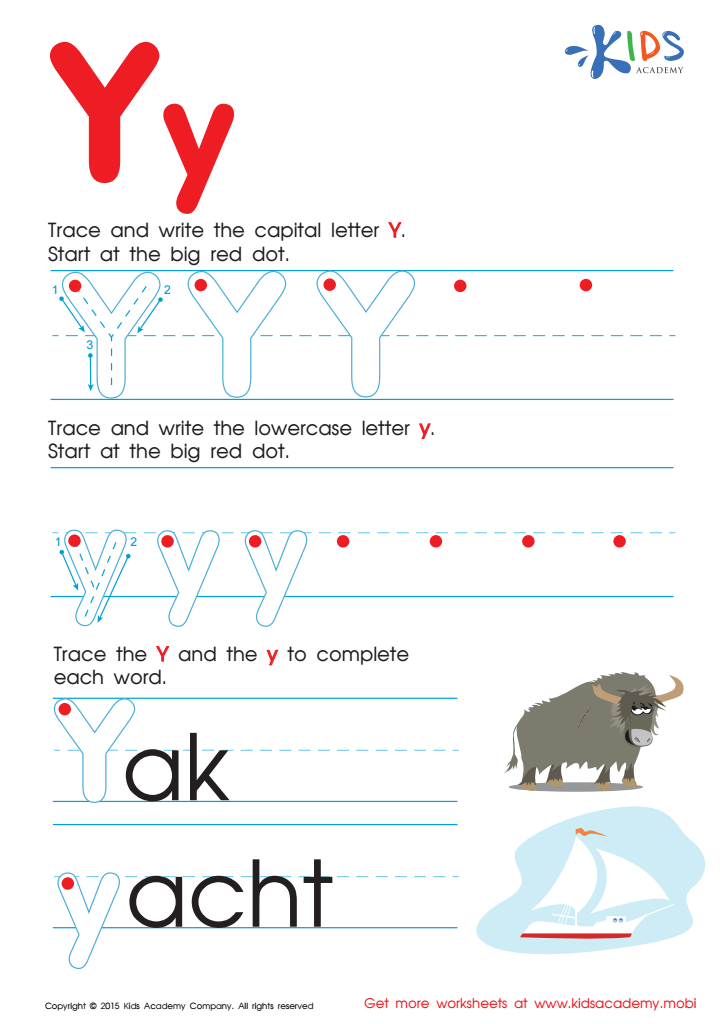
Letter Y Tracing Page
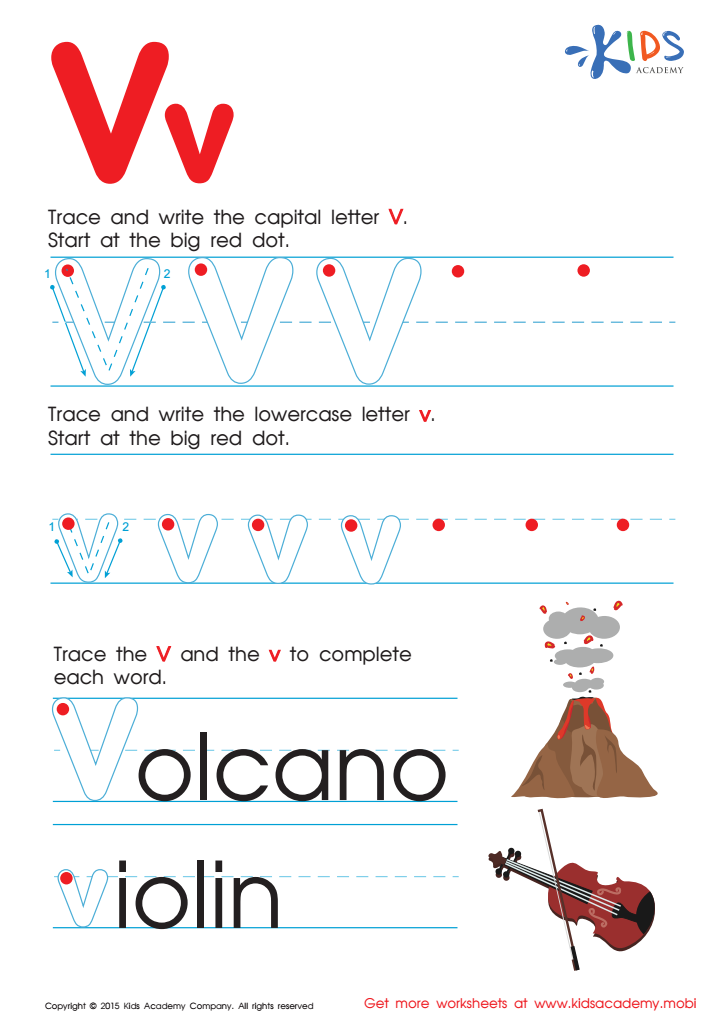
Letter V Tracing Page








Handwriting practice and letter recognition are crucial for 5-year-olds as they lay the foundation for successful literacy skills. When parents and teachers emphasize these skills, they support a child's overall cognitive and motor development. Handwriting helps young learners develop fine motor skills, which are critical for daily tasks and academic success. The physical act of writing reinforces letter shapes and their sounds, enhancing letter recognition.
Handwriting encourages children to slow down and pay attention to details, promoting mindfulness and concentration—skills that are beneficial in various learning contexts. It also boosts confidence as children witness their progress in forming letters and words. Regular practice helps streamline the learning process for reading and spelling, preventing challenges in later grades.
Moreover, by incorporating fun activities—like crafting, tracing, or using interactive apps—teachers and parents can make writing engaging, fostering a positive attitude toward learning. Ultimately, focusing on handwriting and letter recognition cultivates not only literacy skills but also a love for learning, preparing children for future academic challenges. Supporting these practices ensures that children are well-equipped for school readiness and can express their thoughts effectively as they transition into more advanced stages of literacy.